Guide · · 10 min read
In-House Ottawa Warehouse vs 3PL — The True Cost Breakdown
Founders often underestimate the cost of running their own Ottawa warehouse and overestimate 3PL fees. Here's the line-by-line truth.
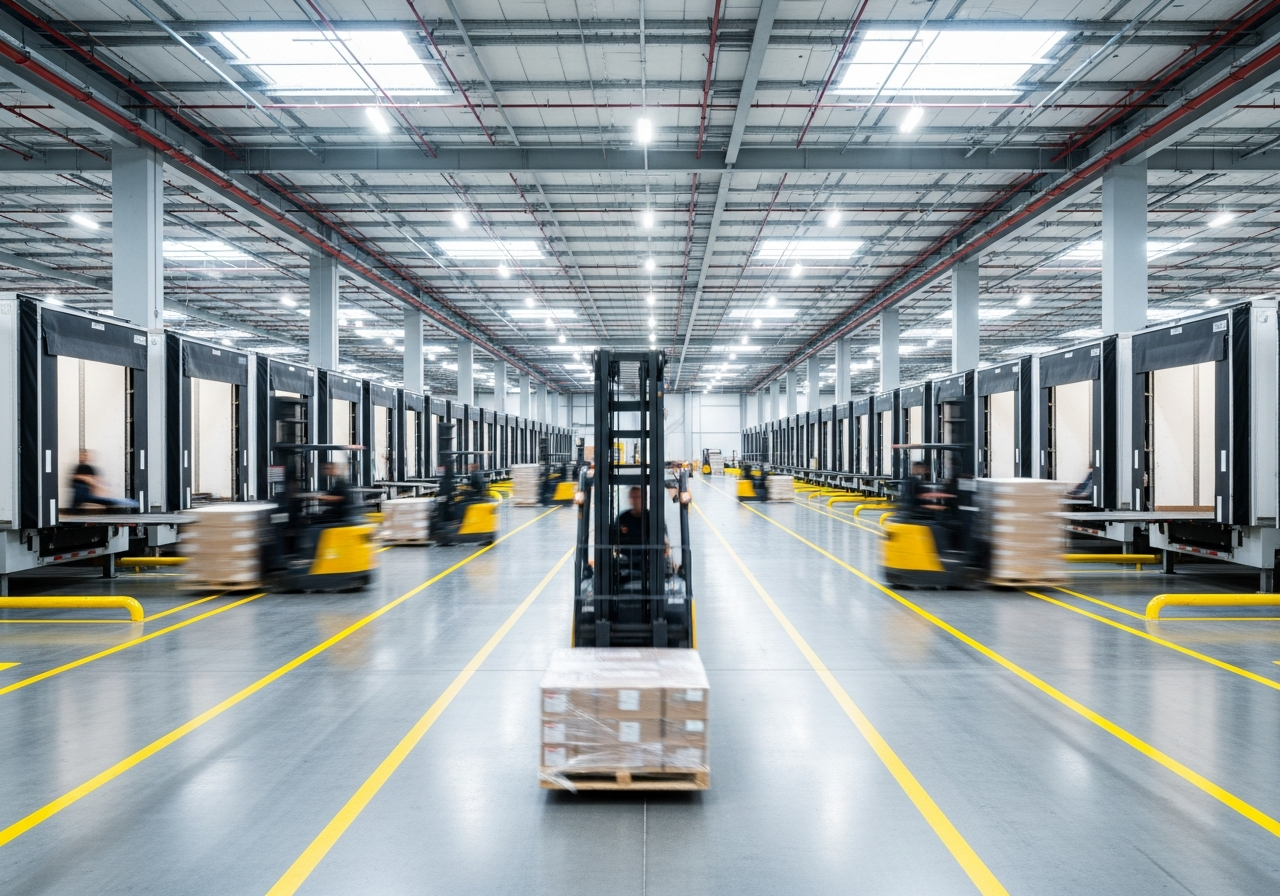
There's a moment in every growing brand where the question comes up: should we lease our own warehouse in Ottawa and run fulfillment in-house? The math looks tempting on the surface — until you add up the hidden costs. This guide breaks down both options line-by-line.
What an in-house Ottawa warehouse actually costs
Let's price a 5,000 sq ft Ottawa warehouse for a brand shipping 100 orders/day. Lease at $13/sq ft net plus utilities and taxes: roughly $80,000/year all-in. Two full-time pickers and a part-time supervisor: $135,000/year fully loaded. WMS software, scanners, and shipping software: $18,000/year. Equipment (pallet jacks, racking, packing benches): $25,000 up front amortized to $5,000/year. Insurance and liability: $8,000/year. Shipping consumables: $20,000/year. Total: ~$266,000/year before a single carrier label is paid for.
What an Ottawa 3PL costs for the same volume
Same brand, same 100 orders/day, fulfilled through ByExpress Ottawa: storage at $25/pallet × 50 pallets = $15,000/year. Pick & pack at $2.75/order × 36,500 orders = $100,375/year. Packaging materials at cost: $20,000/year. Software and integration: included. Insurance: included. Total: ~$135,000/year — about half the in-house cost — and shipping rates are typically lower thanks to volume-discounted carrier accounts.
The non-financial costs of in-house
Money isn't the only line item. In-house fulfillment means: managing warehouse staff (hiring, scheduling, performance, turnover). Dealing with carrier account negotiations. Building peak-season capacity (and paying for it when peak ends). Handling returns triage. Software integrations and updates. Insurance claims. Workplace-safety compliance. All of this is founder/operator time that isn't going into the product or growth.
When in-house actually makes sense
There are real cases for in-house: extreme custom packaging that no 3PL can replicate; ultra-low-margin SKUs where 3PL per-pick costs eat the unit economics; vertically-integrated brands where warehouse, production, and HQ benefit from being co-located. Most DTC brands don't hit any of these — but a few do, and they should run their own warehouse.
Switching from in-house to 3PL
Brands transitioning out of in-house Ottawa warehousing typically take 60–90 days end-to-end: 2–3 weeks of integration and SKU setup, 2–3 weeks of inventory transfer (often running both in parallel briefly), and 2–4 weeks of optimization once orders are live. The first month of full 3PL operation usually pays for the transition cost.
Frequently Asked Questions
At what volume does an in-house Ottawa warehouse start to make sense?
Usually 1,000+ orders/day with consistent year-round volume and at least one SKU characteristic (extreme custom packaging, ultra-low margins, hazmat) that 3PLs handle poorly. Below that, 3PL almost always wins on total cost and operator time.