Guide · · 9 min read
Montreal to Ottawa Logistics (2026): Same-Day Freight, Bilingual Ops & Lane Guide
The 200 km Montreal–Ottawa lane is short, fast, and bilingual. Here's how to ship it same-day, price it correctly, and handle the Quebec–Ontario crossover.
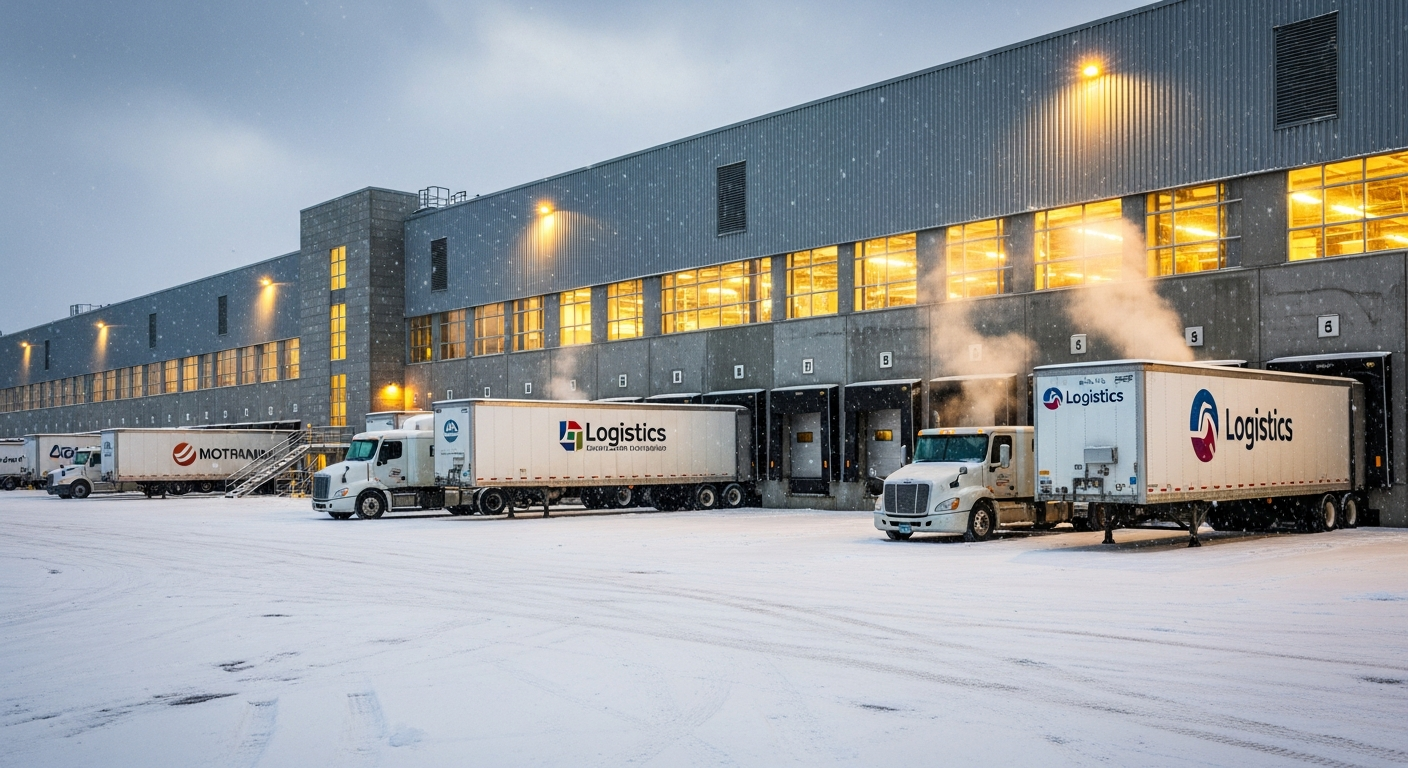
At 200 km, Montreal–Ottawa is the shortest major inter-city freight lane in Canada — a two-hour drive on Highway 417 (Autoroute 40 on the Quebec side, then 417 across the Ontario border). It's a true same-day lane for almost any mode, which makes it strategically valuable for brands that need a Quebec and bilingual market reach without doubling up on inventory. But the lane has its own quirks: bilingual documentation expectations, Quebec-specific labour regulations on the carrier side, language-of-service on customer-facing paperwork, and pricing that's compressed because of the short distance. Here's how to ship it well in 2026.
Same-day is real on Montreal–Ottawa
Two hours of drive time means same-day delivery is genuinely operational, not marketing. Most parcel carriers offer guaranteed same-day Montreal-to-Ottawa with pickup before noon. LTL scheduled service runs as 'next-day standard' but a dedicated FTL move can pick up Montreal at 9 AM and tail-gate Ottawa by 2 PM. For high-value or expedited needs, dedicated cube vans and small straight-trucks operate Montreal-to-Ottawa same-day all-day.
- Same-day parcel: pickup before noon, delivery by 5 PM
- Same-day FTL direct: 2 hour drive + 1 hour load/unload buffer
- Next-day LTL scheduled: pickup before 4 PM
- Expedited cube van: dispatched within 60 min, delivery in 3–4 hours total
- Hotshot freight on this lane is common and competitive
Montreal–Ottawa freight rates in 2026
Because the lane is short, the per-pallet rate is among the lowest of any inter-city lane in Canada — but the minimum charge ratio is high. Carriers apply minimum charges of $95–$140 per LTL shipment regardless of size, which means small one-piece shipments are disproportionately expensive on this lane vs longer hauls. Stack your freight or consolidate with a 3PL daily milk run.
| Service | Weight / Equipment | Montreal → Ottawa rate (CAD, pre-FSC) |
|---|
| 1 pallet LTL | 1,200–1,500 lb | $135–$185 |
| 2 pallets LTL | 2,400–3,000 lb | $215–$295 |
| 6 pallets LTL | 7,000–9,000 lb | $450–$625 |
| FTL 53′ dry van direct | Up to 45,000 lb | $650–$925 |
| Same-day cube van | Up to 4 pallets | $425–$675 |
| Same-day parcel under 50 lb | Single parcel | $45–$85 |
Bilingual operations: what actually matters on this lane
Quebec consignees increasingly expect French-language documentation on inbound freight — packing slips, return labels, hazmat papers, and BOLs. It's not legally required on every shipment but Bill 96 has strengthened the cultural expectation. Choose a carrier with bilingual customer service and a 3PL that prints packing slips in the consignee's preferred language. ByExpress and a handful of other Ottawa operators run fully bilingual ops; many GTA-based carriers do not, which becomes a friction point for the Ottawa–Montreal flow.
If you serve both Quebec and Ontario customers, an Ottawa or Ottawa–Gatineau fulfillment node lets you operate one inventory pool, one warehouse team, and one carrier mix for both provinces — without doubling up on stock.
The Quebec–Ontario border: paperwork or no paperwork?
There's no customs border between Quebec and Ontario — it's a provincial line, not an international one. But the practical handoff still matters: SAAQ (Société de l'assurance automobile du Québec) governs commercial vehicle inspections and roadside enforcement on the Quebec side, Ontario's MTO governs commercial vehicle compliance once trucks cross at Hawkesbury or Plantagenet, and HOS (hours-of-service) logs are tracked under federal NSC regulations either way. Bilingual drivers and bilingual BOLs reduce friction at any roadside inspection. Quebec also applies QST instead of HST, which matters for invoiced freight services but not for the freight itself.
When the Montreal–Ottawa lane is strategic
Three use cases make this lane a strategic asset. First: brands fulfilling Quebec orders from an Ottawa 3PL save a full day of transit and 30–50% of the cost vs shipping from GTA. Second: brands serving the federal government can use Ottawa as the contractor-facing node and Montreal as the operational consumer-facing node with daily replenishment. Third: brands with bilingual customer service teams centralized in Ottawa benefit from the integrated bilingual labour pool that spans both cities.
 When the Montreal–Ottawa lane is strategic
Reverse: Ottawa to Montreal logistics
Pricing and transit are nearly identical in the reverse direction. The asymmetry: Montreal has substantially more LTL linehaul density than Ottawa, so Ottawa-originating shipments occasionally face a 1-day wait for an Ottawa-to-Montreal scheduled slot if booking late in the day. Dedicated daily milk runs from Ottawa fulfillment 3PLs solve this by guaranteeing a slot. Most Ottawa 3PLs serving DTC e-commerce run a daily 4 PM Montreal-bound consolidation truck.
Frequently Asked Questions
Can I get same-day delivery from Montreal to Ottawa?
Yes. With pickup before noon, same-day delivery is operationally reliable for parcels, cube van, and dedicated FTL. The 200 km / 2-hour drive makes this one of the few true same-day lanes in Canada.
How much does it cost to ship a pallet from Montreal to Ottawa?
$135–$185 LTL in 2026 (pre-fuel surcharge). FTL direct $650–$925. Minimum LTL charges are $95–$140 so very small shipments are disproportionately expensive per pound.
Do I need French paperwork for shipping to Montreal?
Not strictly required for freight documentation but increasingly expected by Quebec consignees, especially post Bill 96. Customer-facing materials (packing slips, return labels) should be bilingual at minimum if you sell to Quebec customers.
Is there a customs border between Montreal and Ottawa?
No. It's a provincial border within Canada, not an international one. No customs, no IOR. Commercial-vehicle regulators switch between Quebec's SAAQ and Ontario's MTO at the line, but freight moves without customs paperwork.
Which is cheaper: Ottawa or Toronto as a fulfillment node for Montreal customers?
Ottawa wins on both transit time (2 hours vs 6 hours) and freight cost (40–55% cheaper per pallet) for any Montreal-bound shipment. Toronto only wins on inbound container volume and pickup density for large consolidators.
Related ByExpress resources