Guide · · 9 min read
Ottawa Fine Art, Event & Exhibition Logistics (2026)
From National Gallery loans to G7 conference production — Ottawa's specialty event and art logistics demands museum-grade handling and tight stagecraft.
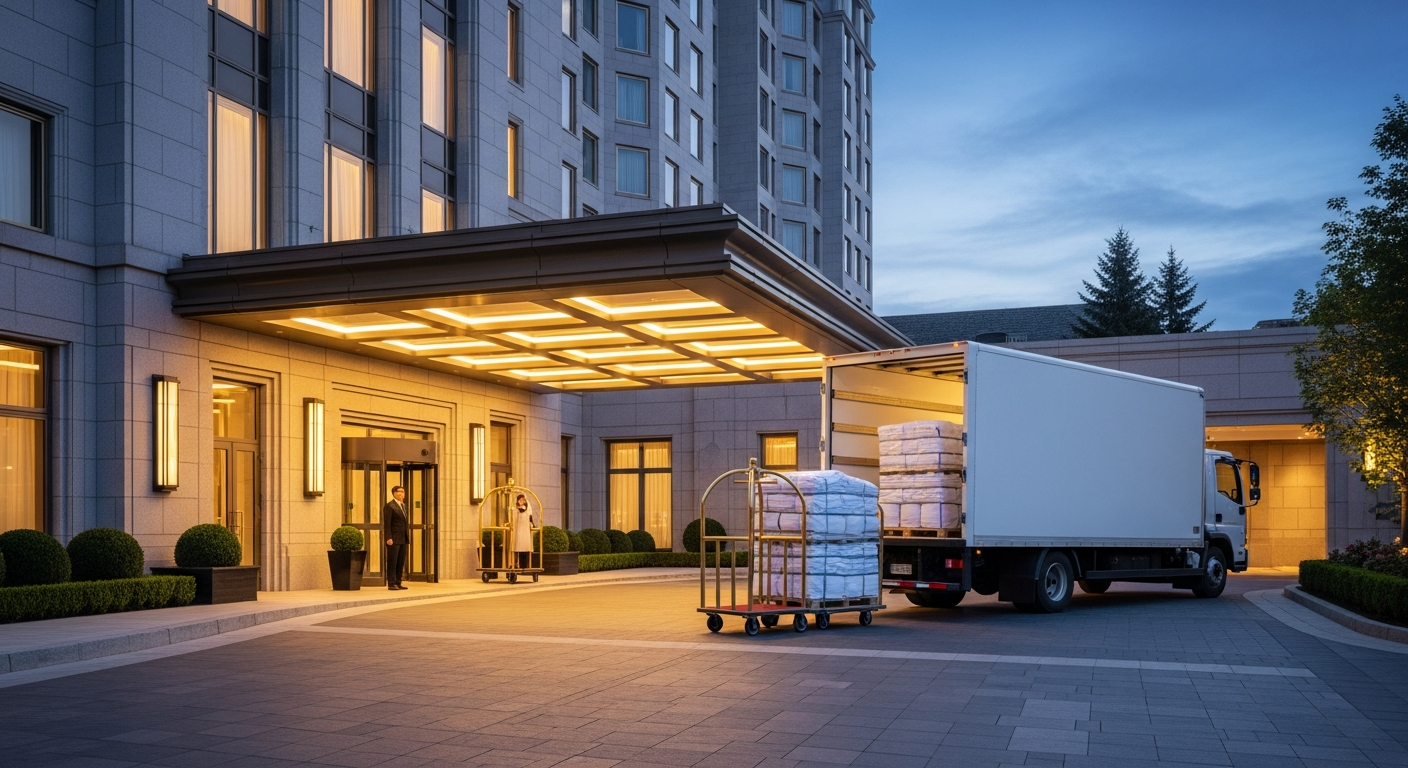
Ottawa hosts the National Gallery of Canada, the Canadian Museum of History (Gatineau), the Canadian Museum of Nature, the National Arts Centre, the Shaw Centre and EY Centre convention facilities, and a routine calendar of federal-government summits and conferences (G7/G20 preparations, federal-provincial-territorial ministerial meetings, NATO and international engagement). Each generates demand for a specialty logistics layer that doesn't overlap with general distribution: museum-grade fine art handling, climate-controlled crating, trade-show installation and dismantle, and conference production logistics where everything must arrive, install, and dismantle on a tight broadcast schedule.
Fine art logistics: museum-grade handling
Fine art logistics is a specialty discipline. Operational requirements include: custom-built museum-grade crates with internal climate buffering and shock absorption; climate-controlled transport (temperature and humidity managed continuously during transit); art-handler personnel trained in museum and conservation standards; documented condition reports at pickup and delivery with photography; integrated security and chain-of-custody documentation; and insurance coverage scaled to art value (often single-piece values into seven and eight figures). Major fine art logistics providers operate national networks and customs-bonded capability for international loans.
Exhibition installation and trade show production
Trade shows and exhibitions at the EY Centre, Shaw Centre, and other Ottawa venues run on tight production schedules: materials inbound on a defined day, build crew on-site for installation, show operating, dismantle crew on-site at close, materials outbound within a fixed window. Show logistics typically involves consolidated freight from multiple exhibitor origins to a single show DC or directly to the venue's marshalling yard, scheduled inbound/outbound truck windows enforced by the venue, on-site installation labour coordinated through the venue's official services contractor (OSC), and outbound consolidation back to exhibitor warehouses or storage.
Conference and summit production logistics
Federal government summits and major conferences in Ottawa require highly choreographed production logistics. Examples include G7 preparations, NATO engagements, international ministerial meetings, and federal stakeholder summits. Production logistics for these typically include: pre-event staging of AV equipment, signage, branded environments, and delegate materials at a secure marshalling location; coordinated inbound delivery to venues under security protocols; on-site rigging, AV install, and signage installation; daily resupply during multi-day events (catering supply, delegate materials); and rapid dismantle within secure windows. Federal events often require security-cleared personnel and vehicles.
Operating into Ottawa venues
Each Ottawa venue has its own receiving rules. The Shaw Centre has dedicated loading docks with appointment scheduling and union-controlled rigging. The EY Centre operates marshalling yards with strict in/out windows. The National Arts Centre has stage-level loading with very narrow access. National Gallery and other museum venues require advance scheduling and conservation-grade handling for any inbound loans. Federal government buildings have loading docks with security-cleared receiving and limited delivery windows. An Ottawa-based logistics provider serving event work maintains operational familiarity with each venue's rules.
International loans, customs, and ATA Carnet
International art loans, traveling exhibitions, and equipment for international conferences often move under ATA Carnet — an international customs document that allows temporary import without paying duty or tax, provided the goods leave the country within 12 months. Ottawa-area customs brokers and specialty fine art logistics providers handle Carnet preparation, customs clearance, and bond management. For incoming international loans (especially from Europe), routing through Pearson Airport cargo or via Halifax/Montreal port is more common than direct YOW for high-value or specialty items.
Frequently Asked Questions
Who handles fine art logistics in Ottawa?
Specialty fine art logistics providers (national and international firms with Ottawa service capability) handle museum-grade art logistics. National Gallery of Canada and other major museums maintain longstanding relationships with these providers.
Can a regular 3PL handle trade show logistics?
For smaller booths and standard freight, yes. Major trade-show production typically uses specialty event logistics providers that integrate with the venue's Official Services Contractor and handle on-site install/dismantle.
What is an ATA Carnet?
An international customs document that allows temporary import of goods (samples, art, equipment) without paying duty or tax, provided the goods leave the country within 12 months. Used routinely for international exhibitions and conferences.
Do Ottawa government events need cleared logistics personnel?
Often yes. Federal summits and high-security events typically require security-cleared personnel and vehicles for venue access, with pre-clearance through PSPC Contract Security Program.
Related ByExpress resources