Guide · · 12 min read
3PL Ottawa: The Complete Guide to Fulfillment in Canada's Capital
Why Ottawa quietly became one of Canada's smartest 3PL locations — and how to evaluate fulfillment providers in the National Capital Region without overpaying for the wrong network.
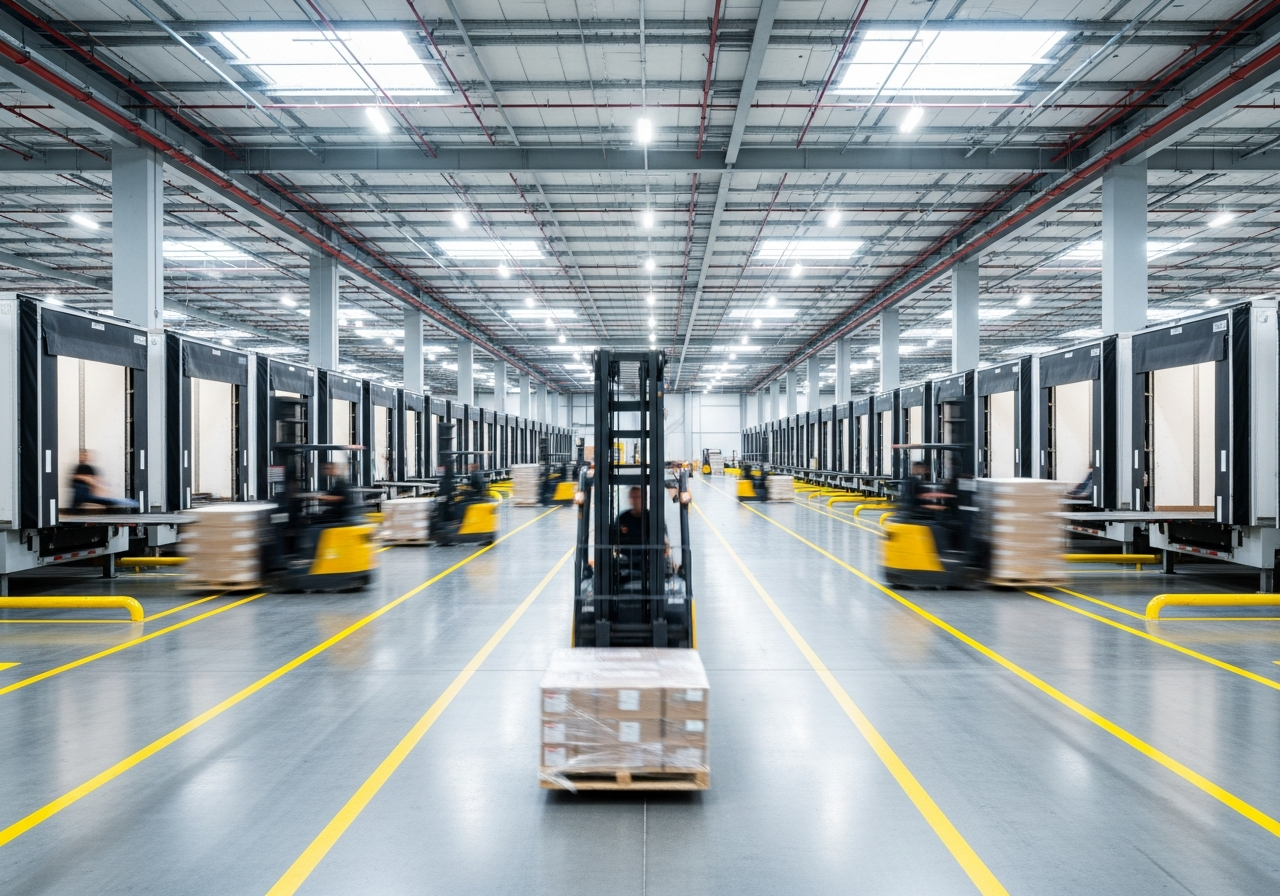
Ottawa is no longer just a government town with a quiet logistics scene. Over the last five years, the National Capital Region has evolved into one of the most strategically positioned 3PL markets in Canada — equidistant to Toronto and Montreal, with cleaner labour markets, lower industrial real-estate costs than the GTA, and direct line-haul lanes into upstate New York. For Canadian e-commerce brands shipping nationally, an Ottawa-based fulfillment partner can quietly cut two days off average delivery time and shave 9–14% off blended parcel cost compared with a single-node Toronto or Vancouver setup. This guide explains why, what to look for in an Ottawa 3PL, what real pricing looks like, and which carrier and integration capabilities actually matter.
Why Ottawa is becoming a strategic 3PL hub
For a decade, Canadian fulfillment conversation defaulted to one of two cities: Toronto or Vancouver. Toronto for population density and Amazon proximity; Vancouver for Asia-Pacific imports. Ottawa was an afterthought. That has changed for three structural reasons. First, industrial vacancy in the GTA dropped below 1.5% during the post-pandemic build-out, pushing warehouse lease rates above $20/sq ft net — versus $12–14 in the Ottawa-Gatineau industrial corridor. Second, Ottawa sits at the geographic centre of the densest e-commerce demand cluster in Canada: the Quebec City–Windsor corridor, which contains roughly 60% of the country's online shoppers. From a single Ottawa node, ground-shipped parcels reach Toronto, Montreal, Quebec City, Kingston, and most of upstate New York within one business day. Third, labour conditions in Ottawa are friendlier to consistent fulfillment operations: lower turnover, deeper bilingual talent pools, and a smaller wage premium during peak season hiring.
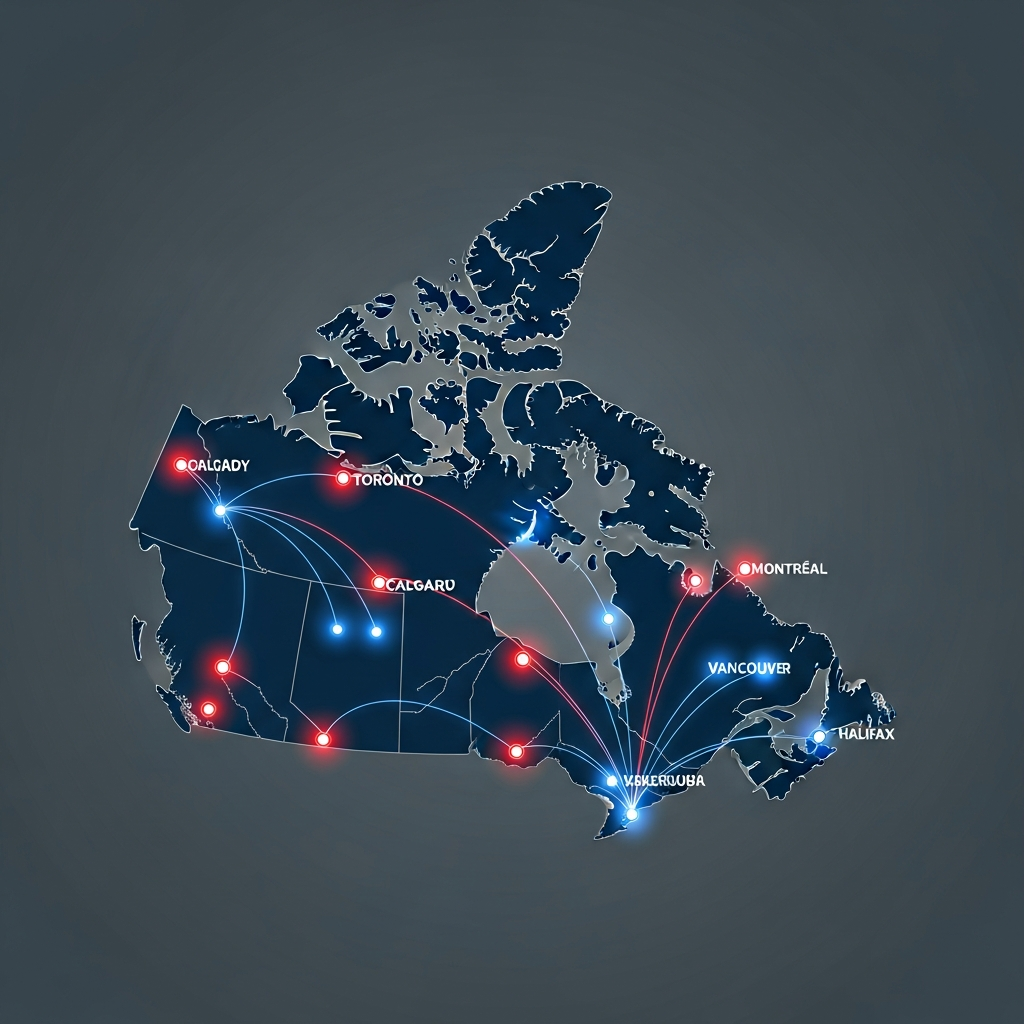 Ottawa sits at the geographic midpoint of the Quebec–Windsor corridor, where ~60% of Canadian e-commerce demand concentrates.
Ottawa's geographic advantage in numbers
When you're evaluating where to anchor your Canadian fulfillment, raw geography matters more than any glossy capability deck. From a centrally located Ottawa warehouse, an order picked by 1:00 PM ET can be ground-delivered to roughly 70% of Canadians the next business day. Ground from Ottawa to Toronto is a single transit day with every major carrier — FedEx, UPS, Canada Post, Purolator, and DHL eCommerce. Ground from Ottawa to Montreal is a half-day intra-zone lane, and Quebec City is reachable in one. The truly underrated lane, though, is southbound. Ottawa to Buffalo, Syracuse, Albany, and even Boston is a one-to-two-day truckload move via the Ogdensburg or Cornwall–Massena border crossings, opening U.S. Northeast distribution without requiring a U.S. warehouse.
- Toronto / GTA: 1 business day ground (FedEx, UPS, Purolator, Canada Post)
- Montreal: same-day or next-day ground via every major carrier
- Quebec City: 1 business day ground
- Halifax, Atlantic Canada: 2–3 business days ground
- Winnipeg: 3 business days ground via Canada Post / Purolator
- Calgary, Edmonton: 3–4 business days ground; 1–2 days air
- Vancouver: 4–5 business days ground; 1–2 days air
- U.S. Northeast (NY, MA, PA, NJ): 1–2 business days via cross-border ground
What to look for in an Ottawa 3PL
The Ottawa 3PL market includes everything from one-truck owner-operators running out of converted bays in the East End, through to established multi-node operators with bilingual customer service and SOC 2-aligned WMS platforms. Picking the right tier matters: a sub-scale 3PL is cheap until you grow past their capacity, at which point switching costs and stockouts become the most expensive part of your supply chain. The hard checks are network density, technology depth, accounting transparency, carrier rate structure, and operational maturity. Ask for shipped-on-time and order-accuracy metrics in writing, broken down by month. Ask whether their WMS is built in-house or off-the-shelf — and if off-the-shelf, which platform, since some legacy WMS products do not support the integrations modern brands need.
Rule of thumb: if a 3PL cannot send you order accuracy, on-time pick, on-time ship, and inventory accuracy KPIs from the last six months in under 24 hours, they are not measuring them.
What 3PL pricing looks like in Ottawa today
Pricing for fulfillment in Ottawa generally runs 8–12% lower than equivalent service in the GTA, primarily because of lower labour and real-estate costs. As of mid-2026, here are the bands you should expect to see from credible providers in the Ottawa-Gatineau market. Be cautious of operators quoting dramatically below these ranges — they are often subsidizing low pick-and-pack rates with hidden receiving, storage, or surcharge fees that show up on month two of the invoice. Always insist on a fully line-itemized statement of work before signing.
| Service | Typical Range (Ottawa) | What It Includes |
|---|
| Pick & pack (first item) | $2.40 – $3.20 | Pick, basic pack, label, dunnage |
| Pick & pack (each add'l item) | $0.30 – $0.55 | Per additional SKU on the same order |
| Receiving | $28 – $45 per pallet | Inbound count, putaway, ASN reconciliation |
| Storage (pallet/month) | $22 – $32 | Standard ambient, rack-stored |
| Storage (bin/month) | $0.85 – $1.40 | Small-SKU shelf storage |
| Kitting (per kit) | $0.85 – $2.50 | Per-component subscription/bundle assembly |
| Returns processing | $3.50 – $6.00 | Inspect, photograph, restock or grade |
 What 3PL pricing looks like in Ottawa today
Cross-border shipping advantages from Ottawa
One under-discussed advantage of an Ottawa fulfillment node is U.S. Northeast access. Most Canadian DTC brands eventually develop U.S. demand and face an awkward decision: open a U.S. warehouse and double their inventory, or absorb the latency of cross-border parcel shipping. Ottawa changes that calculus. The Ogdensburg–Prescott bridge and the Cornwall–Massena crossing are both within a 90-minute drayage of Ottawa, with relatively light commercial traffic compared to Niagara. From there, line-haul to a U.S. injection partner in Syracuse or Albany puts your parcels on USPS or UPS Ground Saver with one-to-two-day Northeast transit and last-mile rates often 30–40% below an equivalent shipment routed through Toronto-Buffalo. Combined with section 321 (de minimis) clearance for shipments under USD 800, an Ottawa-based 3PL can serve the U.S. East Coast for many DTC brands without a separate U.S. footprint at all. Refer to the official U.S. Customs and Border Protection guidance on Section 321 entry for the formal rules.
Industries that win with an Ottawa 3PL
Not every brand is best served from the National Capital. Heavy-density west-coast brands (anything where Vancouver is the natural import port) and brands with disproportionate Greater Toronto demand often justify a GTA-anchored operation. Where Ottawa shines: brands with bilingual French/English customer service requirements (a hard requirement for many Quebec retail accounts and increasingly relevant under Bill 96), brands with high B2B retail volume into central Canada, brands with subscription or kit-assembly economics where lower labour rates compound, and DTC brands targeting both Canadian and U.S. Northeast demand from a single inventory pool. Health and beauty, supplements, premium food and beverage, apparel, and specialty pet have all migrated meaningful fulfillment volume to Ottawa over the past three years.
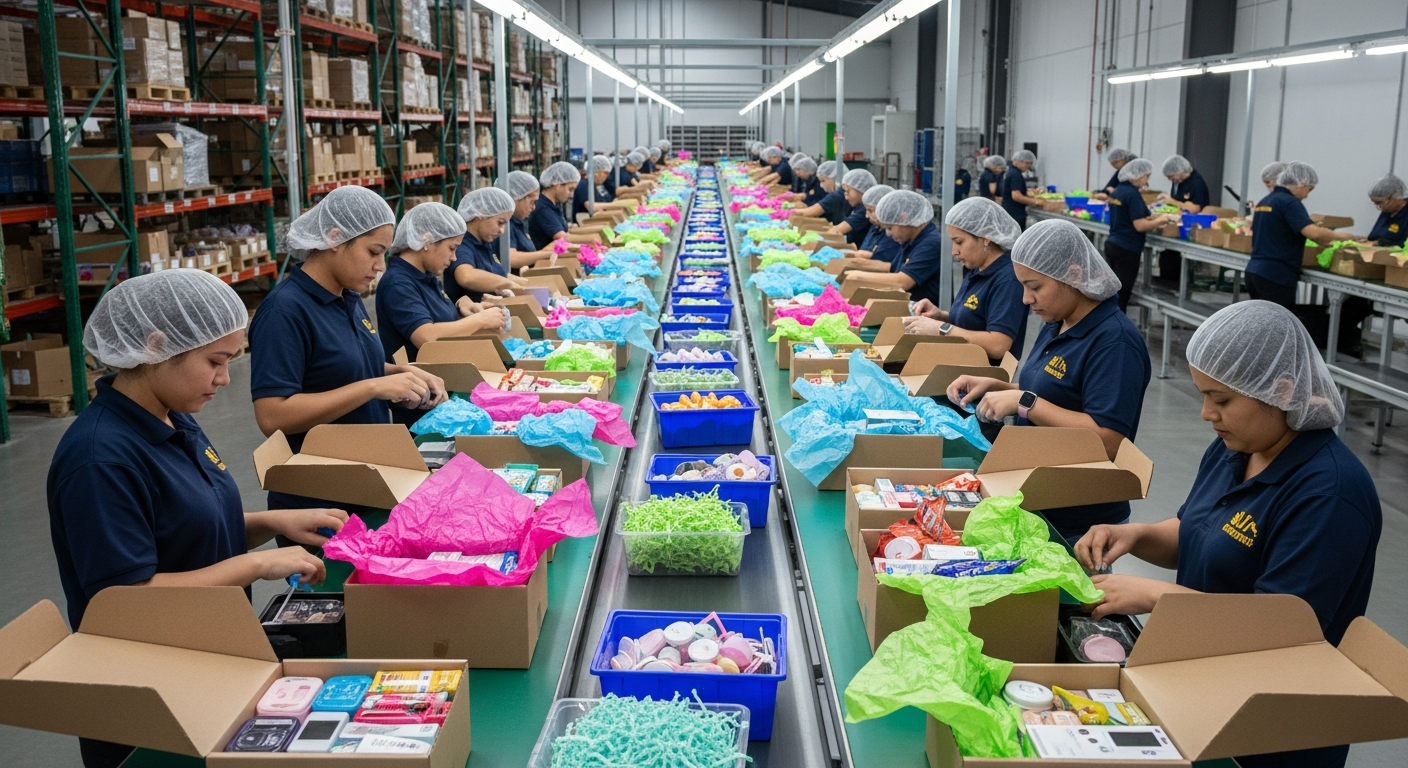 Industries that win with an Ottawa 3PL
Carrier coverage and rate-shopping from Ottawa
Every credible Ottawa 3PL should give you, at minimum, daily pickup from FedEx, UPS, Purolator, and Canada Post — plus DHL eCommerce or Intelcom for cost-optimized last-mile in dense urban Quebec and Ontario. The real differentiation isn't whether they have these carriers, but whether they actually rate-shop dynamically per parcel. Many smaller 3PLs print everything on whichever carrier they have the best rate card with, regardless of zone or service. A serious 3PL runs a multi-carrier rate engine that evaluates published rates, your negotiated discounts, dimensional weight, zone, service level, and carrier-specific surcharges in real time, then prints the cheapest viable label. Done correctly, this typically saves 11–18% versus single-carrier fulfillment. Ask any prospective Ottawa 3PL for a sample of one week's rate-shop decisions and the carrier mix it produced — they should be able to show it.
ByExpress Ottawa headquarters
ByExpress operates its national headquarters and flagship fulfillment facility in Ottawa, with a multi-tenant warehouse, in-house WMS and rate-shopping platform, and bilingual operations and customer support. The Ottawa node anchors a five-city Canadian network (Ottawa, Toronto, Montreal, Vancouver, Calgary) with a cross-border satellite in Anaheim Hills, California for U.S. West Coast injection. Brands that anchor inventory in Ottawa typically reach 95% of Canadian addresses within two business days ground — and 70% of the U.S. Northeast within two days via cross-border injection — without paying for a second warehouse footprint.
Frequently Asked Questions
How fast can I ship from Ottawa to Toronto and Montreal?
Both are next-day ground from Ottawa with FedEx, UPS, Purolator, and Canada Post on standard ground service. Montreal is often same-day for orders cut by mid-morning. There is no carrier surcharge for these lanes — they are intra-province or single-zone moves, which is part of why Ottawa fulfillment is so cost-efficient for central-Canada demand.
What's the average cost of 3PL services in Ottawa?
Expect $2.40–$3.20 for the first pick-and-pack item, $0.30–$0.55 per additional item, $22–$32 per pallet per month for ambient storage, and $28–$45 per pallet for receiving. These bands run roughly 8–12% below equivalent GTA pricing because of lower labour and lease costs in the National Capital Region.
Do Ottawa 3PLs handle bilingual customer service?
The credible ones do. Ottawa's labour pool is naturally bilingual, and most established Ottawa fulfillment providers staff customer-facing roles in both English and French — which is increasingly a hard requirement for brands selling into Quebec retail under Bill 96 and a soft expectation for any consumer-facing brand operating nationally.
Is Ottawa a good base for shipping to the U.S.?
For the U.S. Northeast, yes — and significantly so. The Ogdensburg–Prescott and Cornwall–Massena border crossings are 60–90 minutes from Ottawa and route directly into Syracuse and Albany injection partners, putting parcels on USPS or UPS Ground Saver for one-to-two-day Northeast last-mile. For U.S. West Coast volume, a separate California or Nevada injection point is more economical.
What integrations should a modern Ottawa 3PL support?
At minimum: Shopify, Amazon Seller Central, WooCommerce, BigCommerce, Walmart Marketplace, NetSuite, and Brightpearl native integrations, plus a documented REST API and webhook system for custom platforms. EDI capability (X12 850, 856, 810) is required if you sell into Canadian retail like Loblaw, Sobeys, Indigo, or Costco.
How do I switch from my current 3PL to an Ottawa-based provider?
A typical 3PL migration in Ottawa runs 6–10 weeks: contract and rate finalization, integration build-out (1–2 weeks for standard Shopify/Amazon stacks), inventory transfer planning, physical relocation across one to two weekends, and a 2-week parallel-operations period where both 3PLs are live to catch any data-sync issues. Reputable Ottawa 3PLs will run the migration as a structured project with a named onboarding lead.
Related ByExpress resources