Guide · · 11 min read
Ottawa Food & Grocery Distribution Logistics (2026)
How food and grocery distribution actually works in Ottawa — DCs, cold chain, CFIA compliance, and the realities of serving the National Capital Region.
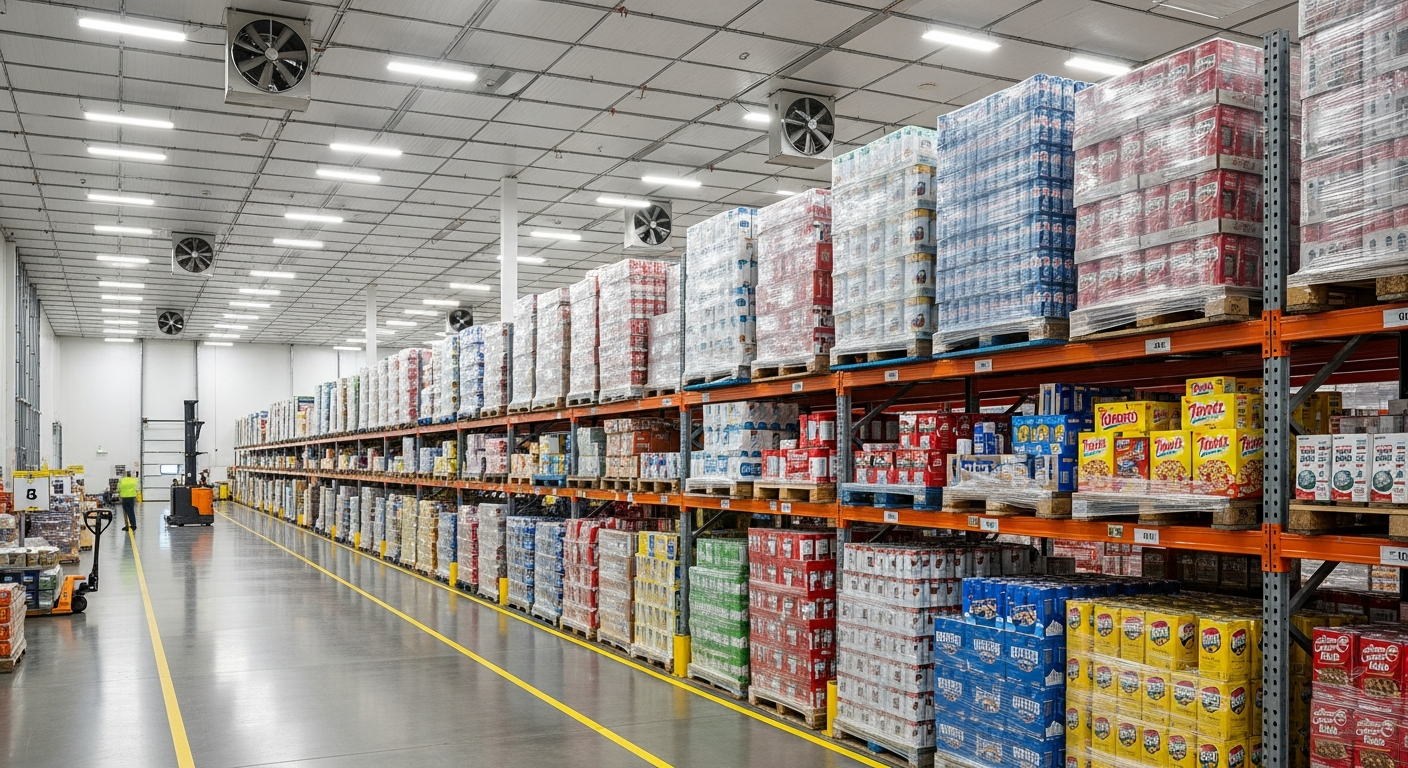
Ottawa food and grocery distribution is shaped by three forces: a large public-sector consumer base (federal government, hospitals, schools, military bases), Canada's biggest grocery chains all serving the city through regional DC networks (most located in southwestern Ontario or the GTA, with Farm Boy operating its primary DC in the Ottawa region), and CFIA-regulated temperature and traceability requirements that apply to almost every SKU. This 2026 guide walks operators through the Ottawa food-distribution landscape — who runs the DCs, what cold-chain tiers exist, what CFIA expects, and how a brand or a 3PL plans inventory, transit, and labour around the realities of serving the National Capital Region.
Who actually distributes food in Ottawa
Three layers operate in Ottawa food distribution: national grocery DCs (Loblaws/Real Canadian Superstore, Metro, Sobeys, Farm Boy, Costco, Walmart Canada Grocery), regional and specialty food distributors (Gordon Food Service, Sysco, GFS, Flanagan Foodservice for foodservice; ethnic-food specialists serving Ottawa's diverse retail base), and independent 3PLs handling overflow, peak-season, and DTC food brands. Most national chains run a southwestern-Ontario or GTA-area mother DC and supply Ottawa stores via daily linehaul; only Farm Boy (Ottawa-headquartered) and a handful of independents run a primary food DC inside the National Capital Region itself.
Cold-chain tiers and what they mean operationally
Food distribution operates across four temperature tiers, each with distinct equipment, labour, and compliance needs:
- Ambient (12–22°C): dry goods, shelf-stable, canned, packaged grocery
- Cool (8–12°C): produce holding, some bakery, confectionery
- Refrigerated (2–4°C): dairy, meat, prepared foods, fresh produce
- Frozen (–18°C or colder): frozen meat, ice cream, frozen prepared meals, ready-to-cook
A 'cold-chain' 3PL in Ottawa should be specific about which tier(s) they operate. 'Refrigerated' alone is not enough for frozen, and frozen does not validate refrigerated handling for compliance audits.
CFIA compliance: what every Ottawa food distributor must do
The Canadian Food Inspection Agency regulates food safety, traceability, and labelling for nearly every food category moving through Canadian distribution. For Ottawa distributors, the key obligations are: a documented preventive-control plan (PCP) covering hazard analysis and critical-control points; traceability one step forward and one step back through the chain; temperature monitoring and logs for all temperature-controlled inventory; allergen handling and cross-contamination prevention; and proper bilingual labelling for any product sold in Canada. CFIA conducts unannounced site inspections; gaps in temperature logs or traceability are among the most common findings.
How freight actually flows into Ottawa grocery
Each national grocery chain has its own receiving model. Loblaws operates standardized receiving windows at the Loblaws DC serving Ottawa stores, with strict appointment scheduling and OS&D protocols. Metro Ontario uses an EDI-driven appointment-booking system and increasingly mandates SSCC pallet labels and ASN compliance. Sobeys/Empire applies a similar model with regional variation. Farm Boy operates an Ottawa DC and accepts direct local-supplier deliveries on flexible windows. Costco mandates strict palletization and freight-quality standards. Walmart Canada Grocery uses the same EDI-driven approach as Walmart Canada general merchandise. For brand suppliers and 3PLs, knowing each retailer's receiving rules is the difference between on-time replenishment and chargebacks.
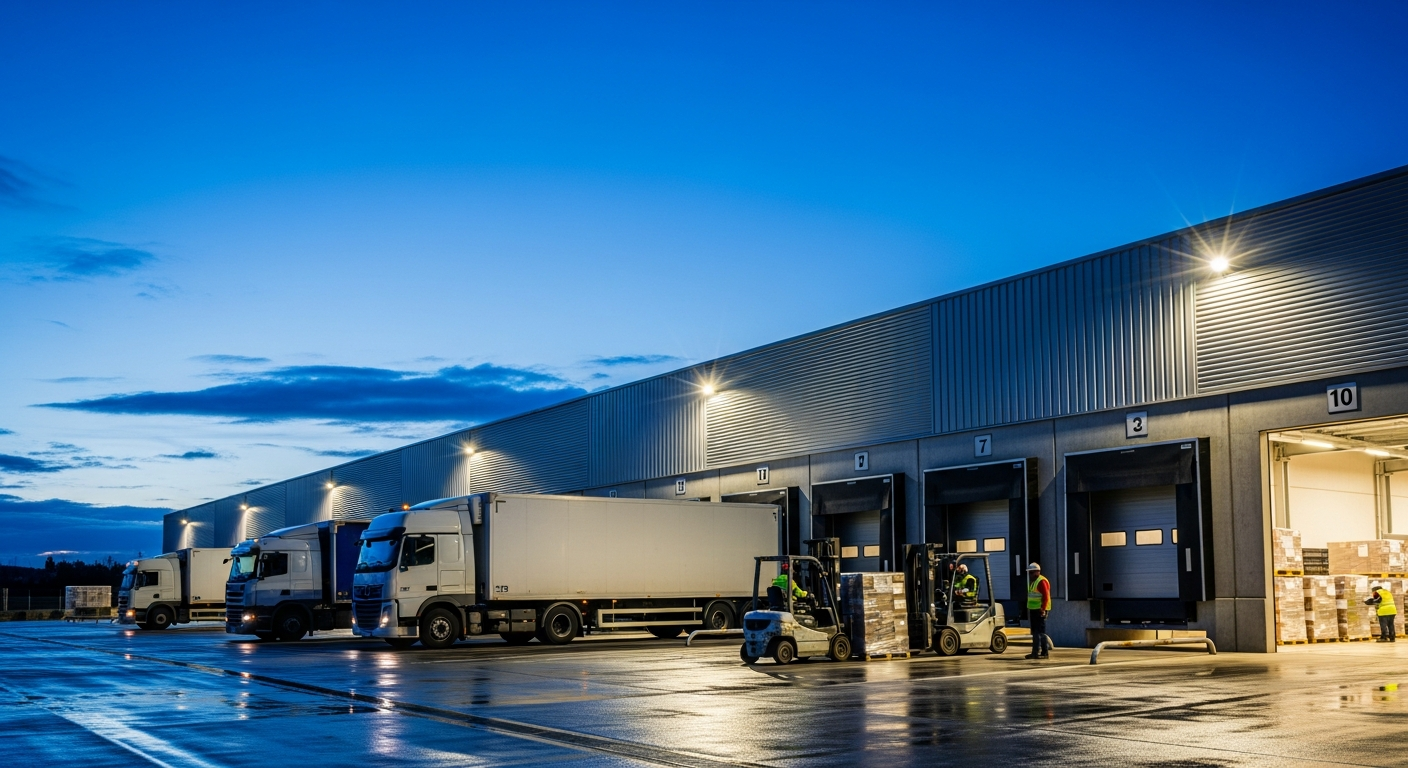 How freight actually flows into Ottawa grocery
Foodservice distribution: the parallel channel
Foodservice (restaurants, hotels, hospitals, schools, federal cafeterias) operates separately from retail grocery in Ottawa. Gordon Food Service, Sysco Canada, Flanagan Foodservice, and Bunge are the dominant national/regional foodservice distributors serving Ottawa. They run cold-chain DCs and route trucks on multi-stop daily runs to restaurant and institutional customers. Federal government cafeteria contracts, hospital food services, and school nutrition programs are particularly important foodservice channels in Ottawa because of the public-sector concentration.
DTC food and grocery e-commerce in Ottawa
Direct-to-consumer food brands (specialty coffee, meal kits, frozen prepared foods, snacks, supplements) have grown substantially as an Ottawa fulfillment category since 2022. The operational requirements differ from B2B grocery: subscription kitting, individual pick-pack at refrigerated or frozen temperature, dry-ice or gel-pack packaging for outbound parcel shipping, and same-day cutoff coordination with carriers that accept temperature-sensitive parcels (FedEx Custom Critical, Purolator Quick, ByExpress refrigerated parcel). DTC food fulfillment in Ottawa is a small but growing 3PL specialty.
Labour and equipment for Ottawa food operations
Food and grocery distribution labour in Ottawa is more demanding than general warehousing: freezer associates need cold-weather gear and shorter shift rotations, food-safety training is mandatory at hire and annually, and lift-truck certification for cold-storage forklifts is a specialty. Wages run 10–20% above general warehouse rates ($26–$36/hour all-in for freezer warehouse generalist in 2026). Equipment includes refrigerated and frozen racking, freezer-rated forklifts (battery technology different from ambient), automated temperature monitoring systems integrated to WMS, and HACCP-compliant packing stations.
Frequently Asked Questions
Who are the major food distributors in Ottawa?
National retail DCs: Loblaws, Metro, Sobeys, Farm Boy, Costco, Walmart Grocery. National foodservice: Gordon Food Service, Sysco, Flanagan. Plus independent specialty distributors and 3PLs offering overflow and DTC food fulfillment.
Does Ottawa have a Loblaws or Metro distribution centre?
Loblaws and Metro supply Ottawa stores primarily from regional DCs outside the city (Mississauga, Toronto, Quebec). Farm Boy is the largest grocery DC physically located in the Ottawa region. Several specialty food distributors operate Ottawa DCs.
What is CFIA and do I need to comply if I ship food in Ottawa?
The Canadian Food Inspection Agency regulates almost all food in Canadian commerce. Most food distributors and 3PLs handling food in Ottawa need a documented preventive-control plan, temperature logs, traceability records, and bilingual labelling. CFIA conducts site inspections.
Can I ship frozen food DTC from Ottawa?
Yes. Specialty 3PLs in Ottawa offer frozen DTC fulfillment with gel-pack or dry-ice packaging and carrier partners (FedEx Custom Critical, Purolator Quick, etc.) that handle temperature-sensitive parcels. Same-day cutoff and 2-day-max transit window are typical.
What's the difference between refrigerated and frozen 3PL in Ottawa?
Refrigerated (2–4°C) and frozen (–18°C or colder) require different equipment, racking, forklifts, labour training, and CFIA compliance documentation. A 3PL that handles refrigerated does not automatically handle frozen.
Related ByExpress resources