Guide · · 10 min read
Ottawa Refrigerated & Cold-Chain Distribution (2026)
Refrigerated and frozen distribution in Ottawa — operators, temperature tiers, CFIA/Health Canada compliance, and the operational realities of cold chain.
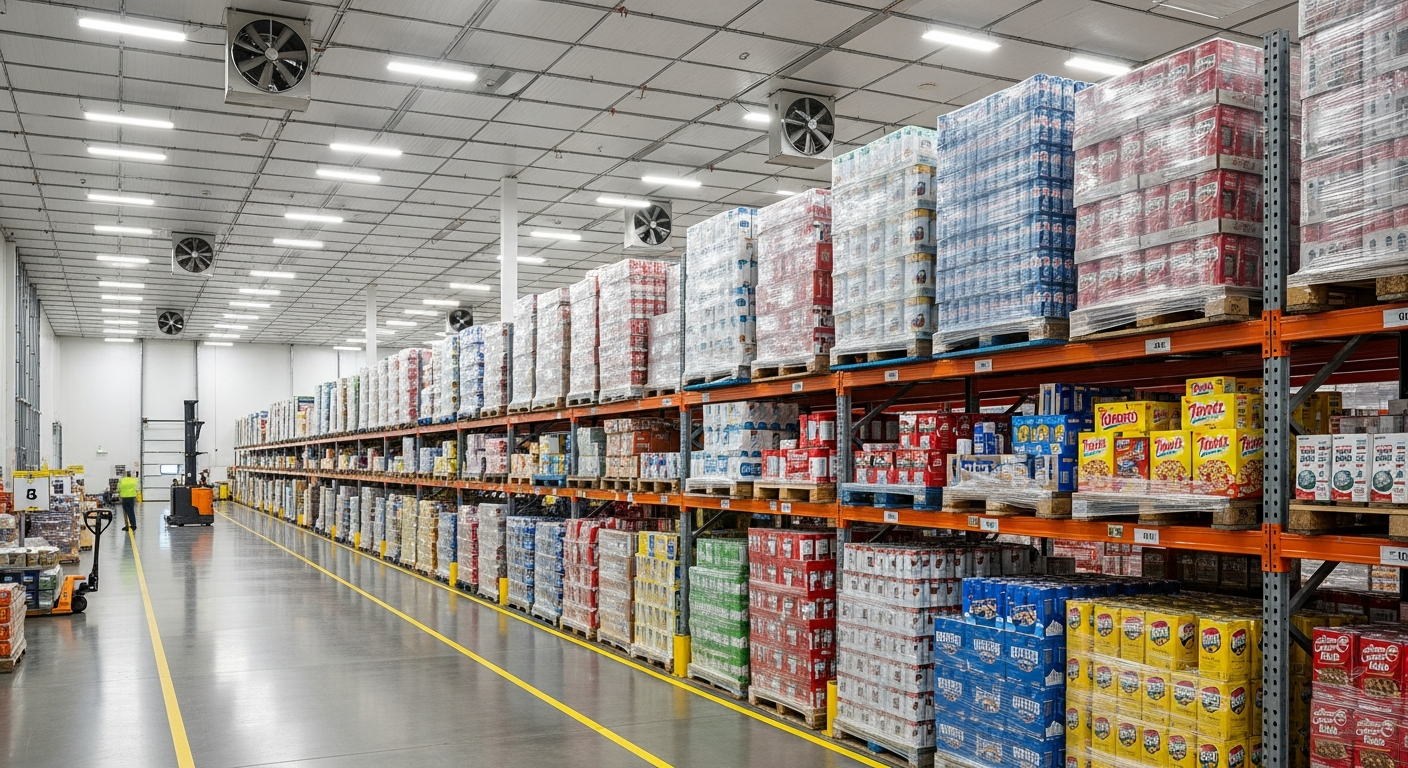
Cold-chain distribution in Ottawa serves three primary categories: food (refrigerated and frozen grocery, DTC food brands, foodservice), pharma (biologics, vaccines, prescription products at GDP-compliant temperature ranges), and specialty (specialty chemicals, biological samples, some research applications). Each category has distinct temperature tiers, compliance frameworks, equipment requirements, and operator skills. This 2026 guide walks through the cold-chain landscape in Ottawa with practical detail.
Cold-chain temperature tiers
Cold-chain operates across distinct temperature tiers, each with specific equipment and compliance needs:
- Cool ambient (12–18°C) — chocolate, some pharmaceuticals, sensitive electronics
- Cool (8–12°C) — produce holding, some bakery, confectionery
- Refrigerated (2–8°C) — dairy, meat, fresh prepared, pharma biologics
- Frozen (–18 to –25°C) — frozen food, ice cream, frozen prepared meals
- Deep frozen (–70°C or below) — specialty pharma, biological samples, vaccines
Compliance: CFIA for food, Health Canada for pharma
Food cold-chain compliance in Canada is governed primarily by CFIA under the Safe Food for Canadians Regulations, requiring documented preventive-control plans, temperature monitoring, traceability, and recall procedures. Pharma cold-chain compliance falls under Health Canada GDP requirements with stricter validation, continuous monitoring, and excursion-handling protocols. Specialty applications (research samples, certain chemicals) may fall under additional frameworks (CFIA biological imports, Public Health Agency of Canada for some applications).
Cold-chain equipment and infrastructure
Real cold-chain operations require: temperature-zoned storage rooms with validated temperature management; calibrated and monitored temperature loggers with alarm-out capability; freezer-rated forklifts (battery technology differs from ambient); insulated dock doors with air-curtain or seal protection; emergency-power backup for refrigeration systems; insulated shippers and gel packs / phase-change materials for outbound parcel; refrigerated trucking partners with temperature-monitored trailers; and documented validation studies for each storage and shipping configuration.
Cold-chain operators in the Ottawa region
Three operator categories handle cold-chain in Ottawa. National food distributors (Loblaws, Metro, Sobeys, Farm Boy, Gordon Food Service, Sysco) run their own cold-chain DCs for in-network supply. Specialty cold-chain 3PLs operate multi-tenant facilities for brand clients with refrigerated and frozen capacity. Pharma-grade GDP 3PLs operate validated facilities under Health Canada compliance for prescription pharma and biologics. Ottawa has fewer dedicated cold-chain 3PLs than the GTA but enough to serve mid-market demand.
Cold-chain outbound: parcel, LTL, and specialty
Cold-chain outbound shipping options from Ottawa include: insulated parcel with gel pack or phase-change material (typical 24-48 hour cold maintenance, suitable for next-day Eastern Canadian delivery); insulated parcel with dry ice (for frozen, longer hold time, IATA hazmat handling required); refrigerated LTL with temperature-monitored trailers; refrigerated FTL with full-trailer temperature management; and specialty courier services for ultra-temperature pharma (validated cold-chain couriers with documented temperature traces).
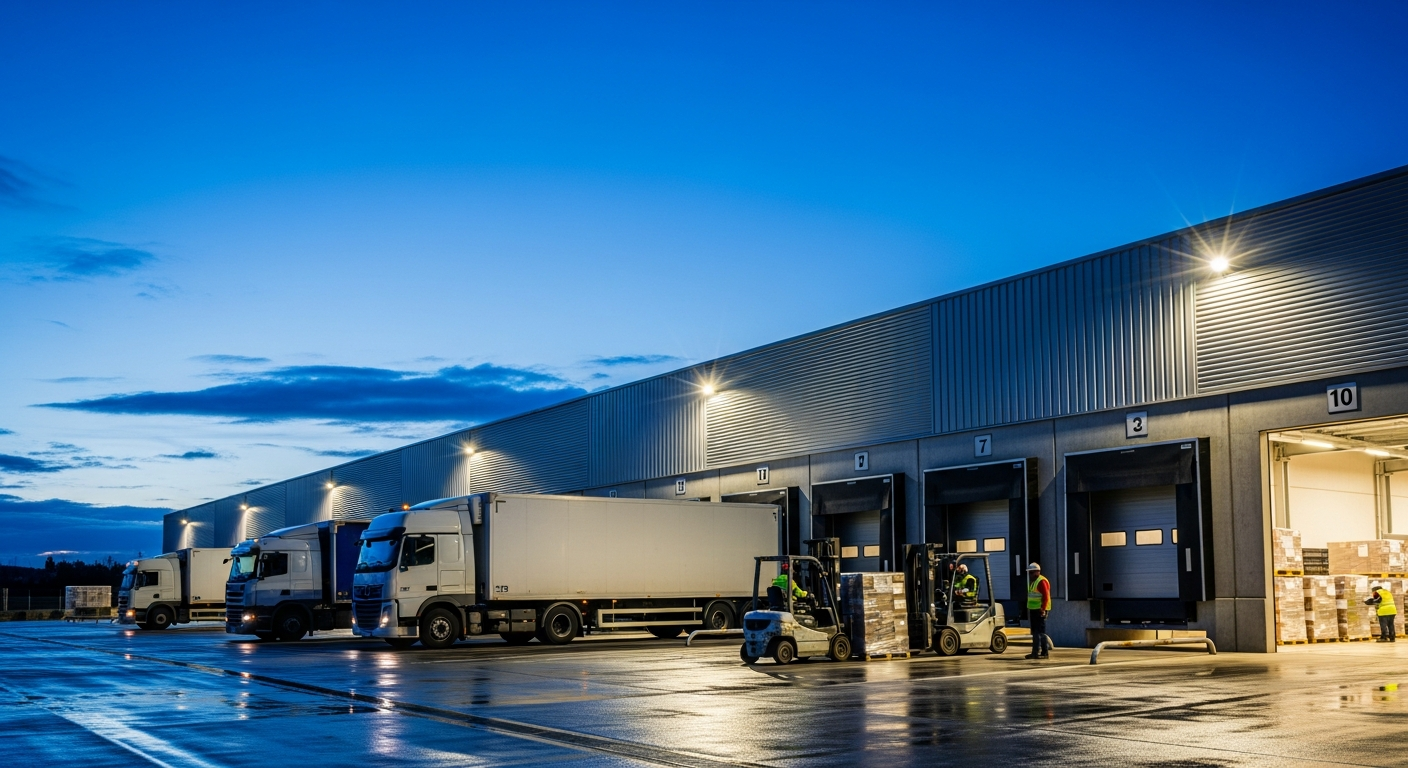 Cold-chain outbound: parcel, LTL, and specialty
Frequently Asked Questions
What is the difference between refrigerated and frozen 3PL?
Refrigerated typically means 2-8°C (dairy, fresh meat, biologics). Frozen typically means -18°C or colder (frozen food, ice cream). Different equipment, different forklifts, different labour training, different compliance documentation.
Can an Ottawa 3PL handle frozen DTC e-commerce?
Yes — specialty operators in Ottawa offer frozen DTC fulfillment with dry-ice or gel-pack outbound packaging and carrier partners (FedEx Custom Critical, Purolator Quick) that handle temperature-sensitive parcels. 2-day max transit window is typical.
What temperature compliance do I need for food cold chain?
CFIA under the Safe Food for Canadians Regulations requires a preventive control plan, documented temperature monitoring, traceability one step forward and back, and recall procedures. Site inspections occur without warning.
How do I ship pharma cold chain from Ottawa?
Through a GDP-compliant 3PL with validated cold-chain shippers, continuous temperature monitoring, documented excursion handling, and integration with cold-chain couriers. Required for prescription pharma; recommended for high-value biologics.
Related ByExpress resources