Guide · · 10 min read
Ottawa Transportation & Freight Forwarding (2026)
Transportation and freight forwarding in Ottawa — modes, carriers, cross-border flow, and what a real freight provider looks like in 2026.
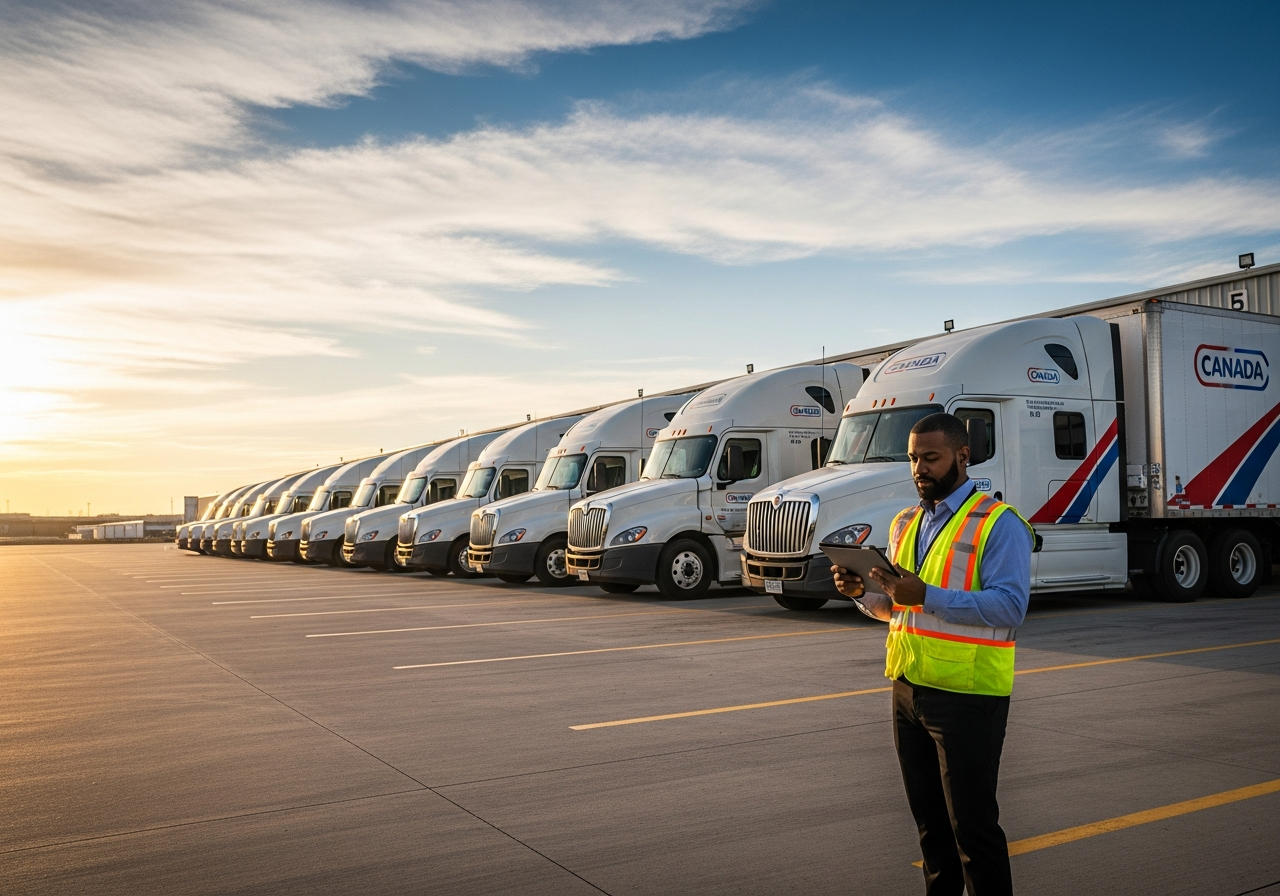
Transportation and freight forwarding are the movement layer of the supply chain — distinct from warehousing and fulfillment. In Ottawa, the transportation provider universe spans LTL and FTL trucking, parcel and courier networks, rail intermodal partners, air freight via YOW or YYZ, ocean freight via Montreal or Halifax ports, and customs brokers handling cross-border and international clearance. This 2026 guide walks through each mode, the typical use case, and what to expect from a real Ottawa freight forwarder.
Freight modes available from Ottawa
Five primary freight modes operate from Ottawa, each with distinct use cases and economics:
- Truck (LTL and FTL) — primary mode for domestic and US cross-border under 53′
- Parcel and courier — small-package networks (Canada Post, Purolator, FedEx, UPS, regional)
- Rail intermodal — long-haul Canadian and US transcontinental via CN/CP
- Air freight — express international and domestic time-critical via YOW or YYZ
- Ocean freight — international containers via Port of Montreal (primary) or Halifax
Trucking from Ottawa: LTL, FTL, and the carrier landscape
Truck is the dominant mode for almost all Ottawa-originating freight. Major LTL carriers serving Ottawa with daily linehauls include Day & Ross, Manitoulin, Polaris, Bison, Kindersley, TFI International (Manitoulin, Vitran), and ByExpress. FTL providers operate both asset-based fleets and brokered capacity. For volume shippers, dedicated daily linehaul slots on common Ottawa lanes (Toronto, Montreal, Cornwall, US Northeast) often produce 15-25% rate improvement over published LTL.
Parcel and courier from Ottawa
Ottawa is well-served by all major parcel networks. Canada Post operates the largest residential network with rural reach unmatched by privates. Purolator (a Canada Post subsidiary) is the strongest B2B express network in Canada. FedEx Canada and UPS Canada compete strongly on guaranteed delivery and US cross-border. Regional couriers handle same-day Ottawa-Gatineau and Eastern Ontario. A good Ottawa freight strategy uses 3-5 of these networks rate-shopped at the order level rather than committing all volume to one.
Rail intermodal: when it makes sense
Rail intermodal is genuinely competitive for long-haul moves from Ottawa, particularly to Vancouver, Calgary, and US transcontinental destinations. CN and CP both serve the corridor. Typical economics: 25-40% cheaper than single-driver truck for 53-foot equivalent, at the cost of 1-3 days of additional transit and drayage at both ends. Use rail for non-urgent palletized freight where 7+ days of inventory cover absorbs the extra transit. Avoid rail for partials, temperature-controlled, or time-critical.
Air and ocean freight from Ottawa
Air freight ex-Ottawa: YOW operates limited international cargo capacity (most international air freight from Ottawa flows through Pearson YYZ via truck connection). Express courier (FedEx, UPS, DHL) handles guaranteed international air for small packages. For palletized international air, most Ottawa freight forwarders route through YYZ. Ocean freight from Ottawa: containers move by truck or rail to Port of Montreal (closest deep-water port, 200 km, primary route for European and Asian containers) or Halifax for European-origin freight. Most Ottawa freight forwarders maintain NVOCC relationships and operate as the booking layer for client containers.
 Air and ocean freight from Ottawa
Customs brokerage and cross-border
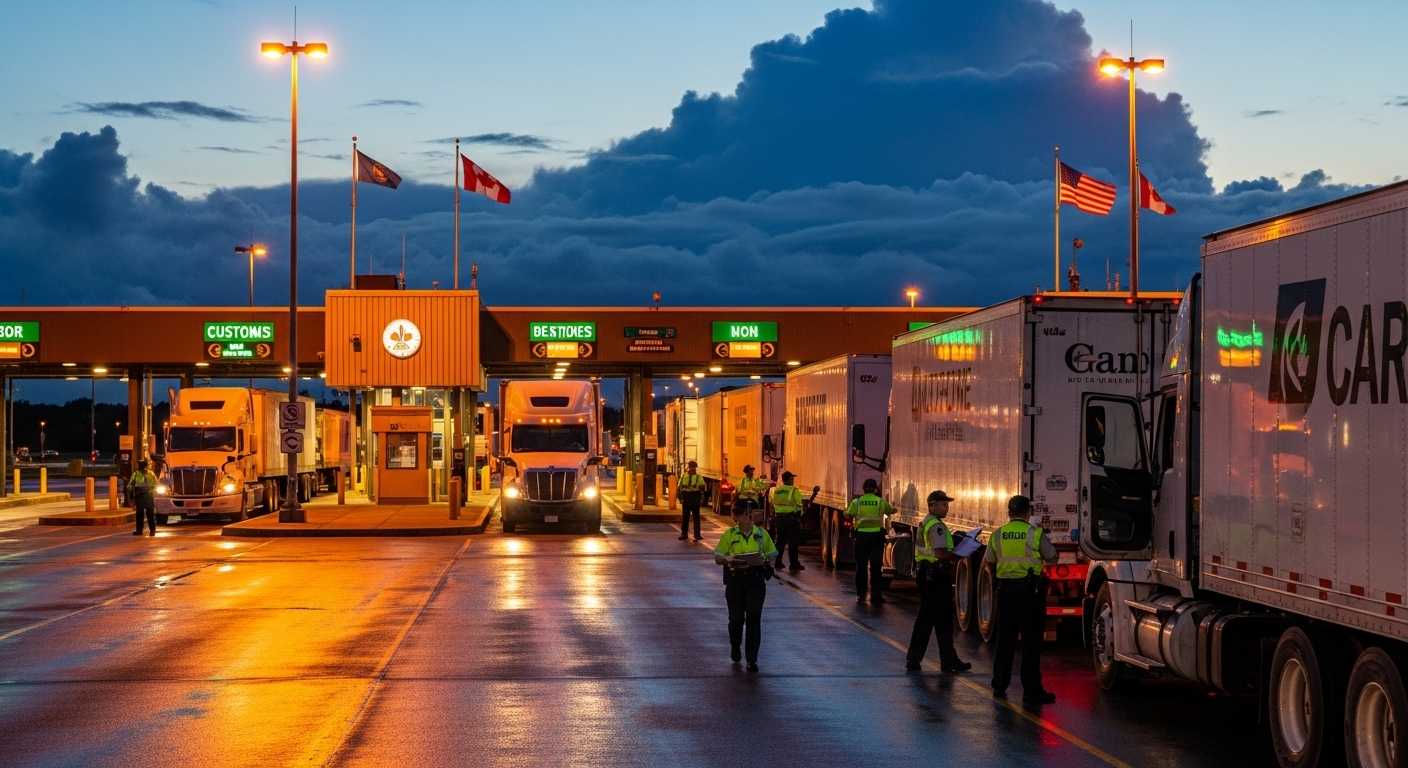
Cross-border freight (Canada-US in either direction, plus international imports) requires customs brokerage. Ottawa-area customs brokers handle clearance for trucks transiting the Ogdensburg, Cornwall, and Lansdowne border crossings, plus air and ocean shipments routing through Pearson, Mirabel, Montreal, or Halifax. For DTC e-commerce brands, Section 321 de minimis at $800 USD covers most US-bound consumer parcels with simplified clearance. For commercial entries above the threshold, formal entry with a US broker is required.
Frequently Asked Questions
What's the difference between transportation and freight forwarding?
Transportation is the physical movement of goods (the truck, rail, plane, or ship). Freight forwarding is the management and coordination of transportation — booking, documentation, customs, tracking, and problem-solving across modes. A freight forwarder is the orchestrator; a carrier is the operator.
Who are the major LTL carriers serving Ottawa?
Day & Ross, Manitoulin, Polaris, Bison, Kindersley, TFI International, and ByExpress all operate daily Ottawa linehauls. Volume shippers often negotiate dedicated lane pricing for 15-25% rate improvement.
Should I use rail intermodal from Ottawa?
For long-haul palletized non-urgent freight (Vancouver, Calgary, US transcontinental), yes — 25-40% cheaper than truck at the cost of 1-3 extra transit days. For partials, time-critical, or temperature-controlled, stick with truck.
Is there international air cargo from Ottawa airport?
Limited. YOW operates some international cargo capacity but most international air freight from Ottawa routes through Pearson YYZ via truck connection. Express couriers handle guaranteed international air for small packages directly.
Related ByExpress resources