Guide · · 9 min read
Ottawa LTL Freight Guide (2026)
LTL freight in Ottawa — what it is, how it prices, which carriers serve which lanes, and the accessorial fees that catch new shippers off-guard.
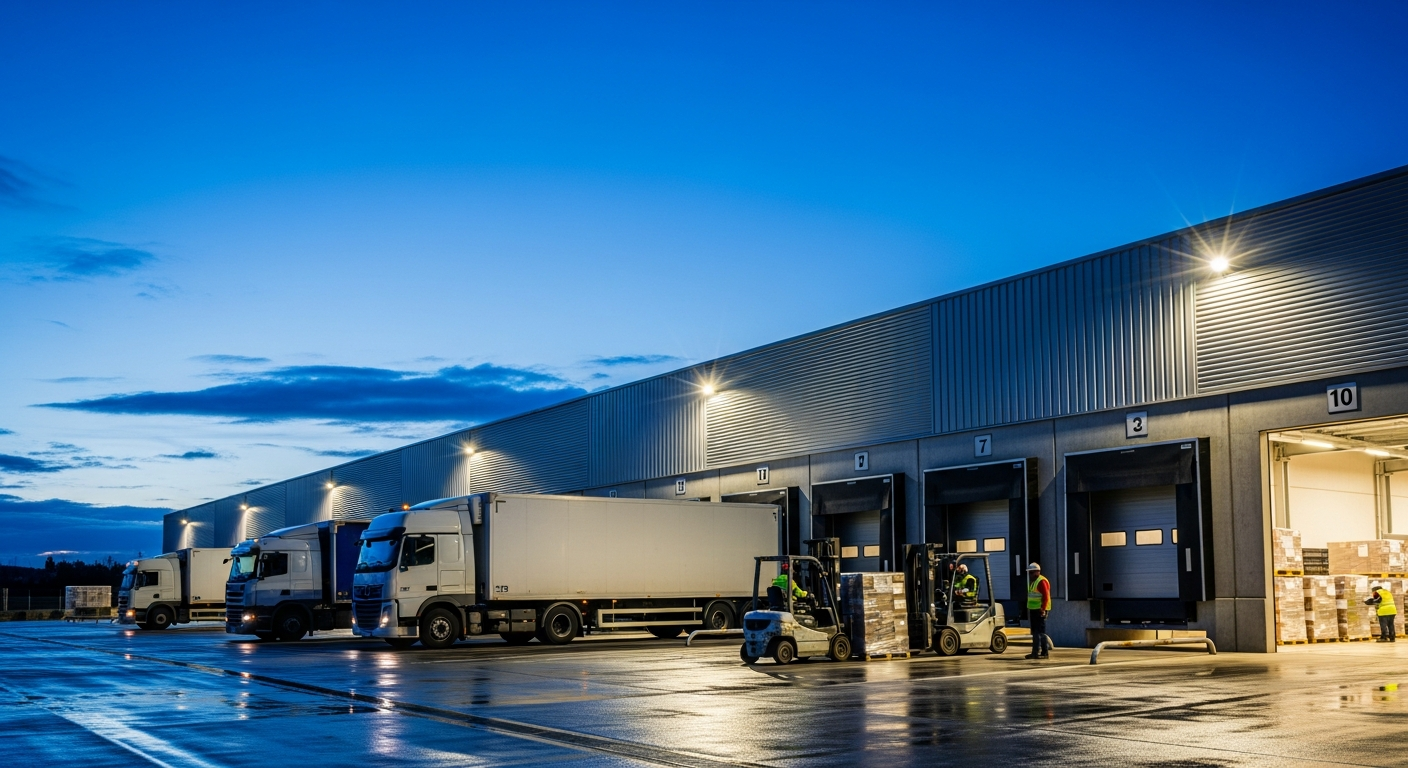
LTL (Less-Than-Truckload) freight is the standard mode for shipping 1-10 pallets that don't fill a 53-foot trailer. In Ottawa, LTL is a competitive market with multiple national and regional carriers running daily linehauls to all major Canadian and US Northeast destinations. But LTL pricing is famously opaque — base rates, fuel surcharges, accessorial fees, and class-based weight calculations interact in ways that catch new shippers. This 2026 guide explains how Ottawa LTL actually prices and how to ship it efficiently.
What LTL is and when it makes sense
LTL freight combines shipments from multiple shippers in a single trailer, with each shipment paying a portion of the linehaul cost. The freight typically moves through one or two consolidation terminals between origin and destination — picked up locally, sorted at a terminal, linehauled to a destination-region terminal, and delivered locally. LTL is the right mode for: 1-10 pallets (above that, FTL is usually cheaper per pallet); non-time-critical (LTL transit is 1-2 days longer than direct); freight that can tolerate consolidation handling (terminal touches add damage risk).
How LTL pricing actually works in 2026
LTL rates combine multiple factors: base linehaul rate (lane-specific); freight class (1-500, lower class = denser/cheaper); weight (pricing tiers at common breakpoints); fuel surcharge (typically 22-28% in 2026, fluctuates monthly); accessorial fees (residential delivery, lift-gate, inside delivery, appointment, etc.); and minimum charges (every shipment pays at least the minimum regardless of size). Real all-in pricing on the same physical pallet can vary 40-60% between carriers depending on lane density, contract pricing, and accessorial application.
Freight class and density-based pricing
NMFC (National Motor Freight Classification) assigns each commodity a freight class from 50 (densest, cheapest per pound) to 500 (lightest, most expensive per pound). Class is based primarily on density (pounds per cubic foot), with adjustments for handling, value, and stowability. Modern carriers increasingly use density-based pricing that calculates class from actual dimensional weight. Getting class right matters: misclassification can result in carrier reclassification with retroactive charges of 50-200% above original quote.
Accessorial fees: where rates get inflated
Accessorial fees are charges for services beyond standard dock-to-dock delivery. Common Ottawa LTL accessorials in 2026:
- Residential delivery: $85–$165
- Lift-gate at delivery: $95–$185
- Inside delivery: $125–$285
- Appointment delivery: $55–$125
- Reconsignment / address change: $85–$165
- Limited access delivery (school, military base, etc.): $95–$225
- Notification of arrival: $25–$55
Ottawa LTL carrier landscape
Major LTL carriers with daily Ottawa linehauls in 2026 include Day & Ross, Manitoulin Transport, Polaris Transportation, Bison Transport, Kindersley Transport, TFI International (operating multiple brands), Vitran, ByExpress, and regional operators. National coverage and lane density differ — Day & Ross and Manitoulin have particularly strong Eastern Canadian coverage; Polaris and Bison have strong Western coverage; ByExpress focuses on Eastern Ontario and Ottawa-centric lanes with bilingual operations.
How to ship Ottawa LTL efficiently
Five practical optimizations: rate-shop across 3-5 carriers (rates vary 40-60% on identical shipments); negotiate annual contract rates for predictable volume (15-25% off published rates); consolidate shipments into fewer larger pallets to reduce minimum-charge exposure; tender shipments outside peak windows (Friday afternoon, Monday morning have premium rates on most lanes); accurately classify and dimension at booking to avoid reclassification charges.
Frequently Asked Questions
What is LTL freight?
Less-Than-Truckload — freight shipments that don't fill a full 53-foot trailer (typically 1-10 pallets) and are consolidated with other shippers' freight for transit. Standard mode for palletized commercial freight.
How much does LTL cost from Ottawa?
One pallet to Toronto: $185-$245 pre-fuel surcharge. One pallet to Montreal: $135-$185. Cross-Canada lanes scale by distance. Fuel surcharge adds 22-28% in 2026. Accessorials can add $50-$300 per shipment.
When should I switch from LTL to FTL?
Generally at 8-10 pallets or 12,000 lb. Above that, FTL is usually cheaper per pallet and avoids consolidation damage. For recurring weekly shippers, dedicated lane pricing on either LTL or FTL beats published rates by 15-25%.
What's freight class?
NMFC classification from 50 (densest, cheapest) to 500 (lightest, most expensive per pound). Based primarily on density with handling, value, and stowability adjustments. Misclassification can trigger retroactive reclassification charges of 50-200%.
Related ByExpress resources