Guide · · 13 min read
Packaging EPR in Canada: Fulfillment Data and Warehouse Readiness
Packaging extended producer responsibility is a shared data and operating challenge. Learn what EPR means, how Canadian rules vary, and what brands and 3PLs should document.
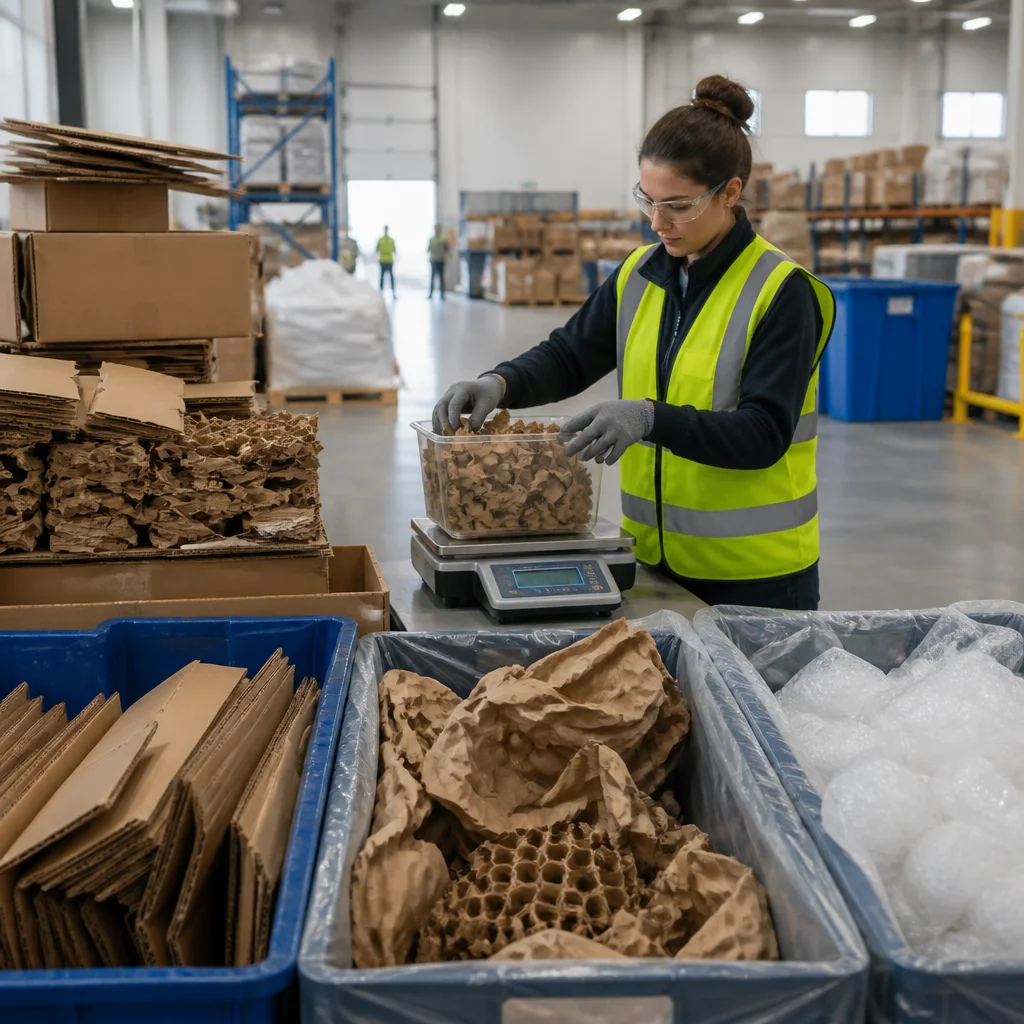
Packaging extended producer responsibility (EPR) makes an obligated producer responsible for specified packaging after it enters the market, often through registration, reporting and financing requirements. Canada does not have one national packaging EPR rule with identical coverage: provinces and territories can differ in scope, definitions, obligated parties, deadlines and program administration. ByExpress Logistics can help a brand organize fulfillment records and warehouse controls, but it cannot determine legal obligation or replace provincial guidance. The practical starting point is a defensible packaging dataset tied to products, markets, suppliers and shipment events. Verify current requirements with the relevant authority or program before filing. A useful readiness project joins the packaging bill of materials to the order and destination record, then preserves the assumptions behind every conversion. That approach helps a reporting owner answer basic questions about what was supplied, where it went and why the reported quantity changed. It also gives warehouse staff a clear method for escalating substitutions instead of hiding them in a broad packaging category. Review the process whenever a vendor changes carton specifications or pack instructions and exceptions.
Five steps to packaging EPR warehouse readiness
Use this sequence to turn packaging activity into reviewable data.
- Map markets: List Canadian destinations, channels and possible producer roles.
- Build the BOM: Identify relevant packaging components, materials, weights and sources.
- Capture usage: Link approved pack recipes, substitutions and consumption to orders.
- Reconcile: Compare usage with purchasing, inventory and shipment records.
- Verify and file: Have the responsible party confirm each program’s rules before reporting.
Reliable fulfillment data supports EPR review, but it does not replace jurisdiction-specific confirmation.What does packaging EPR mean in Canada?
Packaging EPR shifts some end-of-life responsibility from municipalities and taxpayers toward producers that introduce covered packaging into a market. Depending on the jurisdiction, a producer may be a brand owner, first importer, manufacturer, retailer, franchisor or another defined party. EPR is therefore a governance and data question before it is a warehouse project: identify the responsible entity, the covered material, the relevant destination and the reporting period. That definition should be documented for each channel, because a direct-to-consumer order, wholesale case and marketplace transaction may involve different supply-chain parties.
The phrase “producer responsibility” does not by itself answer whether a particular product or shipment is covered. Rules can distinguish primary, grouped and transport packaging, household and non-household packaging, supplied and empty packaging, or packaging supplied in a particular province. Treat this article as an operating framework, not legal or environmental advice. Confirm definitions, thresholds, exemptions and filing dates with the applicable provincial or territorial source. Keep a dated record of that confirmation so a future warehouse operator can understand the basis of the decision.
Why do packaging EPR requirements vary by province and territory?
Canadian packaging programs are implemented through jurisdiction-specific legislation, regulations and approved organizations rather than a single uniform national program. A brand selling online may reach customers in several jurisdictions, each with different terminology, material categories and producer tests. A warehouse location alone does not establish the reporting footprint; the destination and supply chain role may matter. A change in fulfillment geography can change which records are available even when the product and carton remain identical.
Build a jurisdiction matrix with columns for market, covered packaging, producer definition, registration or reporting route, period, deadline, evidence and owner. Mark every cell “verify” until an authoritative source confirms it. Environment and Climate Change Canada provides federal information about plastics and pollution, while provincial agencies and approved producer organizations publish operational requirements. Current program pages should control over an old spreadsheet or a generalized industry summary. Assign one person to monitor revisions and record the date and URL used in each review.
Who may be responsible for packaging EPR?
Responsibility commonly follows the party that supplies or imports packaging, but the exact legal test varies. A Canadian brand owner, a retailer, a marketplace seller, an importer of record and an overseas manufacturer can have different roles for the same carton. A contract allocating payment or data work may help operations without changing a statutory definition. Ask counsel or the program administrator to confirm the producer for each selling model.
Create a responsibility map for private-label goods, marketplace orders, drop-shipped orders, imported finished goods and locally purchased packaging. Record brand, importer, seller, fulfillment provider and destination. The 3PL should not silently assume that it is the obligated producer merely because it stores or ships inventory. Conversely, a contract should not be used to assume that a brand has no obligation without checking the relevant rule. Revisit the map whenever ownership, importer-of-record status, packaging design or customer geography changes.
What packaging data should a fulfillment team collect?
A useful packaging bill of materials identifies each component by product or order configuration: material family, specific format, weight, unit of measure, recycled or compostable claim if relevant, supplier, whether it is product or transport packaging, and whether it is supplied to a customer or removed in the warehouse. Include mailers, cartons, paper void fill, labels, tape, protective film, pallets and other components only where the applicable program covers them.
Record the source and confidence of every value. Weigh representative production units with a calibrated process, preserve supplier specifications, and document assumptions for variable packaging. A default carton weight may be useful for provisional planning but should be labelled as an estimate. Keep packaging versions and effective dates so a later report can explain why a SKU changed from one material or weight to another.
How can a warehouse capture reliable packaging weights?
Start at receiving and pack-station design. Link packaging SKUs to purchase orders, supplier documents and approved packaging specifications. At packing, capture the order configuration or packaging recipe rather than guessing from the outer carton alone. If the warehouse does not weigh every shipment, use an approved sampling method and reconcile samples against actual packaging consumption. The method must be documented well enough for another person to reproduce it.
Separate inventory consumption from customer shipment volume. A roll of tape bought in a month may not all be used on reportable orders, while packaging discarded during assembly may still require treatment under a program’s rules. Cycle-count packaging supplies, investigate negative or implausible usage, and record adjustments with a reason. ByExpress can coordinate warehouse data fields and exception workflows; the brand remains responsible for confirming what the report must contain.
What should a 3PL do for packaging EPR readiness?
A 3PL’s operational role is to make packaging events visible and controlled: maintain packaging SKU records, preserve receipts and specifications, map pack recipes, report consumption, flag substitutions and retain shipment or destination data agreed in the statement of work. It can also segregate reusable, damaged or obsolete packaging and provide an audit trail for corrections.
A 3PL should not present warehouse records as a legal determination, certify a material’s environmental claim without evidence, or file on a client’s behalf unless the engagement expressly includes that work and the necessary authority. Define data ownership, retention, cut-off dates, corrections, confidentiality and the format of monthly or annual extracts. Ask whether the provider reports actual consumption, estimated usage, purchasing, or a mixture; those are not interchangeable measures.
Which controls make packaging EPR data reviewable?
Use a controlled master list with a unique packaging identifier, description, material classification, weight, source, effective date, supplier and approval status. Require a change request when a pack-out, vendor or material changes. At period close, reconcile packaging purchased, opening and closing inventory, warehouse consumption, known scrap and shipment activity. Investigate differences instead of forcing the numbers to balance through an unexplained adjustment.
A review checklist should test units, conversions, duplicate SKUs, missing weights, province mapping, product substitutions and the distinction between packaging supplied and packaging removed. Preserve calculation logic and the source file used for each submission. If the program’s methodology is unclear, record the question and seek confirmation. Do not convert uncertainty into a precise number merely because a spreadsheet requires one.
| Control | Evidence to retain | Owner to confirm |
|---|
| Material identity | Supplier specification and approved classification | Brand and program adviser |
| Weight | Scale record, sample method or dated specification | Warehouse and brand |
| Destination | Order or shipment destination extract | Commerce and fulfillment teams |
| Change | Packaging change request and effective date | Packaging owner |
| Reconciliation | Period close workbook and exceptions | Reporting owner |
How should a brand implement a Canadian packaging EPR workplan?
Begin with a discovery inventory of products, packaging, selling channels, import flows and Canadian destinations. Next, have a qualified reviewer map possible obligations by jurisdiction. Then normalize the packaging bill of materials, test warehouse capture on representative orders, and compare the resulting dataset with purchasing and inventory records. Only after those steps should the reporting owner finalize a submission process.
Review the dataset after packaging redesigns, new marketplaces, new provinces, acquisitions and fulfillment changes. Keep a short assumptions register that states what is known, estimated, excluded or awaiting confirmation. This makes the next review faster and prevents an old interpretation from becoming an invisible policy. For current provincial contacts and program instructions, use official sources linked below; confirm their status as requirements can change.
Frequently Asked Questions
Is packaging EPR a single national Canadian rule?
No. Packaging EPR requirements can vary by province or territory, including covered materials, producer definitions, registration routes and deadlines. A seller should map its markets and verify each applicable program with an authoritative source.
Is a 3PL automatically responsible for packaging EPR?
No. Storage and fulfillment activity does not automatically determine the statutory producer. The 3PL can supply operational data, while the brand or another party must confirm responsibility under the applicable jurisdiction and contract.
What packaging weight should a fulfillment centre record?
Record a verified weight for each relevant packaging component or approved packaging recipe, with units, source and effective date. Estimates can support planning but should be labelled and replaced or validated when reporting rules require reliable values.
Does packaging purchased equal packaging reported?
Not necessarily. Purchases, warehouse consumption, customer-supplied packaging and packaging removed before shipment may be treated differently. Reconcile these streams and confirm the program’s prescribed basis before reporting.
What should a brand do when a material classification is uncertain?
Keep the item in an exception register, preserve its specification and ask the applicable program or qualified adviser for a determination. Do not infer coverage or recyclability from a marketing label alone.
Can ByExpress file a packaging EPR report?
ByExpress can be engaged to organize fulfillment records and packaging-consumption data, but filing authority and scope must be confirmed in the service agreement. Brands should verify legal responsibility and current program requirements independently.
Related ByExpress resources