Guide · · 13 min read
French-Language Fulfillment in Quebec: Packaging and Order Data Controls
French-language readiness in Quebec is an operational data-control project. Map product content from the master record to packaging, pick instructions, inserts and customer service, then verify current legal requirements.
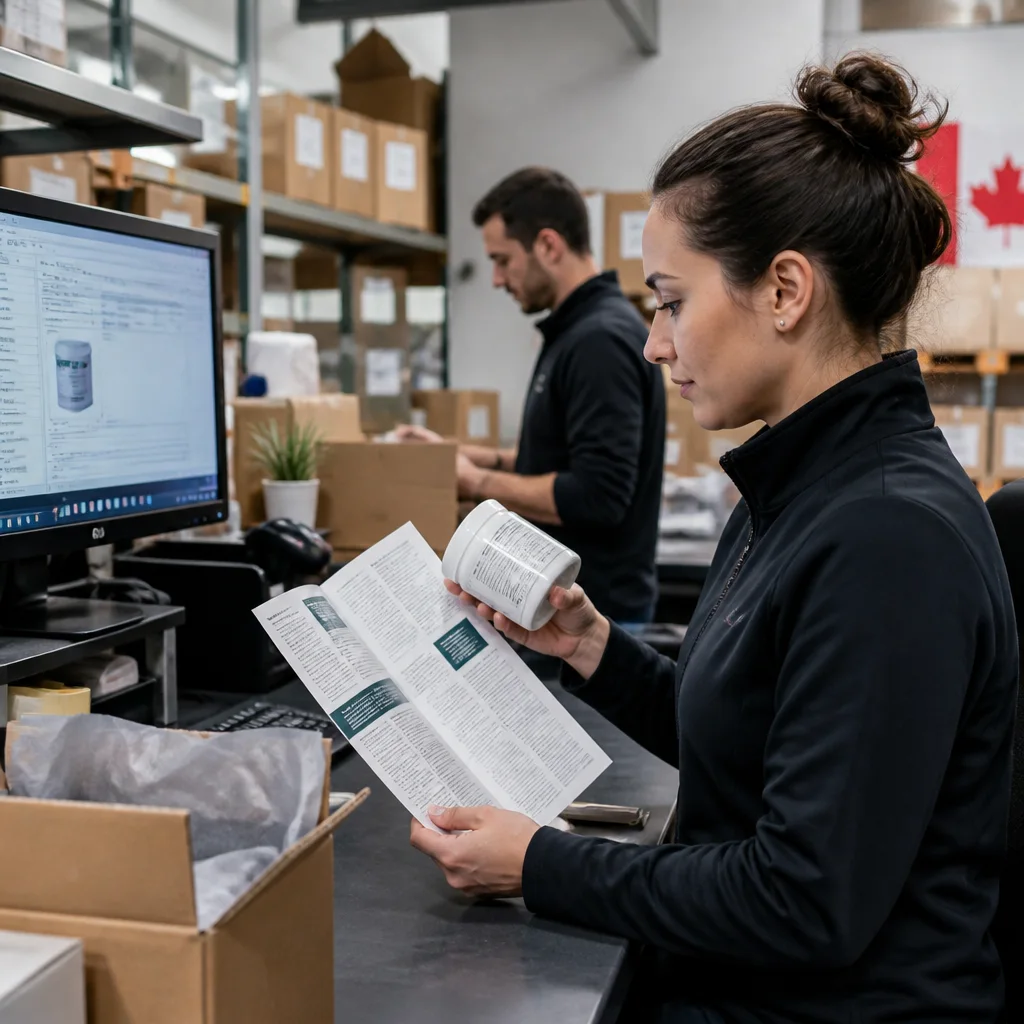
French-language fulfillment in Quebec means controlling the words customers encounter across a product record, package, pick screen, packing slip, insert, tracking message and support workflow. ByExpress Logistics offers this operational framework for brands and 3PL teams; it is not a legal opinion and it is distinct from a general Montreal bilingual-warehouse overview. Quebec statutes, regulations, administrative guidance and case interpretations can change. Have counsel or the Office québécois de la langue française (OQLF) guidance reviewed for your products, channels and dates before approving a compliance position.
Five gates for Quebec French fulfillment readiness
Move an asset forward only when its owner and version are clear.
- Map: List product, package, warehouse, insert, message and support touchpoints.
- Translate: Create French content without overwriting the source record.
- Review: Obtain language, product and legal review appropriate to the risk.
- Configure: Connect approved versions to SKU, locale and pick-pack rules.
- Test and monitor: Inspect real orders, log defects and re-review on change.
French readiness is a traceable content-and-order workflow, not a single translated label.What does French-language fulfillment in Quebec include?
The scope is broader than translating a carton. A customer may see a product title before purchase, instructions after opening, a return message, a shipping notification and a response from support. The warehouse may also expose French or bilingual pick descriptions, hazard or handling text, packing-slip fields and insert content. Map each touchpoint by SKU, order type, customer location and communication channel before deciding what needs translation or review.
Separate operational readiness from legal interpretation. Operations can make source text identifiable, versioned and available at the right station. A qualified reviewer must determine what Quebec law requires for a particular product, commercial document, trademark, warranty, software interface or advertising context. The Charter of the French language and current OQLF resources are useful starting points, but a web summary should not replace advice on a specific fact pattern.
How should French product data be managed in the item master?
Create named fields for French product name, short description, long description, variant attributes, dimensions, care instructions, warnings, included components and country-specific copy. Do not overwrite the source-language field or rely on a free-text note. Each value should carry a status such as draft, translated, reviewed, approved, retired or not applicable, plus owner, version and effective date. The 3PL should receive only the approved fields needed for its workflow.
Use SKU, variant and packaging-version identifiers to prevent a translation approved for one size or formula from appearing on another. Keep accents and punctuation intact, and test search, label rendering and character limits in the warehouse system. If a term is uncertain, flag it for review rather than inventing a literal equivalent. Product claims, warnings and technical instructions need subject-matter review; a translator alone may not be the right approver.
| Data layer | Operational control | Approval question |
|---|
| Product master | Versioned French fields linked to SKU | Who approved meaning and claims? |
| Packaging | Artwork revision and lot trace | Does the physical pack match the approved file? |
| Warehouse | French pick and pack descriptors | Can staff identify the correct variant? |
| Customer message | Locale rule and template version | Does the order receive the intended language? |
| Support | Script, glossary and escalation | Who handles an unresolved language issue? |
How can packaging and labels be controlled for Quebec orders?
Treat packaging artwork as a controlled production asset. Store the approved French or bilingual file, revision number, dimensions, print method, supplier and effective date. At receiving, record the packaging version when it matters to traceability. At pick and pack, compare the item and version to the order rule rather than assuming that a French-facing website means every physical unit is approved for every market.
A translation check should examine prominence, placement, legibility, product identity, instructions, warnings and any claims, not only individual words. Packaging space, symbols and variable data can change meaning. The warehouse can reject a visibly wrong or obsolete pack under a documented quality procedure, but it should escalate legal interpretation. Keep samples or photographs with the batch or packaging revision when practical so an investigation can establish what was actually shipped.
What should French-language pick and pack instructions contain?
Pick instructions should identify the exact SKU, variant, quantity, lot or serial rule and any approved language-specific packing requirement. If similar products have different French packaging, use a clear visual or system control in addition to text. Pack instructions should identify the correct insert, document, accessory and destination rule. Avoid asking a picker to translate on the fly or select a document from an unlabelled stack.
Train staff on the workflow, not on legal conclusions. A concise station guide can explain how to scan a product, verify packaging revision, select the locale-specific insert and record an exception. Include a stop condition for unreadable, missing, contradictory or obsolete text. The 3PL and merchant should agree who supplies translations, who approves changes and how urgent updates reach the floor. A translated instruction that never reaches the station is not an effective control.
How should inserts, slips and order documents be localized?
List every paper or digital document that can travel with a Quebec order: packing slip, return instruction, warranty card, care guide, promotional insert, subscription notice and QR-linked content. Give each template a locale rule, revision and expiry or review date. A French insert should not direct the customer to an English-only process unless that language experience has been deliberately reviewed and is appropriate for the intended audience.
Keep transactional data separate from approved editorial copy. Customer name, address and order lines come from the commerce system; headings, instructions and promotional text come from controlled templates. Test accents, truncation, line wrapping, QR destinations and printer output on the real stock. If one order contains several products with conflicting insert rules, define a priority rule and document whether the packer uses one consolidated document or several item-specific documents.
How should order and customer-service language rules work?
Use an explicit locale decision based on the customer’s selected language, destination, account preference and channel policy rather than guessing from a name or postal code. Store the decision with the order and pass it to the warehouse and communication systems. A Quebec destination can require careful handling, but geography alone may not answer every question about the customer’s language preference or the applicable obligation.
The same locale should flow through confirmation, fulfillment status, delay notice, delivery message, return authorization and refund communication. Support agents need approved French terminology and a route for questions about product wording. Automated fallbacks should be visible and reviewed, not silently switch a customer to an unintended language. The September 21, 2026 Canada Post announcement about pricing, discounts and ecommerce solutions does not establish a merchant’s discount eligibility or exact savings; verify those terms with Canada Post before using them in an order workflow.
Which quality checks catch language and fulfillment defects?
Use a release checklist that tests both meaning and execution. Sample the product master, artwork, physical package, pick screen, insert, packing slip and outbound message as one order journey. Compare the rendered output with the approved version and record SKU, lot or packaging revision. A translation can be linguistically correct while still being attached to the wrong variant, clipped by a printer or omitted from the shipment.
Track defects by source: missing translation, stale version, wrong locale, wrong SKU, print quality, system truncation, picker selection, supplier artwork or customer-service template. Review counts by orders inspected and distinguish a confirmed defect from a suspected one. Do not claim a defect rate without a defined sample and denominator. Quarantine questionable stock when the potential impact is material, and let the merchant’s quality or legal owner decide the disposition.
How should a Quebec fulfillment launch or audit be staged?
Start with an inventory of SKUs and customer journeys, then rank products by volume, packaging complexity, claims, regulated characteristics and expected Quebec demand. Build a content matrix showing English source, French translation, reviewer, packaging revision, warehouse asset, communication template and evidence. A pilot should include ordinary orders, variants, returns, split shipments, backorders and at least one exception so the process is tested beyond the happy path.
Before launch, reconcile approved files to what the 3PL can actually print, pick and pack. Run a controlled order, inspect the physical shipment, test a customer-service contact and verify the return path. Set a re-review trigger for formula, packaging, supplier, product claim, statute, OQLF guidance, system or channel changes. The audit owner should be able to show what was approved on a date, not merely say that a translation exists. ByExpress can coordinate warehouse and fulfillment workflows around the client’s approved content, while the client retains responsibility for product and legal determinations. Include a failed-test scenario: an obsolete insert, a clipped accent, a missing French field and a customer who changes language preference after ordering. Record whether the system stops, routes for review or continues with a documented exception. That evidence reveals whether the control is dependable under pressure, when manual workarounds are most likely to enter the process. Keep the test order evidence with the release record.
Frequently Asked Questions
Does a Quebec order always require every fulfillment document to be in French?
The answer depends on the document, product, transaction and current Quebec requirements. Map the customer journey and have current statutes, regulations or OQLF guidance reviewed for the specific case; do not infer the rule from a generic bilingual template. Record the review date and the exact source used.
Can a 3PL translate product packaging for a merchant?
A 3PL can support controlled fulfillment and may coordinate approved assets, but the merchant should define who translates, who reviews claims and who authorizes artwork. Warehouse staff should not create unapproved translations during picking. The approval record should identify the responsible reviewer.
How do I prevent the wrong French insert from shipping?
Link each insert to SKU, variant, locale rule and revision, then require a scan or controlled pick location and inspect representative orders. Quarantine missing, obsolete or contradictory inserts instead of substituting from an unlabelled stock.
Should Quebec language be selected from the shipping postal code?
Postal code can be one input, but it should not be the only automatic decision. Use the merchant’s documented language and channel policy, record the result on the order, and provide a reviewed exception path.
What should happen when the French copy is uncertain?
Hold the affected asset or order when appropriate, identify the exact uncertainty, and send it to the merchant’s qualified language or legal reviewer. Do not solve a compliance question through an improvised literal translation.
How often should French fulfillment content be reviewed?
Review it on a defined schedule and whenever a product, formula, package, supplier, system, channel, statute or official guidance changes. The right interval depends on risk; retain version and approval evidence for each release.
Related ByExpress resources