Guide · · 11 min read
What Is Reverse Logistics, and Why Is It Becoming So Important?
Reverse logistics — the movement of goods back from the customer through returns, refurbishment, restocking, and disposition — has shifted from a back-office afterthought to a strategic function that directly affects margin, sustainability, and customer loyalty. Here is what Canadian brands need to understand about building a reverse logistics operation that recovers value instead of destroying it.
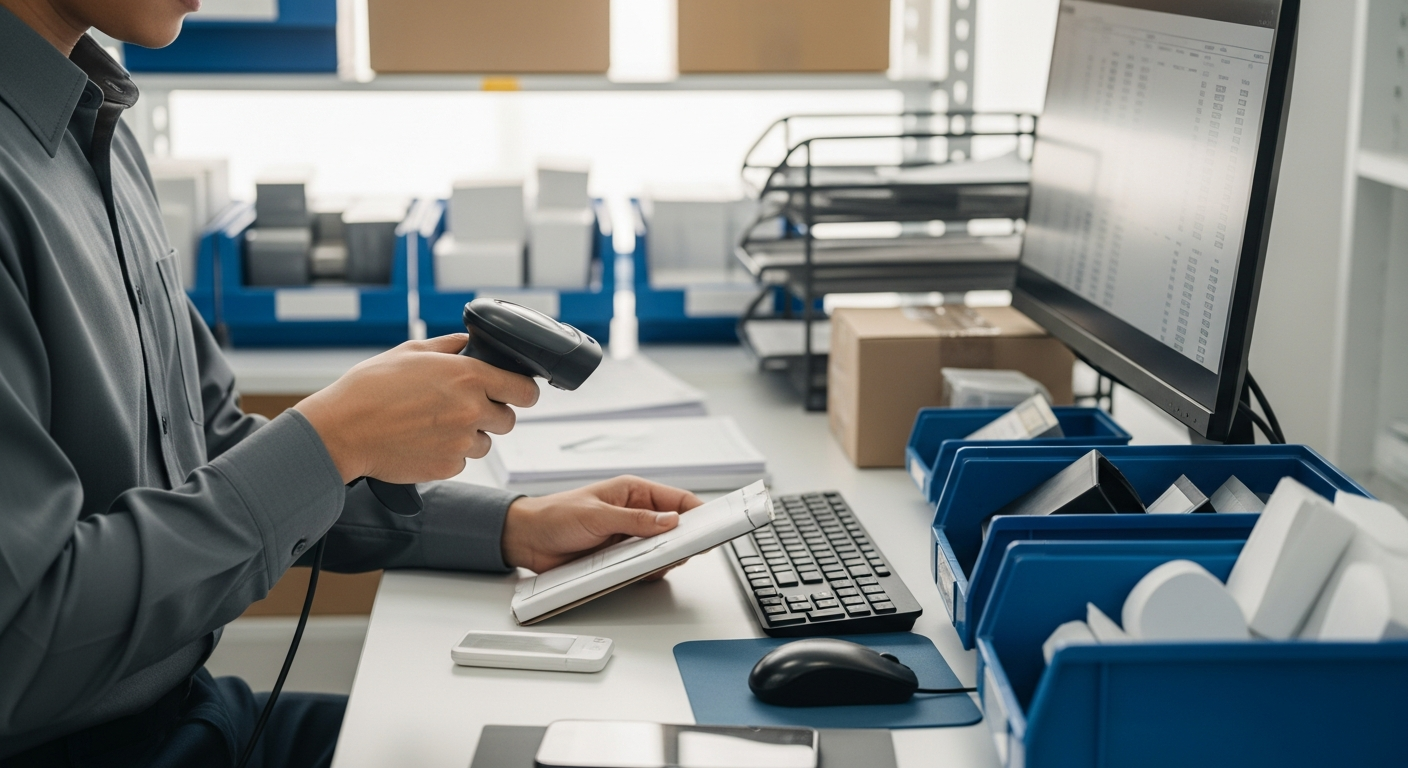
For most of the history of Canadian e-commerce, returns were treated as a cost of doing business — a leaky bucket that operations teams tried to minimize but never really managed. That view no longer holds. As return rates on many online categories climbed and as sustainability, cost pressure, and customer expectations converged, the flow of goods back from the customer became a function worth managing deliberately. Reverse logistics is the discipline of doing exactly that: handling every step a product takes on its journey back — from the moment a customer requests a return, through inspection, refurbishment, restocking, resale, recycling, or disposal. Done poorly, it quietly erodes margin and frustrates customers. Done well, it recovers meaningful value, keeps inventory available for resale, and turns a painful moment in the customer relationship into a reason to buy again. This guide explains what reverse logistics actually involves, why it is becoming so important for Canadian brands in 2026, and how a structured operation reduces the true cost of returns.
What reverse logistics actually means
Forward logistics moves a product from supplier to warehouse to customer. Reverse logistics moves it in the opposite direction and covers everything that happens once a customer decides to send something back. It is broader than the return itself. A complete reverse logistics operation includes return authorization and labelling, transportation of the item back to a facility, receiving and inspection, grading the item's condition, and then a disposition decision: restock as new, refurbish and resell, liquidate through a secondary channel, donate, recycle, or dispose. It also includes warranty returns, recalls, end-of-life product take-back, and the handling of damaged or defective goods from retail partners. The defining feature is that the value and condition of each returned unit is uncertain until it is inspected — which is exactly why reverse logistics needs its own process rather than being bolted onto forward operations.
- Return initiation — authorization, reason capture, and label generation
- Inbound transportation — getting the item back to a facility efficiently
- Receiving and inspection — verifying contents and grading condition
- Disposition — restock, refurbish, liquidate, donate, recycle, or dispose
- Inventory and financial reconciliation — updating stock and issuing refunds or credits
Why it is becoming so important
Several forces have pushed reverse logistics up the priority list for Canadian brands. Online return rates are structurally higher than in-store rates, and in categories like apparel, footwear, and consumer electronics they can be a large share of gross sales. Every returned unit that is not recovered and resold represents a lost margin twice — once on the original sale and again on the replacement inventory that has to be produced or purchased. At the same time, customers increasingly treat a brand's return experience as part of the purchase decision; a slow, confusing, or costly return process suppresses repeat purchases. Sustainability expectations add another layer: sending returned goods to landfill is both wasteful and increasingly visible to environmentally conscious Canadian consumers. Finally, cost pressure across the supply chain means finance teams are scrutinizing the fully loaded cost of returns for the first time — and discovering it is much larger than the refund amount alone.
The refund is only the visible cost of a return. The hidden costs — return shipping, inspection labour, refurbishment, lost resale value, and inventory written off — often exceed the refund itself. Reverse logistics is the discipline of shrinking that hidden cost.
The true cost of a return
To manage reverse logistics well, you first have to see the full cost of a return rather than just the refund. A single returned item can accumulate charges across shipping, handling, and value loss well before it is back on the shelf as sellable stock. The table below breaks down where cost accumulates and where a well-designed reverse logistics process can recover value. The exact figures vary widely by product category, unit value, and return reason, so treat these as directional rather than precise — but the pattern holds: the cost of doing nothing structured is almost always higher than the cost of managing the flow.
| Cost / Recovery Stage | What Drives It | Where a Process Helps |
|---|
| Return shipping | Distance, weight, carrier, prepaid labels | Consolidation and regional facility placement |
| Receiving & inspection | Labour to open, verify, and grade each unit | Standardized inspection and grading rules |
| Refurbishment / repackaging | Cleaning, testing, new packaging, relabelling | Fast, consistent refurb turns items back to sellable |
| Restocking | Putaway and system update to make item available | Speed here directly recovers resale value |
| Value loss / write-off | Items graded unsellable or held too long | Clear disposition rules minimize write-offs |
| Refund / credit processing | Finance time and refund float | Automation shortens the cycle and improves trust |
Returns processing: the operational core
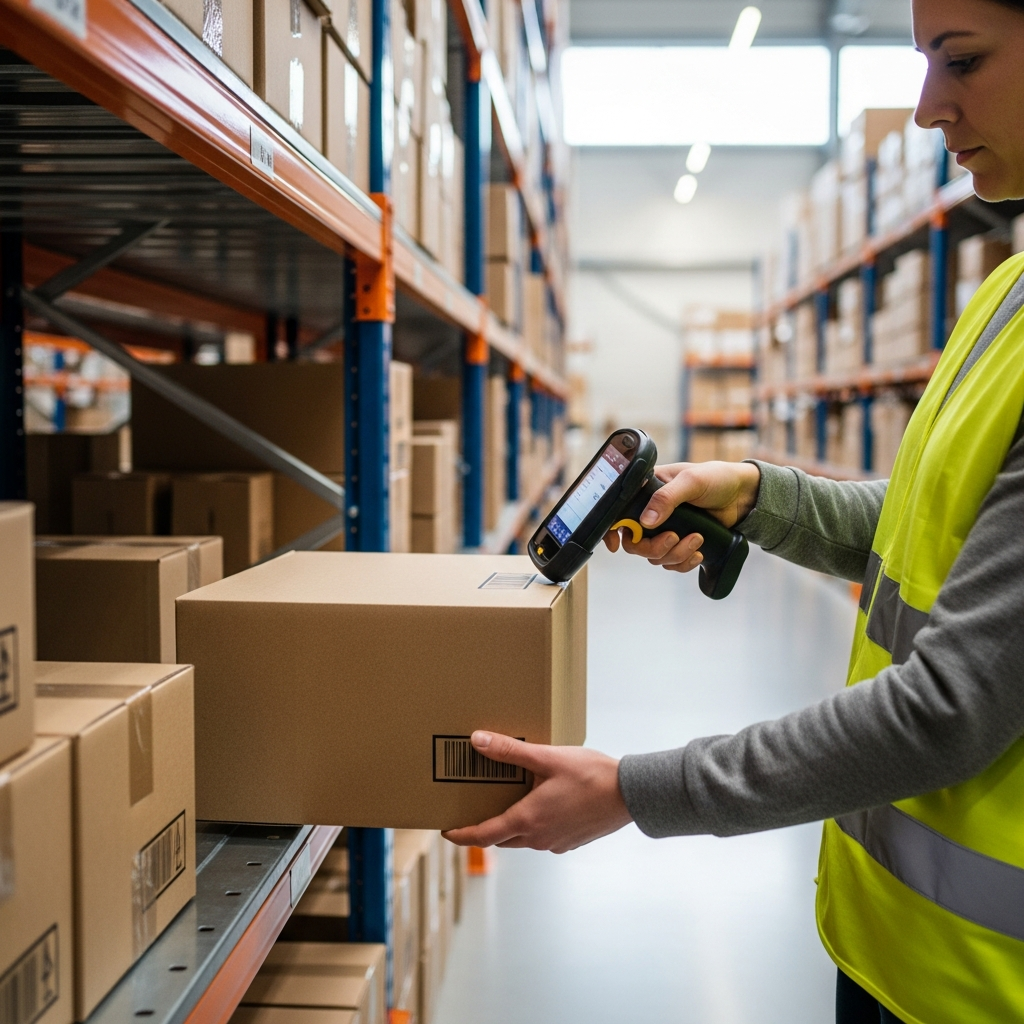
The heart of reverse logistics is a disciplined returns processing operation. When a returned parcel arrives, it needs to be scanned against its return authorization, opened, and inspected against a consistent standard. Speed matters here more than most brands realize: the longer a returned item sits ungraded, the more its resale value decays, especially in seasonal or fashion-driven categories. A good operation grades each unit into clear condition tiers — sellable as new, sellable as open-box, needs refurbishment, or unsellable — and routes it immediately to the right destination. It captures the return reason accurately, because return-reason data is one of the most valuable feedback loops a brand has: it surfaces sizing problems, misleading product descriptions, packaging failures, and quality defects long before they show up in reviews. The difference between a returns operation that recovers value and one that destroys it usually comes down to how quickly and consistently this grading and routing happens.
 Returns processing: the operational core
Refurbishment and restocking: recovering value
The disposition decision is where reverse logistics either recovers value or writes it off. Items graded as sellable-as-new go straight back into forward inventory, ideally within a day or two of arrival, so they are available for the next order rather than sitting in a returns queue. Items that need light work — cleaning, testing, a new box, a fresh label — go through refurbishment and re-enter inventory as new or open-box stock. Items that cannot be returned to primary channels can still recover partial value through secondary channels: liquidation lots, open-box marketplaces, employee sales, or B2B outlets. Donation and recycling handle the remainder in a way that supports sustainability goals and keeps goods out of landfill. The strategic point is that every tier above 'dispose' recovers some value, so the objective of refurbishment and restocking is to push as many units as possible up the disposition ladder — and to do it fast, before time itself erodes what the item is worth.
- Sellable as new — restock into forward inventory within 24–48 hours
- Open-box / like-new — light refurbishment, resell at a modest discount
- Needs repair — refurbish and grade, or route to secondary channel
- Secondary channel — liquidation, B2B, or open-box marketplace
- Donate or recycle — recover goodwill and support sustainability targets
Reverse logistics and customer experience
Returns are one of the most emotionally charged moments in the customer relationship, which makes reverse logistics a customer-experience function as much as an operational one. A return usually happens when something has already gone slightly wrong — the wrong size, a change of mind, a disappointing product. How the brand responds in that moment shapes whether the customer comes back. Clear return policies, easy label generation, fast inspection, and prompt refunds turn a negative moment into evidence that the brand is trustworthy and easy to deal with. The data consistently shows that customers who have a smooth return experience are more likely to purchase again than customers who never returned anything at all. That is why leading Canadian brands increasingly view a well-run reverse logistics operation not as a cost centre to be minimized but as a retention tool worth investing in.
A fast, painless return is one of the strongest loyalty signals a brand can send. Customers remember how you handled the problem far longer than they remember the problem itself.
Reducing return costs without hurting the customer
The goal of reverse logistics is not to make returns harder — that suppresses sales and damages loyalty — but to make the whole flow cheaper and faster while keeping the customer experience smooth. Several levers do this. Reducing the return rate at the source is the highest-leverage move: better sizing guidance, richer product imagery, accurate descriptions, and quality improvements all shrink the volume of avoidable returns, and return-reason data tells you exactly where to focus. Regional facility placement shortens the distance returned items travel, cutting inbound shipping cost and speeding up inspection. Standardized grading and disposition rules reduce labour and write-offs. Fast restocking recovers resale value before it decays. And integrating returns data with the rest of the business turns each return into a learning signal rather than a silent loss. The brands that win at reverse logistics treat it as a system to optimize, not a bucket to empty.
How ByExpress approaches reverse logistics
ByExpress treats reverse logistics as a designed operation rather than an exception process. Returns are received and inspected against consistent grading standards, with return reasons captured and reported back so brands can act on the underlying causes. Sellable units are restocked quickly to recover resale value, and items needing refurbishment or repackaging are routed through a defined workflow rather than left to accumulate. Disposition rules are agreed with each brand up front — what restocks, what refurbishes, what goes to secondary channels, and what is donated or recycled — so decisions happen at receiving speed instead of stalling in a queue. With facilities across Canada, returns can be received at the location nearest the customer base, shortening inbound distance and speeding up the recovery cycle. The objective throughout is simple: recover as much value as possible, as fast as possible, without adding friction to the customer's return experience.
Frequently Asked Questions
What is reverse logistics?
Reverse logistics is the management of goods moving back from the customer to the business — returns, warranty items, recalls, and end-of-life products. It covers return initiation, inbound transportation, receiving and inspection, grading, and the disposition decision (restock, refurbish, resell, liquidate, donate, recycle, or dispose). The goal is to recover as much value as possible while keeping the customer experience smooth.
Why is reverse logistics becoming more important in Canada?
Online return rates are structurally higher than in-store rates, especially in apparel, footwear, and electronics, so unrecovered returns erode margin twice. At the same time, customers increasingly judge brands by their return experience, sustainability expectations discourage landfill disposal, and finance teams are scrutinizing the fully loaded cost of returns. Together these forces have turned reverse logistics into a strategic function.
What is the real cost of a product return?
The refund is only the visible portion. The full cost also includes return shipping, receiving and inspection labour, refurbishment or repackaging, restocking, value lost when items decay or are written off, and refund processing. For many categories the hidden costs exceed the refund itself, which is why a structured reverse logistics process usually costs less than doing nothing.
How does refurbishment help recover value?
Refurbishment moves returned items up the disposition ladder. Instead of being written off, a returned unit can be cleaned, tested, repackaged, and resold as new or open-box, or routed to a secondary channel. Every tier above 'dispose' recovers some value, so fast, consistent refurbishment and restocking is the primary way reverse logistics turns returns into recovered revenue.
Can better returns handling actually increase customer loyalty?
Yes. A return is an emotionally charged moment, and how a brand responds shapes whether the customer buys again. Clear policies, easy labels, fast inspection, and prompt refunds signal that the brand is trustworthy. Customers who have a smooth return experience are often more likely to repurchase than customers who never returned anything, so reverse logistics is a retention tool, not just a cost centre.
How can I reduce return costs without making returns harder?
Focus on reducing avoidable returns at the source with better sizing guidance, accurate descriptions, and quality improvements informed by return-reason data. Then shorten the flow: place returns receiving near your customers, standardize grading and disposition, and restock sellable items fast before their resale value decays. This lowers cost while keeping the customer experience easy.
Related ByExpress resources