Guide · · 10 min read
Toronto to Ottawa Logistics (2026): Freight, LTL, Parcel & Transit Guide
The Toronto–Ottawa lane is one of the busiest, most-served freight corridors in Canada. Here's how to price it, time it, and ship it without overpaying.
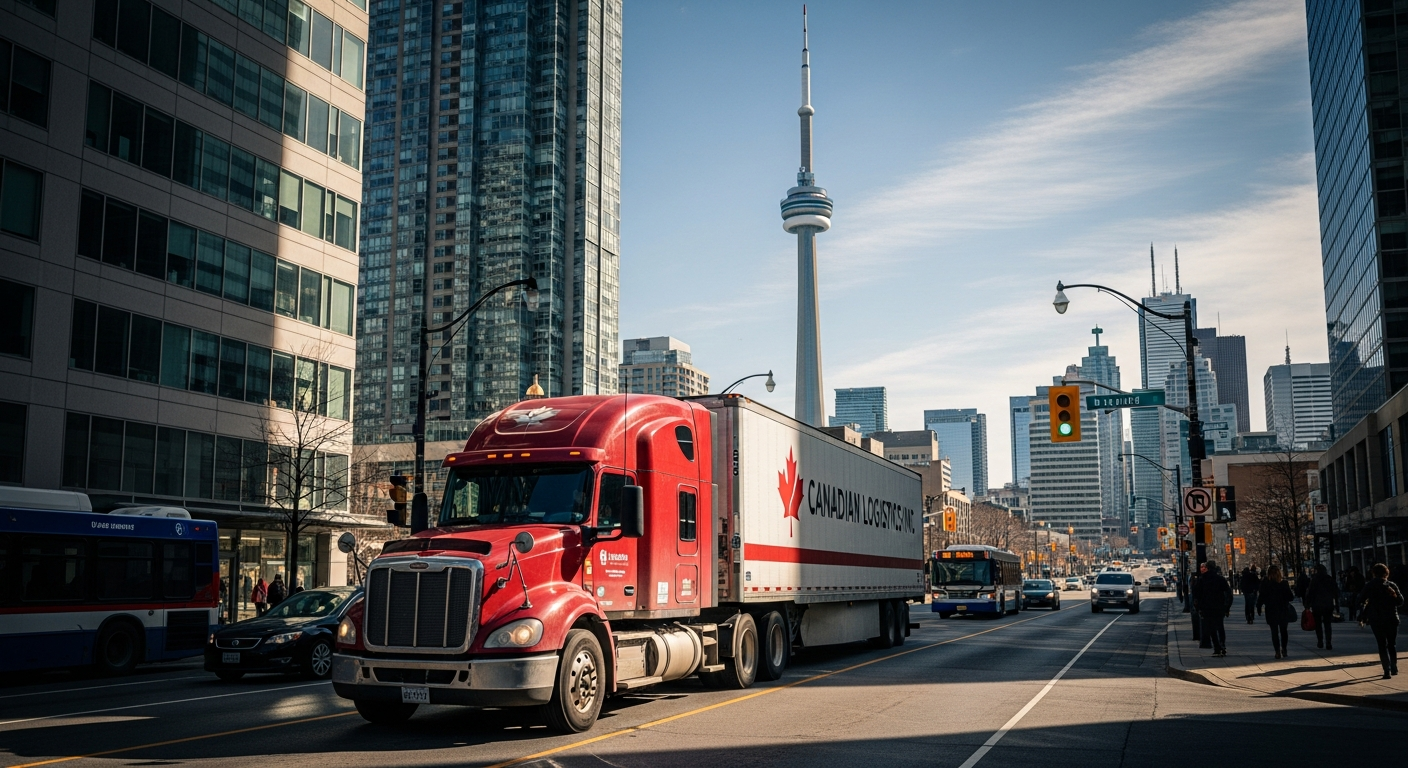
Toronto to Ottawa is one of Canada's highest-frequency intra-provincial freight corridors. The 450 km Highway 401–416 routing moves more pallets per week than almost any other lane in the country — which means published rates are competitive, daily linehaul slots are abundant, and the lane rarely defines your supply chain bottleneck. But there are still real choices to make: LTL vs FTL, scheduled linehaul vs zone-skipping, GTA west-end (Mississauga, Brampton) vs east-end (Pickering, Oshawa) origin economics, and how to package for the 5–6 hour run without damage claims. This 2026 guide walks through every layer.
Realistic Toronto–Ottawa transit times in 2026
Door-to-door transit on the Toronto–Ottawa lane is one business day for any mode that moves a daily linehaul, which is most of them. Parcel carriers pick up Toronto same-day before 4 PM and deliver Ottawa next business day; LTL freight on scheduled linehaul lanes is next-day delivery if pickup is before 2 PM at a Toronto-area dock; FTL direct (no consolidation, no terminal stop) is same-day if dispatched before 11 AM, with the actual drive time around 5–5.5 hours via the 401 to the 416 split at Highway 401 km 721. Winter conditions add 1–3 hours of buffer and occasionally cause weather-related linehaul cancellations.
- Parcel (Purolator, FedEx, UPS, Canada Post): next business day standard
- LTL scheduled linehaul: next business day for pickup before 2 PM
- FTL direct drive: 5–5.5 hours, same-day possible if dispatched before 11 AM
- Expedited team-driver: 5 hours guaranteed window, premium rate
- Rail intermodal: not cost-effective for this lane — distance too short
Toronto to Ottawa freight rate benchmarks
Honest mid-market 2026 rates from a Toronto-area pickup to Ottawa delivery, no fuel surcharge yet applied (FSC typically 22–28% in 2026): one pallet LTL (1,200–1,500 lb, standard dims) runs $185–$245 with terminal-handling fees baked in; two pallets $310–$420; six pallets $625–$850; a full 53-foot dry van FTL direct $950–$1,350 depending on day-of-week and equipment availability. Reefer and flatbed run 20–35% above dry van. Booking by Tuesday for a Friday move usually shaves 10–15% vs same-day booking on Friday morning.
| Service | Weight / Equipment | Toronto → Ottawa rate (CAD, pre-FSC) |
|---|
| 1 pallet LTL | 1,200–1,500 lb | $185–$245 |
| 2 pallets LTL | 2,400–3,000 lb | $310–$420 |
| 6 pallets LTL | 7,000–9,000 lb | $625–$850 |
| FTL 53′ dry van | Up to 45,000 lb | $950–$1,350 |
| FTL reefer 53′ | Refrigerated | $1,250–$1,750 |
| Hot-shot expedited | Up to 8 pallets | $1,400–$2,200 |
When LTL beats FTL on the Toronto–Ottawa lane
The rough break-even is 8–10 pallets or 12,000 lb. Below that, scheduled-linehaul LTL is cheaper because you're sharing the linehaul cost with other shippers. Above that, FTL becomes cheaper per pallet and your freight isn't touched at a consolidation terminal, which eliminates the single biggest cause of damage claims on this lane. If you ship more than 4 pallets twice a week to the same Ottawa consignee, ask your carrier about a dedicated weekly slot — most major carriers will price a recurring lane 15–25% below ad-hoc LTL rates.
Damage claims on Toronto–Ottawa LTL are most commonly caused by terminal restacking at the GTA hub. FTL eliminates that touchpoint entirely.
Which Toronto submarket should your freight originate from?
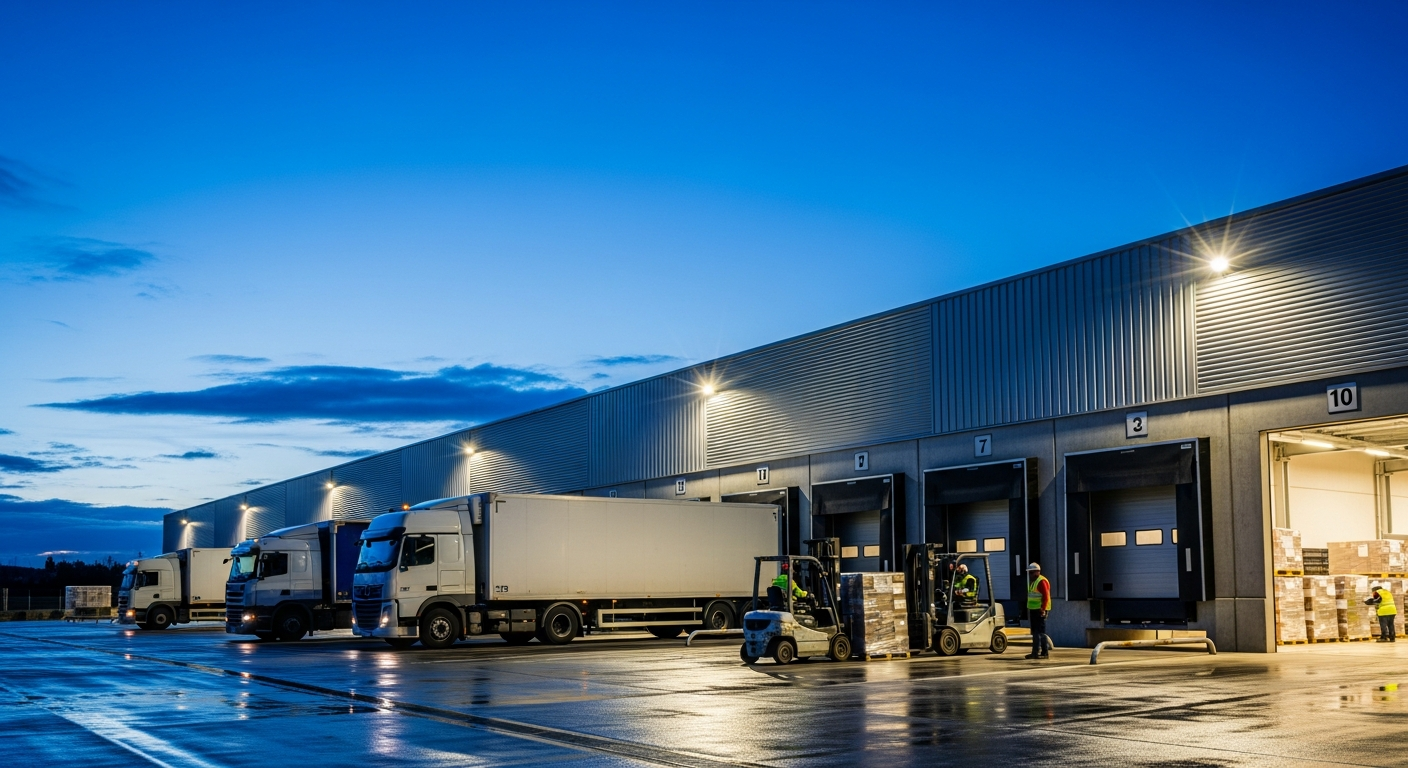
If you have flexibility on origin (e.g., choosing a 3PL or warehouse), Mississauga and Brampton pickup is materially cheaper to Ottawa than downtown Toronto or the east-end (Pickering, Oshawa). Most LTL linehauls dispatch from west-GTA terminals and either skip downtown pickup or charge a $35–$75 city-pickup accessorial. Origin near the 401–410 or 401–407 interchange optimizes pickup access and linehaul integration. Conversely, east-end (Pickering, Whitby) origin saves 30–40 minutes on the Ottawa-bound drive but loses scheduled-linehaul density.
 Which Toronto submarket should your freight originate from?
Packaging that survives the 401 round-trip
The Toronto–Ottawa lane is mostly highway with relatively few rough handoffs, so packaging requirements are moderate compared to multi-leg cross-Canada moves. The single biggest packaging miss: under-shrinkwrapping pallets that get restacked at a consolidation terminal. Use minimum 80-gauge stretch wrap with 5 full revolutions, corner-board on any stack over 48 inches, and full-perimeter base wrap. For LTL specifically, mark fragile sides clearly and consider 'do not double stack' labels for any pallet over 48 inches tall — terminal stackers will otherwise put a second pallet on top to maximize trailer cube.
Winter, weather, and the lane's seasonal pattern
The 401 corridor sees real winter disruption from December through March. Most large carriers operate 'storm-day' protocols that delay scheduled linehauls by 4–12 hours and occasionally cancel for 24–48 hours during major lake-effect or freezing-rain events. Build a 24-hour buffer into your Ottawa delivery commitments for the Dec–March window. Conversely, March–November is one of the most reliable freight lanes in Canada with consistent 95%+ on-time linehaul performance.
The reverse: Ottawa to Toronto/GTA logistics
The reverse lane (Ottawa to Toronto) is priced and timed nearly identically to Toronto–Ottawa, with one important asymmetry: Ottawa-originated freight has less daily linehaul density than GTA-originated freight, because the GTA is a much bigger consolidation hub. That means Ottawa-to-Toronto LTL pickup cutoffs are usually 1–2 hours earlier than the reverse direction, and rates run 5–10% higher on average. For brands shipping out of Ottawa fulfillment centres to GTA customers, a dedicated daily linehaul slot from an Ottawa 3PL eliminates this asymmetry.
Frequently Asked Questions
How long does it take to ship from Toronto to Ottawa?
Next business day for parcel and scheduled-linehaul LTL with pickup before 2 PM. Same-day is possible with FTL direct dispatched before 11 AM (5–5.5 hour drive). Winter weather adds 1–3 hours of buffer.
How much does it cost to ship a pallet from Toronto to Ottawa?
One pallet LTL is $185–$245 mid-market in 2026 before fuel surcharge. Two pallets $310–$420. A full 53-foot truckload runs $950–$1,350 depending on day-of-week and equipment.
Is LTL or FTL cheaper for Toronto–Ottawa?
LTL is cheaper under 8–10 pallets. Above that volume, FTL is cheaper per pallet and avoids consolidation-terminal damage risk. Recurring weekly shippers usually negotiate dedicated lane pricing at 15–25% off published rates.
Which carriers run daily linehauls Toronto to Ottawa?
Day & Ross, Manitoulin, Polaris, Bison, Kindersley, ByExpress, plus parcel networks (Purolator, FedEx, UPS, Canada Post) all operate daily Toronto–Ottawa scheduled service.
Do I need customs paperwork for Toronto to Ottawa?
No — it's intra-provincial Ontario freight. No customs, no broker, no IOR. The Quebec border (Ottawa–Gatineau) does not affect Toronto–Ottawa moves but does affect Ottawa–Montreal.
Related ByExpress resources