Guide · · 12 min read
Bonded Warehousing & Duty Deferral in Canada: How It Works
Paying duty and tax the moment goods land ties up cash you may never need to spend. Bonded warehousing and deferral programs change that — here's how.
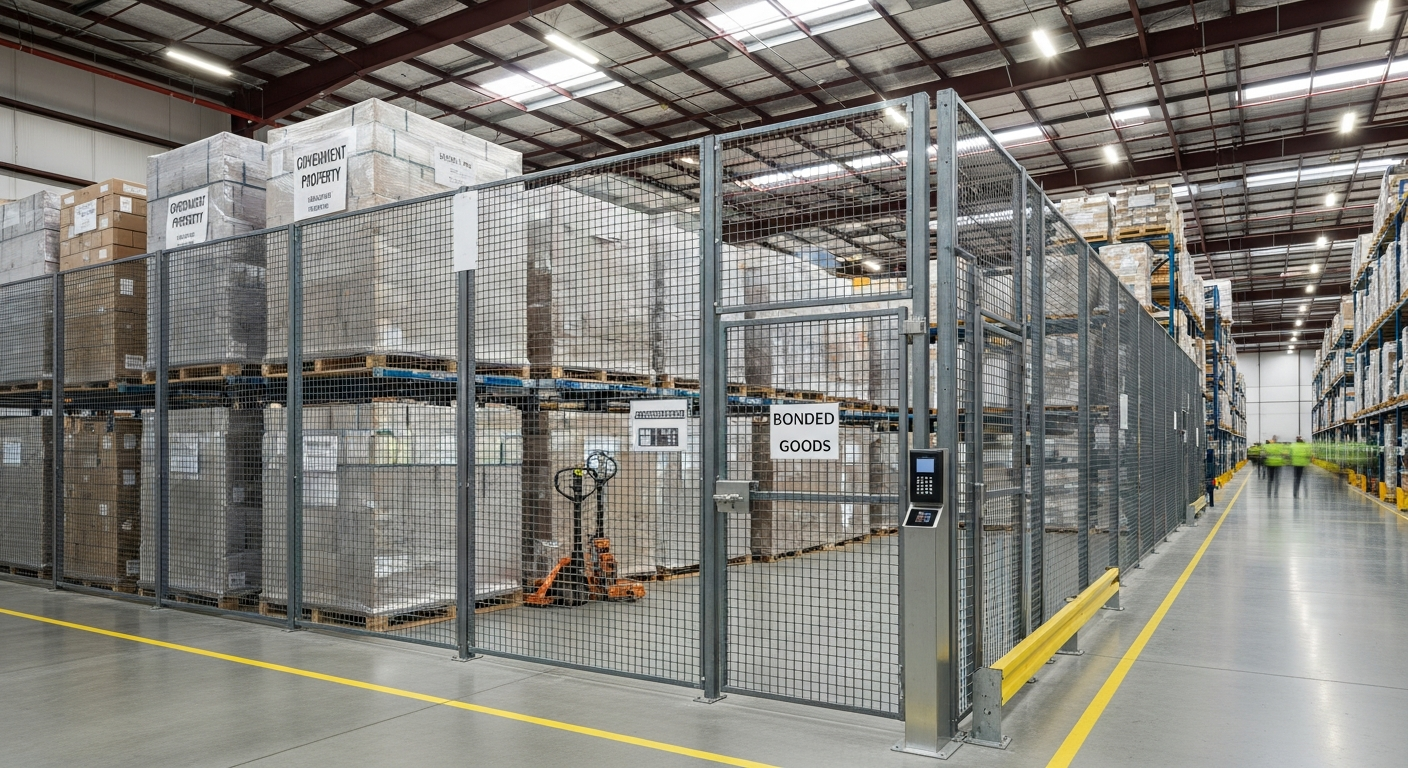
When goods are imported into Canada, duties and the GST/HST normally become payable at the time of importation. For businesses that import in bulk, re-export a portion, or hold inventory for months before selling it, paying everything up front locks up working capital — sometimes on goods that will leave the country duty-free anyway. Canada's customs framework offers several tools to defer, relieve, or recover those payments, with the customs bonded warehouse program at the centre. This guide explains how bonded warehousing and the main deferral and drawback programs work, the cash-flow logic behind them, and which businesses actually benefit.
What a customs bonded warehouse actually is
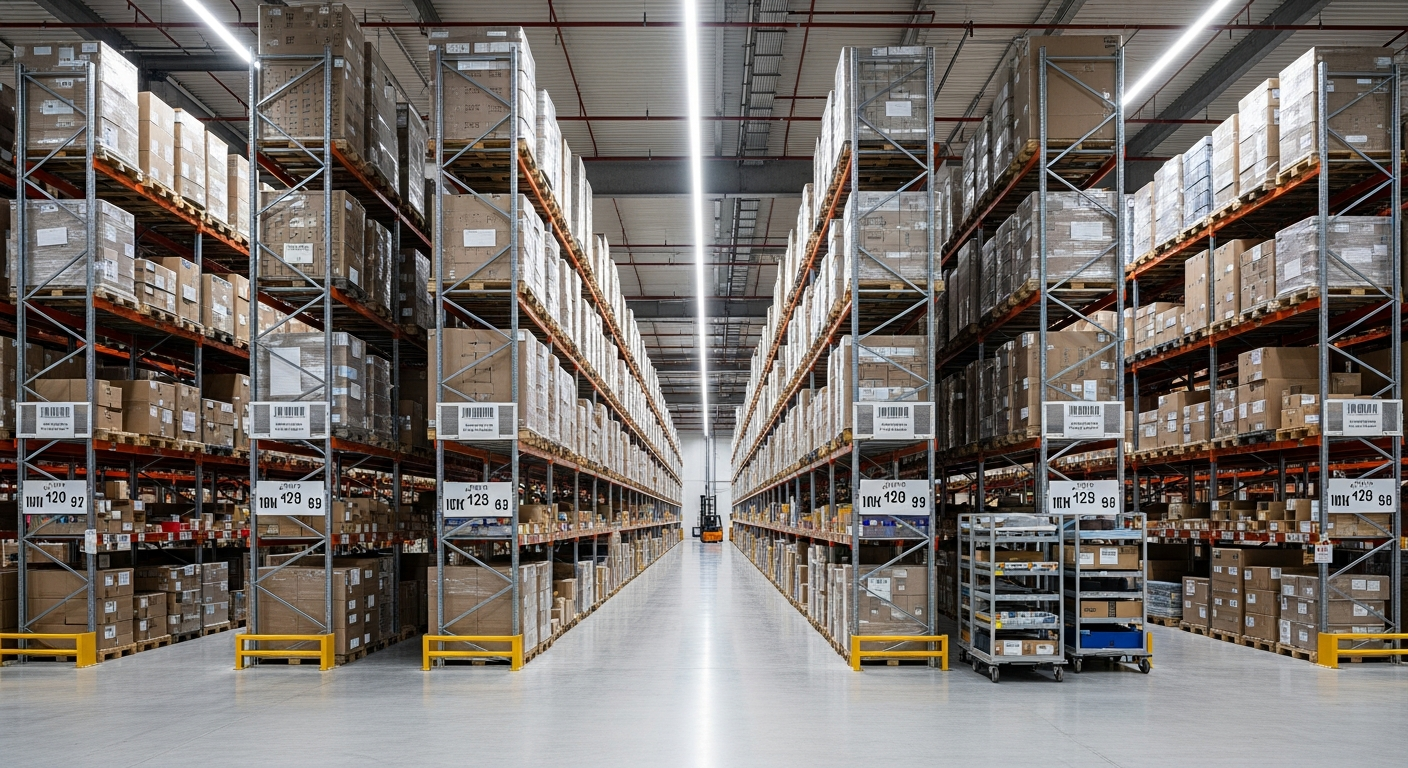
A customs bonded warehouse is a facility licensed by the Canada Border Services Agency (CBSA) where imported goods can be stored without duties and taxes being paid at the time of import. Payment is deferred until the goods are released into the Canadian market for domestic consumption — and if the goods are instead re-exported, the duties and taxes generally never become payable at all. While in the bonded warehouse, certain limited operations (such as marking, labeling, packaging, and display) are permitted, but the goods remain under customs control. It is, in effect, a way to keep imported inventory in a 'not yet imported for sale' state until you actually need it.
 What a customs bonded warehouse actually is
The cash-flow logic: why deferral matters
The core benefit is working capital. If you import a large shipment in January but sell it through across the year, paying all the duty and tax in January means financing that cash for months. Deferring payment until goods are released for domestic sale aligns the cost with the revenue, freeing capital for inventory, marketing, or operations. For seasonal businesses, importers holding safety stock, and brands that re-export a meaningful share of what they bring in, the cumulative cash-flow improvement can be substantial. The deferral isn't a discount — you still pay duty on goods sold domestically — but timing has real financial value.
Deferral isn't a tax cut; it's a timing shift. Matching duty and tax payment to the moment goods actually sell — instead of the moment they land — can free significant working capital for an importer.
Bonded warehouse vs duty drawback vs deferral programs
Canada offers a few distinct mechanisms, and they solve different problems. A customs bonded warehouse defers payment while goods are stored. The Duties Relief Program lets qualifying businesses import without paying duties if the goods will be exported (relief up front rather than recovery later). Duty drawback lets you recover duties already paid on goods that are subsequently exported. Choosing among them depends on your pattern: store-then-decide favours bonded warehousing; known-export-intent favours duties relief; already-paid-then-exported favours drawback. Many importers use more than one.
| Mechanism | How it works | Best for |
|---|
| Customs bonded warehouse | Defer duty/tax while stored under CBSA control | Bulk imports sold/exported over time |
| Duties Relief Program | Import duty-free when goods will be exported | Known re-export intent |
| Duty drawback | Recover duty already paid on later-exported goods | Duty paid, then exported |
| GST/HST deferral | Defer or account for import GST/HST | Cash-flow on tax, not just duty |
Who actually benefits — and who doesn't
Bonded warehousing is powerful but not universal. It rewards businesses that import in volume, hold inventory before sale, re-export a portion, or face meaningful duty rates. It adds little for a brand whose goods are duty-free under a trade agreement, that turns inventory very quickly, or that imports small, frequent shipments where the deferral benefit is dwarfed by administrative effort. The honest assessment starts with two numbers: your effective duty rate and how long inventory sits before it sells. When both are high, deferral pays; when both are low, it usually doesn't justify the overhead.
- High effective duty rate on imported SKUs
- Long dwell time between import and sale
- A meaningful share of inventory re-exported (e.g. to the US)
- Seasonal or bulk importing with uneven sell-through
- Less benefit when goods are duty-free or turn very quickly
How ByExpress supports bonded and duty-deferred inventory
ByExpress works with importers who need duty-deferred or bonded handling as part of their Canadian fulfillment, coordinating with customs brokers so inventory is positioned correctly and duties and taxes are managed in line with each program's rules. For brands that import in bulk and distribute across Canada — or re-export into the US — combining deferral mechanisms with multi-node fulfillment keeps both working capital and last-mile cost under control. The right structure depends on your duty profile and flow, which we assess before recommending an approach.
Frequently Asked Questions
What is a customs bonded warehouse?
It's a CBSA-licensed facility where imported goods are stored without duties and taxes being paid at the time of import. Payment is deferred until the goods are released for domestic sale, and if the goods are re-exported, the duties and taxes generally never become payable. The goods remain under customs control while stored.
How is bonded warehousing different from duty drawback?
Bonded warehousing defers payment while goods are stored. Duty drawback recovers duties you've already paid after the goods are later exported. The Duties Relief Program is a third option that lets you import duty-free up front when you know goods will be exported. They suit different timing and export-intent scenarios.
Does duty deferral save me money or just delay payment?
For goods sold domestically, it delays payment rather than reducing it — but that timing has real value because it frees working capital. For goods that are re-exported, duties and taxes often never become payable at all, which is a genuine saving, not just a deferral.
Is bonded warehousing worth it for my business?
It depends on two things: your effective duty rate and how long inventory sits before it sells (or is exported). When both are high — and especially if you re-export a meaningful share — deferral pays off. If your goods are duty-free under a trade agreement or turn very quickly, the administrative overhead usually outweighs the benefit.
Can I label or repackage goods in a bonded warehouse?
Limited operations such as marking, labeling, packaging, and display preparation are generally permitted while goods remain under customs control, but manufacturing or substantial alteration is not. The exact permitted activities are defined by the program, so confirm specifics with your customs broker before planning value-added work.
Related ByExpress resources