Guide · · 8 min read
Calgary and Seattle: Why Companies Are Turning to Cross-Dock Services
Cross-docking is reshaping the Calgary–Seattle Pacific Northwest corridor. Lower inventory carrying cost, faster customer delivery, and tighter freight visibility. Here's why brands are adopting it.
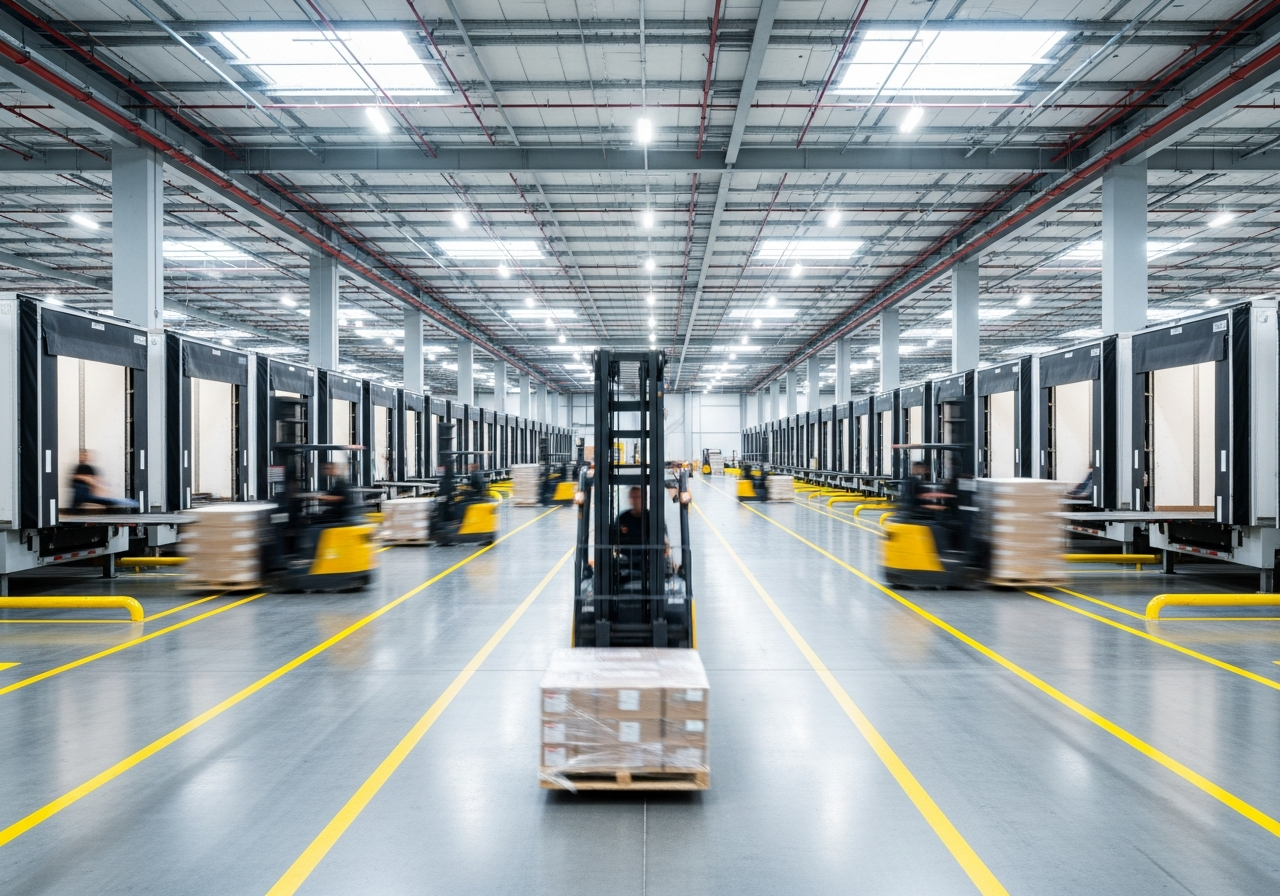
Cross-docking — moving inbound freight directly from receiving dock to outbound dock without intermediate storage — has moved from niche freight technique to mainstream Calgary–Seattle corridor practice. The reason is structural: both markets share similar industries (energy, outdoor recreation, technology, B2B distribution), face the same Pacific real-estate cost pressure, and benefit disproportionately from inventory velocity. This guide explains why cross-docking has gained traction in this corridor, what types of freight are good fits, and how to evaluate cross-dock providers.
What cross-docking actually is
Cross-docking eliminates the warehouse storage step entirely. Inbound truck arrives, freight is unloaded, sorted by destination, and reloaded onto outbound trucks within hours — typically same-day. The freight never goes to rack storage. Done well, cross-docking compresses 7-14 day storage-and-pick cycles into 24-48 hour throughput. The trade-off is that cross-docking requires more upstream coordination (accurate ASN, scheduled receiving windows) and disciplined slotting in the cross-dock building itself.
Why the Calgary–Seattle corridor adopted it faster
Three reasons: (1) Pacific real estate cost — Seattle metro industrial space runs $14-18/sq ft net, well above continental US average, making storage avoidance directly valuable; (2) industries on this corridor (outdoor, tech, automotive parts) have predictable replenishment patterns that suit cross-docking; (3) the Coutts/Sweetgrass + I-15 + I-90 lane is well-served by daily LTL/FTL carriers, making the inbound/outbound matchup logistically tractable. Brands report 20-30% reduction in landed cost on cross-docked SKUs versus traditional store-and-pick fulfillment.
- Eliminates rack storage cost (significant in high-rent Pacific markets)
- Compresses cycle time from 7-14 days to 24-48 hours
- Reduces handling damage (fewer touches)
- Improves freight visibility and reduces inventory days on hand
What freight types fit cross-docking
Best fits: predictable replenishment B2B freight (retail vendor compliance, MRO consumables, automotive aftermarket); pre-packaged DTC inventory inbound from manufacturing; full-pallet promotional inventory inbound for retail push. Bad fits: highly seasonal SKUs without forecast accuracy, single-unit pick DTC where you need post-receiving QC, or any freight that requires kitting/assembly between inbound and outbound legs.
Cross-docking is a discipline, not a service. The economics only work when your inbound ASN data is reliable and your outbound demand signal is timely.
Frequently Asked Questions
What's the typical cost savings on cross-docked freight vs traditional storage-and-pick?
20-30% reduction in landed cost on suitable SKUs, driven by storage avoidance, fewer handling touches, and faster inventory turn. Savings vary by SKU velocity and freight characteristics.
Does ByExpress offer cross-dock services?
Yes. Our Calgary facility supports cross-dock operations for B2B replenishment, retail vendor compliance flows, and predictable inbound-to-outbound freight on the Calgary-Seattle and Calgary-Coutts corridors.
What's the transit time Calgary to Seattle?
1-2 day truckload via Coutts/Sweetgrass on I-15/I-90. Same-day cross-dock at Calgary means freight can be in Seattle warehouses within 2-3 days of leaving origin.