Guide · · 8 min read
Cross-Dock Solutions in Ontario and Texas
The Ontario–Texas freight corridor moves enormous volume. Cross-docking is compressing transit time and freight cost for brands serving both markets. Here's the operational playbook.
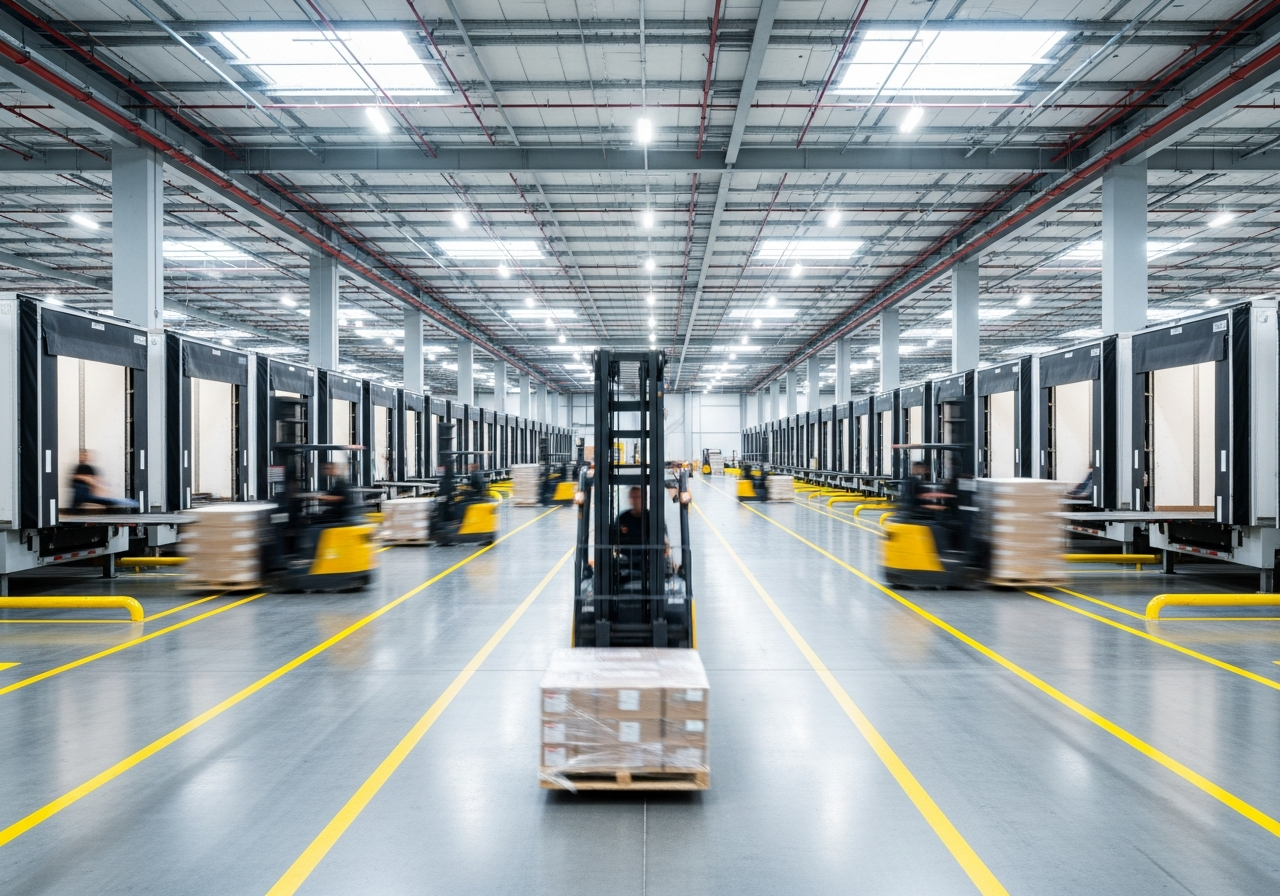
The Ontario–Texas freight corridor — Toronto/Mississauga south through Windsor-Detroit and down to DFW or Houston — is one of the busiest cross-border lanes in North America. Cross-docking on this corridor has emerged as the differentiator for brands seeking to compress delivery times and cut landed freight cost. This guide walks through what cross-dock operations look like on the Ontario-Texas lane and what merchants should know.
The Ontario–Texas lane in numbers
Daily LTL and FTL freight moves between the GTA and Texas through Windsor-Detroit and the I-75/I-69/I-40 corridors. Toronto to Dallas is a 3-4 day truckload move; Toronto to Houston is 4-5 days. Texas-origin freight northbound to Ontario serves the same lane in reverse, with daily capacity on both directions. Combined ecommerce GMV across Ontario and Texas exceeds $80B CAD — meaningful enough to support disciplined cross-dock infrastructure on both ends.
Cross-dock economics on this corridor
Storage avoidance is the headline benefit, but cross-docking on the Ontario-Texas lane delivers compounding advantages: (1) faster inbound-to-outbound cycle compresses cash conversion; (2) lower handling reduces damage rates; (3) better freight visibility improves customer promise accuracy; (4) reduced inventory days on hand frees working capital. Brands report 18-25% reduction in total landed cost on suitable cross-docked SKUs.
- Compressed cash conversion cycle (3-7 days vs 14-30)
- Reduced freight handling damage rates
- Improved customer delivery promise accuracy
- 20%+ working capital reduction on cross-docked inventory
Operational fit and SKU selection
Cross-docking only works when inbound ASN data is reliable, receiving windows are scheduled, and outbound demand signal is timely. Good fits: retail vendor compliance freight to Costco/Walmart Canada/USA, automotive aftermarket parts, predictable B2B replenishment, full-pallet promotional pushes. Bad fits: returns-heavy DTC SKUs, highly seasonal items with poor forecast accuracy, or anything requiring quality inspection or kitting between inbound and outbound.
If your inbound ASN data is unreliable, fix that before attempting cross-docking — the discipline starts with upstream data, not warehouse operations.
Frequently Asked Questions
What's the cost savings from cross-docking Ontario-Texas freight?
18-25% reduction in total landed cost on suitable SKUs versus traditional store-and-pick. Savings concentrate in storage avoidance, reduced handling, and faster inventory turn.
Does cross-docking require special facility design?
Yes. Cross-dock facilities have flow-through layouts with inbound and outbound docks on opposite sides, minimal rack storage, and dedicated staging areas. ByExpress facilities support cross-dock operations on the Ontario-Texas lane via our Mississauga hub.
Can I cross-dock and traditional store-and-pick from the same facility?
Yes — most modern 3PL facilities support both flows. SKU mix typically determines whether cross-docking or traditional fulfillment is the right approach for any given product.