Guide · · 13 min read
E-commerce Fulfillment in Toronto: The 2026 GTA 3PL Guide
Toronto and the GTA are Canada's largest fulfillment market — and the most expensive. Here's how to pick a Toronto 3PL, what realistic 2026 pricing looks like, and which sub-region (Mississauga, Brampton, Vaughan) actually fits your brand.
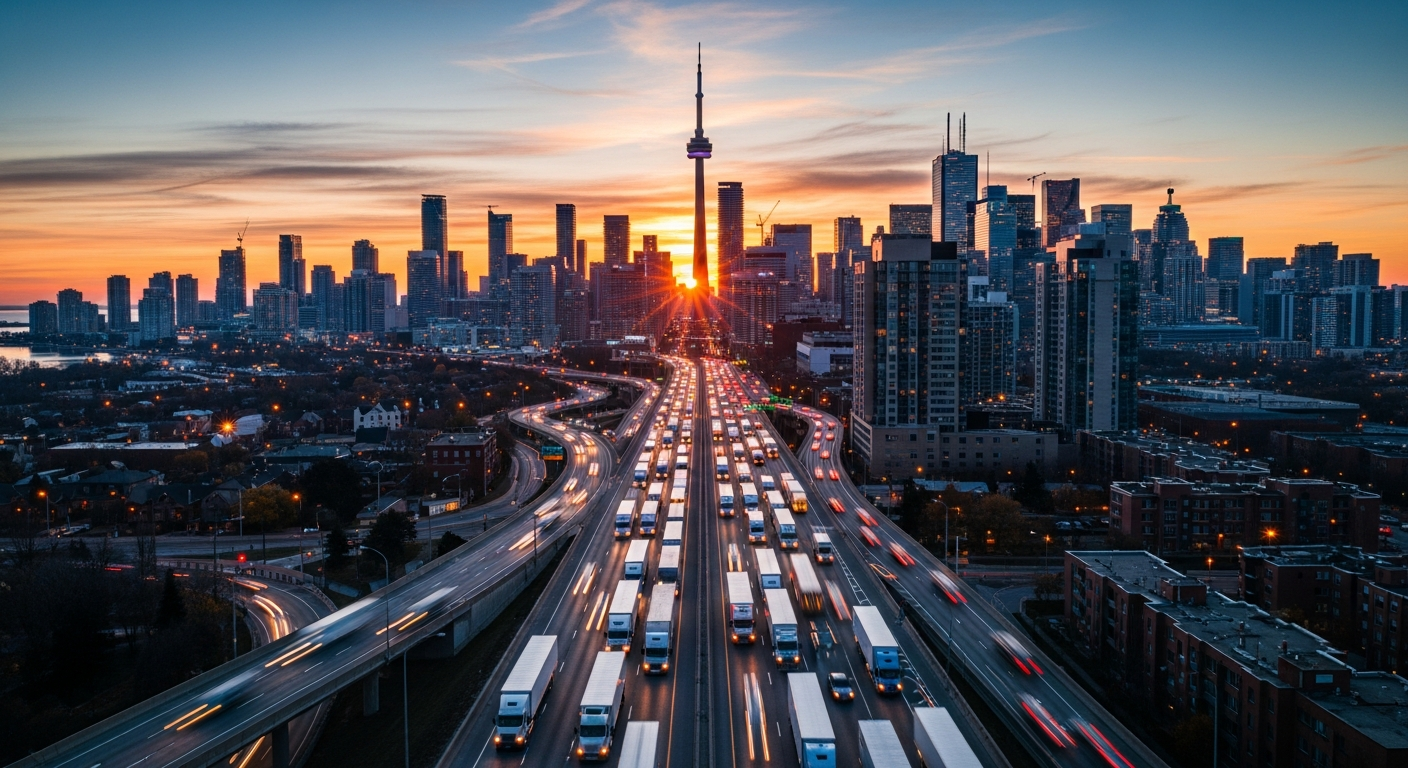
The Greater Toronto Area is the gravitational centre of Canadian e-commerce. Roughly 30% of all online orders shipped within Canada either originate from or pass through the GTA's industrial corridor — a band of warehousing that runs from Mississauga and Oakville in the west, through Brampton and Vaughan in the north, and into Pickering and Whitby in the east. For most Canadian DTC brands, having some presence in the GTA is non-negotiable. But Toronto is also Canada's most expensive fulfillment market, with industrial vacancy that bottomed under 1% in 2024 and warehouse lease rates that doubled in five years. This guide walks through how to evaluate a Toronto 3PL, which GTA sub-region actually fits your business, what real pricing looks like, and where the GTA-only model breaks down.
Why Toronto dominates Canadian e-commerce fulfillment
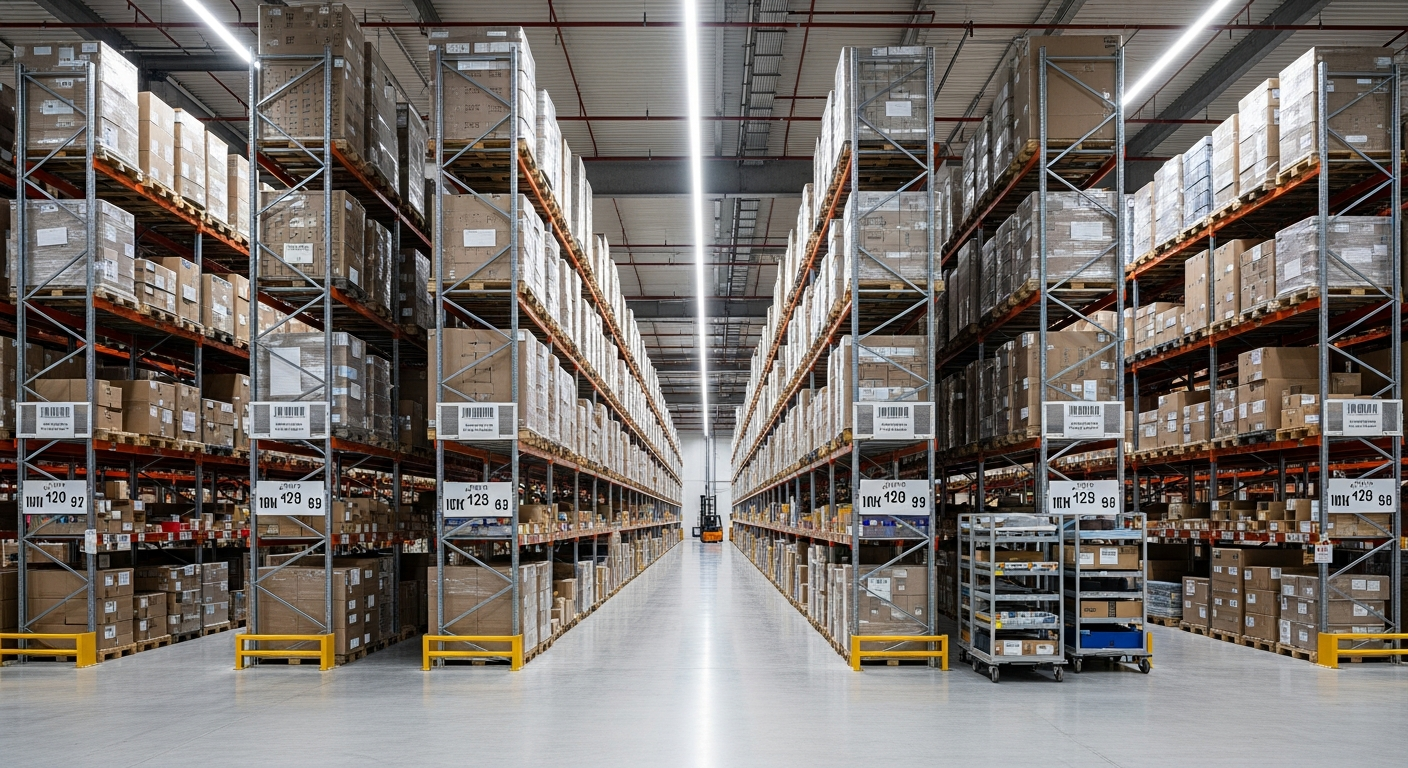
Three structural realities make the GTA the natural anchor for most Canadian fulfillment networks. First, population density: the GTA contains roughly 6.7 million people, with another 3 million in the surrounding Golden Horseshoe — together representing the largest concentration of Canadian e-commerce buyers. Second, infrastructure: Pearson International is Canada's largest air-cargo airport, the Port of Toronto handles consumer imports, and Highways 401, 407, and 400 form a logistics backbone unlike anywhere else in Canada. Third, Amazon proximity: Amazon operates more fulfillment, sortation, and delivery stations in the GTA than in any other Canadian metro, which matters enormously if you sell on Amazon FBA, FBM, or run hybrid fulfillment.
 Why Toronto dominates Canadian e-commerce fulfillment
GTA sub-regions: Mississauga, Brampton, Vaughan compared
Not all 'Toronto' fulfillment is the same. Where in the GTA your 3PL operates affects your delivery times, your inbound costs, and your access to specific carriers and Amazon nodes. Mississauga (Highway 401/410 corridor near Pearson) is the densest 3PL cluster in Canada, with proximity to Pearson air freight, the largest concentration of Amazon GTA fulfillment centres, and direct access to U.S. cross-border highway routes. Brampton offers slightly cheaper real estate, FedEx Ground hub access, and a deep labour pool, but adds 30–45 minutes of drayage to anything Pearson-bound. Vaughan / Concord serves the northern GTA and connects efficiently to Highway 400 for north-bound and Quebec-bound moves; it's a good fit for brands with disproportionate northern Ontario or Quebec demand. Pickering and Ajax serve the eastern GTA and Durham region, with cleaner truck access for Atlantic-Canada outbound.
| Sub-region | Best for | Watch out for |
|---|
| Mississauga | Pearson air freight, Amazon FBA prep, U.S. cross-border | Highest lease rates in Canada |
| Brampton | FedEx Ground hub, deeper labour pool, lower lease cost | Pearson drayage adds 30–45 min |
| Vaughan / Concord | Northern Ontario and Quebec lanes via Hwy 400 | Limited Amazon FC proximity |
| Pickering / Ajax | Atlantic Canada outbound, Durham labour | Less carrier optionality on inbound |
| Etobicoke | Toronto urban same-day delivery | Constrained warehouse footprint sizes |
What Toronto 3PL pricing actually looks like
GTA fulfillment pricing has hardened over the past three years and shows no sign of softening. Industrial vacancy briefly ticked above 2% but remains historically tight, and 3PLs have largely passed lease and labour increases through to clients. Be wary of any GTA 3PL quoting dramatically below the bands shown here — the deal almost always lives in receiving fees, storage minimums, or surcharge stacks rather than headline pick rates. Demand a fully line-itemized SOW with all surcharges (oversized, fragile, lithium battery, hazmat, peak-season) called out before you sign.
| Service | Typical Range (GTA) | Notes |
|---|
| Pick & pack (first item) | $2.75 – $3.65 | Premium for Mississauga / Pearson-adjacent |
| Pick & pack (each add'l item) | $0.40 – $0.65 | |
| Receiving | $32 – $50 per pallet | Higher in Mississauga |
| Storage (pallet/month) | $26 – $38 | Premium for climate-controlled |
| Storage (bin/month) | $0.95 – $1.65 | |
| Amazon FBA prep | $1.00 – $2.50 per unit | Plus poly bag, label, bundle fees |
| Returns processing | $4.00 – $7.00 | Photo + grade typically extra |
Toronto's Amazon advantage (and trap)
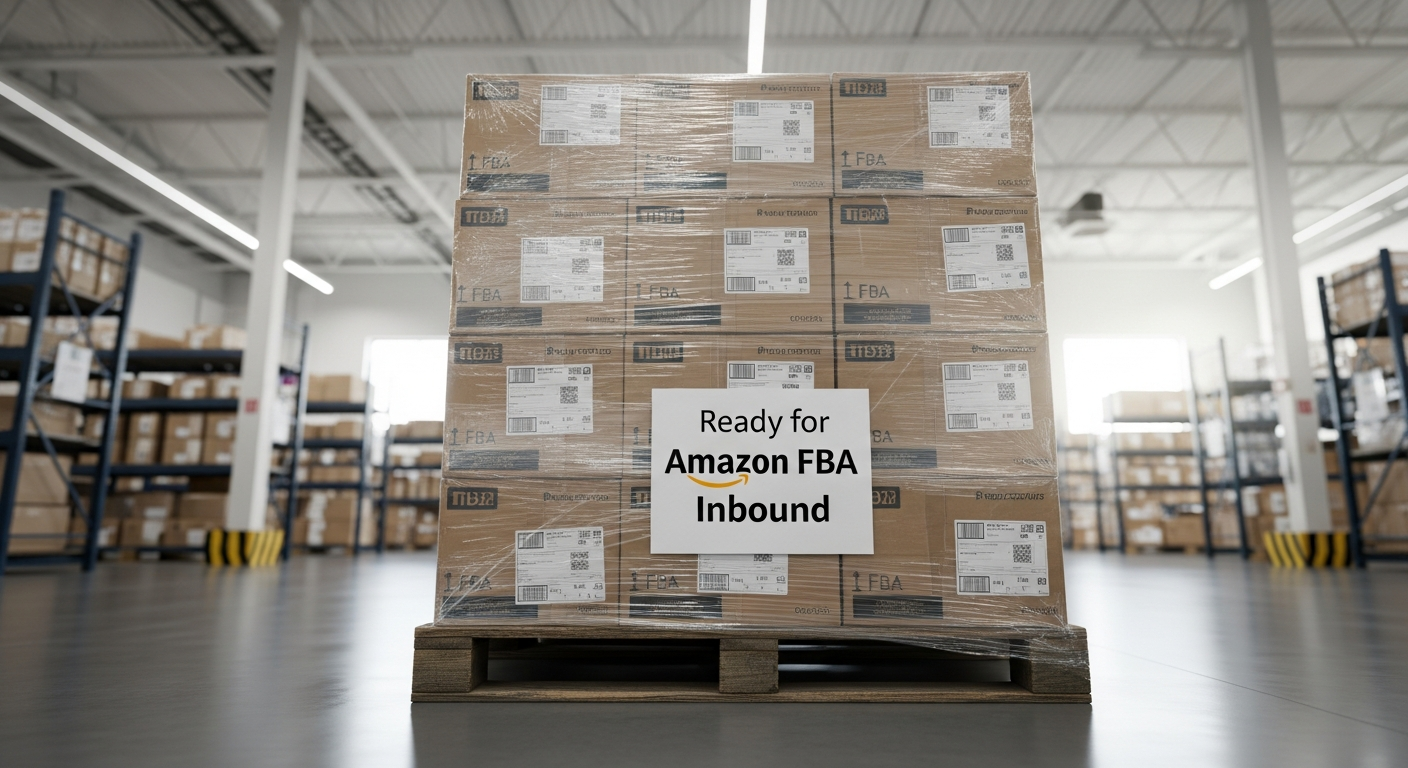
Amazon Canada operates the bulk of its fulfillment infrastructure in the GTA — including Tier-1 fulfillment centres in Brampton, Caledon, Bolton, and Mississauga, plus a dense network of sortation centres and delivery stations. If your brand sells on Amazon FBA, having FBA prep happen inside the GTA cuts your inbound transit by days versus prepping in Vancouver or Calgary. The trap: GTA-only fulfillment is expensive for non-GTA Canadian demand. Shipping a parcel from Mississauga to Vancouver is a four-to-five-day cross-country move that costs 2–3× a single-zone move within Ontario. Brands with heavy western Canadian demand often need a complementary Calgary or Vancouver node — which is why most credible Canadian 3PL networks now operate multi-city footprints rather than GTA-only.
 Toronto's Amazon advantage (and trap)
Carrier mix from a Toronto fulfillment center
From the GTA, every major Canadian carrier has next-day or two-day reach to most of southern Ontario, all of Quebec, and a meaningful slice of the U.S. Northeast and Midwest via cross-border. The realistic mix for a high-volume GTA 3PL: FedEx Ground for cross-border and longer-zone domestic, UPS for time-definite and B2B, Purolator for Canadian ground (often the lowest cost-per-zone domestically), Canada Post for urban and remote-rural delivery (still has the broadest last-mile rural footprint), Intelcom for low-cost Quebec and Ontario urban density, and DHL eCommerce for select cross-border lanes. A modern Toronto 3PL should rate-shop across all of these per parcel — and should be willing to show you the actual rate-shop decisions as part of due diligence.
Which brands belong in Toronto vs. elsewhere
Toronto fulfillment fits brands where the math actually works: heavy GTA demand, Amazon FBA channel reliance, B2B retail into Loblaw / Sobeys / Costco / Shoppers Drug Mart head offices (most of which are GTA-located), import-heavy brands moving freight through Pearson air or the Port of Montreal feeding into the GTA, and brands needing same-day Toronto urban delivery. Brands that often overpay for Toronto-only fulfillment: lighter, lower-AOV products with national demand (where a multi-node network beats single-node GTA on blended cost), specialty brands serving primarily Western Canada, and B2B brands with most volume in Quebec or Atlantic Canada (where Ottawa or Montreal is closer to your customer base).
How to evaluate a Toronto 3PL — the hard checks
Five questions separate a credible GTA 3PL from a sub-scale or troubled one. First: ask for the last six months of order accuracy, on-time pick, on-time ship, and inventory accuracy KPIs in writing. A serious operator can produce these inside a day. Second: ask which WMS they run, whether it's in-house or a named platform, and what their integration roadmap looks like. Third: ask to physically tour the facility, and inspect dock organization, racking density, and floor cleanliness — not the front office. Fourth: ask for three reference customers in your size band (within 2× of your monthly order volume) and actually call them. Fifth: ask how they handle peak season — what their typical Black Friday / Cyber Monday throughput looks like, and whether they've ever shut intake during peak.
If a GTA 3PL is reluctant to host a physical site visit or refuses to provide reference customers, walk away. Both are universal industry norms.
ByExpress in the GTA
ByExpress operates a high-volume GTA fulfillment node alongside our Ottawa headquarters and Montreal, Vancouver, and Calgary facilities. Brands typically anchor a primary inventory pool in either Ottawa or the GTA based on demand patterns, then split with a secondary Western node if Vancouver or Calgary demand justifies it. Multi-node clients on the ByExpress network typically see blended parcel cost 14–22% below GTA-only setups, with simultaneously faster transit times to Western Canada and Atlantic Canada.
Frequently Asked Questions
What does Toronto 3PL cost?
Expect $2.75–$3.65 for the first pick-and-pack item, $0.40–$0.65 per additional item, $26–$38 per pallet per month for ambient storage, and $32–$50 per pallet for receiving. Mississauga and Pearson-adjacent facilities sit at the top of these bands; Brampton, Vaughan, and Pickering tend to run at the lower end.
Should I pick Mississauga, Brampton, or Vaughan?
Mississauga if you ship Amazon FBA at scale or import via Pearson air. Brampton if you need FedEx Ground hub access and want lower lease costs. Vaughan if your demand skews north Ontario or Quebec via Highway 400. Pickering if you ship heavily into Atlantic Canada via the eastern 401 corridor. The right answer depends on your inbound and outbound flow, not generic 'Toronto' label.
Is one Toronto warehouse enough for all of Canada?
For low-volume brands or brands with concentrated Ontario/Quebec demand, yes. For brands with national distribution shipping more than ~1,500 orders per month, a single GTA node usually loses to a two-node network (typically Ottawa-or-GTA plus Calgary-or-Vancouver) on blended parcel cost and transit time.
Can a Toronto 3PL handle Amazon FBA prep?
Yes — and this is one of the GTA's biggest structural advantages, since Amazon Canada's largest fulfillment centers are in Brampton, Caledon, Bolton, and Mississauga. A specialized FBA prep partner inside the GTA can typically move inbound from your warehouse to an Amazon FC inside 24–48 hours, versus 5–7 days from Western Canada.
How long does a 3PL migration into Toronto take?
A standard migration runs 6–10 weeks: contract finalization, integration build, inventory transfer logistics, physical relocation across one to two weekends, and a 2-week parallel period where both 3PLs are live to catch sync issues. Larger or more complex migrations (heavy SKU counts, kitting workflows, B2B EDI flows) can run 12–16 weeks.
What's the cheapest carrier from a Toronto warehouse?
There is no single cheapest carrier — the answer depends on parcel weight, dimensions, destination zone, and service level. A modern GTA 3PL runs a multi-carrier rate-shopping engine that picks the cheapest viable carrier per parcel from FedEx, UPS, Purolator, Canada Post, Intelcom, and DHL eCommerce. Done right, this saves 11–18% versus single-carrier shipping.
Related ByExpress resources