Guide · · 9 min read
Last-Mile & Local Delivery Cost in Canada (2026)
What the final leg costs in Canada in 2026 — parcel networks, local courier, dedicated routes and same-day premiums, broken down by model.
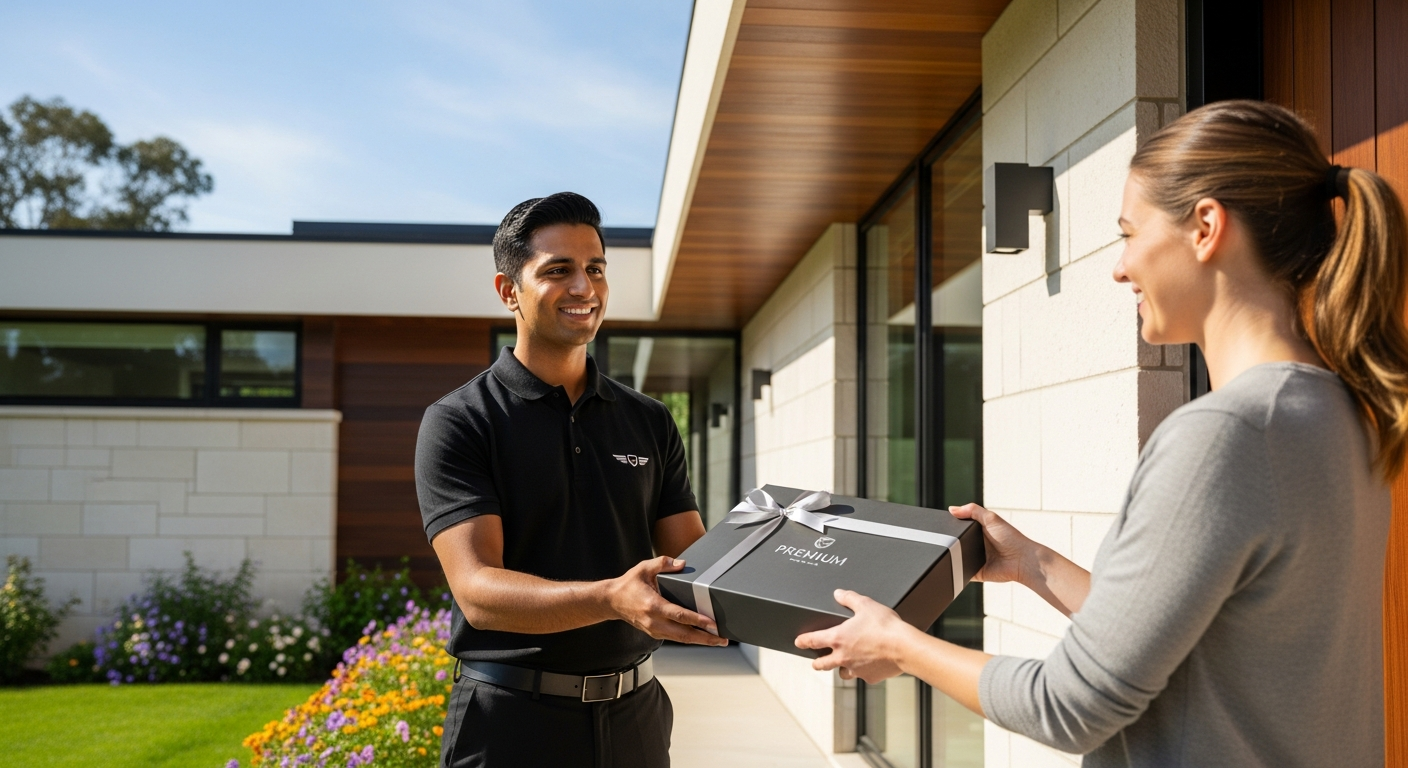
Last-mile is the most expensive leg of the supply chain per kilometre and the one customers judge most harshly. In Canada, last-mile cost spans a wide band depending on which model you use — national parcel networks, local same-day courier, or dedicated routed delivery — and on density, zone, and speed promise. This 2026 guide breaks down each model, gives typical Canadian ranges, and explains the levers that move last-mile cost so you can match the right delivery model to the right order.
The three last-mile models
Canadian last-mile delivery falls into three models, each with different economics. National parcel networks (Canada Post, Purolator, FedEx, UPS, and regional carriers) move standard e-commerce parcels at scale with multi-day to next-day service and the lowest per-parcel cost for typical DTC. Local same-day courier handles urgent, time-defined deliveries within a metro at a premium. Dedicated/routed delivery uses scheduled vehicles running fixed routes — economical for predictable, high-density B2B replenishment or heavy/bulky goods that parcel networks penalize. Most brands blend all three, routing each order to the cheapest model that meets its promise.
 The three last-mile models
Typical last-mile cost by model (2026)
Indicative 2026 Canadian ranges. Actual rates depend heavily on weight, zone, density and speed — treat these as a planning band.
Every number here is a typical 2026 Canadian range, not a quote. Your real rate depends on volume, SKU profile, seasonality, and service mix — get an itemized quote from a free fulfillment audit before you budget.
| Model | Typical 2026 range | Best for |
|---|
| Parcel (standard DTC) | $9–$18 / parcel | Most e-commerce orders |
| Same-day local courier (single) | $22–$55 / parcel | Urgent metro deliveries |
| Dedicated route (per stop) | $6–$15 / stop | Dense, predictable B2B/bulk |
| White-glove / two-person | $60–$150+ / delivery | Large/heavy items, install |
| Same-day premium uplift | +30–80% vs standard | Speed promise |
What drives last-mile cost
Several factors move the per-delivery number more than the base rate:
- Density — more stops per route per kilometre lowers cost per delivery; rural and sparse routes cost more.
- Zone — distance from the origin DC; parcel carriers price in zones, and same-day couriers price by metro ring.
- Weight and dimensions — oversize and heavy items carry surcharges or require dedicated/white-glove handling.
- Speed promise — same-day and time-windowed delivery carry a 30–80% premium over standard.
- Failed deliveries and redelivery — re-attempts and returns-to-sender add cost; address quality and delivery notifications reduce it.
Same-day and white-glove premiums
Same-day delivery commands a premium because it forces tight routing windows and lower drops-per-route. In dense Canadian metros like the GTA, same-day is operationally feasible with an order cutoff (commonly early-to-mid afternoon) and a metro zone structure; outside the cutoff or zone, it isn't economical. White-glove and two-person delivery — for furniture, appliances and large items — sits in its own tier because it requires a two-person crew, scheduled appointment windows, and sometimes assembly or debris removal. Reserve these premium models for orders where the customer values speed or the product genuinely requires the handling.
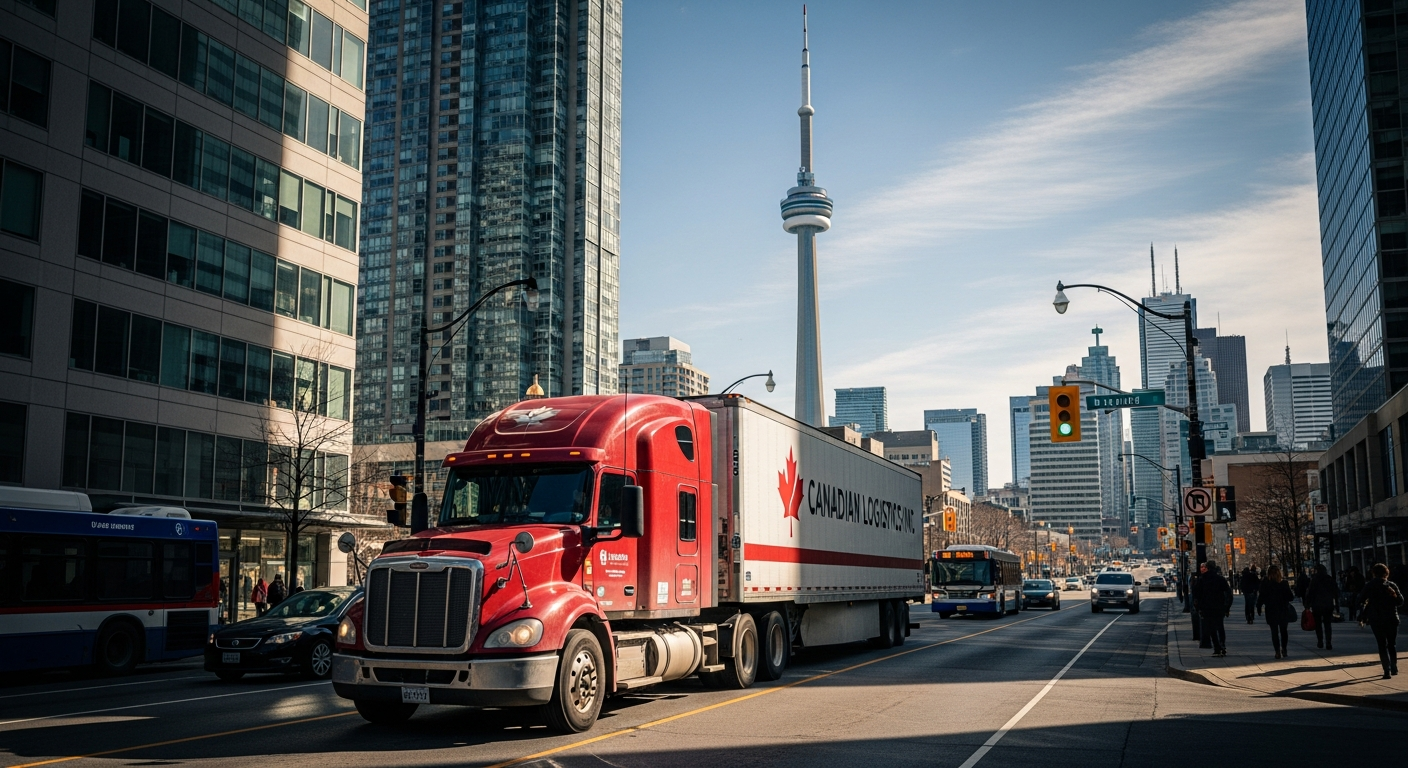 Same-day and white-glove premiums
How to control last-mile cost
The biggest lever is rate-shopping across multiple carriers at the order level rather than committing all volume to one network — the cheapest carrier for a parcel varies by zone, weight and speed. Beyond that: improve address quality to cut failed deliveries; use delivery notifications to reduce re-attempts; position inventory closer to demand so more orders ship in low zones; right-size packaging so you're not paying dimensional weight on air; and reserve same-day/white-glove for orders that need it. A multi-node network that puts stock near major metros is often the highest-leverage move for brands with national demand.
Frequently Asked Questions
How much does last-mile delivery cost in Canada?
Standard DTC parcel delivery typically runs $9–$18 per parcel; same-day local courier $22–$55 for a single parcel; dedicated routed delivery $6–$15 per stop at density; and white-glove two-person delivery $60–$150+. Same-day carries roughly a 30–80% premium over standard.
Why is same-day delivery so much more expensive?
Same-day forces tight routing windows and fewer drops per route, raising cost per delivery. It's only economical within dense metros, with an order cutoff and a zone structure. Outside the cutoff or zone, the per-delivery cost climbs sharply.
What drives last-mile cost up?
Low route density, distant zones, heavy or oversize items, fast speed promises, and failed deliveries. Density and zone matter most — more stops per route and shorter distances lower cost per delivery, which is why inventory positioning is a major lever.
How can I reduce last-mile delivery costs?
Rate-shop across carriers at the order level, improve address quality, use delivery notifications, position inventory closer to demand, right-size packaging to avoid dimensional charges, and reserve same-day and white-glove for orders that truly need them.
Related ByExpress resources