Guide · · 11 min read
Shipping to Northern & Remote Canada: The Real Playbook
Serving the territories and remote communities is a different discipline from urban parcel. Here's how shipping to Canada's North actually works.
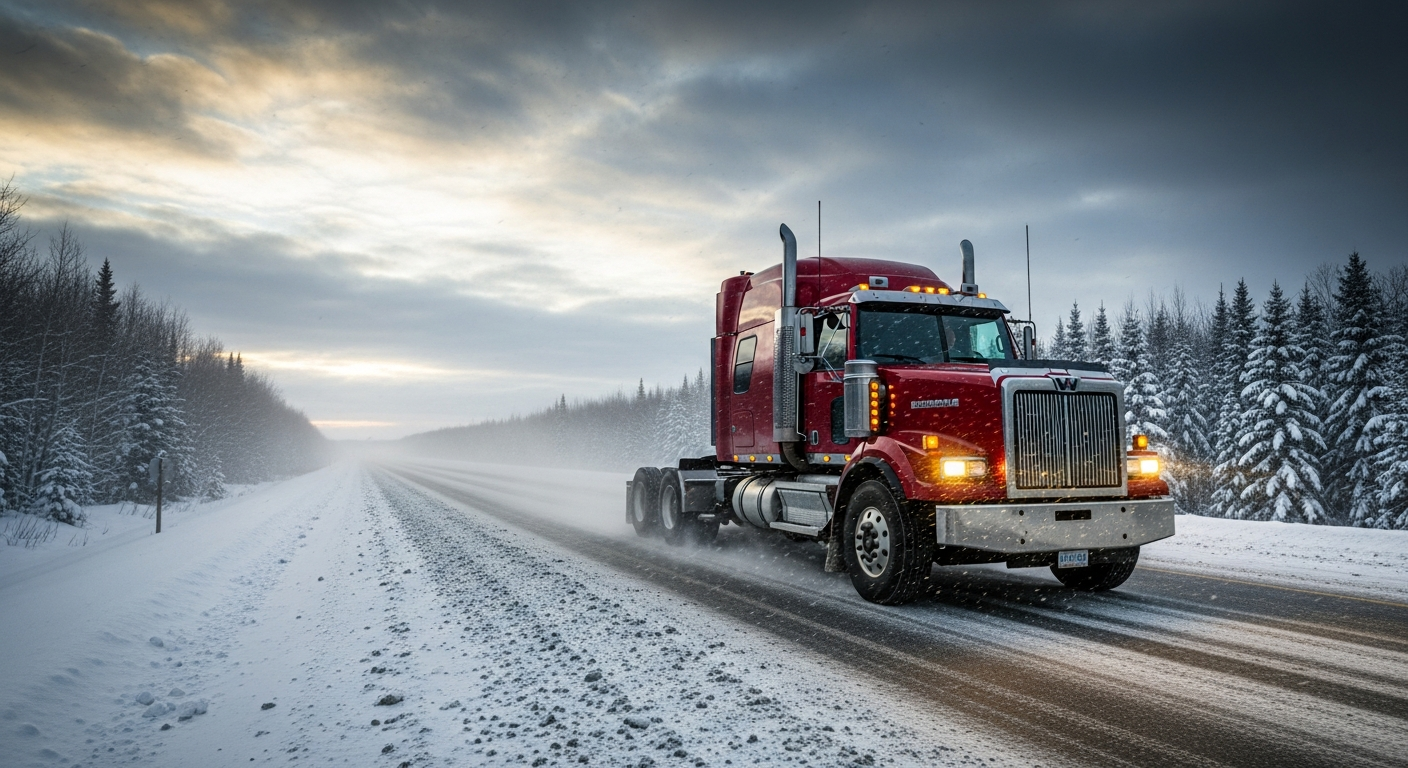
Most fulfillment advice quietly assumes your customers live in cities. But Canadian brands that want true national coverage eventually face the North: Yukon, the Northwest Territories, Nunavut, and the many remote and fly-in communities scattered across every province. Shipping there is not just 'more expensive' — it operates on fundamentally different infrastructure, seasons, and timelines. This playbook covers the surcharge reality, the three modes that actually move goods North (air, sealift, and winter ice roads), realistic transit expectations, and how to set customer expectations so remote orders are profitable rather than painful.
The geography that defines northern logistics
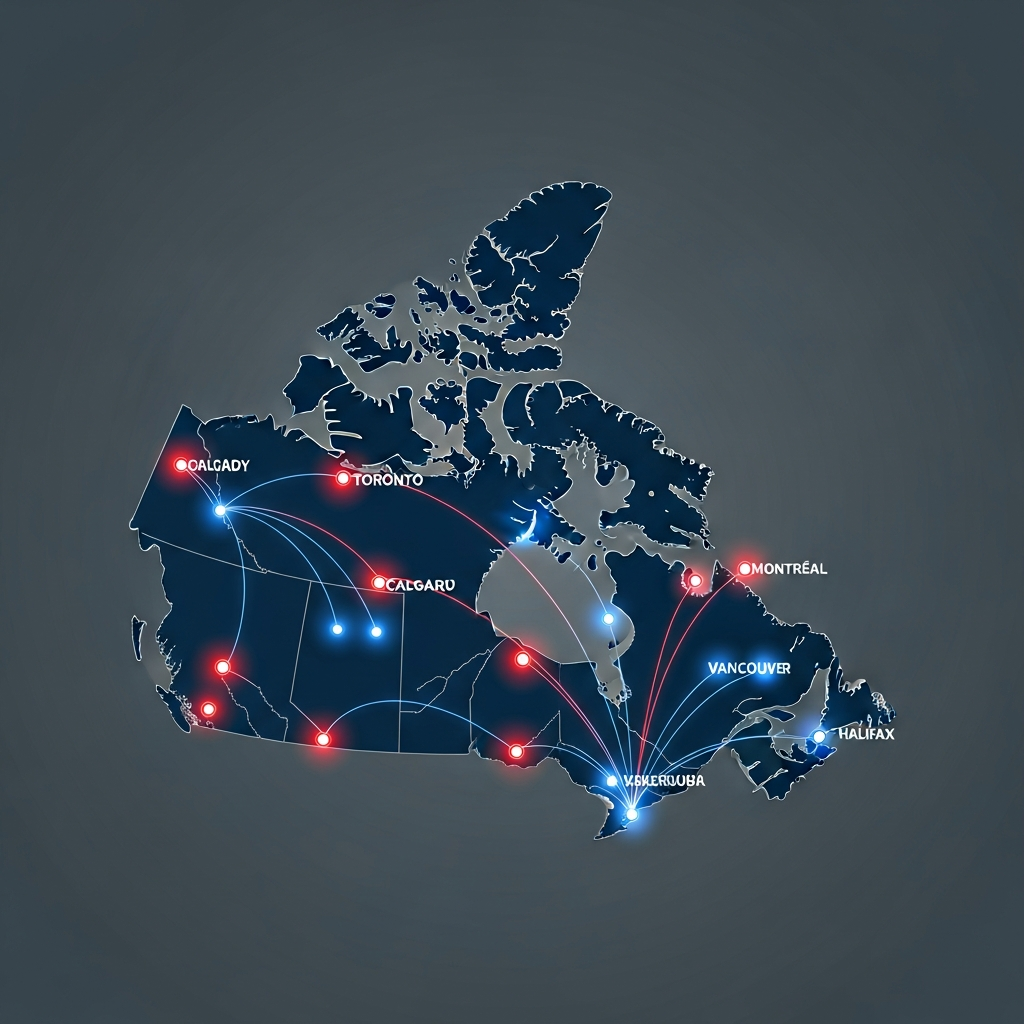
Most northern and remote communities have no year-round road connection at all. Goods arrive by air year-round (fast but expensive, weight-constrained), by sealift during the short ice-free shipping season (cheap per kilogram but only a few sailings a year), or over winter ice roads that exist for a few weeks when conditions allow. This means 'standard ground shipping' simply doesn't exist for large parts of the country. Planning northern distribution is about matching the cargo, the value, and the urgency to the right mode and the right season — not about finding a faster courier.
 The geography that defines northern logistics
Extended-area and remote surcharges
Every national carrier applies extended-area, remote, or northern surcharges to destinations beyond their core network, and these can rival or exceed the base shipping cost. They exist because the carrier is bridging the gap to air or specialized regional services. The mistake brands make is offering flat-rate or free shipping nationally without accounting for these zones — a handful of remote orders can erase the margin on dozens of urban ones. The fix is zone-aware shipping rules at checkout: surface real remote-shipping cost, or set clear regional policies, rather than absorbing an unknown liability.
Flat-rate 'free shipping Canada-wide' quietly subsidizes your most expensive remote orders with your cheapest urban ones. Zone-aware checkout rules protect margin without refusing the customer.
Air, sealift, and ice roads: choosing the mode
Each northern mode has a distinct cost/speed/season profile, and serious northern shippers use all three. Air handles year-round, time-sensitive, and high-value goods at premium per-kilogram rates. Sealift moves bulk, heavy, and non-urgent freight at far lower per-kilogram cost — but only during the ice-free window, with sailings that must be booked well in advance. Winter roads open a seasonal trucking corridor to certain communities for heavy goods that can wait for winter. The art is consolidating predictable demand onto sealift or winter roads while reserving air for what genuinely can't wait.
| Mode | Cost | Speed | Best for |
|---|
| Air | Highest per kg | Year-round, fast | Urgent, perishable, high-value |
| Sealift | Lowest per kg | Seasonal, slow, scheduled | Bulk, heavy, non-urgent |
| Winter / ice road | Moderate | Seasonal (weeks) | Heavy goods that can wait for winter |
| Road + regional carrier | Varies | Where roads exist | Communities with all-season roads |
Setting customer expectations and protecting margin
Northern customers are accustomed to longer timelines, but they are poorly served by vague promises. The brands that win in remote markets are explicit: realistic delivery windows by region, honest surcharge disclosure, and proactive communication when sealift seasons or weather affect transit. Operationally, consolidating a community's orders, pre-positioning inventory before sealift season, and offering pickup-point delivery where home delivery isn't viable all improve both economics and experience. Treating the North as a deliberate market — not an exception to apologize for — is what makes it sustainable.
- Show real remote-shipping cost or clear regional policies at checkout
- Publish honest delivery-window estimates by territory/region
- Pre-position predictable demand ahead of sealift season
- Consolidate community orders to share freight cost
- Communicate proactively around weather and seasonal windows
How ByExpress supports northern and remote orders
ByExpress uses carrier rate-shopping that includes Canada Post — the most complete network into remote and northern postal codes — and applies zone-aware logic so remote orders are priced and routed correctly rather than silently eroding margin. For brands with recurring northern demand, we help structure inventory positioning and order consolidation so the North becomes a profitable, well-served market instead of a series of one-off exceptions.
Frequently Asked Questions
Why is shipping to northern Canada so expensive?
Because most northern and remote communities have no year-round road access. Goods move by air (premium per kilogram), seasonal sealift, or winter ice roads. Carriers bridge the gap with extended-area and remote surcharges that can match or exceed the base shipping cost.
What is sealift?
Sealift is the seasonal marine resupply of northern communities during the ice-free window. It carries bulk, heavy, and non-urgent freight at far lower per-kilogram cost than air, but with only a few scheduled sailings per year that must be booked well in advance.
Should I offer free shipping to the territories?
Usually not as a flat national policy. Remote and extended-area surcharges can erase the margin from many urban orders. Use zone-aware checkout rules that surface real remote-shipping cost or set clear regional policies, so you serve the market without absorbing an unknown liability.
Which carrier reaches remote Canadian communities best?
Canada Post has the most complete reach into remote and northern postal codes, often connecting to regional air carriers for final delivery. For recurring or bulk northern demand, combining Canada Post for parcels with consolidated air or sealift for larger volumes is the typical approach.
How long does delivery to the North take?
It varies widely by community and season. Air-served destinations can receive parcels in days plus the surcharge zone transit; sealift-dependent goods may wait for the next scheduled sailing. The key is publishing honest region-specific delivery windows rather than promising standard ground timelines.
Related ByExpress resources