Guide · · 12 min read
LTL & Freight Class Shipping in Canada: A Practical Guide
When parcel stops making sense, freight begins. Here's how LTL pricing, freight class, and accessorials actually work for Canadian shippers.
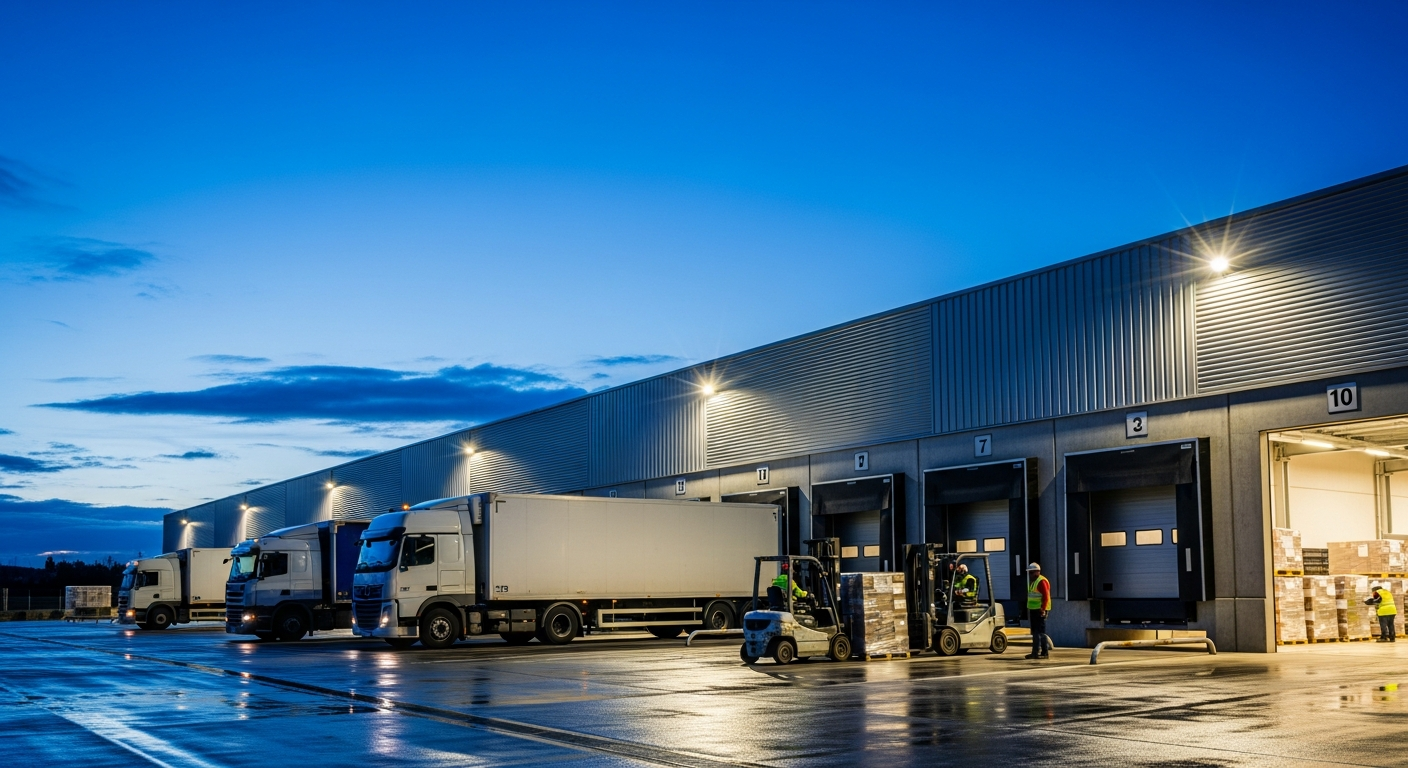
Most e-commerce conversations stop at parcel, but a huge share of Canadian product movement — restocking retail stores, replenishing fulfillment nodes, moving bulky or heavy goods — happens on freight. Less-than-truckload (LTL) freight is its own world with its own pricing logic, and shippers who treat it like parcel get burned by reclassifications, reweighs, and accessorial charges they never saw coming. This guide explains how LTL pricing is built, what freight class and NMFC actually mean, when full-truckload (FTL) becomes cheaper, and the pallet-prep discipline that keeps your freight invoices predictable.
What LTL is and when you need it
LTL freight consolidates shipments from multiple shippers onto one truck, so you pay for the space and weight you use rather than an entire trailer. It is the right mode when a shipment is too big or heavy for cost-effective parcel (generally more than ~68 kg / 150 lb, or more than a couple of pallets) but doesn't fill a full trailer. Typical LTL freight moves on pallets through a hub-and-spoke terminal network, which means more handling, longer transit than parcel express, and pricing driven by class, weight, distance, and accessorials.
 What LTL is and when you need it
Freight class and NMFC, explained without the jargon
Freight class is a standardized way of describing how hard a commodity is to ship, governed in North America by the NMFC (National Motor Freight Classification). Classes run from 50 (dense, durable, easy — cheapest) to 500 (light, bulky, fragile, or high-value — most expensive). Class is driven primarily by density (weight per cubic foot), plus handling, stowability, and liability. The single most common and most expensive mistake shippers make is declaring the wrong class: if the carrier inspects and reclassifies your freight, you get a 'reclass' adjustment on your invoice, often well above the original quote. Knowing your real density and correct NMFC item is the foundation of predictable LTL cost.
Reclass and reweigh adjustments are the top two causes of LTL invoice surprises. Measure and weigh palletized freight accurately before it ships — the carrier will, and their number wins.
Accessorials: the charges that wreck the quote
The base linehaul rate is rarely the whole bill. Accessorial charges cover services beyond simple dock-to-dock movement, and they are where unprepared shippers lose money. Common Canadian LTL accessorials include residential/limited-access delivery, liftgate (when there's no dock), inside delivery, appointment/notification, redelivery, and fuel surcharge. Each can add $30–$150+ per shipment. The fix is to declare every required accessorial up front so the quote reflects reality — surprise accessorials discovered at delivery are billed at higher rates than pre-arranged ones.
- Liftgate — required when origin or destination has no loading dock
- Residential / limited-access — homes, farms, schools, construction sites
- Inside delivery — beyond the threshold, not just to the door
- Appointment / notification — scheduled or call-ahead delivery
- Fuel surcharge — a variable percentage applied to linehaul
FTL vs LTL: where the break-even sits
Full-truckload (FTL) means you book the whole trailer for one shipment — no terminal handling, faster transit, and a flat lane rate regardless of how full it is. LTL wins for smaller shipments because you only pay for your portion. The crossover usually appears somewhere around 6–12 pallets or when a shipment approaches roughly half a trailer, but the real break-even depends on lane, season, and accessorial load. As a rule of thumb: below ~6 pallets, LTL almost always wins; above ~12 pallets or for fragile/high-handling freight, FTL (or a dedicated/partial truckload) often becomes both cheaper per unit and lower-risk because it eliminates terminal handling damage.
| Shipment size | Best mode | Why |
|---|
| 1–5 pallets | LTL | Pay only for space used; FTL would be mostly empty |
| 6–12 pallets | LTL or partial TL | Compare class-based LTL vs partial-truckload spot rate |
| 12+ pallets / fragile | FTL or dedicated | No terminal handling; flat lane rate wins per unit |
| Time-critical | FTL / expedited | Direct transit beats hub-and-spoke LTL |
Pallet prep that prevents damage and reclass
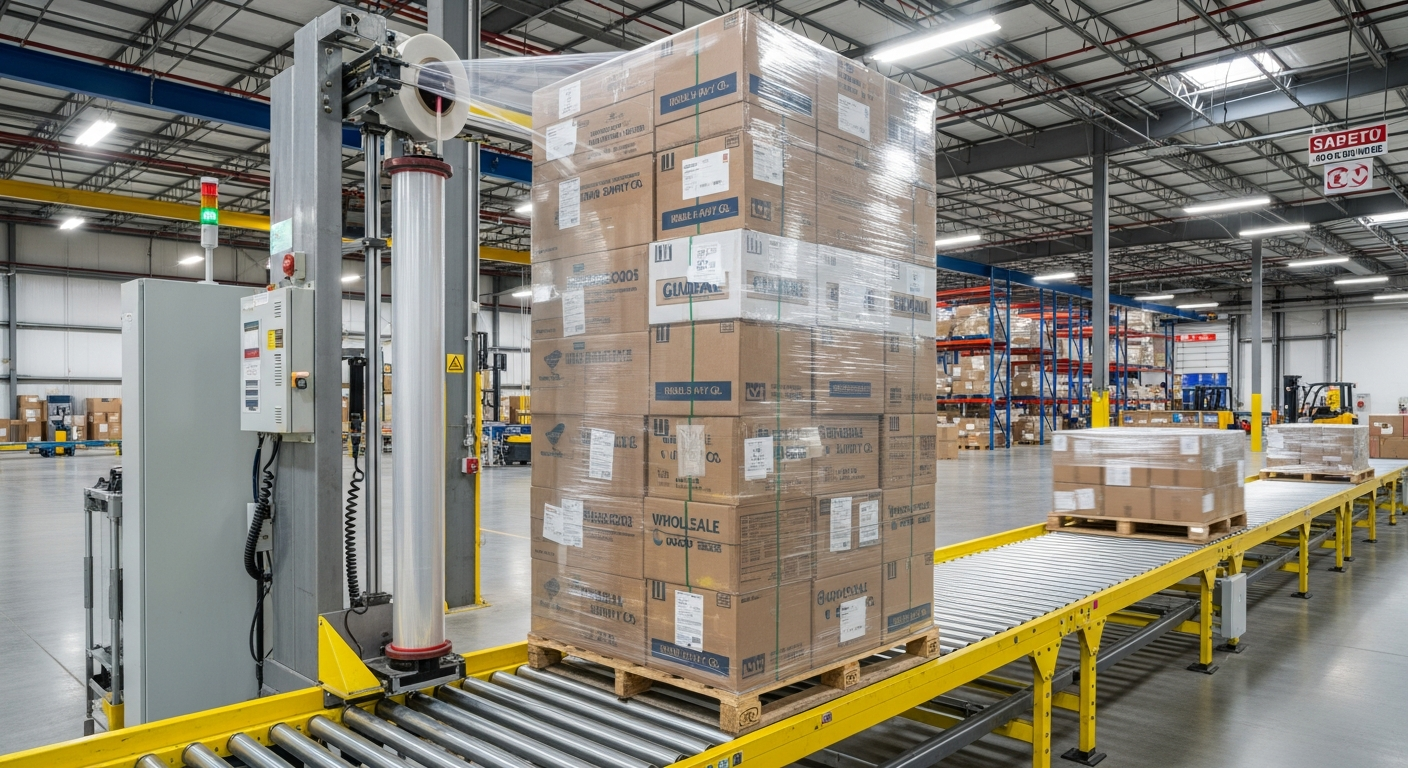
LTL freight is handled many times across a terminal network, so packaging discipline directly determines damage rates and claim outcomes. Freight should be stacked squarely on a structurally sound pallet, not overhanging the edges, shrink-wrapped tightly to the deck, with heavy items on the bottom and a stable, cube-like profile. Clear labeling on multiple sides, accurate piece counts, and a correct bill of lading (BOL) with the right NMFC class protect you both from damage and from billing disputes. Sloppy pallets cause two compounding problems: physical damage in transit and reclassification when the carrier re-measures an oddly shaped load.
 Pallet prep that prevents damage and reclass
How ByExpress manages freight
ByExpress handles both inbound freight (receiving containers and LTL/FTL into our fulfillment nodes) and outbound freight for retail replenishment and B2B orders. We build compliant pallets, generate accurate BOLs with correct freight class, declare accessorials up front, and rate-shop LTL carriers and partial-truckload options by lane. For brands selling into Canadian retail, this means cleaner chargeback-free deliveries to retailer DCs and freight invoices that match the quote.
Frequently Asked Questions
When should I switch from parcel to LTL freight?
Generally once a shipment exceeds about 68 kg (150 lb) or fills more than a couple of pallets, LTL becomes cheaper than parcel — and parcel carriers start applying oversize/overweight surcharges that erase any savings. Heavy, bulky, or multi-pallet shipments belong on freight.
What is freight class and why does it matter?
Freight class (NMFC) is a standardized rating of how difficult a commodity is to ship, from class 50 (dense, cheap) to 500 (light/bulky/fragile, expensive). It's driven mainly by density. Declaring the wrong class leads to costly reclassification adjustments on your invoice, so getting it right is essential.
What are LTL accessorial charges?
Accessorials are add-on charges for services beyond dock-to-dock transport — liftgate, residential delivery, inside delivery, appointment, redelivery, and fuel surcharge. They can add $30–$150+ per shipment. Declare all required accessorials up front, because surprise accessorials are billed at higher rates.
How do I avoid reclass and reweigh charges?
Measure and weigh your palletized freight accurately before it ships, declare the correct NMFC class, and build square, non-overhanging pallets. Carriers inspect and re-measure freight; if their numbers differ from your BOL, they bill the difference. Accurate data up front prevents these adjustments.
Is FTL ever cheaper than LTL?
Yes — above roughly 12 pallets, for fragile/high-handling freight, or on time-critical lanes, full-truckload (or partial-truckload) often beats LTL per unit because it removes terminal handling and uses a flat lane rate. Always compare class-based LTL against a partial-TL spot quote in the 6–12 pallet range.
Related ByExpress resources