Guide · · 10 min read
Toronto Cold-Chain & Temperature-Controlled Fulfillment (2026)
Cold-chain fulfillment in the GTA spans ambient-plus to deep-frozen. Here's how the tiers, CFIA rules, DTC packaging, and carrier realities work in 2026.
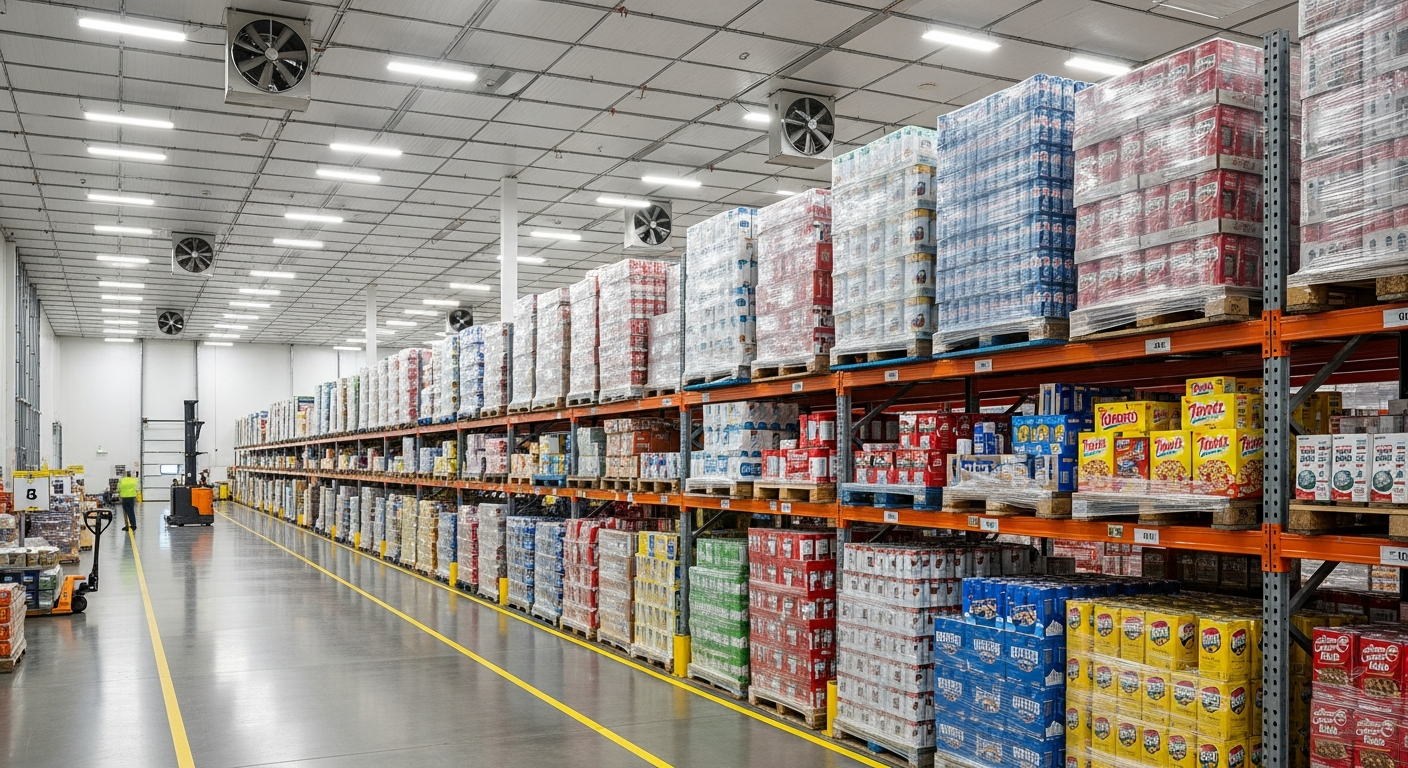
Temperature-controlled fulfillment is one of the harder logistics specialties to do well, and demand for it in the GTA keeps growing across food, beverage, supplements, and DTC frozen and refrigerated brands. 'Cold chain' is not one thing — it spans several distinct temperature tiers, each with different equipment, labour, compliance, and packaging needs. This 2026 guide explains the tiers, what CFIA expects, how DTC frozen and refrigerated parcels are actually packed and shipped, the carrier realities in the GTA, and how to vet a cold-chain 3PL so you don't pay frozen prices for refrigerated capability.
Cold-chain temperature tiers and what they mean
Temperature-controlled handling spans several tiers, and the gap between them is operationally large — refrigerated capability does not validate frozen handling, and vice versa. When you evaluate a GTA cold 3PL, ask precisely which tiers they operate and how each is monitored.
- Ambient-controlled (~15–22°C): protects against heat/cold extremes for sensitive dry goods
- Cool (~8–12°C): some produce, confectionery, certain beverages
- Refrigerated (~2–4°C): dairy, fresh prepared foods, many supplements and beverages
- Frozen (around –18°C): frozen foods, ice cream, ready-to-cook meals
- Deep-frozen / specialty (colder than –18°C): select products requiring lower setpoints
'Refrigerated' alone does not mean 'frozen.' The two require different rooms, racking, forklifts, labour rotations, and compliance documentation — always confirm the exact tier you need.
CFIA compliance for temperature-controlled food
The Canadian Food Inspection Agency regulates food safety, traceability, and labelling for nearly all food in Canadian commerce. For a GTA cold-chain operation handling food, the key obligations include a documented preventive-control plan, continuous temperature monitoring with logs, traceability one step forward and one step back, allergen and cross-contamination controls, and bilingual labelling for products sold in Canada. Gaps in temperature logs and traceability are among the most common inspection findings, so disciplined record-keeping is core to a credible cold 3PL — not an afterthought.
 CFIA compliance for temperature-controlled food
DTC frozen and refrigerated packaging
Shipping temperature-sensitive products directly to consumers is a packaging-engineering problem. The goal is to keep product within its safe range for the entire transit window, accounting for worst-case weather and carrier dwell time. Operators typically validate an insulated shipper plus coolant combination against the longest expected transit, then standardize it per SKU and season. Summer and winter packouts often differ.
- Insulated liners or EPS/recyclable insulated boxes sized to the order
- Gel packs for refrigerated; dry ice for frozen (with required handling/labelling)
- Validated pack-outs tested against worst-case transit time
- Seasonal packout adjustments (summer vs winter)
- Clear 'perishable — refrigerate on arrival' messaging for the customer
GTA carrier realities for temperature-sensitive parcels
Last-mile is where cold chains succeed or fail. For DTC, the practical approach is short transit windows — same-day or next-day within the GTA and 1–2 day to nearby markets — using carriers and service levels that move quickly and minimize dwell. Dense GTA coverage helps: same-day and next-day options are stronger here than in most Canadian markets. For longer destinations, frozen and refrigerated DTC becomes harder and more expensive, which is why brands often cap how far they ship perishables by ground or upgrade to expedited service.
 GTA carrier realities for temperature-sensitive parcels
B2B cold-chain: retail DCs and foodservice
Beyond DTC, GTA cold-chain 3PLs serve B2B flows into grocery retail DCs and foodservice distributors. These channels demand appointment-booked deliveries, EDI/ASN compliance, SSCC pallet labelling, strict palletization, and reefer transport that maintains setpoint end to end. Chargebacks for temperature excursions, late appointments, or labelling errors are real costs, so the operational bar for B2B cold chain is high — and it rewards a 3PL with disciplined dock scheduling and reefer fleet coordination.
How to vet a GTA cold-chain 3PL
Ask for specifics, not adjectives. Which exact temperature tiers do they operate, and where are the rooms? How is temperature monitored and logged, and can they produce the records on demand? What is their CFIA preventive-control posture? For DTC, can they show validated pack-outs by season and the transit windows they support? For B2B, can they meet retailer appointment, EDI, and palletization rules? The right partner answers all of these concretely — vague answers are the warning sign.
Frequently Asked Questions
What's the difference between refrigerated and frozen fulfillment?
Refrigerated is roughly 2–4°C (dairy, fresh prepared foods, many beverages); frozen is around –18°C (frozen foods, ice cream). They need different rooms, racking, forklifts, labour, and compliance documentation, so confirm the exact tier you require.
Do I need CFIA compliance for cold-chain fulfillment in Toronto?
If you handle food, almost certainly. Expect a documented preventive-control plan, continuous temperature logs, traceability records, allergen controls, and bilingual labelling. Temperature-log and traceability gaps are common inspection findings.
Can I ship frozen products direct to consumers from the GTA?
Yes, with validated pack-outs (insulated shipper plus dry ice for frozen or gel packs for refrigerated) tested against worst-case transit, and short transit windows using fast carrier services. Longer destinations get harder and more expensive.
How far can I ship perishables by ground from Toronto?
It depends on your validated packout and the product's safe window, but most brands keep frozen/refrigerated DTC to same-day, next-day, or 1–2 day zones and either cap distance or upgrade to expedited service for farther destinations.
What should I ask a cold-chain 3PL before signing?
Which exact temperature tiers they operate, how temperature is monitored and logged, their CFIA preventive-control posture, validated DTC pack-outs by season, and their ability to meet retailer appointment, EDI, and palletization rules for B2B.
Related ByExpress resources