Guide · · 11 min read
Toronto Food & Beverage Distribution (2026): Retail DCs, Foodservice & Cold Chain
The GTA is Canada's biggest food market. Here's how food and beverage distribution actually works — retail DCs, foodservice, CFIA rules, and cold chain.
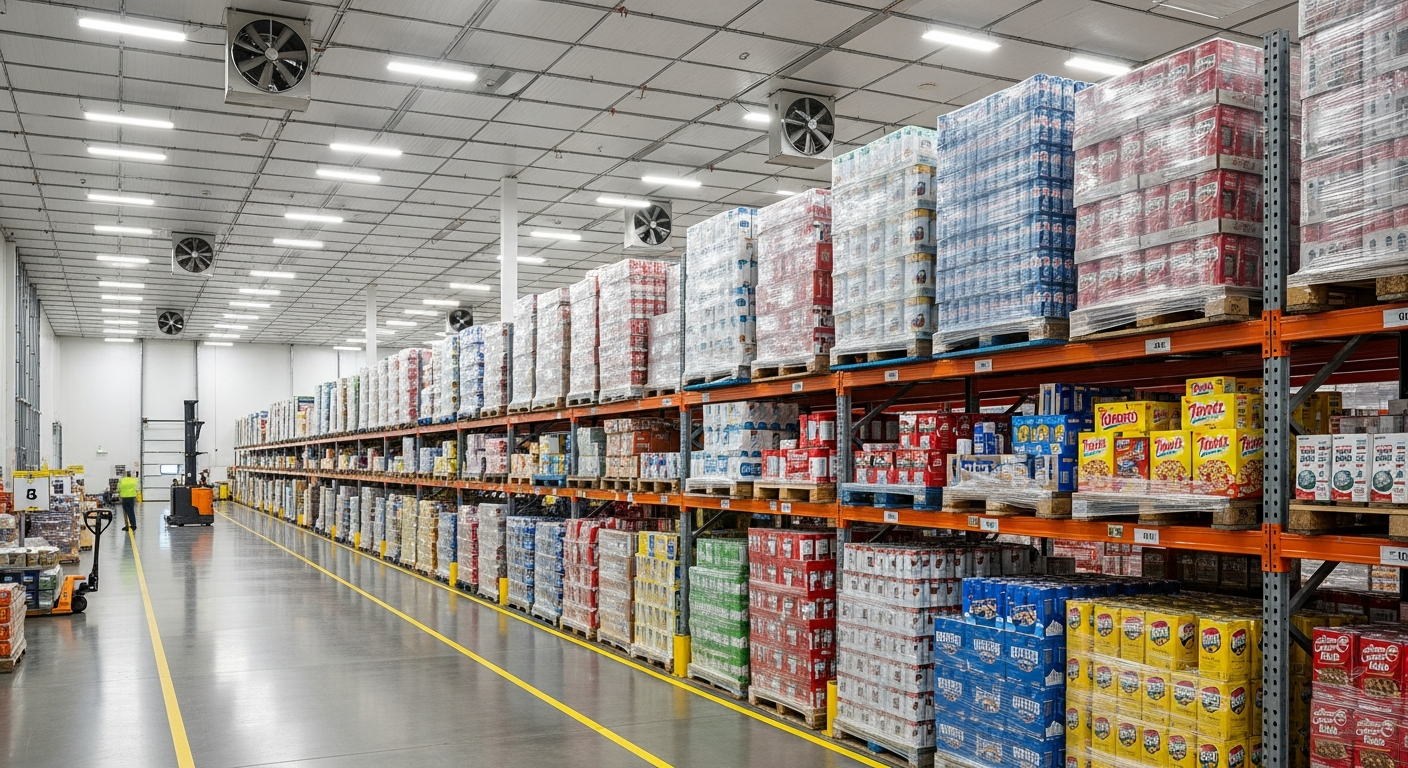
The Greater Toronto Area is Canada's largest consumer market and its biggest food and beverage distribution arena. Every major grocery chain serves the region, the country's largest foodservice distributors operate GTA capacity, and a deep base of importers, manufacturers, and DTC food brands moves product through GTA warehouses. Distribution here is shaped by retail DC routing rules, separate foodservice channels, CFIA compliance, and cold-chain requirements that touch most SKUs. This 2026 guide walks operators through who distributes food in the GTA, how freight flows into retail and foodservice, what CFIA expects, and how to choose a food-capable 3PL.
Who distributes food and beverage in the GTA
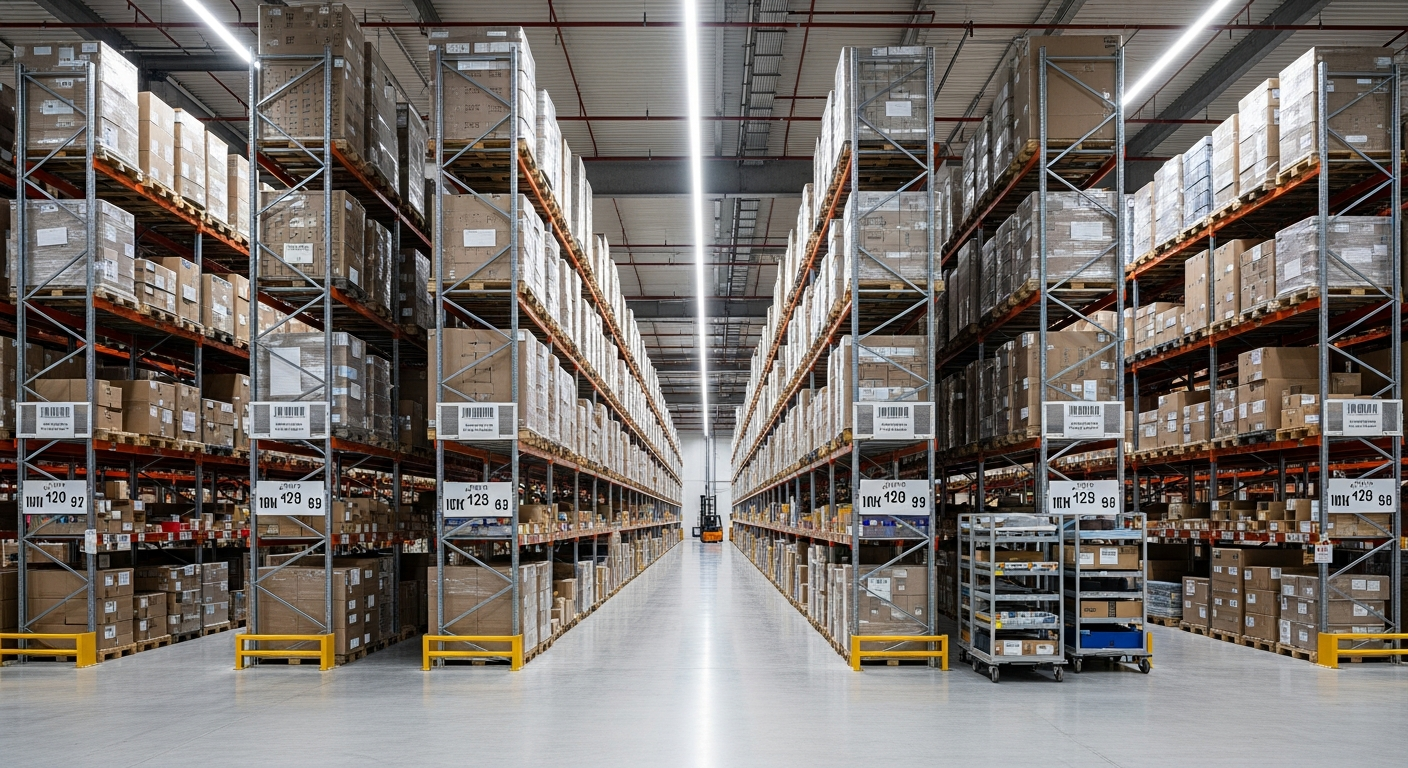
Three layers operate in the GTA. National grocery retailers (Loblaws and its banners, Metro, Sobeys/Empire, Walmart Canada, Costco) run large DC networks — many of their primary Ontario DCs are located in the GTA's industrial belt — and supply stores on scheduled replenishment. National and regional foodservice distributors (Gordon Food Service, Sysco, Flanagan Foodservice and others) serve restaurants and institutions from their own cold-capable DCs. And a wide base of importers, manufacturers, and independent 3PLs handles overflow, peak-season, DTC food, and emerging brands. Knowing which layer you're selling into determines almost everything about how you ship.
 Who distributes food and beverage in the GTA
How freight flows into GTA grocery retail
Each grocery retailer runs its own receiving model, but the common requirements are strict and chargeback-enforced. Suppliers ship to the retailer's DC (not directly to stores) on a booked appointment, with EDI order and ASN documents, SSCC pallet labels, specified case-packs, and palletization to the retailer's standard. Miss any of these and you risk a chargeback or a refused delivery. The practical takeaway for brands and 3PLs: master each target retailer's routing guide before the first PO ships.
- Appointment-booked deliveries to the retailer's DC
- EDI purchase orders and advance ship notices (ASN)
- SSCC pallet/carton labelling and accurate box-content data
- Retailer-specified case-packs and palletization standards
- OS&D and temperature-compliance documentation for chilled/frozen
Retail grocery is a compliance game. The cost of mastering a retailer's routing guide is far lower than a steady stream of chargebacks and refused loads.
Foodservice: the parallel channel
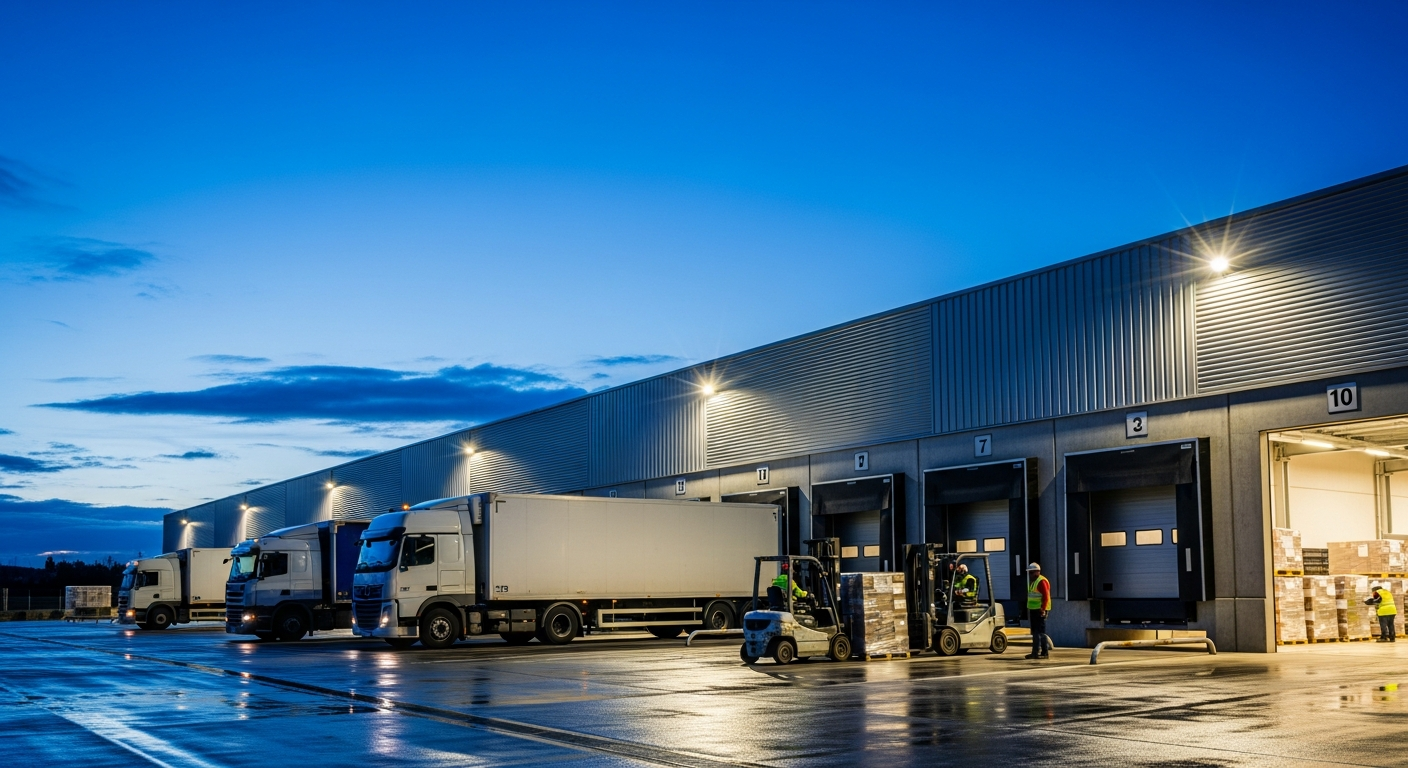
Foodservice — restaurants, hotels, hospitals, schools, corporate cafeterias — operates separately from retail grocery. National and regional distributors (Gordon Food Service, Sysco Canada, Flanagan and others) run cold-capable DCs and multi-stop daily delivery routes to operators across the GTA. For a food brand, breaking into foodservice means meeting these distributors' onboarding, case-pack, and pricing requirements, which differ from retail. Foodservice volumes can be large and steady, but the channel rewards reliability and consistent product specs.
 Foodservice: the parallel channel
CFIA compliance for GTA food distribution
The Canadian Food Inspection Agency regulates food safety, traceability, and labelling for nearly all food in Canadian commerce. GTA distributors and food 3PLs generally need a documented preventive-control plan, traceability one step forward and one step back, temperature monitoring and logs for all temperature-controlled inventory, allergen and cross-contamination controls, and bilingual labelling for products sold in Canada. CFIA conducts site inspections, and gaps in temperature logs and traceability are among the most common findings — so disciplined record-keeping is foundational.
Cold chain across the food categories
Most food and beverage distribution touches the cold chain at some tier — cool produce holding, refrigerated dairy and fresh prepared foods, or frozen. Each tier needs its own rooms, racking, forklifts, labour rotations, and reefer transport that holds setpoint end to end. A GTA food 3PL should be explicit about which tiers it operates and how it monitors them, because a temperature excursion in transit or storage can mean rejected loads, chargebacks, and food-safety risk. For DTC food brands, refrigerated and frozen parcel fulfillment adds validated insulated packouts and fast carrier service on top.
Ask any food 3PL exactly which temperature tiers they run and how they're monitored. 'We do cold storage' is not a specification — refrigerated and frozen are different operations.
Beverage distribution specifics
Beverages add their own wrinkles: weight and density that affect palletization and freight cost, breakage risk for glass, and channel rules for regulated categories. Non-alcoholic beverages (water, juice, coffee, functional drinks) flow through retail and foodservice like other grocery, while alcohol is a separate regulated channel governed in Ontario by the AGCO with its own distribution and DTC rules. A GTA 3PL handling beverages should plan palletization for weight, protect against breakage, and — for alcohol — operate within the applicable AGCO authorizations.
Choosing a GTA food & beverage 3PL
Match the 3PL to your channel and product. For retail, confirm fluency with retailer routing guides, EDI/ASN, SSCC labelling, and booked-appointment delivery. For foodservice, confirm experience with distributor onboarding and case-pack rules. For all food, verify CFIA posture, the exact cold-chain tiers operated, and how temperature is monitored and logged. For DTC food, confirm validated packouts and fast carrier service. The right partner answers each concretely and can switch between channels from one inventory pool.
Frequently Asked Questions
Who are the major food distributors serving the GTA?
National grocery retailers (Loblaws and banners, Metro, Sobeys/Empire, Walmart Canada, Costco) with large GTA-area DCs, national foodservice distributors (Gordon Food Service, Sysco, Flanagan), plus importers, manufacturers, and independent 3PLs handling overflow and DTC food.
What does it take to ship into a GTA grocery DC?
Booked-appointment delivery to the DC, EDI purchase orders and ASNs, SSCC pallet/carton labels, retailer-specified case-packs and palletization, and temperature-compliance documentation for chilled and frozen. Non-compliance leads to chargebacks or refused loads.
Do I need CFIA compliance to distribute food in Toronto?
Almost certainly. Expect a documented preventive-control plan, traceability, temperature monitoring and logs, allergen controls, and bilingual labelling. CFIA inspects sites, and temperature-log and traceability gaps are common findings.
How is alcohol distribution different in Ontario?
Alcohol is a separate regulated channel governed by the AGCO, with its own distribution and DTC rules and authorizations. A 3PL handling alcohol must operate within the applicable AGCO framework, unlike general food and non-alcoholic beverages.
What should I look for in a GTA food & beverage 3PL?
Channel-matched capability: retail routing-guide fluency (EDI/ASN, SSCC, appointments) for grocery, distributor onboarding for foodservice, verified CFIA posture, the exact cold-chain tiers operated and how they're monitored, and validated packouts for DTC food.
Related ByExpress resources