Guide · · 9 min read
Vancouver and San Francisco: Tech Startups and Automated Inventory Control
Tech startups in Vancouver and San Francisco are pushing the frontier of automated inventory control — robotics, AI forecasting, autonomous mobile robots, computer vision QC. Here's what's working and what merchants should adopt.
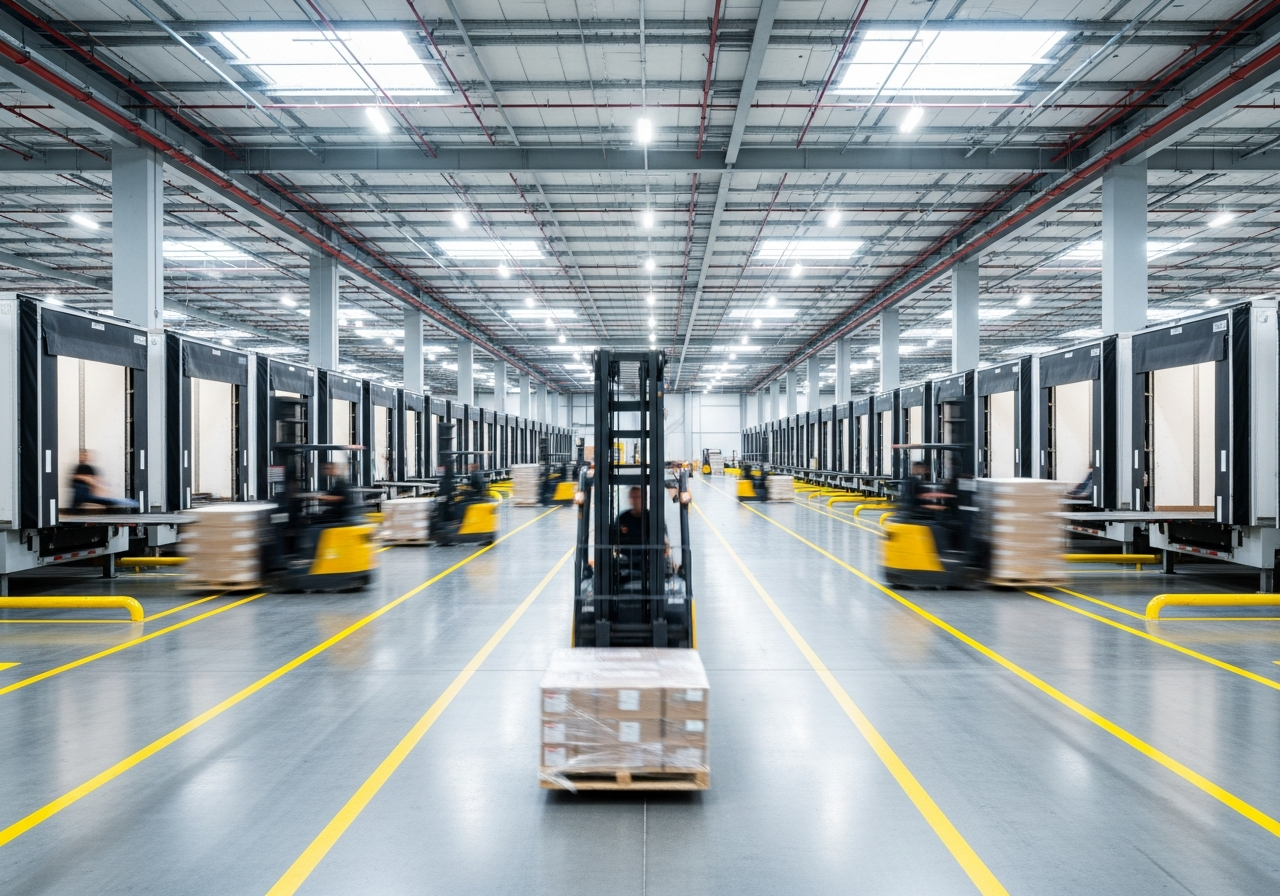
Vancouver and San Francisco share more than tech culture and Pacific coastline. Both markets are pioneering the next generation of automated inventory control — autonomous mobile robots (AMRs), computer vision quality control, AI-driven demand forecasting, and unified inventory platforms that operate across continents. Tech startups in both cities are leading adoption, and the operational practices emerging from them are reshaping mainstream 3PL operations. This guide breaks down what's working, what's still hype, and what mid-market brands should adopt now.
What's actually changing in inventory control
Four shifts matter: (1) autonomous mobile robots are now production-ready and economically viable at facilities above ~50K sq ft — vendors like Locus, 6 River Systems, and Geek+ have proven deployments; (2) computer vision is being applied to receiving accuracy and pick verification, with measurable accuracy improvement; (3) AI demand forecasting at SKU-postal granularity is beating traditional time-series models for ecommerce SKUs with sufficient history; (4) unified WMS APIs are enabling cross-node inventory pooling that was operationally impossible 5 years ago.
Why Vancouver and SF lead adoption
Both markets have unique pressure that accelerated adoption: high industrial labour cost (drives robotics ROI), large concentration of tech-native ecommerce brands (drives data-first inventory practice), and proximity to robotics and AI vendors (Vancouver has a strong robotics R&D cluster; the Bay Area is the global AI talent hub). The result is meaningful divergence: Vancouver and SF 3PLs in 2026 operate with 30-40% lower per-unit labour cost than continental average through automation.
- Autonomous mobile robots in 50K+ sq ft facilities
- Computer vision receiving and pick verification
- AI demand forecasting at SKU-postal granularity
- Unified cross-node inventory APIs
- Real-time inventory accuracy approaching 99.95%
What mid-market brands should adopt now
Most of these capabilities don't require building your own. Modern 3PLs operating in both Vancouver and SF (or partnering across the corridor) expose these capabilities as standard service. The mid-market adoption priorities should be: (1) AI demand forecasting (immediate ROI on inventory turn); (2) unified WMS with API access (foundation for everything else); (3) computer vision QC (high accuracy benefit, low operational risk); (4) robotics only at scale (>$10M ecommerce GMV typically justifies it).
Don't buy the robot. Buy the 3PL with the robot. Most mid-market brands burn millions trying to operate their own automated facilities when a 3PL relationship delivers 80% of the benefit at 20% of the capex.
Frequently Asked Questions
Are autonomous mobile robots actually ROI-positive in 2026?
Yes, at scale. Vendors report 2-3x productivity improvement on pick operations in facilities above 50K sq ft with sustained pick volume. Below that scale, the capital cost typically exceeds labour savings.
What's the accuracy gain from computer vision receiving?
Best-in-class deployments report receiving accuracy improvement from 97% to 99.5%+ alongside 30-40% faster receiving throughput. The technology is production-ready for most freight types.
How does Vancouver compare to Toronto for automated 3PL operations?
Vancouver has a slight lead on robotics adoption driven by the local R&D cluster, but Toronto/GTA leads on absolute scale and is rapidly closing the gap. By 2027 most major 3PLs in both markets will offer comparable automated capability.