Guide · · 13 min read
Beauty Fulfillment in Canada: A Practical 2026 Operations Guide
Beauty fulfillment is its own discipline — fragile glass, batch and lot traceability, Health Canada cosmetic notification, premium unboxing expectations, and refrigerated SKUs in the post-clean-beauty era. Here's how to think about Canadian beauty 3PL operations.
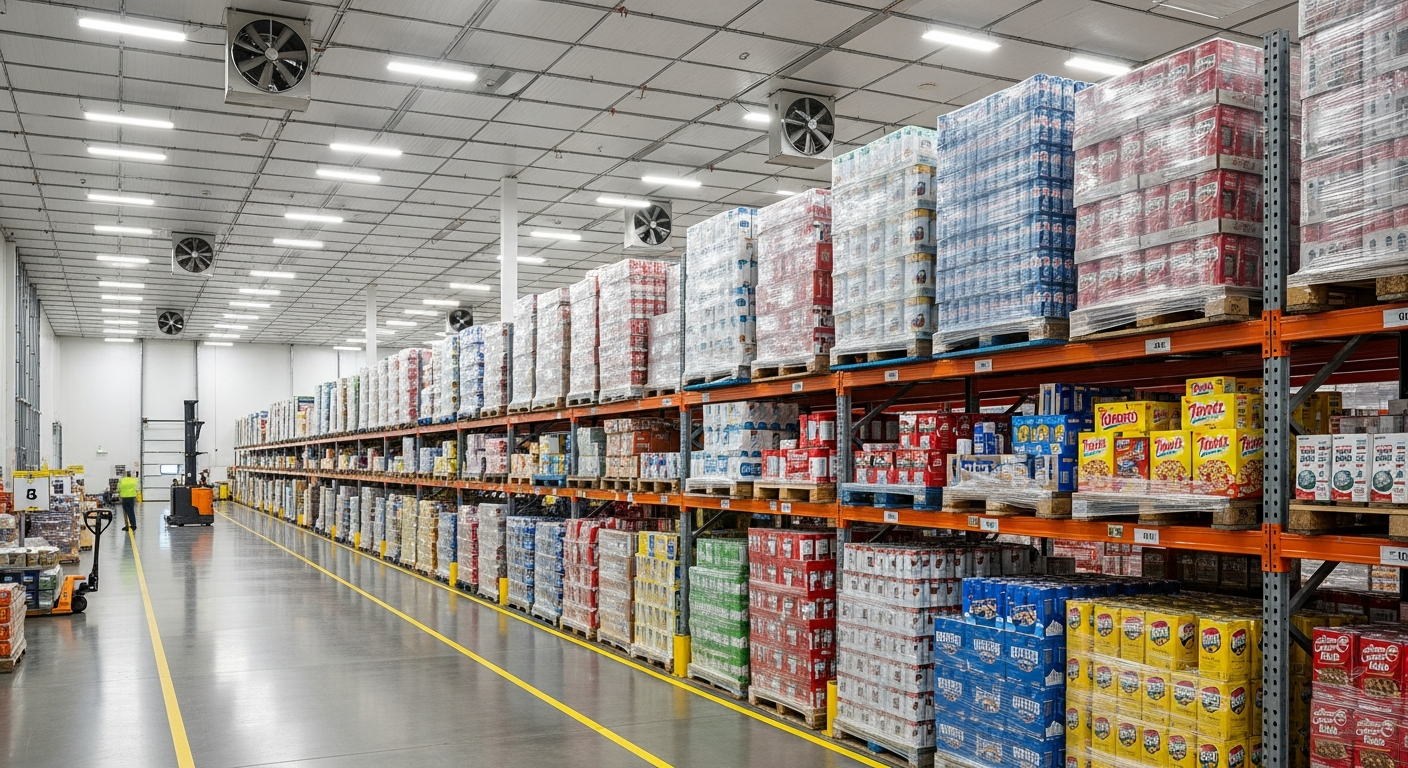
Beauty is one of the highest-growth e-commerce categories in Canada and one of the most operationally distinct from generic DTC fulfillment. Glass packaging that breaks at carrier handoffs. Health Canada Cosmetic Notification Form (CNF) requirements that need active management. Batch and lot traceability for product recall and quality investigation. Premium unboxing expectations that define brand perception. And, in the post-2022 clean beauty wave, a growing share of refrigerated SKUs that need cold chain handling. This guide explains what beauty fulfillment actually requires in Canada, what to demand from a beauty-specialized 3PL, and how the operational details quietly determine whether your brand can scale or burns out at $5M.
What makes beauty fulfillment different
Five operational realities define beauty fulfillment that don't apply to most other categories. Fragile packaging — glass droppers, glass bottles, ceramic compacts, fragile palette mirrors all demand careful packing materials and handling protocols. Damage rates on poorly-packed beauty shipments can run 4–8% versus under 1% for properly-packed; the difference is direct margin and direct customer experience. Batch and lot tracking — beauty products carry batch and lot codes used for quality investigation, recall response, and regulatory reporting. Your WMS needs to track which batch shipped to which customer. CNF compliance — Canadian cosmetic regulations require Cosmetic Notification Form filing with Health Canada within 10 days of first sale; your fulfillment data feeds this process. Unboxing expectations — beauty customers expect a specific premium experience: tissue paper, branded packaging, samples, sometimes hand-written notes. Refrigerated SKUs — clean beauty's growth has introduced refrigerated serums, ampoules, and specialized treatments requiring cold chain.
Beauty packing damage is the most under-tracked KPI in the category. Brands that don't measure damage rate at the SKU level miss the 80/20 problem: typically 15–20% of SKUs drive 60%+ of damage claims, almost always due to packaging design or pack-out procedures specific to those SKUs. Track damage by SKU, fix the top offenders, and watch your customer service load drop.
Health Canada cosmetic regulation and CNF compliance
Cosmetics sold in Canada are regulated under the Food and Drugs Act and the Cosmetic Regulations. The most consequential operational requirement is the Cosmetic Notification Form (CNF), which must be submitted to Health Canada within 10 days of first sale of any cosmetic in Canada. The CNF includes product name, intended use, full ingredient list, manufacturer information, and brand owner contact details. While CNF submission is the brand owner's responsibility (not the 3PL's), a beauty-specialized 3PL coordinates: ensures CNF is filed before product is released to fulfillment for new SKUs; flags ingredient changes that require CNF amendment; supports product recall workflows if Health Canada or the brand identifies a quality issue with a specific batch or lot. A 3PL with no awareness of CNF or cosmetic regulation is going to leave compliance gaps that eventually attract regulatory attention.
Batch and lot tracking: why it matters and how to implement
Every beauty product carries a batch or lot code printed on the packaging — a manufacturing-specific identifier used for quality control, recall management, and regulatory traceability. A serious beauty 3PL captures the lot code at receipt and tracks lot-to-customer mapping through pick and ship. When you need to issue a recall or investigate a quality complaint, you need to know exactly which customers received which lot. The operational discipline involves: scan-based receiving that captures lot codes (not just SKU); FIFO (first-in-first-out) pick logic that ships oldest lots first to manage shelf life; lot-segregated bin or rack locations to prevent cross-contamination; and reporting that surfaces lot-level shipment history on demand. Brands without lot traceability cannot respond cleanly to quality issues — and Health Canada's recall procedures require it.
 Batch and lot tracking: why it matters and how to implement
Packing standards for beauty: the difference between $0.40 extra and 3% damage rate
Beauty packing is where premium 3PL pricing earns its keep. Standard DTC packing puts items in a box with crumpled paper. Beauty packing layers in: rigid void fill (corrugated dividers, custom-cut foam, or fitted cardboard inserts) preventing item-on-item contact; bubble wrap or specialized fragile-item wrap for individual glass bottles; size-matched boxes (oversized boxes allow glass to shift in transit); branded tissue paper folded to brand spec; sample inclusion (most beauty brands include 2–4 samples per order); printed inserts (thank-you cards, ingredient stories, ritual guides); and specific tape and seal aesthetics. The cost premium runs $0.40–$1.20 per order versus generic packing — but the damage rate difference can be 4–6 percentage points, which dwarfs the packing cost in any reasonable margin model. Every beauty brand should measure damage rate by packing protocol and optimize accordingly.
Beauty subscriptions and kit assembly
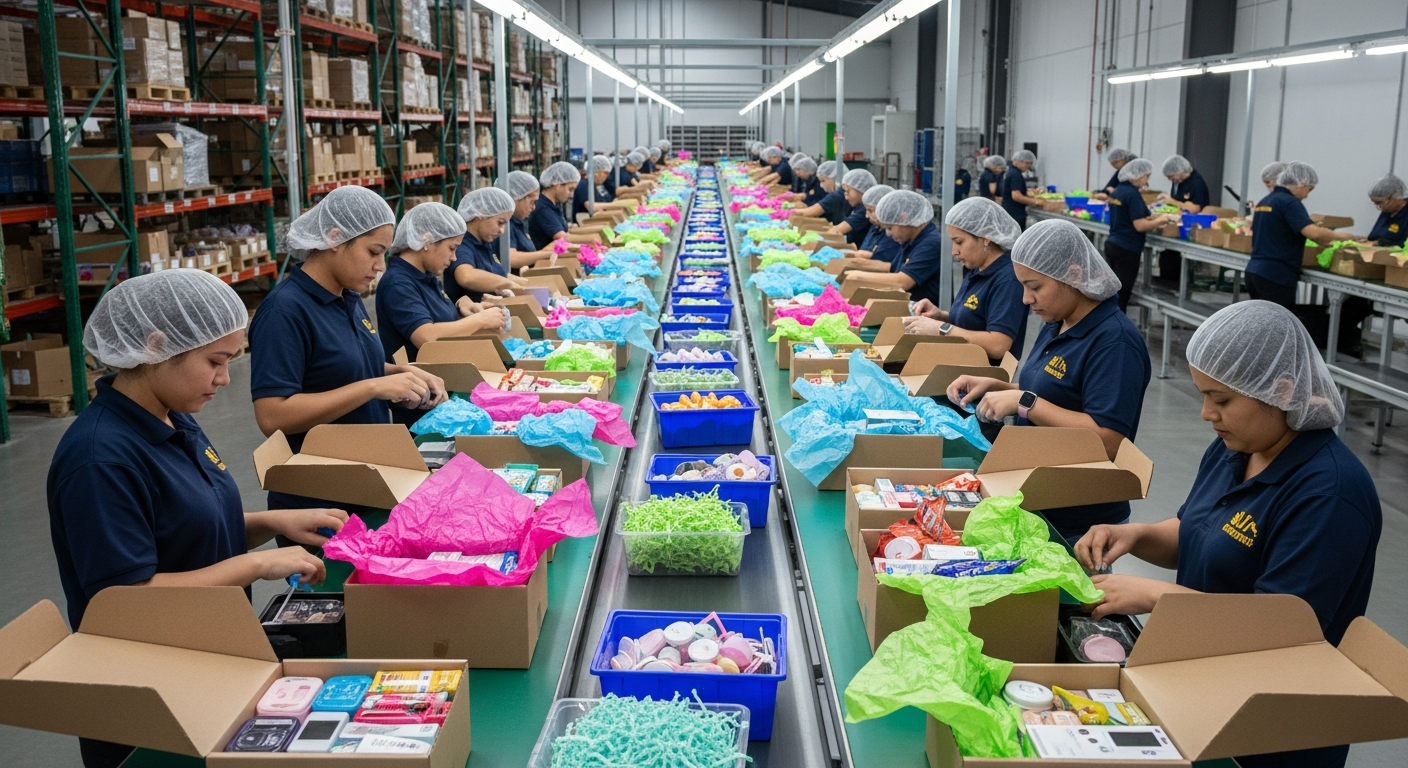
Subscription boxes, GWP (gift-with-purchase) kits, and seasonal collection bundles are core beauty operations that require kitting capability beyond standard pick-and-pack. Subscription kits typically assemble 4–8 component SKUs into a single curated box, often with month-specific or theme-specific packaging variations. GWP fulfillment requires automatic kit triggering when qualifying purchase thresholds are met. Seasonal collections require pre-built kits that ship as single SKUs to the consumer. The operational discipline involves: kitting line capacity sized to subscription cycle peaks (typically the first two weeks of each month for most beauty subscription brands); component-level inventory tracking so the kit's component SKUs deplete correctly when the kit ships; rework capability for failed kits; and quality verification on assembled kits before they enter the ship queue.
 Beauty subscriptions and kit assembly
Refrigerated beauty: the operational consideration
Clean beauty's emphasis on preservative-free formulations has introduced a meaningful and growing share of beauty SKUs requiring refrigeration: vitamin C serums, peptide treatments, certain probiotics, ampoules, and some active-ingredient skincare. Refrigerated beauty fulfillment shares operational requirements with food and pharmaceutical cold chain (refrigerated storage zones, validated thermal packouts, fast-transit carrier services) but at smaller per-shipment volumes that can make cold chain economics challenging. A brand with 5–15% refrigerated SKUs alongside a primarily ambient catalog has three options: dedicated cold chain 3PL for the entire catalog (expensive overkill); split fulfillment between an ambient 3PL and a separate cold chain operation (operational complexity); or an integrated 3PL with both ambient and refrigerated zones in the same facility (usually the right answer). See the cold chain fulfillment guide for the full operational deep-dive.
What to look for in a beauty-specialized Canadian 3PL
Beyond standard 3PL evaluation: documented batch and lot tracking with SKU-level customer ship history; awareness of and operational support for Health Canada CNF requirements; beauty-specific packing protocols with documented damage rates by SKU; bilingual documentation for Quebec retail compliance; refrigerated zone capability if your catalog includes any cold chain SKUs; subscription and kitting capability sized to your peak cycles; sample and GWP automation; integration with beauty-specific platforms (Shopify Plus is dominant in Canadian beauty, BigCommerce common for B2B beauty distribution); and references from current beauty brand customers in your subcategory and volume tier. Avoid 3PLs whose beauty experience is one or two small accounts — the operational discipline shows at scale, not in claims.
Beauty fulfillment at ByExpress
ByExpress operates beauty fulfillment as a specialized practice across our Canadian network, with batch and lot tracking, FIFO pick logic, beauty-specific packing protocols, refrigerated zone capability for clean beauty SKUs, and subscription and kitting infrastructure sized to beauty cycle peaks. We coordinate with brand teams on Health Canada CNF processes and support recall workflows when needed. Bilingual operations support Quebec retail and Quebec consumer expectations natively. Standard reporting includes damage rate by SKU, lot-level ship history, and subscription kit assembly accuracy — the metrics that determine whether a beauty brand operates cleanly at scale or accumulates operational debt that eventually slows growth.
Frequently Asked Questions
What's different about beauty fulfillment versus generic DTC?
Five operational realities: fragile glass packaging requiring careful packing; batch and lot tracking for quality and recall response; Health Canada Cosmetic Notification Form (CNF) compliance; premium unboxing expectations defining brand perception; and a growing share of refrigerated SKUs from the clean beauty wave. Each of these requires specific operational discipline beyond standard fulfillment.
What is the Cosmetic Notification Form (CNF)?
CNF is a Health Canada filing required for any cosmetic sold in Canada, submitted within 10 days of first sale. It includes product name, intended use, ingredients, manufacturer details, and brand contact info. CNF is the brand owner's responsibility, but a beauty-specialized 3PL coordinates: ensuring CNF is filed before new SKUs ship, flagging ingredient changes that require amendment, and supporting recall workflows if needed.
Why does batch and lot tracking matter for beauty?
Every beauty product carries a batch/lot code on packaging used for quality control, recall management, and regulatory traceability. If a quality issue emerges with a specific batch, you need to know exactly which customers received product from that batch to issue targeted recalls or replacements. Without lot traceability, recalls become brand-wide and dramatically more expensive. A serious beauty 3PL captures lot codes at receipt and tracks lot-to-customer mapping through ship.
What's the typical damage rate for beauty shipments?
Properly packed beauty runs under 1% damage rate. Poorly packed beauty can run 4–8%, with glass bottles and droppers being the highest-damage SKUs. The packing cost difference between adequate and excellent beauty packing is typically $0.40–$1.20 per order — dwarfed by the damage cost difference at any reasonable margin. Track damage rate by SKU and by packing protocol.
Do I need refrigerated fulfillment for my beauty brand?
Only for SKUs requiring it — typically clean beauty serums, ampoules, peptide treatments, vitamin C in unstable form, and specific probiotics. Most beauty catalogs are 85–95% ambient with a small refrigerated subset. The right operational answer is usually an integrated 3PL with both ambient and refrigerated zones in the same facility, rather than splitting fulfillment between an ambient and a cold chain provider.
How does subscription kitting work for beauty brands?
Beauty subscription boxes assemble 4–8 component SKUs into a single curated box per cycle, with month-specific or theme-specific packaging. Operational requirements include kitting line capacity sized to monthly subscription peaks, component-level inventory tracking, rework capability for failed kits, and quality verification before kits enter the ship queue. A beauty-ready 3PL handles subscription kitting as a standard service alongside DTC fulfillment.
Related ByExpress resources