Guide · · 11 min read
BigCommerce 3PL: Fulfillment Integration Guide for Canadian Brands
BigCommerce powers a meaningful slice of mid-market Canadian DTC, particularly B2B and headless storefronts. Here's a practical guide to integrating BigCommerce with a Canadian 3PL — including multi-channel order routing, inventory sync, and avoiding the common integration pitfalls.
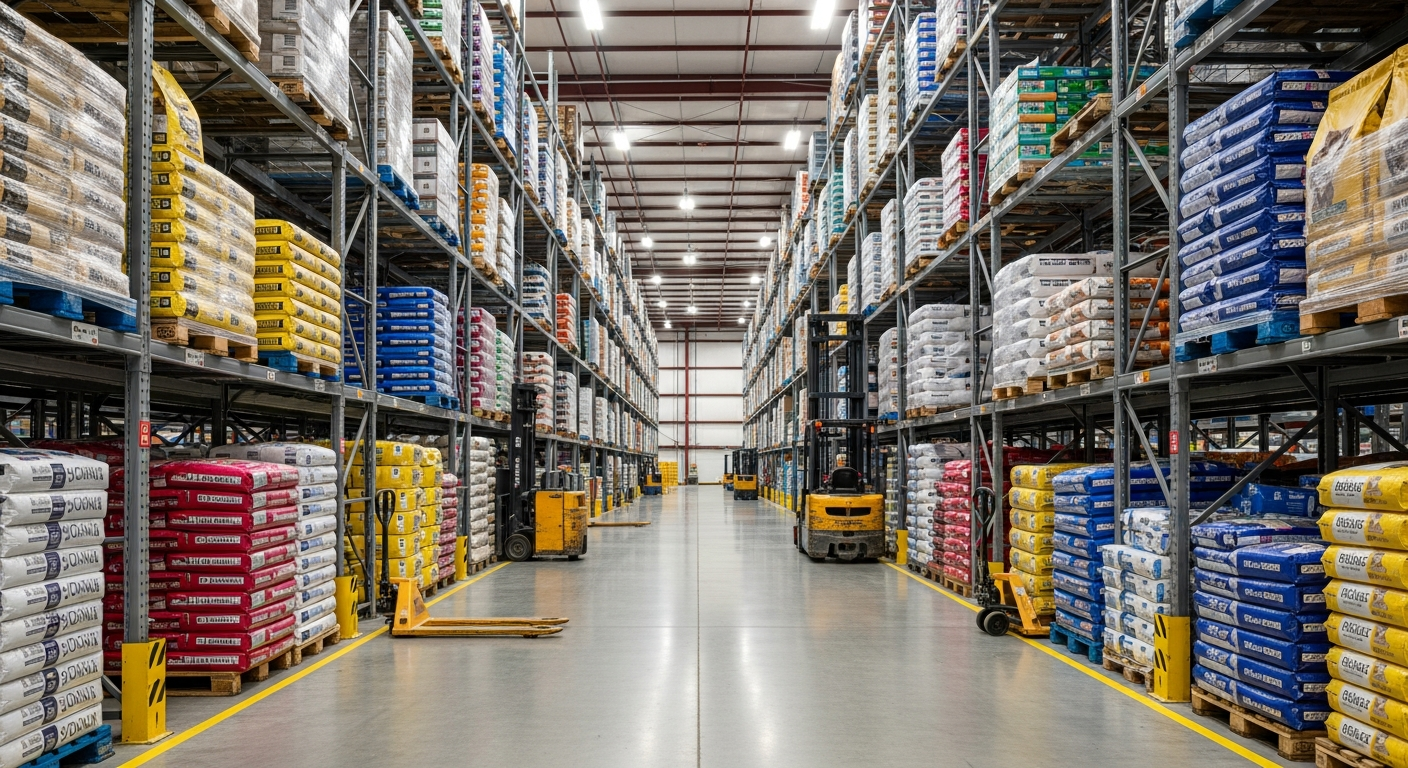
BigCommerce powers a meaningful slice of mid-market Canadian DTC and B2B e-commerce — particularly for brands with complex catalogs, B2B customer requirements, headless or hybrid storefront architectures, or multi-channel sales spanning their owned site plus marketplaces. While Shopify gets the lion's share of attention in Canadian fulfillment conversations, BigCommerce-specific integration patterns and operational requirements differ enough that brand operators evaluating 3PLs should understand them. This guide explains what BigCommerce-to-3PL integration actually involves, the most common operational patterns for Canadian BigCommerce brands, and what makes a 3PL genuinely BigCommerce-ready versus just 'compatible.'
Where BigCommerce fits in the Canadian market
BigCommerce's Canadian footprint concentrates in three segments. B2B and B2B-with-DTC: BigCommerce's B2B Edition has strong customer-group, price-list, and quote-management features that suit wholesale operations better than vanilla Shopify. Headless and composable commerce: BigCommerce's headless API access has been more mature than Shopify's for longer, attracting brands building custom front-ends with React, Next.js, or specific PIM systems. Mid-market with complex catalogs: BigCommerce handles large SKU counts, complex variant structures, and multi-store setups well, suiting catalog-heavy categories like auto parts, industrial supply, beauty multi-line, and home goods. For pure DTC brands with simple catalogs, Shopify usually wins on simplicity; for brands in BigCommerce's sweet spot, the platform choice often dictates 3PL evaluation criteria.
BigCommerce-to-3PL integration patterns
Three integration patterns dominate Canadian BigCommerce-3PL deployments. Native API integration: the 3PL has built a direct BigCommerce app or middleware connector that uses BigCommerce's REST and webhook APIs for real-time order sync, inventory sync, and tracking write-back. This is the cleanest pattern but requires the 3PL to maintain a current BigCommerce integration as the platform evolves. Middleware platform integration: order and inventory data flow through a middleware platform (Celigo, ShipStation, Easyship, Pipe17) that sits between BigCommerce and the 3PL's WMS. This is faster to deploy and easier to extend across multiple 3PLs, but adds a coordination layer and per-transaction cost. Direct WMS-to-WMS or ERP-to-3PL: in B2B-heavy operations, BigCommerce orders flow first to an ERP (NetSuite, SAP, Microsoft Dynamics), which then issues warehouse shipping orders to the 3PL. This is the most enterprise-friendly pattern but most complex to deploy.
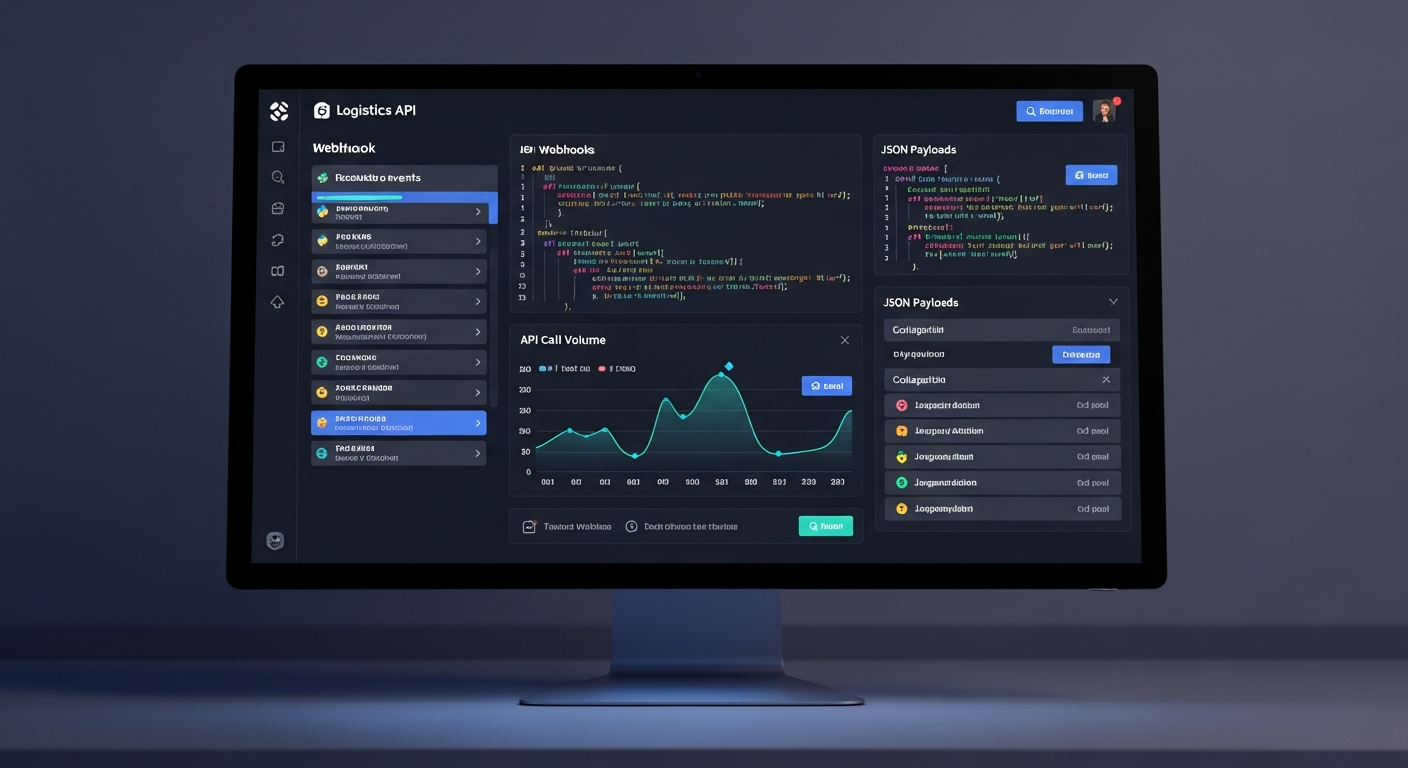 BigCommerce-to-3PL integration patterns
What good BigCommerce-3PL integration looks like
A well-implemented BigCommerce-3PL integration handles six critical functions cleanly. Order sync with sub-5-minute latency from BigCommerce checkout to WMS pick queue. Inventory sync that updates BigCommerce's available-to-sell within 5 minutes of any inventory event in the WMS (receipt, pick, return, adjustment). Tracking write-back that updates the BigCommerce order with carrier and tracking number within 30 minutes of shipment, triggering BigCommerce's customer notification email. Order status updates that flow back to BigCommerce in real time as orders move through the fulfillment workflow. Returns sync that updates inventory and order status when returns are received and processed. And error handling that surfaces sync failures, order holds, and exceptions to brand-side operations through a clear queue rather than letting them silently fail.
- Order sync: BigCommerce → WMS, sub-5-minute latency
- Inventory sync: WMS → BigCommerce, sub-5-minute latency, all events
- Tracking write-back: WMS → BigCommerce, sub-30-minute, triggers customer email
- Order status sync: full lifecycle, real-time updates
- Returns sync: WMS → BigCommerce, inventory and order status
- Error handling: visible queue, defined SLAs, automated alerting
Multi-channel order routing for BigCommerce brands
Most Canadian BigCommerce brands sell across multiple channels: their own BigCommerce storefront, plus some combination of Amazon, Walmart, eBay, Etsy, TikTok Shop, and B2B EDI accounts. The right operational architecture is usually a single inventory pool at the 3PL serving all channels, with order routing logic that decides which channel's order ships from which location and via which carrier. The integration question becomes: does the 3PL pull orders from each channel directly, or does BigCommerce act as the order management hub aggregating multi-channel orders before sending to fulfillment? Either pattern works; the wrong answer is having uncoordinated channel-specific integrations that fight each other for inventory allocation.
B2B-specific considerations for BigCommerce fulfillment
BigCommerce's B2B Edition includes features that affect fulfillment: customer-group-specific pricing (your 3PL invoices need to reflect customer-specific pricing for B2B accounts); quote-to-order workflows (orders enter the WMS only after quote acceptance, not at checkout); buy-on-account and net-terms checkout (orders ship before payment is collected, requiring different fraud and credit-risk discipline); freight quote integration for large orders (B2B orders often ship LTL or full truckload, requiring freight quote integration rather than parcel rate shopping); and PO number capture that flows from BigCommerce checkout through to packing slips and invoices. A 3PL handling BigCommerce B2B operations should understand and support each of these patterns natively, not as customizations.
Headless BigCommerce and 3PL integration
Brands running headless BigCommerce (custom front-ends consuming BigCommerce's commerce API) introduce one additional integration consideration: the source of truth for order events may be the front-end application, not BigCommerce itself. For 3PL integration purposes this rarely matters — orders still create through BigCommerce's order API and the 3PL integration sits at that layer — but inventory display logic and customer-facing order status pages may pull from the headless front-end. Confirm during onboarding that the 3PL's tracking write-back will trigger the customer notification flow your headless setup expects, and that inventory sync updates land where the front-end displays them.
What to look for in a BigCommerce-ready Canadian 3PL
Hard checks specific to BigCommerce: documented BigCommerce app or current middleware connector (not 'we can build something'); recent BigCommerce go-live references in your category and volume tier; sub-5-minute sync latency on orders and inventory; tested support for B2B Edition features if your operation uses them; experience with BigCommerce multi-store if you operate multiple storefronts (e.g., Canadian and US storefronts); freight quote integration if you ship LTL B2B; and clear error-queue UX so sync failures are visible and resolvable, not silent. Avoid 3PLs whose answer to 'do you support BigCommerce' is 'yes, we use ShipStation' — that's a middleware compatibility claim, not a BigCommerce integration capability.
 What to look for in a BigCommerce-ready Canadian 3PL
BigCommerce operations at ByExpress
ByExpress operates native BigCommerce integration via direct API and webhook with sub-5-minute sync latency on orders, inventory, and tracking. We support BigCommerce's B2B Edition features including customer-group pricing, quote-to-order workflows, buy-on-account checkout, and freight quote integration for LTL B2B shipments. Multi-channel operations are supported as a single inventory pool serving BigCommerce alongside Amazon, Walmart, Shopify, TikTok Shop, and EDI retail accounts, with order routing logic that allocates inventory and assigns fulfillment location per order. Headless BigCommerce deployments are supported with the same integration architecture as standard BigCommerce stores.
Frequently Asked Questions
Is BigCommerce a good fit for Canadian e-commerce?
Yes, particularly for B2B operations, headless and composable commerce architectures, mid-market brands with complex catalogs, and brands with strong customer-group or wholesale requirements. For simpler pure DTC, Shopify usually wins on platform simplicity; in BigCommerce's sweet spot (B2B, headless, complex catalog), the platform consistently outperforms.
How does BigCommerce integrate with a 3PL?
Three patterns: direct API integration (3PL's WMS connects directly to BigCommerce's REST and webhook APIs); middleware integration (Celigo, ShipStation, Easyship, Pipe17 sit between BigCommerce and 3PL); or ERP-mediated (orders flow through NetSuite, SAP, or Dynamics before reaching the 3PL). Direct API is cleanest; middleware is faster to deploy; ERP-mediated suits enterprise B2B operations.
Should I use middleware or direct integration?
Direct integration is preferred when your 3PL maintains a current native BigCommerce connector — sub-5-minute sync latency, no per-transaction middleware fees, single point of accountability. Middleware (ShipStation, Easyship) is appropriate when you operate multiple 3PLs simultaneously, when your 3PL doesn't have a native BigCommerce integration, or when you need cross-cutting features the 3PL doesn't natively offer.
Does BigCommerce work for B2B fulfillment?
Yes — BigCommerce's B2B Edition has strong B2B features (customer-group pricing, quote workflows, buy-on-account, PO capture) that suit wholesale and distributor operations. Your 3PL needs to understand and support these patterns natively for the integration to work cleanly. Confirm during 3PL evaluation that they have current B2B Edition deployments, not just generic BigCommerce experience.
Can I run BigCommerce alongside Amazon, Walmart, and TikTok Shop?
Yes, and this is the typical pattern for Canadian BigCommerce brands. The right operational architecture is a single inventory pool at the 3PL serving all channels, with order routing logic deciding fulfillment location and carrier per order. The 3PL needs direct integration to each channel (or middleware that aggregates them), with consistent inventory allocation rules across channels.
What's the typical sync latency for BigCommerce-3PL integration?
Best-in-class is sub-5-minute on orders and inventory and sub-30-minute on tracking write-back. Anything above 30 minutes on order sync (orders sitting in BigCommerce for an hour before reaching the WMS) is operationally problematic. Anything above 30 minutes on inventory sync creates oversell risk on fast-moving SKUs. Demand sub-5-minute commitments and ask for monitoring proof, not just claims.
Related ByExpress resources