Guide · · 10 min read
Cold Storage & Refrigerated Warehousing Rates in Canada (2026)
What refrigerated and frozen warehousing really costs in Canada in 2026 — the premium over ambient, the energy surcharges, and the compliance overhead.
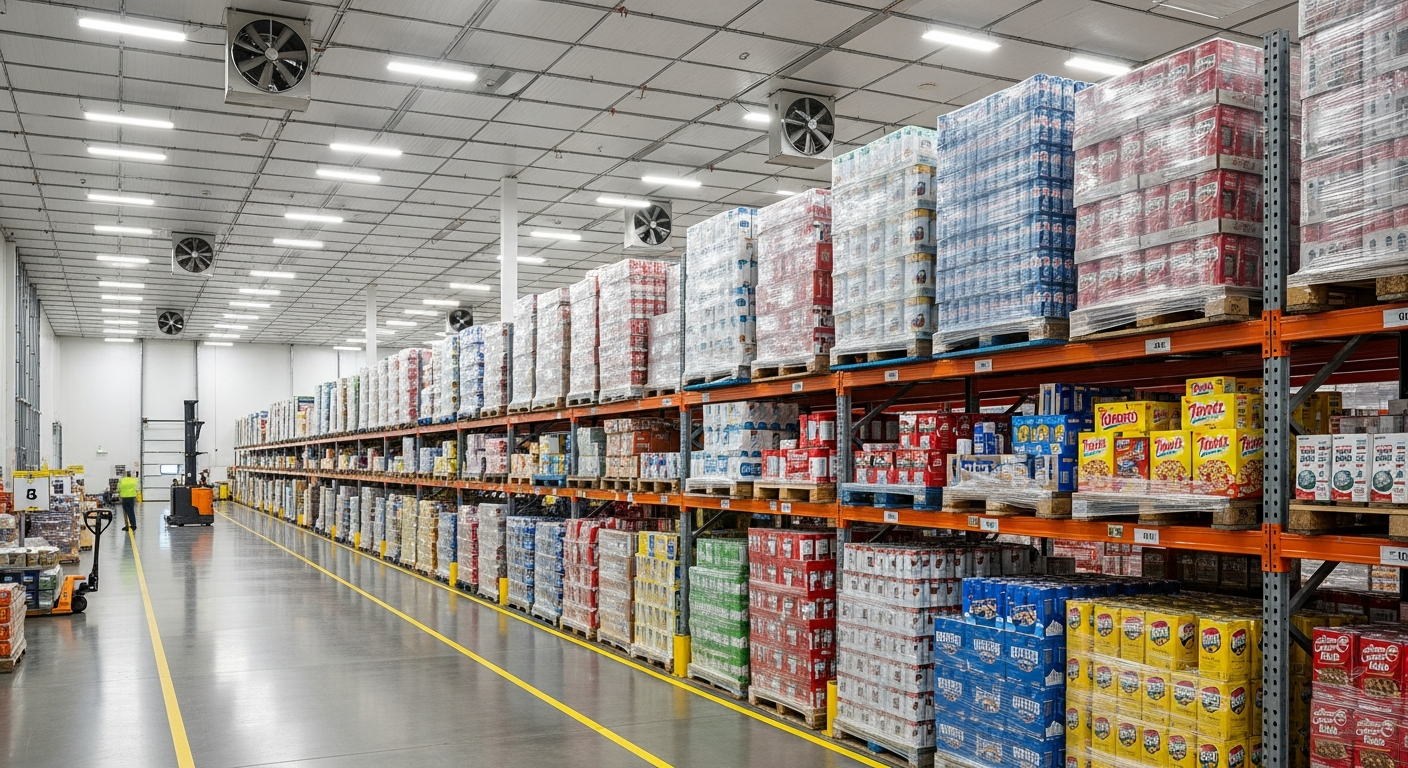
Cold storage is its own pricing universe. The same pallet that costs $30 a month at ambient can cost two to several times that frozen, because refrigerated and frozen warehousing carry continuous energy load, specialized equipment, tighter compliance, and more handling discipline. This 2026 guide explains how temperature-controlled rates are built in Canada, the premium each tier carries over ambient, the surcharges unique to cold chain, and the compliance context (CFIA, cold-chain integrity) that shapes both cost and provider selection.
The temperature tiers and what they cost
Cold-chain warehousing is priced by temperature tier, and each step down adds cost. Ambient is the baseline. Cool/climate-controlled (roughly 15–25°C) protects heat-sensitive goods at a modest premium. Refrigerated (roughly 2–8°C) suits fresh food, beverages, and many health products. Frozen (around −18°C or colder) is the most expensive tier because of continuous high energy load and specialized equipment. Some facilities also offer blast-freezing and tempering as value-added services. The colder and tighter the tolerance, the higher the per-pallet rate and the more handling discipline required.
 The temperature tiers and what they cost
Cold storage tier premiums vs ambient (2026)
Indicative 2026 Canadian ranges expressed as the premium over an ambient pallet position. Actual rates depend on city, facility, throughput and tolerance.
Every number here is a typical 2026 Canadian range, not a quote. Your real rate depends on volume, SKU profile, seasonality, and service mix — get an itemized quote from a free fulfillment audit before you budget.
| Tier | Approx temp | Typical premium vs ambient |
|---|
| Ambient | Room | Baseline ($22–$42/pallet/mo) |
| Climate-controlled | 15–25°C | +15–25% |
| Refrigerated | 2–8°C | +40–90% |
| Frozen | −18°C or colder | +100–250% |
| Energy / fuel surcharge | — | Variable add-on |
What makes cold storage cost more
Several structural factors drive the premium:
- Energy — refrigeration runs continuously; electricity is a major ongoing cost passed through, sometimes as a separate surcharge.
- Specialized infrastructure — insulated rooms, redundant refrigeration, backup power and monitoring all carry capital cost.
- Handling discipline — temperature-controlled docks, fast putaway, and minimized door-open time add labour.
- Compliance — food and health products require traceability, monitoring records and sanitation that add overhead.
- Lower density — some cold rooms can't rack as high or as tight as ambient, raising effective cost per pallet.
CFIA and cold-chain compliance context
For food, the Canadian Food Inspection Agency (CFIA) administers the Safe Food for Canadians Regulations, under which many food businesses require licensing, preventive control plans, and traceability. Temperature-controlled facilities handling food must maintain monitored, documented cold-chain integrity. Natural health products and certain pharmaceuticals fall under Health Canada oversight with their own storage and recordkeeping expectations. None of this is optional, and it shapes both cost and provider selection: a cold-chain 3PL that maintains the right certifications, monitoring and documentation carries real overhead, but it's the overhead that keeps your product saleable and compliant. Verify a provider's specific certifications against your product category.
Choosing and budgeting for a cold-chain partner
When budgeting cold storage, model the full picture: the tier premium over ambient, any energy/fuel surcharge, refrigerated handling and receiving rates (typically higher than ambient), and the compliance documentation you require. When selecting, confirm the facility holds the certifications relevant to your category, ask how temperature is monitored and recorded, and check redundancy (backup power and refrigeration) — an excursion can spoil an entire SKU. Because cold capacity is scarcer and pricier than ambient, right-size your frozen/refrigerated footprint to true velocity and keep only what genuinely needs the tier in cold positions.
Frequently Asked Questions
How much does cold storage cost in Canada in 2026?
Expressed as a premium over ambient pallet storage ($22–$42/pallet/month), climate-controlled typically adds 15–25%, refrigerated 40–90%, and frozen 100–250%, plus possible energy surcharges. Exact rates depend on city, facility, tolerance and throughput.
Why is frozen storage so much more expensive than ambient?
Frozen warehousing runs continuous high energy load, requires insulated rooms, redundant refrigeration and backup power, demands tighter handling discipline, and often achieves lower storage density. Those structural costs make it the priciest tier — commonly two to several times ambient.
What compliance applies to cold storage in Canada?
Food is governed by the CFIA under the Safe Food for Canadians Regulations, requiring licensing, preventive control plans and traceability for many businesses, plus documented cold-chain integrity. Health products fall under Health Canada. Verify a provider's certifications against your product category.
How can I keep cold storage costs down?
Right-size your refrigerated/frozen footprint to true velocity, keep only goods that genuinely need the tier in cold positions, improve turns, and confirm energy surcharges up front. Because cold capacity is scarce and costly, disciplined inventory matters more than at ambient.
Related ByExpress resources