Guide · · 10 min read
Etobicoke Warehouse & 3PL (2026)
Why Etobicoke pairs in-city Toronto positioning with Pearson proximity and QEW/427 access — industrial profile, best-fit brands, rates, and how to choose.
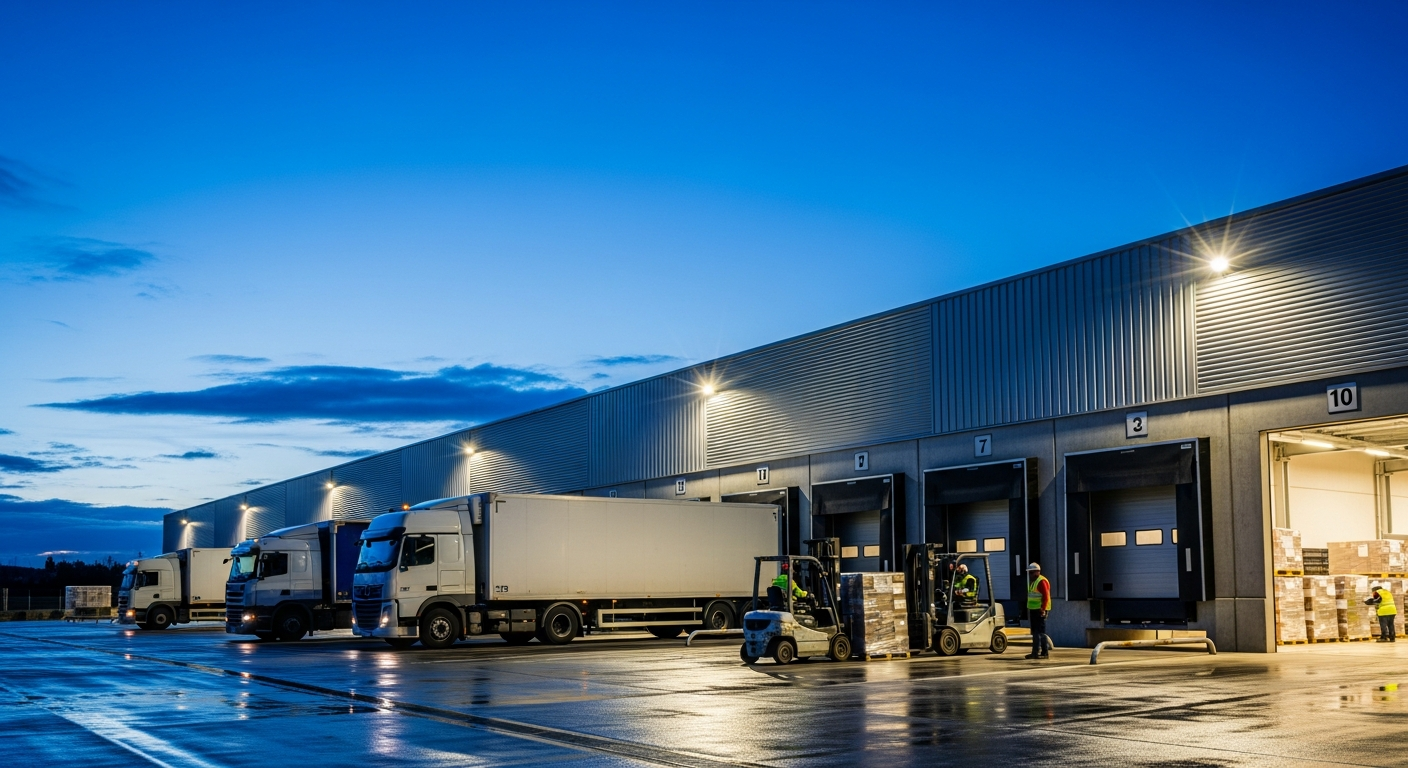
Etobicoke, in Toronto's west end, occupies a unique position: it's inside the City of Toronto yet sits right against Toronto Pearson International Airport and the Highway 427 / QEW interchange. That combination gives Etobicoke both urban last-mile proximity to west Toronto and the air-cargo and highway advantages usually associated with neighbouring Mississauga. For brands that want a Toronto address with airport-adjacent reach, Etobicoke is one of the GTA's most strategic submarkets. This 2026 guide covers its industrial profile, highway and airport access, best-fit brands, local labour and rate context, and how ByExpress serves it.
Etobicoke's industrial and logistics profile
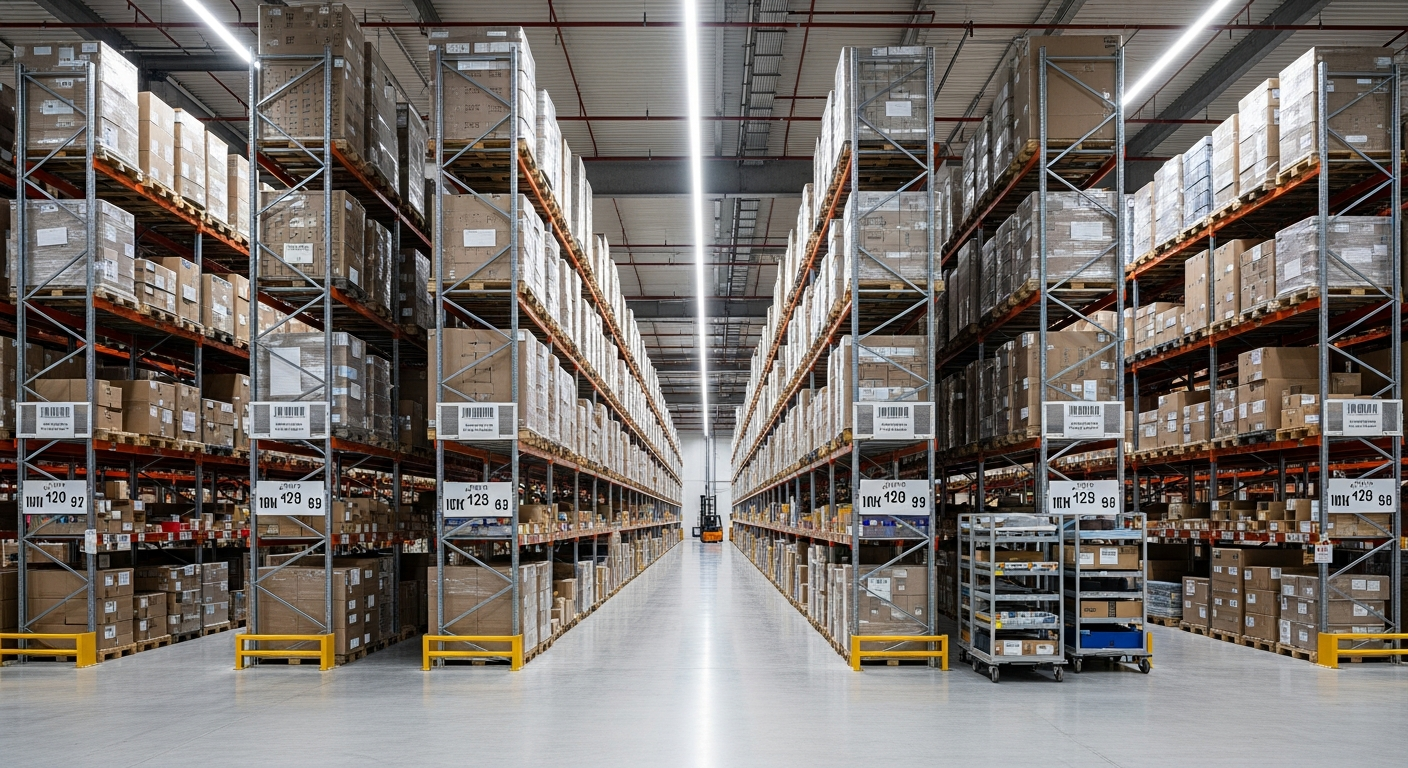
Etobicoke holds an extensive, well-established industrial base concentrated along the Highway 427 corridor and in the Carlingview/Dixon area near the airport, plus the South Etobicoke (QEW) industrial lands. The stock blends older mid-bay buildings with newer distribution product, and because it borders Mississauga's Pearson-adjacent market, it shares much of the same carrier-pickup density and air-cargo access. Like the rest of the in-city Toronto market, Etobicoke runs very tight on industrial vacancy.
 Etobicoke's industrial and logistics profile
Pearson Airport proximity
Etobicoke's defining advantage is its position next to Toronto Pearson, Canada's largest air-cargo airport. For brands shipping internationally or relying on premium overnight service levels, Pearson-adjacent fulfillment supports later carrier cutoffs and faster air-freight inbound and outbound — the same structural benefit that makes neighbouring Mississauga so dense with 3PLs. Time-sensitive inbound can clear Pearson and reach an Etobicoke facility quickly, and the area sits inside the highest carrier-pickup-density zone in the country.
 Pearson Airport proximity
QEW and Highway 427 access
Etobicoke's road position is exceptional. Highway 427 runs north–south through the district, connecting the airport, the 401, the 407, and the QEW/Gardiner to the south. The Queen Elizabeth Way (QEW) heads southwest toward Mississauga, Oakville, Burlington, Hamilton, and the Niagara/US border. The Gardiner Expressway provides direct eastbound access to downtown Toronto. This puts Etobicoke at the western gateway of the city with fast reach in every direction — airport, downtown, the 905 west, and the US-bound QEW corridor.
Why a brand would fulfill in Etobicoke
Etobicoke is a strong fit for several profiles:
- International DTC and air-freight-heavy brands needing Pearson proximity with a Toronto address
- Premium-service brands relying on late overnight/express carrier cutoffs
- DTC operations serving west Toronto with fast urban last-mile
- Brands shipping cross-border south down the QEW corridor
- Operations wanting Mississauga-grade carrier density inside city limits
Etobicoke essentially overlaps Mississauga's Pearson-adjacent advantages while keeping a City of Toronto location. The trade-off is in-city occupancy cost and tight space — both real, but often worth it for air-cargo-dependent flows.
Local labour and rate context
Etobicoke draws warehouse labour from west Toronto and the western 905, a deep pool supported by major arterials and transit. Industrial lease rates sit at the upper end of the GTA range, reflecting both in-city Toronto positioning and Pearson-adjacent demand — comparable to airport-adjacent Mississauga and above outer-905 markets. For brands whose economics depend on air-cargo cutoffs and international transit speed, that premium is typically justified; for purely domestic, cube-heavy operations it may not be.
How ByExpress serves the Etobicoke / west Toronto submarket
ByExpress supports west-Toronto and airport-adjacent brands from its GTA node within a five-city Canadian network. For Etobicoke-profile clients, the focus is leveraging Pearson proximity for international and premium-service flows — late cutoffs, air-freight coordination, cross-border QEW lanes, and multi-carrier rate-shopping — all tracked in our in-house WMS. Brands can anchor primary inventory in the GTA and forward-position to our Ottawa, Montreal, Vancouver, and Calgary locations for national balance.
Frequently Asked Questions
Why is Etobicoke good for warehousing?
Etobicoke is inside the City of Toronto yet sits right against Pearson airport and the Highway 427/QEW interchange. It combines urban west-Toronto last-mile proximity with the air-cargo and carrier-density advantages usually associated with neighbouring Mississauga.
Is Etobicoke as good as Mississauga for Pearson access?
Largely yes — Etobicoke borders Mississauga's Pearson-adjacent market and shares much of the same air-cargo access and carrier-pickup density, while offering a City of Toronto address. The trade-off is upper-range in-city occupancy cost.
What highways serve Etobicoke?
Highway 427 (north–south, linking the airport, 401, 407, and QEW), the QEW (southwest toward Hamilton and the US border), and the Gardiner Expressway (east to downtown). It's the western gateway of the city with reach in every direction.
Who should fulfill in Etobicoke?
International DTC and air-freight-heavy brands, premium-service shippers needing late overnight cutoffs, west-Toronto urban DTC, and cross-border operations using the QEW corridor. Purely domestic, cube-heavy operations may save money in the outer 905.
Related ByExpress resources