Guide · · 10 min read
Toronto Pearson (YYZ) Air Freight & Air Cargo Logistics (2026)
Pearson is Canada's largest air-cargo gateway. Here's how YYZ air freight works in 2026 — imports, exports, customs, bonded handling, and expedited moves.
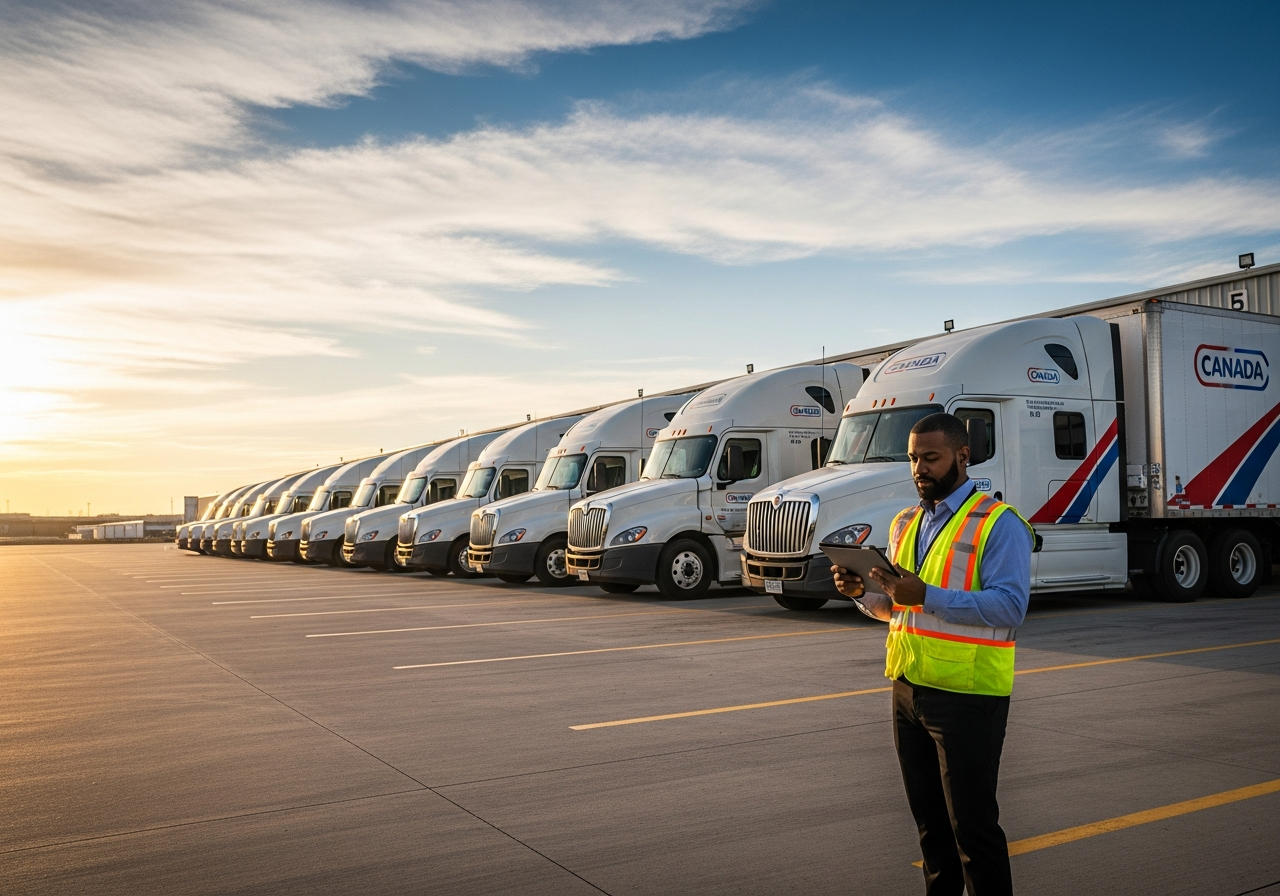
Toronto Pearson International Airport (YYZ) is Canada's largest airport and its busiest air-cargo gateway, handling a substantial share of the country's air freight by value. For brands moving time-critical, high-value, or perishable goods internationally, Pearson air freight is often the right mode — faster than ocean by weeks, with global connectivity through dozens of cargo and passenger carriers. This 2026 guide explains how YYZ air freight works: import and export flows, customs clearance, bonded handling, expedited options, and how a 3PL ties air freight into your wider fulfillment.
When air freight makes sense
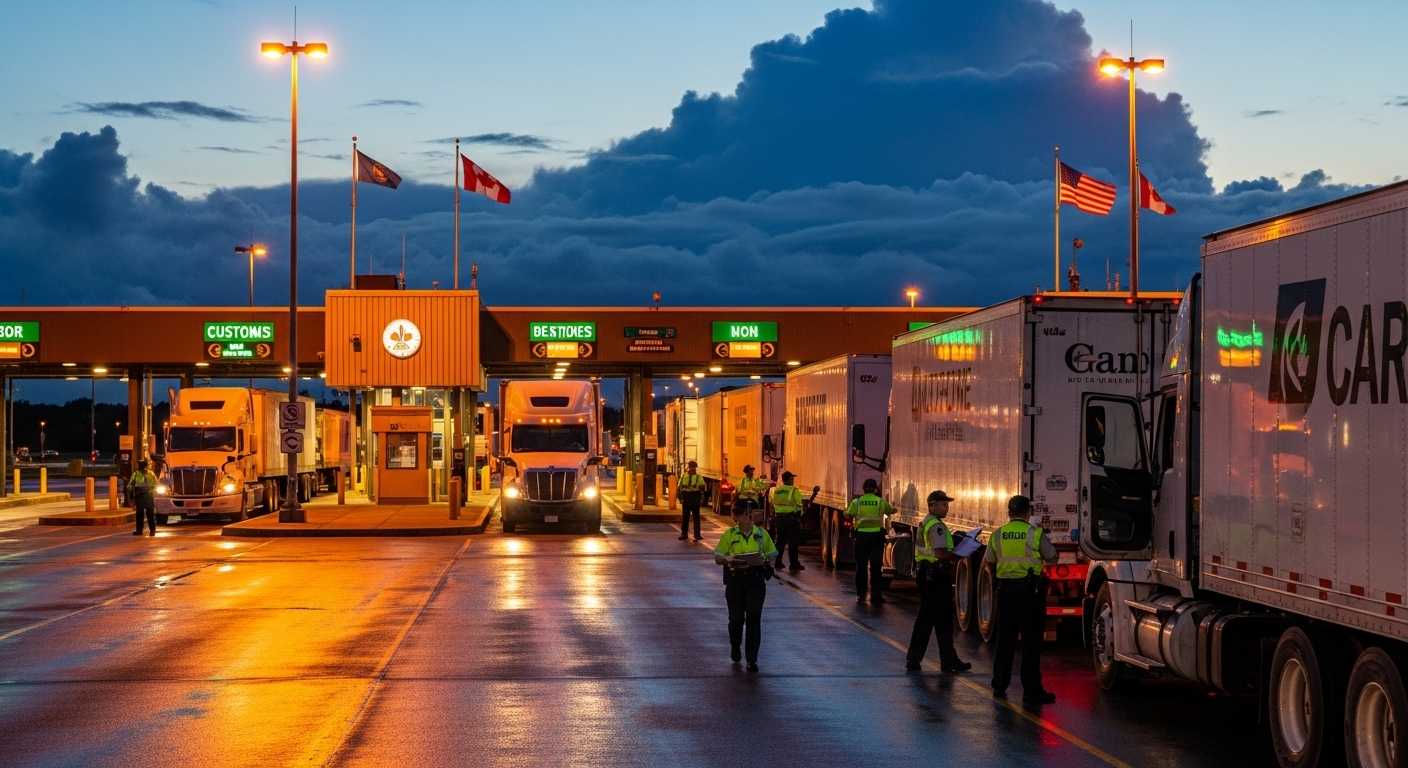
Air freight costs more per kilogram than ocean or truck, so it's a deliberate choice for specific situations: high-value goods where inventory carrying cost and theft risk outweigh freight cost; time-critical replenishment (stockouts, product launches, fashion seasons); perishables and pharmaceuticals with short shelf lives; and lightweight, high-density products where the air premium is small relative to the unit value. The decision is a trade-off between transit time and cost — Pearson's connectivity makes the fast option available to most of the world.
 When air freight makes sense
Import and export flows at YYZ
Air freight at Pearson moves in two directions with different mechanics. Imports arrive on cargo or passenger aircraft, are broken down at ground-handling facilities, held in customs custody until cleared, then released to the importer or their 3PL for delivery. Exports are tendered to the carrier with documentation (commercial invoice, packing list, air waybill, and any permits), screened for security, and built into unit load devices (ULDs) for the flight. The paperwork and timing differ, but both flows hinge on accurate documentation and a broker who clears cargo quickly.
Customs clearance and the CBSA
All international air cargo arriving at Pearson is subject to clearance by the Canada Border Services Agency (CBSA). A licensed customs broker files the entry, classifies goods under the customs tariff, calculates duties and GST/HST, and arranges release. Accurate tariff classification and valuation are essential — errors cause delays, re-assessments, and penalties. For repeat importers, programs administered by the CBSA can streamline release and accounting. A good air-freight partner coordinates the broker, the ground handler, and the final-mile carrier so cargo doesn't sit in customs custody longer than necessary.
Bonded handling and expedited options
Pearson air freight offers handling tiers for different needs:
- Bonded warehousing — goods held under customs control before duty/tax is paid
- Sufferance warehouses — CBSA-approved facilities for examining and storing uncleared cargo
- Expedited / next-flight-out — for the most time-critical shipments
- Temperature-controlled handling for pharma and perishables (cold-chain build-up)
- Dangerous goods handling under IATA/Transport Canada regulations
- Trans-border trucking from YYZ for goods that fly in and move on by road
Tying air freight into fulfillment
Air freight rarely stands alone — it feeds your inventory. The handoff that matters is from the airport to your distribution centre: a 3PL that coordinates customs release, drayage from the air-cargo facility to the DC, and prompt receiving turns an air shipment into sellable stock fast. The advantage of fulfilling near Pearson (in Mississauga or Etobicoke) is short drayage and tight receiving cycles, so urgent air inventory hits the shelf within hours of release rather than days.
The speed advantage of air freight is wasted if cargo then sits at the airport waiting for clearance and drayage. Coordinate the broker, ground handler, and DC receiving in advance so cleared cargo moves straight to sellable stock.
How ByExpress supports YYZ air freight
ByExpress coordinates the ground side of Pearson air freight for its fulfillment clients — working with licensed customs brokers, arranging drayage from the air-cargo facilities, and receiving cleared inventory into the WMS for fast availability. For brands importing time-critical or high-value goods through YYZ, integrating air freight with GTA fulfillment compresses the time from wheels-down to order-shipped.
Frequently Asked Questions
Is Toronto Pearson Canada's biggest air-cargo airport?
Yes. YYZ is Canada's largest airport overall and its busiest air-cargo gateway, handling a major share of the country's air freight by value, with broad global connectivity via cargo and passenger carriers.
When should I use air freight instead of ocean or truck?
Use air for high-value goods, time-critical replenishment, perishables and pharmaceuticals, or lightweight high-density products where the per-kilogram premium is small relative to unit value and the speed is worth it.
Who clears air freight through customs at Pearson?
A licensed customs broker files the entry with the Canada Border Services Agency (CBSA), classifies the goods, calculates duties and GST/HST, and arranges release. Accurate classification and valuation are essential to avoid delays and penalties.
What is bonded handling at YYZ?
Bonded and sufferance warehousing let goods be stored under customs control before duties and taxes are paid or while awaiting examination. It's used to stage uncleared cargo without triggering duty until the goods are released.
How does air freight connect to my fulfillment?
After customs release, cargo is drayed from the air-cargo facility to your distribution centre and received into the WMS. Fulfilling near Pearson shortens drayage so urgent air inventory becomes sellable within hours.
Related ByExpress resources