Guide · · 11 min read
Freight Damage Claims in Canada: A Shipper and 3PL Prevention Workflow
A defensible freight claim starts before pickup. This workflow aligns shippers and 3PLs on packaging, inspection, proof-of-delivery notation, evidence preservation, carrier deadlines, root-cause coding and prevention metrics.
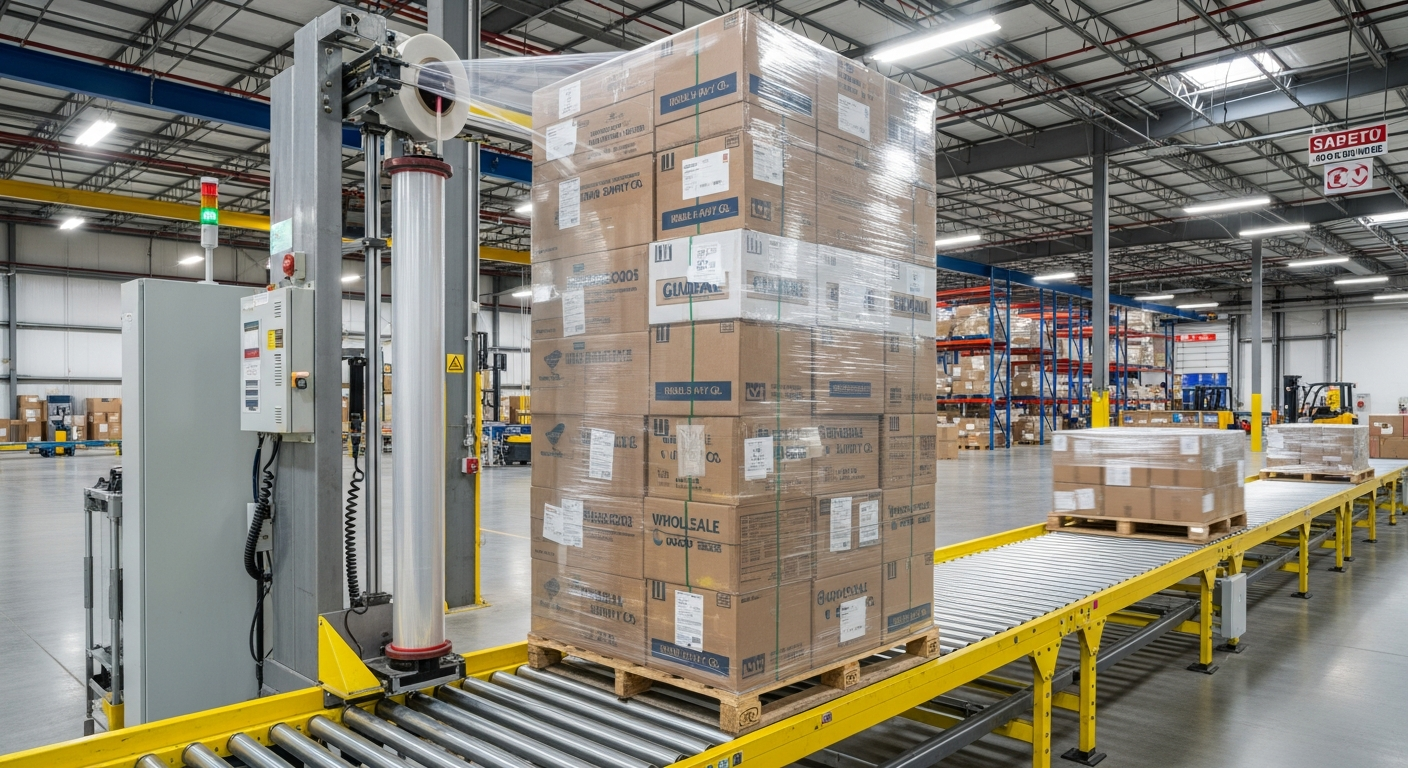
Freight damage creates two problems at once: a customer or facility needs a practical resolution, while the shipper must preserve enough reliable evidence to investigate and, where appropriate, pursue a carrier claim. Teams often begin collecting photos only after packaging has been discarded and the delivery receipt signed without comment. By then, determining where damage occurred becomes harder. A stronger process begins with packaging standards and pre-shipment evidence, continues through pickup and delivery inspection, and closes with consistent root-cause analysis. No workflow guarantees recovery: contracts, tariffs, bills of lading, commodity characteristics and the facts of the movement can affect notice requirements, liability and available remedies. This operational guide is not legal advice. Review the governing documents and obtain professional guidance for your circumstances rather than relying on a universal deadline or liability assumption.
Prevent damage before the freight leaves
Packaging should be engineered for the product, handling environment and mode, not copied from a lighter parcel workflow. Consider weight distribution, stackability, vibration, compression, moisture and transfer points. Cartons need suitable strength and internal restraint; pallets should be sound, appropriately sized and built so goods do not overhang. Corner boards, top caps, strapping and stretch wrap each address different movement risks and should not conceal visible carton damage. Standard work instructions should identify materials and build pattern by SKU or product family. Validate significant changes with controlled testing and, where warranted, packaging specialists. The 3PL should record deviations and stop freight that does not meet the approved standard rather than “making it work” at the dock.
- Match packaging to product weight, fragility, dimensions and route
- Prevent pallet overhang and unsupported voids
- Use internal restraint so contents cannot shift
- Protect edges and surfaces at likely contact points
- Make handling and orientation instructions visible and realistic
- Document approved pack-out versions and material substitutions
Create an origin-condition evidence pack
Evidence should show what was tendered, not simply that a camera was present. Capture the product and packaging condition, identifying marks, pallet faces, seals where used, labels and the loaded unit before it leaves the dock. Link images to shipment, order or bill-of-lading references with timestamps and avoid filenames that cannot be reconciled later. Record piece count, weight and dimensions from reliable processes. At pickup, note observable trailer concerns or loading exceptions through the agreed procedure and retain the signed shipping record. Evidence must be proportionate, securely stored and accessible to authorized claims staff. A written checklist produces more consistent evidence than asking operators to “take some photos.”
Photograph the freight before release, but prioritize traceable, relevant views. A hundred unlabelled images are less useful than a small, shipment-linked evidence set.
Inspect at delivery and make accurate POD notation
Receiving teams need permission and time to inspect the external condition and piece count before completing proof of delivery. Look for crushed corners, punctures, wetness, shifted loads, broken wrap, missing pieces or seal discrepancies. Describe observed issues specifically on the delivery record and retain a copy; vague phrases are less useful than the location and nature of damage. Do not state that goods are undamaged if inspection has not established that. Concealed damage discovered after unpacking should be isolated and reported promptly under the applicable contract and carrier process. A consignee should not speculate about cause or alter records. If a driver uses an electronic device, verify the notation appears on the final receipt.
| Stage | Action | Evidence | Owner |
|---|
| Before pickup | Verify pack-out and count | Dated photos, weight, shipping record | Shipper/3PL |
| At pickup | Record tender exceptions | Signed record and dock notes | 3PL/carrier |
| At delivery | Inspect visible condition | Specific POD notation and photos | Consignee |
| After unpacking | Isolate concealed damage | Product, packaging and label photos | Consignee/shipper |
| Claim review | Check contract and submit | Claim file and acknowledgements | Authorized claims owner |
| Close-out | Code cause and corrective action | Decision and prevention record | Shipper/3PL |
Preserve, triage and contain the loss
When damage appears, protect people and prevent further loss first. Quarantine affected goods, packaging and handling units; do not discard, repair, reship or salvage them until the responsible claims owner has checked carrier instructions and safety needs. Photograph all sides, internal protection, labels and the damage itself, then record quantity and condition by SKU. Separate customer remediation from claim adjudication so the customer is not left waiting for an internal debate. The claims owner should verify whether the event is visible damage, concealed damage, shortage, loss or another exception because processes may differ. Maintain chain-of-custody notes if goods move. Invite inspection where required and record any authorization concerning disposal or mitigation.
Treat deadlines and liability as shipment-specific
There is no safe universal claims deadline to publish for every Canadian freight movement. Notice and filing periods may arise from the bill of lading, carrier tariff, service terms, contract, mode, route and applicable law, and concealed damage can have distinct requirements. At onboarding, obtain current governing documents, identify the shortest relevant notice points with qualified review, and configure reminders. On an incident, check the actual shipment documents immediately. Liability may also be limited, excluded or affected by declared value, packaging, commodity, cause and contractual allocation; the invoice value alone does not establish recovery. Insurance and carrier liability are not interchangeable. Ask legal and insurance professionals to review material exposures and preserve rights without making unsupported admissions.
Do not wait for the investigation to finish before checking notice requirements. Preserve rights promptly under the actual contract, tariff and shipment documents.
Assemble one controlled claim file
A claim file should tell a coherent story from good-condition tender through discovery, mitigation and amount claimed. Typical supporting material can include the bill of lading or shipping record, commercial invoice, freight bill, origin and destination photographs, delivery receipt, inspection report, correspondence, repair or replacement evidence and a calculation of the claimed amount. Requirements differ, so use the carrier’s current instructions rather than a generic packet. Assign one authorized contact, log submissions and acknowledgements, and keep original records unchanged. If information is missing, label the gap honestly instead of reconstructing facts. Track carrier questions and decisions, and escalate disputes through agreed commercial or professional channels.
Code root causes, not just claim outcomes
“Carrier damage” is too broad to improve operations. Use a controlled taxonomy that separates packaging design, pack-out execution, pallet quality, loading, securement, handling impact, water exposure, stack pressure, shortage and unknown cause. Distinguish observed evidence from the final cause assessment. Review patterns by SKU, packaging version, origin, destination, mode, carrier and transfer count, while avoiding conclusions from tiny samples. Corrective actions might include carton redesign, revised stacking, added handling controls, supplier training or lane changes. Validate whether the action works instead of closing the case when payment arrives. A denied claim can still reveal a preventable process weakness.
Use KPIs that connect claims to prevention
Measure damage incidents and claimed or realized cost against a relevant denominator such as shipments, pieces, pallets, weight or revenue, and define the metric consistently. Track visible versus concealed damage, evidence completeness, time to internal notification, open-claim age, recovery outcome and repeat incidents by cause. Recovery rate alone can reward claim administration while hiding poor prevention. Review leading measures such as packaging-audit compliance and origin-photo completeness alongside lagging loss measures. A monthly shipper–3PL review should assign corrective actions, owners and due dates, then verify closure. ByExpress can integrate warehouse controls, shipping records and exception coordination into this governance model while the shipper’s advisers address contractual or legal questions.
Frequently Asked Questions
How quickly must a freight damage claim be filed in Canada?
There is no single deadline suitable for every shipment. Check the bill of lading, carrier tariff, service terms, contract, mode and route immediately; visible and concealed damage processes may differ. Obtain qualified advice where rights or material value are at issue.
What should be written on proof of delivery?
Record specific observed facts such as a crushed corner, punctured carton, wet pallet or missing piece, and retain the final receipt. Do not guess at cause. Confirm electronic notations appear on the completed POD.
Should damaged packaging be discarded?
Generally preserve the goods, packaging, pallet and labels until the claims owner checks safety, carrier inspection and disposal instructions. If immediate disposal is necessary, document why and capture comprehensive evidence first.
Does a damaged shipment automatically make the carrier liable?
No. Responsibility and recovery depend on facts and governing terms, and may involve packaging, handling, limitations, exclusions or other factors. Carrier liability is also different from cargo insurance.
What photos are useful for a freight claim?
Capture traceable origin condition and, after discovery, the whole handling unit, all sides, labels, external and internal packaging, close and contextual damage views, and piece count. Link files to the shipment reference.
Which freight damage KPIs should a 3PL report?
Useful measures include incident rate using a defined denominator, damage type, evidence completeness, notification speed, claim age and outcome, repeat causes and corrective-action closure. Pair recovery metrics with prevention audits.
Related ByExpress resources