Guide · · 10 min read
FTL & Truckload Rates in Canada (2026): What Drives the Price
Full-truckload pricing is simpler than LTL but more exposed to the market. Here's how Canadian FTL rates are built in 2026 and what moves them.
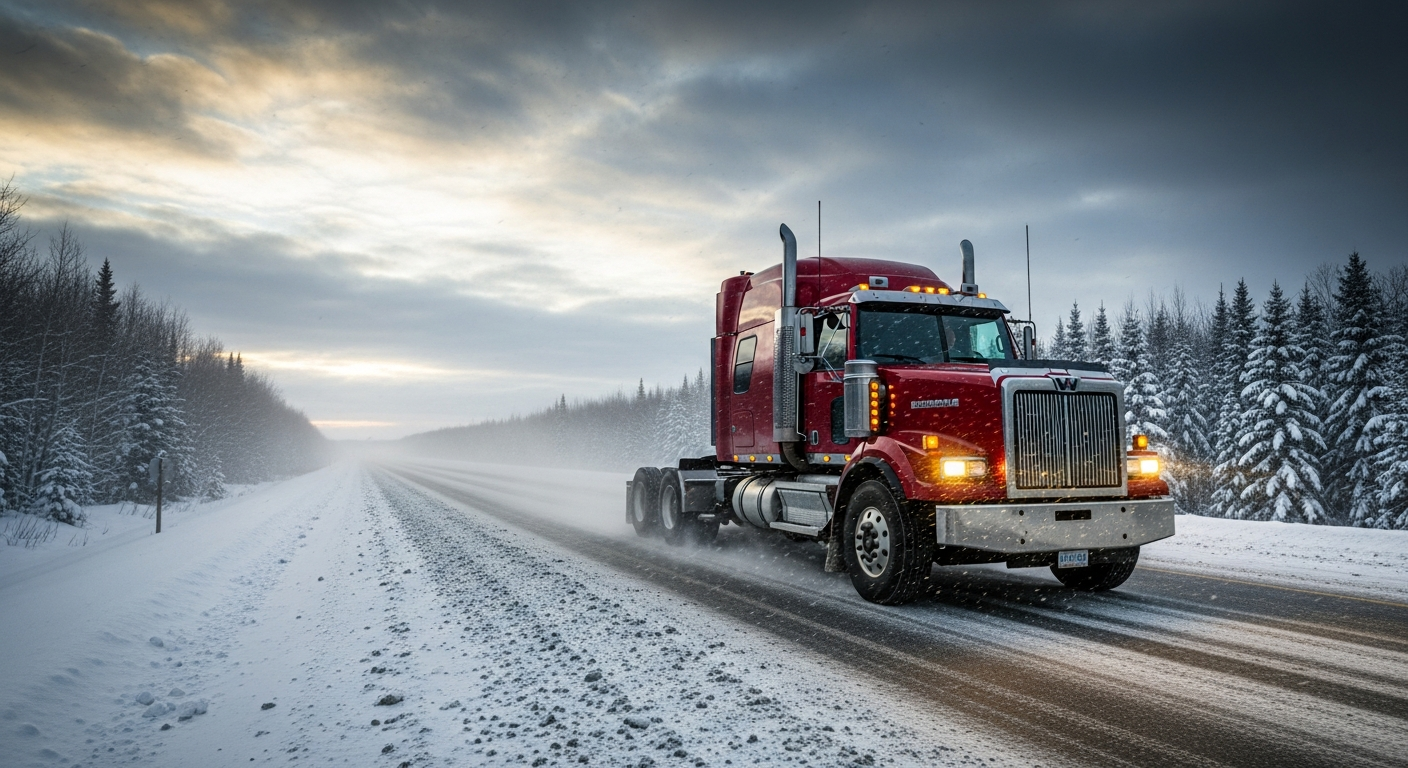
Full-truckload (FTL) freight — a dedicated trailer moving point to point — is conceptually simpler than LTL: you pay for the truck, not for class and accessorials on a shared trailer. But FTL is more exposed to market swings, because rates float with truck supply, fuel, season, and lane balance. This 2026 guide explains how Canadian FTL rates are built, the difference between dry van and reefer, why a lane can be cheap one direction and expensive the other, and how to budget truckload moves in a market that changes week to week.
How FTL is priced
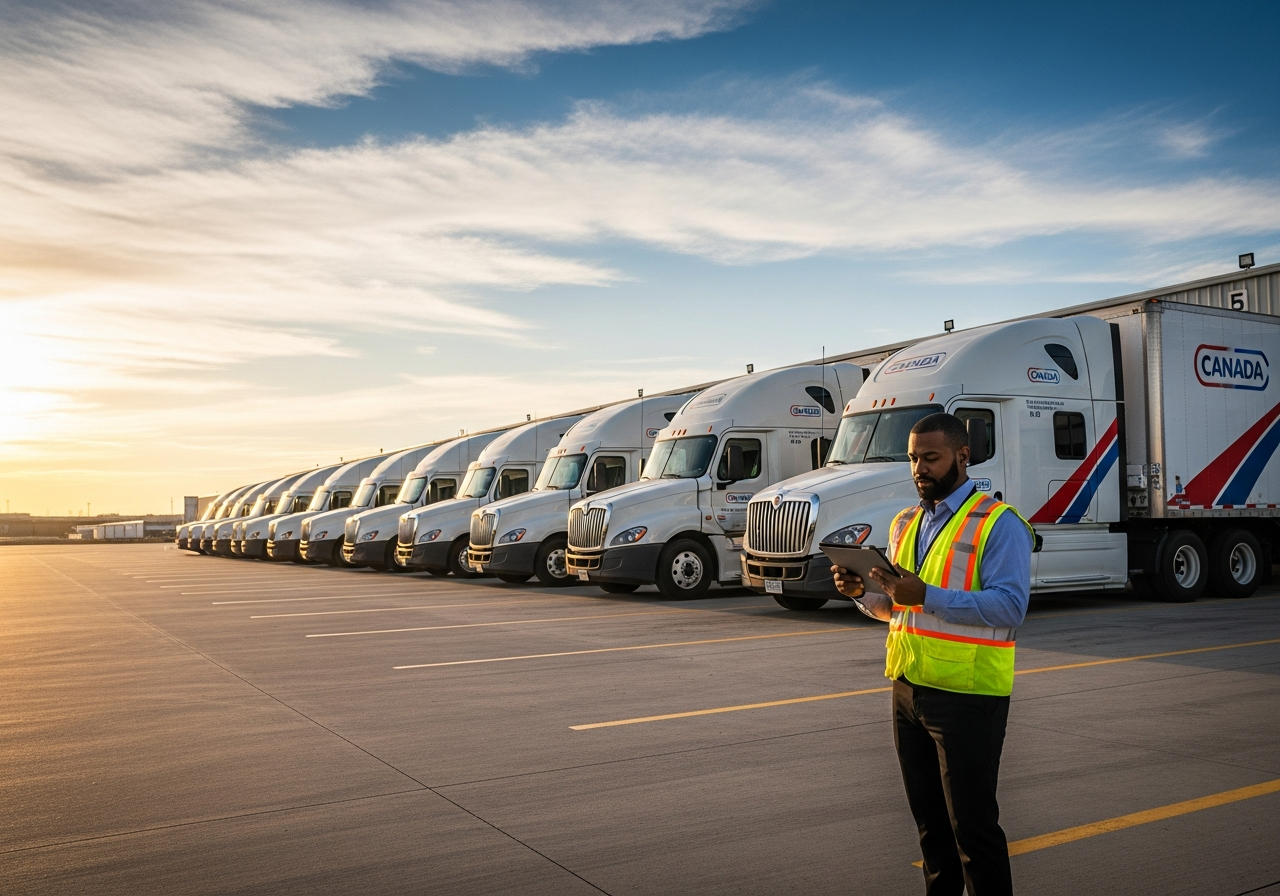
FTL rates are most often expressed per kilometre (or per mile) for the lane, or as an all-in lane rate for a specific origin–destination pair. The base reflects the distance, the equipment type (dry van, reefer, flatbed), and current market conditions. On top sit a fuel surcharge that floats with diesel, and accessorials for detention (driver waiting beyond free time), layovers, additional stops, and specialized handling. Unlike LTL, there's no freight class — you've booked the whole trailer — so pricing hinges on the lane and the market rather than the characteristics of the freight itself.
 How FTL is priced
FTL rate components (2026)
The building blocks of a Canadian truckload rate. Per-km bands are illustrative and move with the market; always confirm live for your lane and dates.
Every number here is a typical 2026 Canadian range, not a quote. Your real rate depends on volume, SKU profile, seasonality, and service mix — get an itemized quote from a free fulfillment audit before you budget.
| Component | What it reflects | Notes |
|---|
| Linehaul (per km) | Distance × equipment × market | Core of the rate |
| Fuel surcharge | Diesel price index | Floats weekly |
| Equipment type | Dry van / reefer / flatbed | Reefer carries a premium |
| Detention | Wait beyond free time | ~$50–$100+/hour after free time |
| Additional stops | Multi-pick/drop | Per-stop add-on |
| Lane balance | Headhaul vs backhaul | Backhaul lanes cheaper |
Dry van vs reefer vs flatbed
Equipment type meaningfully changes the rate. Dry van is the default for general palletized freight and the cheapest. Reefer (temperature-controlled) carries a premium over dry van because of the refrigeration unit, its fuel, and the tighter handling and monitoring required — and reefer capacity is scarcer, which adds to the premium in tight markets. Flatbed and specialized equipment serve oversized, building-material and machinery freight at their own rates. Choose the cheapest equipment that genuinely fits the freight: booking reefer for goods that don't need temperature control is a common, avoidable overspend.
Why FTL rates swing: market factors
FTL is a spot-and-contract market, and several forces move rates:
- Capacity — when trucks are scarce relative to freight, rates rise; when capacity is loose, they fall.
- Fuel — diesel prices flow directly into the fuel surcharge.
- Season — produce season, retail peak (Q4) and weather tighten capacity on certain lanes.
- Lane balance — headhaul lanes into freight-heavy regions cost more; backhaul lanes out of them are cheaper.
- Equipment availability — reefer and specialized equipment tighten faster than dry van.
Budgeting and locking truckload rates
Because FTL is market-exposed, brands with steady volume often blend contract and spot. Contract (or committed lane) rates with a carrier or 3PL provide budget stability on regular lanes in exchange for volume commitment; spot covers overflow and one-off moves at whatever the market bears. To budget realistically, base your plan on the lane's typical rate band rather than the best spot rate you ever got, and add a buffer for fuel and seasonal tightening. Reducing detention (load/unload efficiently within free time) and avoiding unnecessary reefer or extra stops are the controllable levers that keep truckload spend down.
Frequently Asked Questions
How are FTL truckload rates priced in Canada?
Usually per kilometre for the lane or as an all-in lane rate, reflecting distance, equipment type and market conditions, plus a floating fuel surcharge and accessorials like detention and extra stops. There's no freight class — you've booked the whole trailer — so the lane and market drive the price.
Why is reefer more expensive than dry van?
Reefer carries a premium for the refrigeration unit and its fuel, tighter handling and monitoring, and scarcer capacity. In tight markets the premium widens. Book reefer only when the freight genuinely needs temperature control — using it unnecessarily is a common overspend.
Why do truckload rates change so much?
FTL is a spot-and-contract market driven by truck capacity, diesel prices, season (produce, Q4 peak, weather), and lane balance. Headhaul lanes into freight-heavy regions cost more than backhaul lanes out of them, and reefer/specialized capacity tightens faster than dry van.
How can I get stable truckload pricing?
Blend contract (committed-lane) rates for steady lanes with spot for overflow, budget against the lane's typical rate band rather than your best-ever spot rate, and add a fuel/seasonal buffer. Cut detention and avoid unnecessary reefer or extra stops to control spend.
Related ByExpress resources