Guide · · 10 min read
Toronto to Vancouver Freight Shipping (2026): Intermodal Rail vs Truck
Toronto to Vancouver is a 4,400 km transcontinental haul where intermodal rail is genuinely competitive. Here's how to choose between rail, truck, and hybrid.
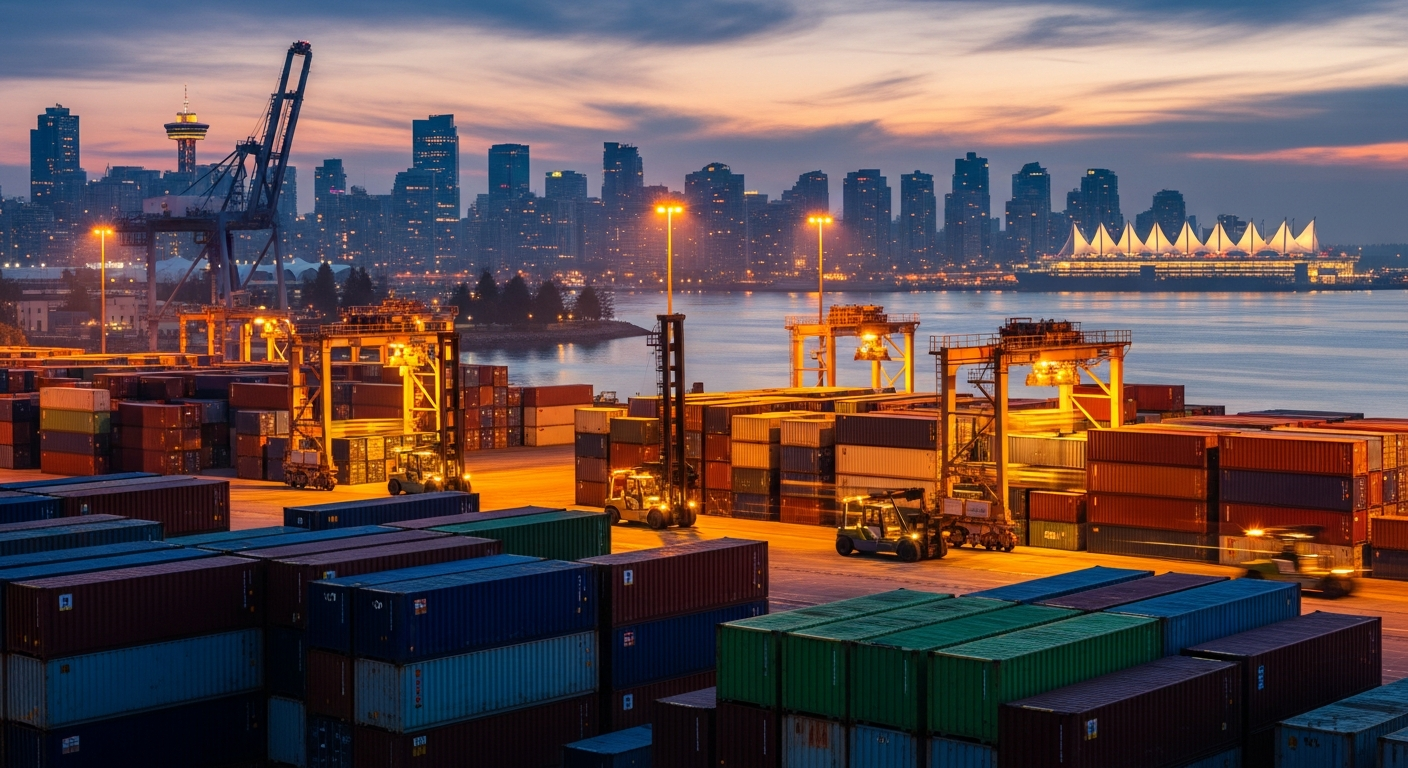
Toronto to Vancouver is a roughly 4,400 km transcontinental haul that crosses four provinces and several days of driving under hours-of-service rules. It behaves very differently from a short corridor like Toronto–Montreal: intermodal rail is genuinely cost-competitive, team-driver FTL beats single-driver FTL by days, and winter routing through the mountain passes and northern Ontario meaningfully affects reliability. This 2026 guide gives realistic transit-day ranges, mid-market rate ranges, and a clear decision tree for choosing truck, rail, or a hybrid move.
Toronto–Vancouver transit: truck vs rail vs team
A single-driver dry van typically takes 5–7 business days Toronto to Vancouver under HOS limits. A team-driven truck cuts that to roughly 3–4 days because it can keep rolling. Intermodal rail (CN or CPKC) usually runs 6–9 business days door-to-door including drayage at both ends, but is materially cheaper for non-urgent, durable freight. Hybrid moves exist but on this lane most shippers choose cleanly between rail and truck.
- Single-driver FTL: 5–7 business days
- Team-driver FTL: ~3–4 business days
- LTL scheduled with consolidation: 7–10 business days
- Intermodal rail CN/CPKC: 6–9 business days, often well below truck cost
- Parcel (Purolator, FedEx, UPS): several business days, weight-limited
Toronto to Vancouver freight rate ranges
Long-haul lanes price on an all-in per-kilometre (or per-mile) basis and then convert to per-pallet or per-shipment. The ranges below are typical 2026 mid-market figures; real quotes swing with fuel, equipment scarcity, and backhaul balance on the lane. Rail intermodal is the standout value for full-container, non-urgent freight.
| Service | Weight / Equipment | Toronto → Vancouver range (CAD all-in) |
|---|
| 1 pallet LTL consolidated | 1,200–1,500 lb | $450–$650 |
| 6 pallets LTL | 7,000–9,000 lb | $1,900–$2,600 |
| FTL 53′ dry van single-driver | Up to ~45,000 lb | $6,500–$8,500 |
| FTL 53′ team-driver expedited | Up to ~45,000 lb | $9,500–$12,500 |
| Intermodal 53′ container | Up to ~45,000 lb | $4,200–$5,800 |
| Intermodal reefer container | Refrigerated | $6,000–$8,000 |
When intermodal rail beats truck
Rail intermodal is genuinely competitive on Toronto–Vancouver — more than on most Canadian lanes — because the distance amortizes the fixed drayage cost at each end. The trade: rail is meaningfully cheaper than single-driver truck but adds transit days and requires drayage to and from the rail terminal. Use rail when your inventory has a week-plus of cover, when cost matters more than tight transit, or when you're moving full containers of consistent, durable goods. Use truck when you need faster, more predictable delivery, when the freight is high-value, or when origin/destination sits outside convenient terminal coverage.
Intermodal rail is most cost-effective for non-urgent, durable, fully palletized freight moving in container quantities. It's rarely the right call for partial loads or tight-deadline shipments on this lane.
Winter routing: mountain passes and northern Ontario
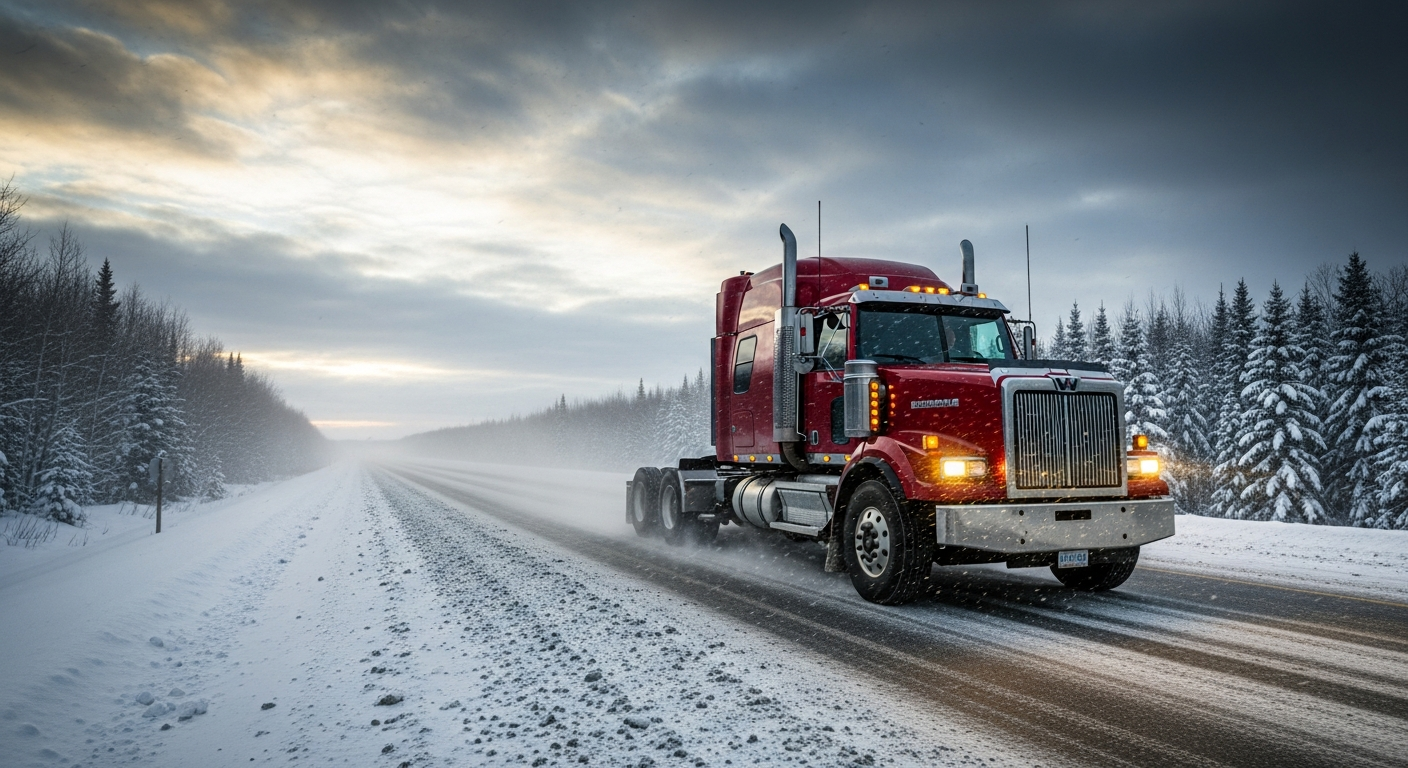
From December through March, two stretches drive most of the reliability risk on this lane: the BC mountain corridors (the Coquihalla and the passes east of the Lower Mainland), which see chain-up requirements and periodic closures during heavy snow, and the long northern-Ontario stretch north of Lake Superior, which sees blowing-snow events and storm-day delays. Build extra buffer into delivery commitments for the winter window, and confirm how your carrier handles weather holds and re-routing.
 Winter routing: mountain passes and northern Ontario
When the Toronto–Vancouver lane is strategic
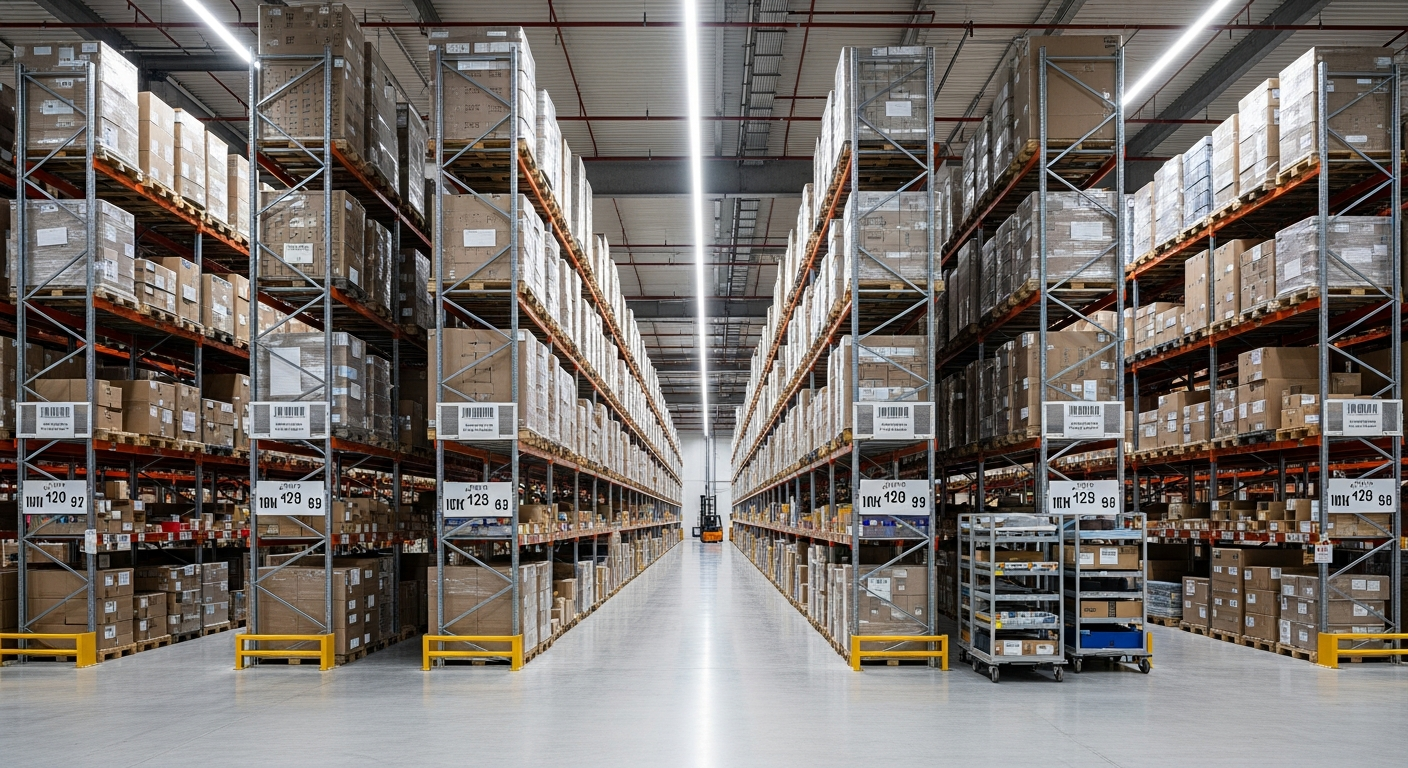
Three scenarios make this lane a strategic asset. First: national brands that want a single eastern fulfillment hub in the GTA but still need to replenish western inventory or serve western customers periodically. Second: import-heavy brands landing containers at the Port of Vancouver who position eastern inventory in Toronto for the larger central/eastern market. Third: brands balancing a two-node Toronto-plus-Vancouver footprint where the cross-country lane handles inter-node transfers rather than every customer order.
 When the Toronto–Vancouver lane is strategic
Frequently Asked Questions
How long does it take to ship from Toronto to Vancouver?
Single-driver FTL is about 5–7 business days, team-driver expedited roughly 3–4 days, and intermodal rail 6–9 days including drayage. LTL with consolidation runs 7–10 days.
How much does FTL Toronto to Vancouver cost?
A 53-foot dry van one-way single-driver typically runs $6,500–$8,500 in 2026, with team-driver expedited higher. Intermodal rail is often well below truck cost for full-container freight. Quotes vary with fuel and backhaul balance.
Is intermodal rail viable for Toronto–Vancouver?
Yes — it's one of the most rail-competitive lanes in Canada. CN and CPKC both serve it. Expect lower cost than single-driver truck in exchange for added transit days and drayage at each end.
What slows down Toronto–Vancouver freight in winter?
Mountain-pass closures and chain-up requirements in BC, plus blowing-snow and storm-day delays along northern Ontario north of Lake Superior. Both can add days during major weather events, so build in buffer.
Should I use one Toronto hub or add a Vancouver node?
It depends on western order volume. If western demand is steady and significant, a Vancouver node cuts transit and last-mile cost. If it's occasional, a single GTA hub with periodic cross-country replenishment is usually more economical.
Related ByExpress resources