Guide · · 10 min read
LTL Freight Cost in Canada (2026): How It's Priced
Less-than-truckload pricing has more moving parts than any other freight mode. Here's how Canadian LTL is built in 2026 and how to get quotes you can compare.
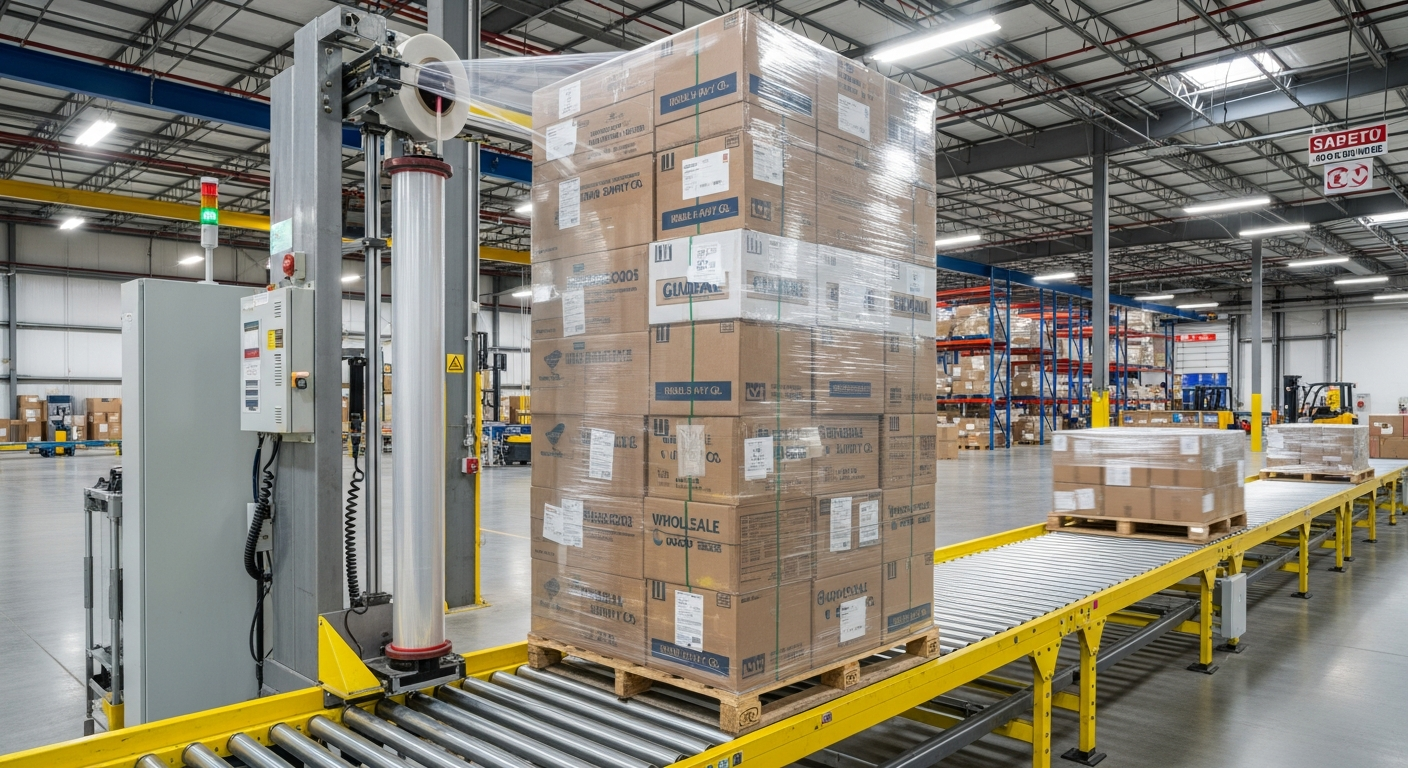
Less-than-truckload (LTL) freight — moving palletized shipments that don't fill a trailer — has the most complex pricing of any common mode. The same pallet can be quoted very differently depending on its freight class, weight, density, distance, and the accessorial services involved. This 2026 guide explains every factor that goes into a Canadian LTL rate, why two carriers quote the same shipment differently, and how to prepare a shipment so you get accurate, comparable quotes instead of surprises and re-bills.
How LTL is priced
An LTL rate is built from several inputs. Freight class (a standardized classification reflecting density, stowability, handling and liability) sets the base rate band — lower classes (dense, easy-to-handle freight) cost less per pound than higher classes. Weight and the distance between origin and destination postal/zip zones scale the base. On top sit accessorials (extra services like liftgate, residential delivery, inside delivery, appointment scheduling) and a fuel surcharge that floats with diesel prices. Carriers also apply their own discount off published tariffs based on your volume and relationship, which is why the same shipment yields different net quotes.
 How LTL is priced
The factors in an LTL quote (2026)
The components that build a Canadian LTL rate. Ranges are illustrative; accessorials and fuel vary by carrier and market.
Every number here is a typical 2026 Canadian range, not a quote. Your real rate depends on volume, SKU profile, seasonality, and service mix — get an itemized quote from a free fulfillment audit before you budget.
| Factor | What it reflects | Cost impact |
|---|
| Freight class | Density, handling, liability | Sets base rate band |
| Weight | Billable weight | Scales base rate |
| Distance / zones | Origin–destination lanes | Scales base rate |
| Accessorials | Liftgate, residential, inside, appt. | +$25–$150+ each |
| Fuel surcharge | Diesel price index | % add-on, floats |
| Carrier discount | Volume / relationship | Reduces net rate |
Freight class and density: the biggest variable
Freight class is where most LTL surprises originate. Classes are assigned largely on density (weight per cubic foot) along with handling, stowability and liability. Misdeclaring class — or shipping freight that's lighter and bulkier than you stated — triggers a carrier reclassification and a re-bill, often well above the original quote. To avoid this, measure and weigh your palletized shipment accurately, calculate density, and declare the correct class up front. Dense, uniform, well-palletized freight earns a lower class and a better rate; loose, fragile or bulky freight classes higher. Getting class right is the single most effective way to keep LTL costs predictable.
Accessorials that inflate the bill
Accessorials are add-on services that frequently push an LTL invoice above the base quote:
- Liftgate (pickup or delivery) — when there's no dock.
- Residential pickup or delivery — non-commercial addresses.
- Inside delivery — beyond the threshold or dock.
- Appointment / notification — scheduled delivery windows.
- Limited access — sites like construction, farms, schools.
- Reweigh / reclass — when declared weight or class is wrong.
How to get accurate, comparable LTL quotes
To get quotes you can trust and compare: provide accurate dimensions and weight for the palletized shipment (not the product), calculate and declare the correct freight class, list every accessorial that genuinely applies at both ends, and confirm whether the quote includes fuel. Get quotes from multiple carriers for your specific lane — LTL carriers have different lane strengths, so the cheapest carrier varies by route. For regular volume on a lane, a relationship discount or a 3PL's blanket carrier rates often beats one-off published quotes. The goal is a quote that matches the invoice — which only happens when the shipment is described accurately up front.
Frequently Asked Questions
How is LTL freight priced in Canada?
LTL rates are built from freight class (density, handling, liability), billable weight, distance between zones, accessorials (liftgate, residential, inside delivery, appointment), and a floating fuel surcharge — then reduced by a carrier discount based on your volume. Each input changes the net rate.
What is freight class and why does it matter?
Freight class is a standardized classification based largely on density, plus handling, stowability and liability. It sets the base rate band. Misdeclaring class — or shipping bulkier/lighter freight than stated — triggers carrier reclassification and a re-bill, often well above the original quote.
Why did my LTL invoice come back higher than the quote?
Usually a reweigh or reclass (declared weight or freight class was wrong) or accessorials that weren't listed at quote time — liftgate, residential, inside or limited-access delivery. Accurate dimensions, weight, class and accessorials up front keep the invoice matching the quote.
How do I get the best LTL rate?
Declare accurate dimensions, weight and freight class; list only the accessorials that apply; get quotes from multiple carriers for your specific lane; and use volume-based discounts or a 3PL's blanket carrier rates for regular lanes. Carrier lane strengths differ, so the cheapest option varies by route.
Related ByExpress resources