Guide · · 11 min read
GS1 Barcodes & Labeling Standards for Canadian Retail
GTINs, UPCs, SSCCs, GS1-128 — the barcode alphabet soup is actually a precise system. Getting it right is the entry ticket to retail and marketplaces.
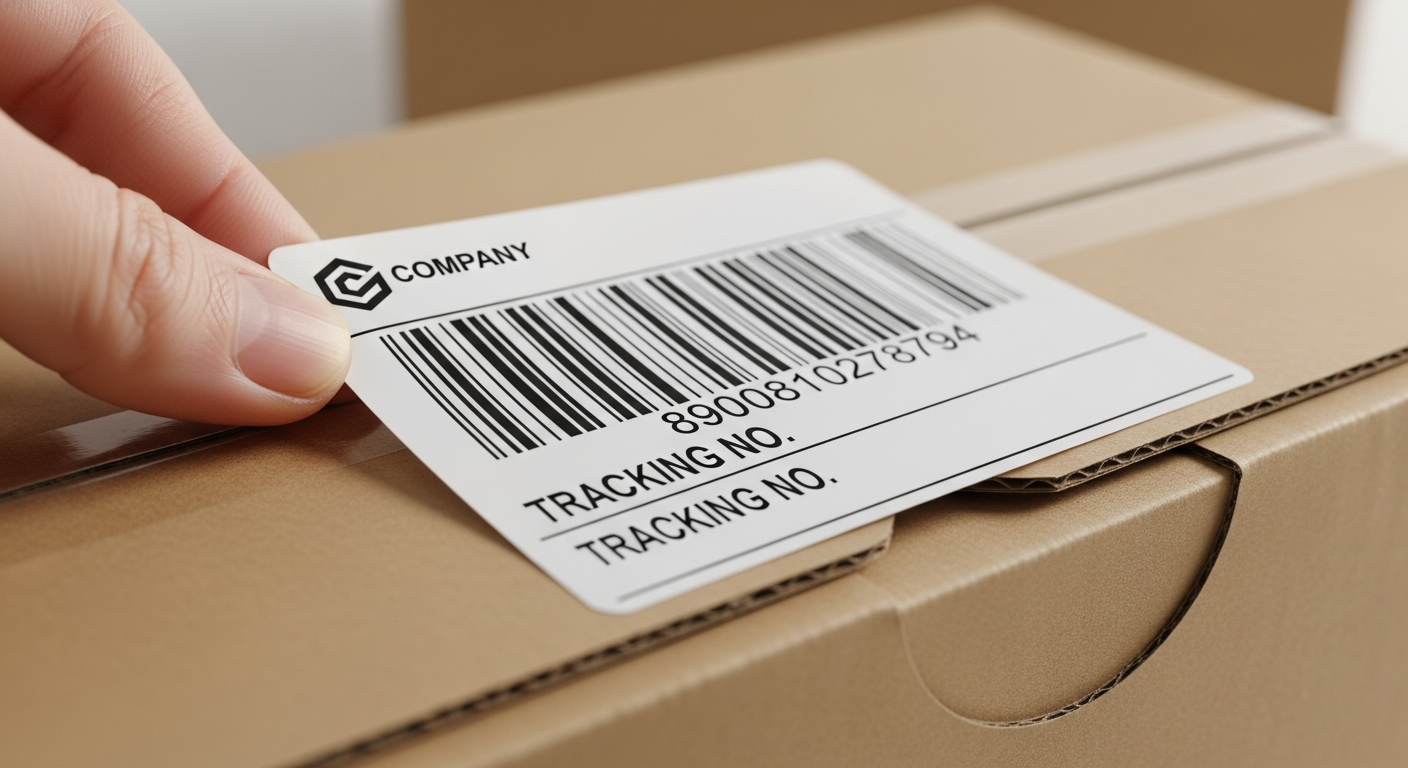
Barcodes are the language retail and marketplaces use to identify and track products, and GS1 is the global standard that makes that language universal. For Canadian brands, getting GS1 identifiers and labels right is not optional — a wrong or missing barcode means a product won't scan at retail, won't list on a marketplace, or gets rejected at a retailer's DC. The terminology (GTIN, UPC, EAN, SSCC, GS1-128) sounds like alphabet soup, but it's a precise, logical system. This guide demystifies the identifiers, explains the label types you'll actually use, and shows how correct labeling prevents costly rejections.
GTINs and UPCs: identifying the product
At the foundation is the GTIN (Global Trade Item Number) — the unique number that identifies a specific product. The familiar 12-digit UPC barcode on retail packaging encodes a GTIN; the 13-digit EAN is its international sibling. To get legitimate, globally unique GTINs, a brand obtains a company prefix from GS1 and assigns numbers to its products. This matters because retailers and marketplaces increasingly verify that your barcodes trace back to a real GS1 registration in your company's name — borrowed or resold barcodes are a frequent cause of listing rejections and authenticity problems.
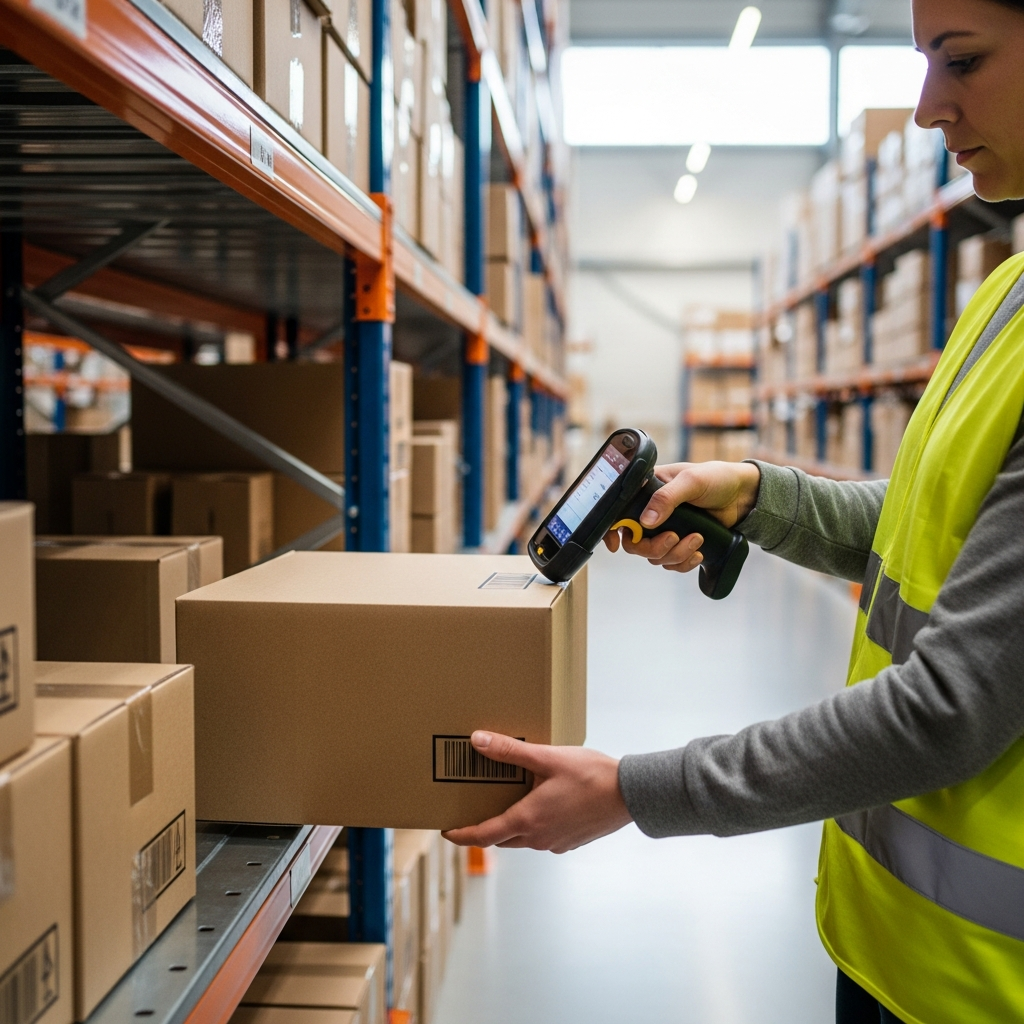 GTINs and UPCs: identifying the product
The label types you'll actually use
Different levels of packaging need different labels. The item-level UPC/EAN identifies each sellable unit. Carton/case labels — often GS1-128 (formerly UCC/EAN-128) — encode the GTIN plus data like lot, quantity, and expiry using standardized application identifiers. Pallet labels carry an SSCC (Serial Shipping Container Code), a unique licence-plate number for the whole pallet that ties it to an advance shipping notice. Each label serves a distinct scanning point in the supply chain, from store shelf to retailer DC receiving dock.
| Level | Identifier | Typical barcode | Purpose |
|---|
| Item (sellable unit) | GTIN | UPC / EAN | Scans at retail POS; marketplace listing |
| Carton / case | GTIN + data | GS1-128 | Lot, qty, expiry for DC receiving |
| Pallet / shipment | SSCC | GS1-128 (SSCC) | Licence-plate; links to ASN |
| Inner pack | GTIN | UPC / ITF-14 | Intermediate pack identification |
SSCC and the ASN connection
The SSCC pallet label and the EDI advance shipping notice (ASN) work as a pair. The ASN tells the retailer electronically what's arriving and how it's packed; the SSCC on each pallet/carton is the physical key that lets the retailer's receiving team scan a label and instantly know its full contents from the ASN. This is why retailers enforce SSCC labeling so strictly — it's what makes automated, scan-based receiving possible. A missing or wrong SSCC breaks that link, forces manual handling, and is a classic chargeback trigger. Correct SSCC labeling is inseparable from correct EDI.
An SSCC label is a physical licence plate; the ASN is the electronic manifest. Together they let a retailer's DC receive by scanning. Break either and you've created a manual exception — and probably a chargeback.
Common labeling errors that cause rejections
Most labeling rejections come from a short list of avoidable mistakes: invalid or non-GS1-registered barcodes, poor print quality or low contrast that won't scan, wrong barcode placement or size, missing application-identifier data (lot/expiry/quantity) where required, and SSCC labels that don't match the ASN. Marketplaces add their own rules (e.g. FNSKU labels for FBA). The fix is a labeling process built to each channel's spec, with verified print quality and data that matches the electronic documents — applied consistently at the carton and pallet level, not improvised.
- Invalid or non-registered (borrowed/resold) GTINs
- Poor print quality, low contrast, or damaged barcodes
- Wrong size, placement, or quiet-zone violations
- Missing lot/expiry/quantity application identifiers
- SSCC labels that don't reconcile with the ASN
How ByExpress handles GS1 labeling
ByExpress applies GS1-compliant labeling across item, carton, and pallet levels — UPC/EAN at the unit, GS1-128 on cartons, and SSCC on pallets tied to the EDI ASN — to each retailer's and marketplace's specification. We verify print quality and ensure label data reconciles with the electronic documents, so shipments scan cleanly at the destination. For brands moving from DTC into retail or marketplaces, this removes one of the most common and avoidable sources of rejections and chargebacks.
Frequently Asked Questions
What is a GTIN and how is it different from a UPC?
A GTIN (Global Trade Item Number) is the unique number identifying a product. A UPC is the familiar 12-digit barcode that encodes a GTIN for retail scanning (the EAN is the 13-digit international version). You obtain legitimate GTINs by getting a company prefix from GS1 and assigning numbers to your products.
What is an SSCC label?
An SSCC (Serial Shipping Container Code) is a unique 'licence plate' number for a pallet or shipping container, carried in a GS1-128 barcode. It links the physical pallet to the electronic advance shipping notice (ASN), letting a retailer's DC scan one label and know the full contents — which is why retailers enforce it strictly.
Why are my barcodes getting rejected by retailers or marketplaces?
Common causes are barcodes not registered to your company in GS1, poor print quality, wrong size or placement, missing required data (lot/expiry/quantity), or SSCC labels that don't match the ASN. The fix is a labeling process built to each channel's exact spec with verified print quality and data that matches the electronic documents.
Do I need GS1 barcodes to sell on marketplaces?
Generally yes — major marketplaces require GTIN-based barcodes (UPC/EAN) that trace to a valid GS1 registration, and some add their own labels (such as FNSKU for Amazon FBA). Borrowed or resold barcodes increasingly cause listing rejections and authenticity issues, so registering your own is the reliable path.
What's the difference between GS1-128 and a regular UPC?
A UPC identifies a single sellable item at retail POS. GS1-128 is a higher-capacity barcode used on cartons and pallets that can encode the GTIN plus additional data — lot, quantity, expiry, or an SSCC — using standardized application identifiers. They serve different scanning points in the supply chain.
Related ByExpress resources