Guide · · 9 min read
Toronto to Montreal Freight Lane (2026): LTL, FTL, Transit & Bilingual Handoff
The 540 km Toronto–Montreal corridor is Canada's busiest domestic freight lane. Here's how to price it, time it, and handle the Ontario–Quebec handoff.
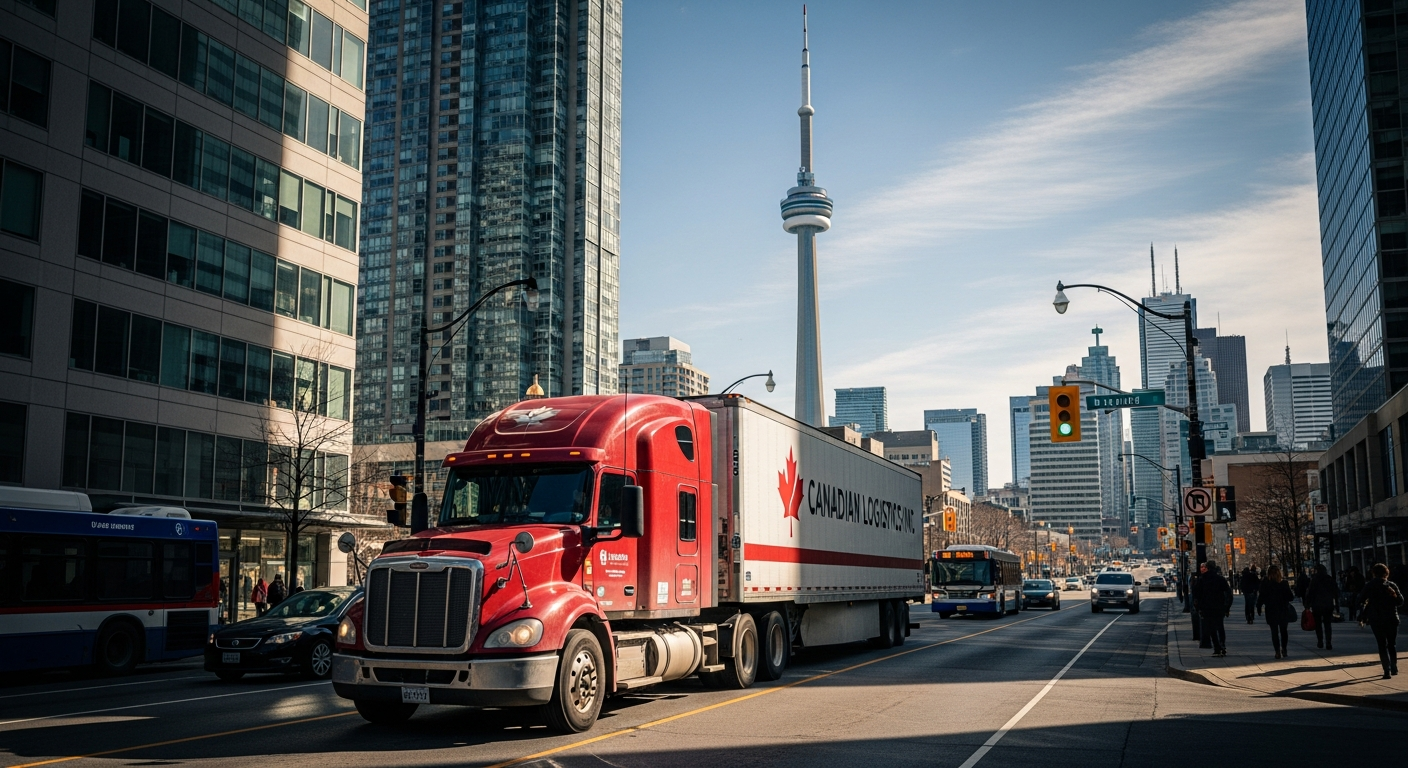
Toronto to Montreal is the single busiest domestic freight corridor in Canada. The roughly 540 km run along Highway 401 — handing off to Quebec's Autoroute 20 at the provincial line near the Ontario–Quebec border — moves an enormous volume of pallets every day, which keeps published rates competitive and daily linehaul slots plentiful. Because this is an interprovincial Canada-internal lane, there is no customs, no broker, and no importer of record involved. What does matter is choosing the right mode for your volume, understanding next-day transit windows, and handling the bilingual expectations of Quebec consignees. This 2026 guide walks through each layer.
Realistic Toronto–Montreal transit times in 2026
Door-to-door transit on the Toronto–Montreal lane is one business day for almost any mode that runs a daily linehaul. The drive itself is roughly 5.5–6 hours via the 401/Autoroute 20, so same-day FTL is achievable for an early dispatch, while LTL and parcel are reliably next business day. Winter weather along the eastern 401 and the Kingston-to-border stretch adds buffer in the December–March window.
- Parcel (Purolator, FedEx, UPS, Canada Post): next business day standard
- LTL scheduled linehaul: next business day for pickup before mid-afternoon
- FTL direct drive: ~5.5–6 hours, same-day possible on an early dispatch
- Expedited team or hot-shot: tighter guaranteed windows at a premium
- Rail intermodal: rarely cost-effective at this distance — trucking dominates
Toronto to Montreal freight rate ranges
Treat the figures below as typical 2026 mid-market ranges before fuel surcharge (FSC is commonly in the low-to-mid 20% range). Actual quotes depend on density, accessorials, day of week, and equipment availability. Booking a few days ahead and consolidating partial pallets are the two fastest ways to lower your effective cost on this lane.
| Service | Weight / Equipment | Toronto → Montreal range (CAD, pre-FSC) |
|---|
| 1 pallet LTL | 1,200–1,500 lb | $190–$260 |
| 2 pallets LTL | 2,400–3,000 lb | $320–$440 |
| 6 pallets LTL | 7,000–9,000 lb | $650–$900 |
| FTL 53′ dry van | Up to ~45,000 lb | $1,000–$1,450 |
| FTL reefer 53′ | Refrigerated | $1,300–$1,850 |
| Hot-shot expedited | Up to 8 pallets | $1,500–$2,400 |
When LTL beats FTL on the Toronto–Montreal lane
The rough break-even sits around 8–10 pallets or roughly 12,000 lb. Below that, scheduled-linehaul LTL is cheaper because you share the linehaul with other shippers. Above it, FTL becomes cheaper per pallet and your freight skips the consolidation terminal — the single biggest source of damage and OS&D claims on this corridor. Brands shipping 4+ pallets to the same Montreal consignee several times a week should ask carriers about a recurring dedicated slot, which typically prices well below ad-hoc LTL.
Most damage claims on Toronto–Montreal LTL trace back to terminal restacking at the GTA consolidation hub. Moving to FTL or a dedicated lane removes that touchpoint.
Which GTA submarket should your freight originate from?
If you have flexibility on where freight originates — for example, choosing a 3PL — east-end GTA origins (Scarborough, Pickering, Oshawa/Durham) shave 30–45 minutes off the Montreal-bound drive versus the west end. That said, most LTL linehaul density still dispatches from west-GTA terminals in Mississauga and Brampton, so the practical trade-off is drive time versus scheduled-linehaul frequency. For high-frequency Montreal flows, density usually wins.
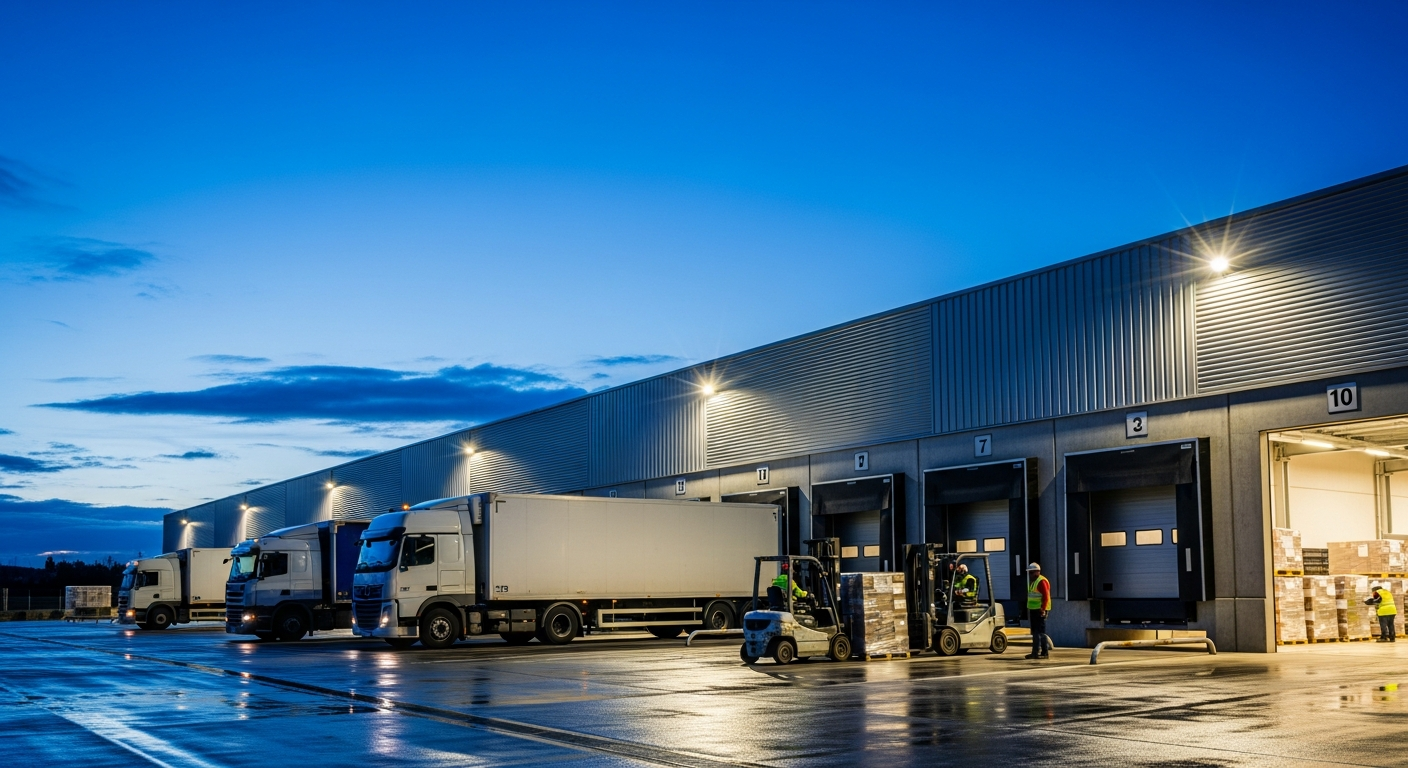 Which GTA submarket should your freight originate from?
The Ontario–Quebec handoff: bilingual, not customs
There is no customs border between Ontario and Quebec — it is a provincial line, not an international one. What changes at the border is commercial-vehicle oversight (Ontario's MTO on the Ontario side, Quebec's SAAQ on the Quebec side) and the language expectation. Quebec consignees increasingly expect French-language documentation, and Quebec's French-language framework has strengthened that expectation. Bilingual packing slips, return labels, and customer-facing materials reduce friction and reflect well on brands selling into the Quebec market.
If you serve both Ontario and Quebec, bilingual packing slips and return documentation are now a practical baseline — not a nice-to-have — for the Montreal consignee experience.
Packaging for the 401 corridor
The corridor is mostly highway with relatively few rough handoffs, so packaging needs are moderate compared with multi-leg cross-Canada moves. The most common miss is under-wrapping LTL pallets that then get restacked at a consolidation terminal. Use heavy-gauge stretch wrap with full base-to-top coverage, corner-board on stacks over 48 inches, and clear 'do not double stack' marking for tall pallets so terminal staff don't cube a second pallet on top.
Frequently Asked Questions
How long does it take to ship from Toronto to Montreal?
Next business day for parcel and scheduled-linehaul LTL with a mid-afternoon pickup. Same-day is achievable with an early FTL dispatch given the ~5.5–6 hour drive. Winter weather can add buffer from December to March.
How much does it cost to ship a pallet from Toronto to Montreal?
A single pallet LTL is typically $190–$260 before fuel surcharge in 2026, with a full 53-foot truckload around $1,000–$1,450. Ranges vary with day of week, density, and accessorials — get a quote for your profile.
Is LTL or FTL cheaper for Toronto–Montreal?
LTL is cheaper under roughly 8–10 pallets. Above that, FTL is usually cheaper per pallet and avoids consolidation-terminal handling. Recurring shippers often negotiate dedicated lane pricing below published LTL rates.
Do I need customs paperwork for Toronto to Montreal?
No. Toronto–Montreal is interprovincial Canadian freight, so there is no customs, broker, or importer of record. Only commercial-vehicle oversight changes between Ontario's MTO and Quebec's SAAQ at the provincial line.
Do I need French-language paperwork for Montreal deliveries?
It is increasingly expected by Quebec consignees, especially for customer-facing materials like packing slips and return labels. Bilingual documentation is the practical standard for brands selling into the Quebec market.
Related ByExpress resources