Guide · · 10 min read
Pop-Up, Seasonal & Event Retail Logistics in Ottawa (2026)
How brands and retailers run pop-ups, seasonal stores, and event activations in Ottawa — kitting, staging, venue delivery, replenishment, and tear-down through a 3PL.
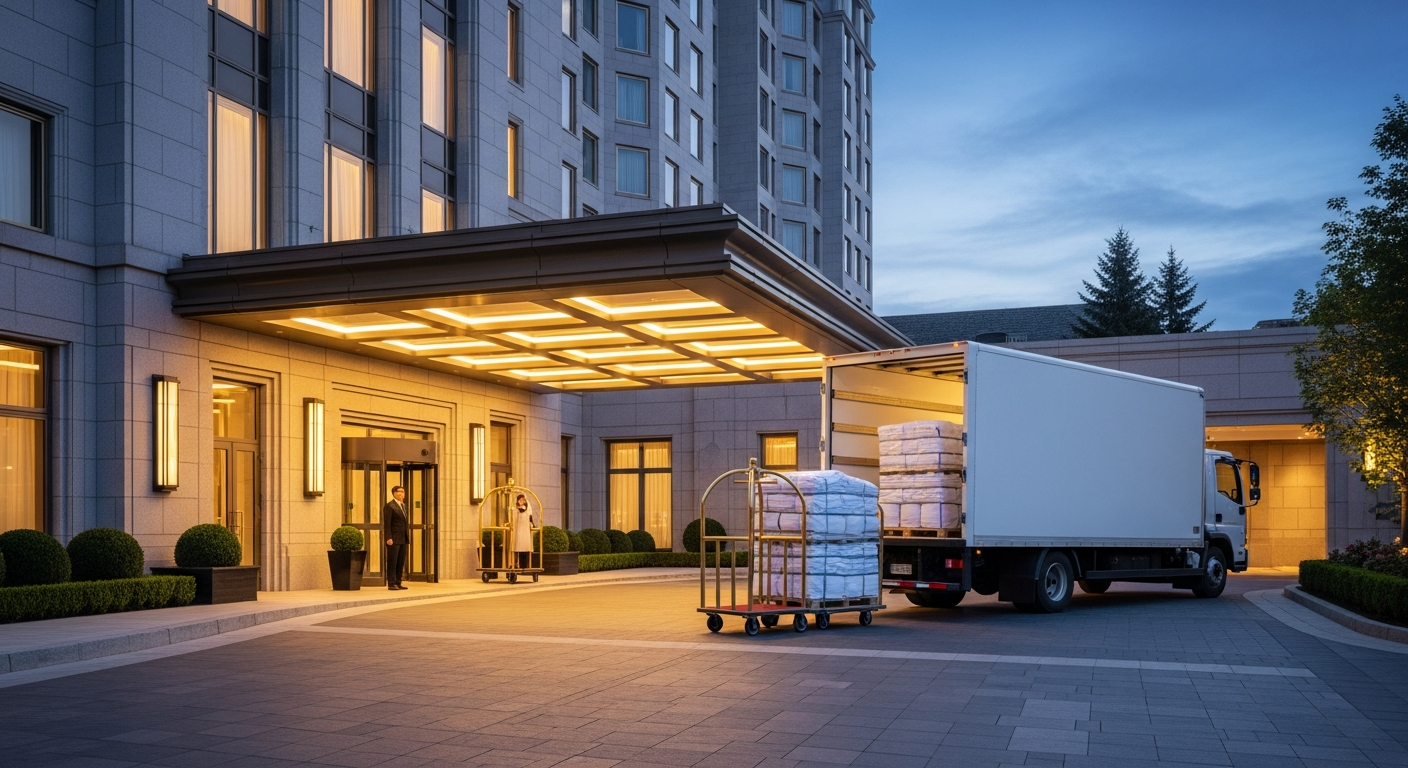
Ottawa's calendar is built for temporary retail. Winterlude on the Rideau Canal, Canada Day on Parliament Hill, Bluesfront and other festivals at LeBreton Flats, the Ottawa 67's and Senators game-day crowds, the Christmas market season, and holiday pop-ups in malls like Rideau Centre and Bayshore all create short, intense windows where a brand needs stock, fixtures, and staff in one place for days or weeks — then gone. Pop-up, seasonal, and event retail logistics is its own discipline: there's no permanent backroom, the venue dictates access and timing, and a missed delivery can't be made up because the event is over. This guide walks through how a 3PL runs temporary retail in Ottawa — kitting the store-in-a-box, staging and delivering to venues, replenishing on the fly, and clean tear-down.
Why temporary retail is a different logistics problem
A permanent store has a backroom, a fixed dock or door, regular delivery days, and staff who know the routine. A pop-up has none of that. The location may be a kiosk in a mall concourse, a tent at a festival site, a vacant unit on a short lease, or a booth at the EY Centre or Shaw Centre. Access is often restricted to specific load-in windows, there's nowhere to store overflow, and the whole thing has a hard start and end date. That compresses everything: inventory has to arrive complete and correct the first time, replenishment has to be quick and surgical, and at the end everything — unsold stock, fixtures, signage — has to come back out fast so you're not paying overstay fees or losing product. The logistics partner has to think like an event crew, not just a warehouse.
Kitting the store-in-a-box
The heart of pop-up logistics is the kit: everything the activation needs, packed and labelled so a small crew can set up fast. A 3PL builds this from your central inventory:
- Opening inventory by SKU, counted and packed to the planogram or display plan.
- Fixtures, shelving, racks, and display units, palletized and labelled by zone.
- Signage, banners, and branded décor for the space.
- POS hardware, packaging, bags, and supply consumables.
- A packing list and set-up guide so the on-site team can verify the kit on arrival.
- Replenishment stock pre-allocated and held at the DC for quick top-ups during the run.
Kit and quality-check the entire pop-up at the DC before it ships. Discovering a missing fixture or short inventory after load-in — when there's no backroom and no time — is the most common and most expensive pop-up failure.
Staging and delivering to Ottawa venues
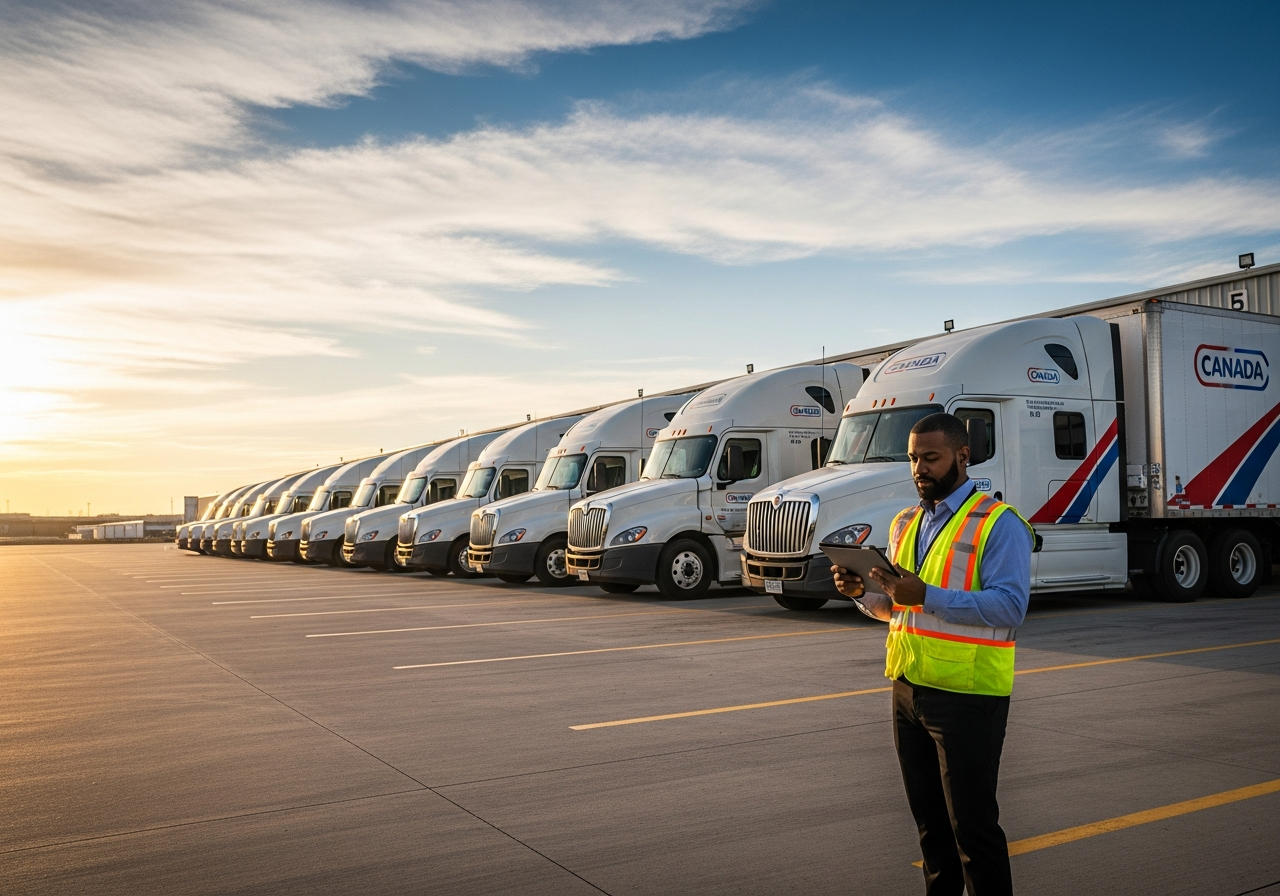
Venue delivery is where local knowledge pays off. Mall pop-ups (Rideau Centre, Bayshore, St. Laurent, Tanger Outlets in Kanata) require booked dock windows and concourse-access rules, often before opening. Festival and outdoor sites (LeBreton Flats, Major's Hill Park, Lansdowne Park) have load-in windows tied to road closures, security perimeters, and ground access — sometimes you can drive to the booth, sometimes everything carts in from a marshalling area. Convention venues (Shaw Centre downtown, EY Centre near the airport) have their own loading docks, union or in-house handling rules, and move-in schedules. A 3PL stages the full kit ahead of the load-in date, confirms the window with the venue, and delivers on a lift-gate truck with the crew and equipment to place fixtures where they need to go — not just drop pallets at a dock.
 Staging and delivering to Ottawa venues
Seasonal cadence across the Ottawa year
Temporary retail in Ottawa clusters around predictable peaks. Planning logistics capacity against this calendar avoids being caught short during the busiest windows.
| Season / event window | Typical activation type | Logistics priority |
|---|
| Winterlude (late Jan–Feb) | Canal-side kiosks, mall pop-ups | Cold-weather handling, quick top-ups |
| Spring / Tulip Festival (May) | Outdoor booths, garden retail | Weather contingency, daily replenish |
| Canada Day (Jul 1) | Parliament/ByWard activations | Road-closure load-in, single big day |
| Festival season (Jun–Aug) | LeBreton/Lansdowne event retail | Marshalling-area carts, security access |
| Back-to-school (Aug–Sep) | Mall seasonal sections | Push allocation, planogram resets |
| Holiday / Christmas (Nov–Dec) | Mall pop-ups, markets, gift kiosks | Peak inventory, frequent replenishment, returns |
Replenishing a pop-up while it's live
Unlike a permanent store, a pop-up can't hold much back stock, so it lives or dies on quick replenishment. The model is to pre-allocate replenishment inventory at the central DC, then run fast, scheduled top-ups during the activation — daily for high-traffic windows like the holiday market season or Canada Day weekend, every few days for a longer multi-week lease. Because the DC already holds the dedicated stock, a top-up is a same-day or next-morning courier or van run, not a fresh pick from general inventory. For multi-site activations (the same brand running kiosks at Rideau Centre, Bayshore, and St. Laurent simultaneously), the 3PL allocates across sites and rebalances stock between them if one location outsells the others — moving inventory store-to-store through the DC hub.
Tear-down, reverse logistics, and reconciliation
The end of a pop-up is as time-sensitive as the start — leases end, venues need the space cleared, and festival sites have hard move-out deadlines. A 3PL handles the tear-down logistics: collecting unsold inventory, dismantling and palletizing fixtures and signage, and trucking everything back to the DC, often within the same tight window the venue allows. Back at the DC, unsold stock is received and reconciled against what shipped out (so you know exactly what sold and what's returning to sellable inventory), fixtures are inspected and stored for the next activation, and any damaged or end-of-life material is dispositioned. Clean reconciliation matters because pop-up profitability depends on knowing true sell-through — and reusable fixtures stored properly at the DC cut the cost of the next event significantly.
Frequently Asked Questions
What does pop-up retail logistics actually include?
It covers kitting the store-in-a-box (inventory, fixtures, signage, POS, consumables), staging and delivering to the venue within its load-in window, replenishing during the run, rebalancing across multiple sites, and tear-down with reverse logistics and reconciliation back at the central DC.
Can a 3PL deliver to festival sites and venues, not just stores?
Yes. An Ottawa 3PL delivers to malls (Rideau Centre, Bayshore, St. Laurent), outdoor festival sites (LeBreton Flats, Lansdowne, Major's Hill Park), and convention venues (Shaw Centre, EY Centre), working within each venue's booked load-in windows, road-closure timing, and access rules.
How do you replenish a pop-up that has no backroom?
Replenishment stock is pre-allocated and held at the central DC, then delivered in fast scheduled top-ups — daily during peak windows, every few days for longer runs. Because the stock is already staged, a top-up is a same-day or next-morning van run rather than a fresh warehouse pick.
What happens to unsold stock and fixtures after the event?
At tear-down the 3PL collects unsold inventory, dismantles and palletizes fixtures and signage, and trucks everything back to the DC within the venue's move-out window. Stock is reconciled against what shipped, reusable fixtures are stored for the next activation, and end-of-life material is dispositioned.
When should I plan seasonal retail logistics in Ottawa?
Plan against Ottawa's event calendar — Winterlude, Tulip Festival, Canada Day, summer festivals, back-to-school, and the November–December holiday peak. Booking kitting and delivery capacity well ahead of these windows avoids being caught short during the busiest periods.
Related ByExpress resources