Guide · · 11 min read
Distribution Services in Ottawa: B2B, Retail & Regional
Distribution is the outbound half of the supply chain — moving product from the warehouse to stores, dealers, marketplaces, and customers. Here's how distribution works from an Ottawa hub, and why the National Capital Region is one of Canada's most efficient places to run it.
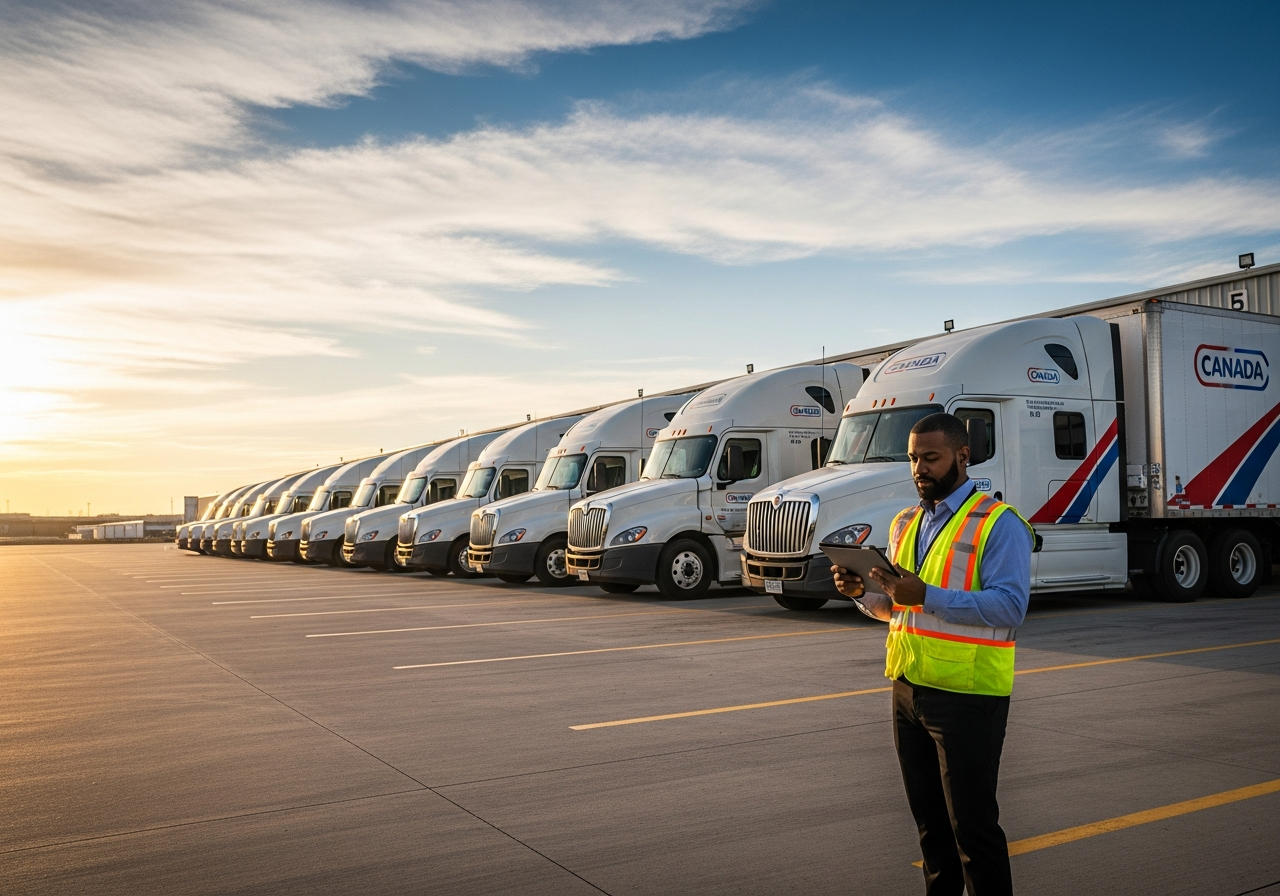
Warehousing stores your product and fulfillment picks and ships individual orders, but distribution is the discipline that moves volume out the door — replenishing retail shelves, supplying dealers and wholesalers, and pushing inventory to regional markets across Canada and into the U.S. Northeast. It is where geography, transport mode, and execution discipline decide whether your product arrives on time and on budget. Ottawa is quietly one of the strongest distribution bases in the country: it sits at the centre of the Quebec City–Windsor corridor that holds roughly 60% of Canada's consumer demand, with next-day ground reach to Toronto and Montreal and direct line-haul into upstate New York. This guide explains what distribution actually involves, how each channel works, and how a centrally located Ottawa hub turns geography into faster transit and lower freight cost.
What distribution means vs. warehousing and fulfillment
These three terms get used interchangeably, but they describe distinct functions. Warehousing is the static side: receiving, putaway, storage, and inventory accuracy — product sitting safely until it's needed. Fulfillment is the order-level pick-pack-ship workflow that sends individual units to end customers, typically DTC e-commerce. Distribution is the outbound movement of volume to downstream nodes — retail distribution centres, store networks, wholesale accounts, dealers, and marketplace warehouses. A distribution operation thinks in pallets, cases, and lanes rather than single parcels, and it lives or dies on transport planning: choosing the right mode, consolidating freight, hitting delivery appointment windows, and meeting retailer compliance rules. Most growing brands need all three working together, and the real advantage comes when warehousing, fulfillment, and distribution run under one roof on one inventory pool — no transfers, no double-handling, no reconciliation gaps.
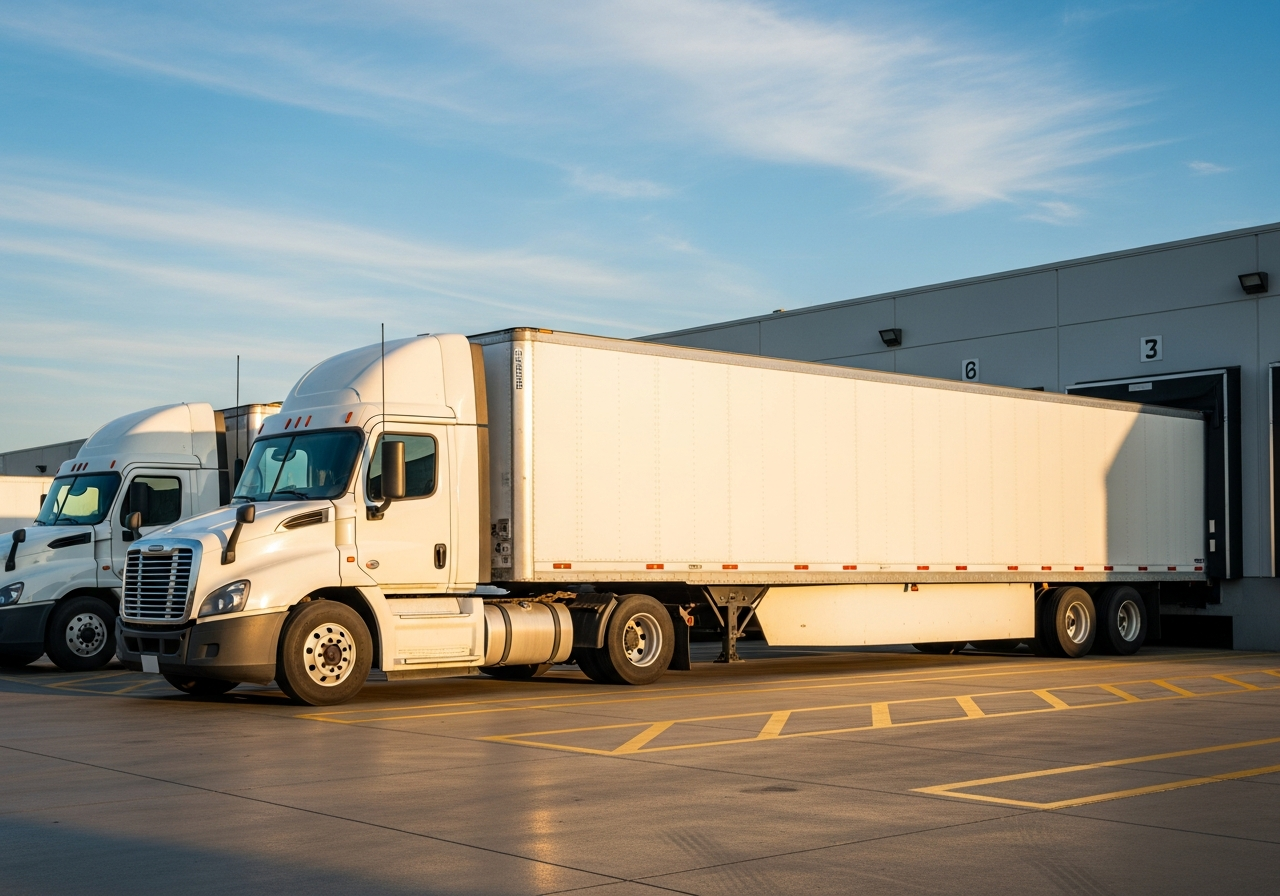
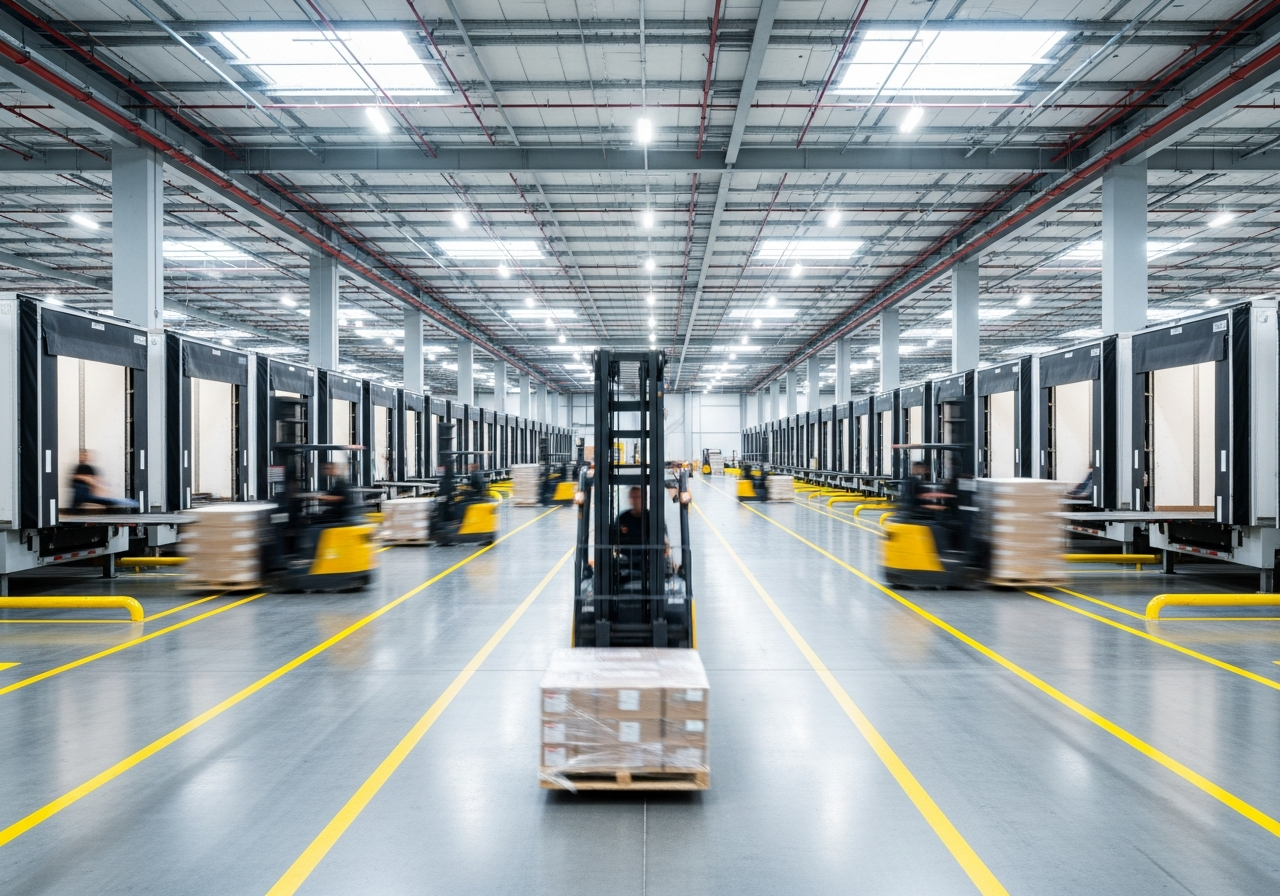 Distribution thinks in pallets and lanes, not single parcels — cross-docking lets freight move through without long-term storage.
B2B and wholesale distribution
B2B distribution supplies businesses rather than consumers: wholesale accounts, dealers, distributors, franchise locations, and corporate buyers. The orders are larger, less frequent, and far less forgiving on accuracy and paperwork than DTC. A single mis-picked case or a missing packing slip can hold up a whole receiving dock at the destination. Good B2B distribution means clean case and pallet picking, accurate carton labelling, palletization to the buyer's specification, and the right documentation travelling with every shipment — packing lists, bills of lading, and certificates where required. Lead-time reliability matters more than raw speed here: wholesale buyers plan around committed ship dates, so a distribution partner that hits its windows consistently is worth more than one that is occasionally faster and occasionally late.
 B2B and wholesale distribution
Retail replenishment and EDI compliance
Selling into major Canadian retailers — Loblaw, Sobeys, Metro, Walmart Canada, Costco, Canadian Tire, Indigo, and the like — means playing by their distribution rules, and those rules are strict. Each retailer publishes a routing guide covering carton and pallet specifications, GS1-128 (UCC-128) shipping labels, advance ship notices, delivery appointment scheduling, and the precise EDI documents that must flow at each step. Non-compliance triggers chargebacks that quietly erode margin. A distribution partner experienced in Canadian retail handles the full EDI cycle — the 850 purchase order in, the 856 advance ship notice and 810 invoice out — plus retailer-compliant labelling and pallet building, so your shipments clear receiving without deductions. If your retail program is the core of your business, link through to our deeper retail-replenishment guide for the document-by-document detail.
Retail chargebacks for non-compliant labels, late ASNs, or missed delivery appointments commonly run 1–5% of invoice value. A distribution partner fluent in retailer routing guides protects that margin directly.
Regional distribution from the Ottawa hub
The single biggest lever in distribution is where you ship from. Ottawa's position in the middle of the Quebec City–Windsor corridor means a hub-and-spoke model anchored here reaches the majority of Canadian demand in one or two transit days without a second warehouse. Toronto and the GTA are a single ground day; Montreal is a half-day intra-zone lane; Quebec City and Kingston are reachable next-day. From one Ottawa node a distributor can replenish stores and serve B2B accounts across central Canada on tight, predictable timelines, then reach Atlantic and Western Canada on scheduled line-haul. For brands currently running everything out of a congested, higher-cost GTA facility, shifting the distribution hub to Ottawa often shortens average transit to central-Canada demand while lowering both freight and warehousing cost.
| Destination from Ottawa | Typical Ground Transit | Best-Fit Mode |
|---|
| Montreal / Gatineau | Same-day – 1 day | Parcel, LTL, FTL |
| Toronto / GTA | 1 business day | Parcel, LTL, FTL |
| Kingston / Quebec City | 1 business day | Parcel, LTL |
| Atlantic Canada (Halifax) | 2–3 business days | LTL, FTL |
| Winnipeg | 3 business days | LTL, FTL |
| Calgary / Edmonton | 3–4 business days | FTL, intermodal |
| Vancouver | 4–5 business days | FTL, intermodal |
| U.S. Northeast (NY, MA) | 1–2 business days | Cross-border LTL/FTL |
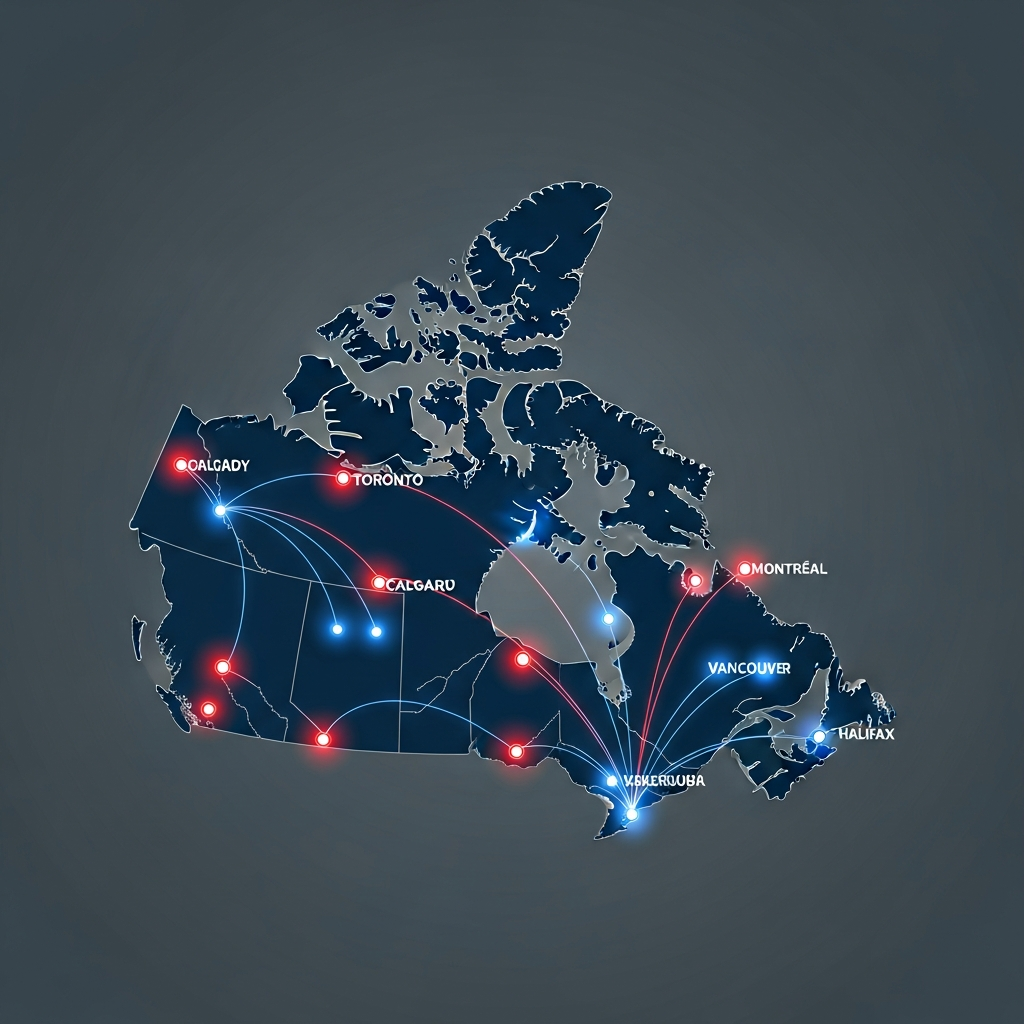 Regional distribution from the Ottawa hub
Cross-dock and transload services
Not all inventory needs to be stored. Cross-docking moves freight from an inbound trailer across the dock to an outbound one with little or no warehousing in between — ideal for pre-allocated retail orders, store-ready shipments, and high-velocity SKUs where every day of storage is wasted cost. Transloading shifts product between transport modes or container types, for example breaking an inbound import container into palletized LTL and FTL loads for regional distribution. Both reduce handling, free up storage space, and compress order-to-delivery time. An Ottawa hub with cross-dock and transload capacity lets you flow seasonal surges, promotional drops, and retail allocations straight through to their destinations instead of paying to store them twice.
Transport modes: parcel, LTL, and FTL
Distribution is only as good as the mode selection behind it, and matching freight to the right mode is where cost is won or lost. Parcel (small-package carriers) suits individual cartons and small B2B orders. LTL — less-than-truckload — is the workhorse for palletized shipments that don't fill a trailer, consolidating multiple shippers' freight on shared lanes. FTL — full-truckload — is most economical once you have enough volume to fill a trailer or need a dedicated, time-definite move. The discipline is choosing correctly per shipment, consolidating where possible, and rate-shopping carriers within each mode. A distribution partner running a multi-carrier rate engine evaluates published rates, negotiated discounts, weight, zone, and accessorials in real time, then books the lowest viable option — typically saving double digits versus single-carrier defaults.
- Parcel: single cartons and small B2B orders; fastest to set up, highest per-unit cost at volume
- LTL (less-than-truckload): palletized freight under a full trailer; shared lanes, appointment delivery
- FTL (full-truckload): dedicated trailer for high volume or time-definite moves; lowest cost per unit at scale
- Cross-border LTL/FTL: U.S. Northeast via Ogdensburg–Prescott and Cornwall–Massena crossings
- Intermodal: rail-plus-truck for long-haul Western Canada lanes where transit time allows
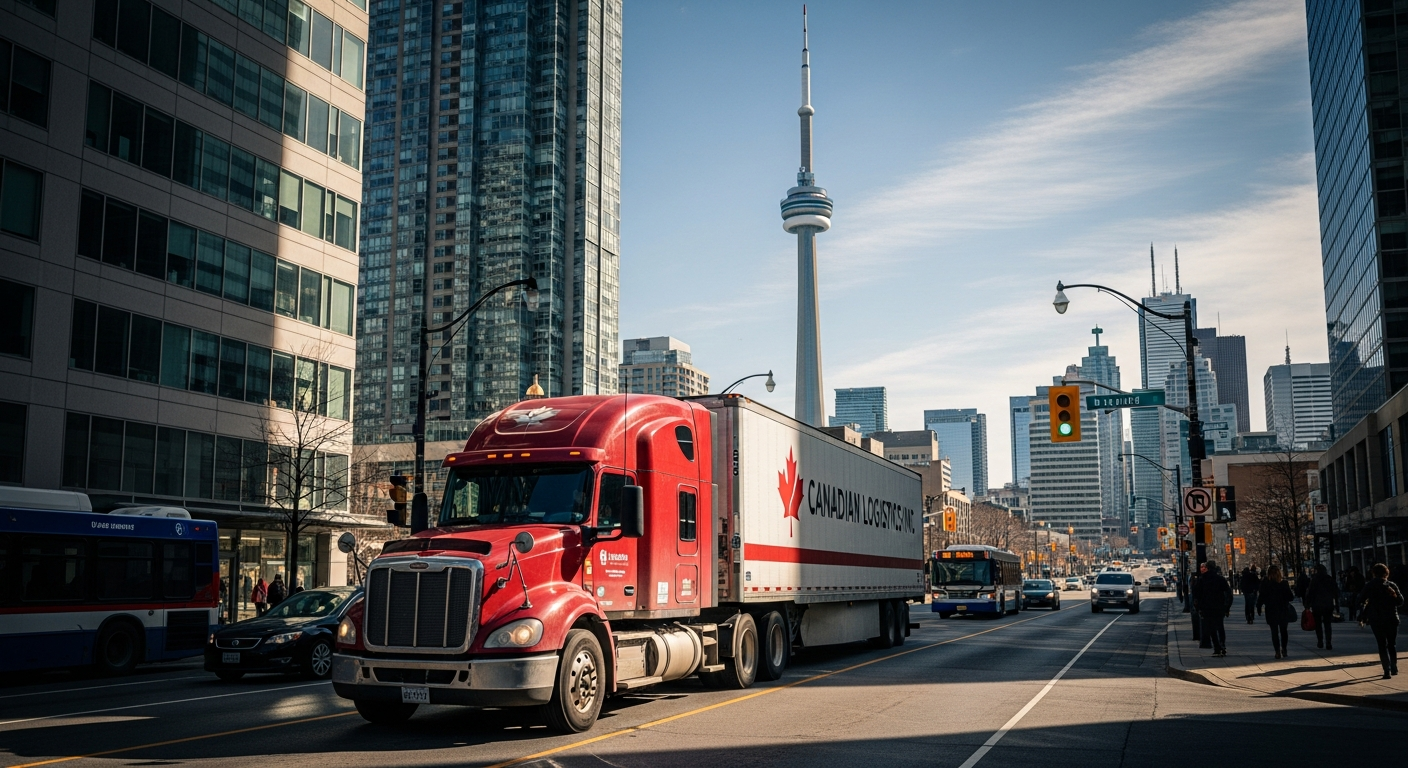 Transport modes: parcel, LTL, and FTL
Cross-border distribution to the U.S. Northeast
Ottawa's most underrated distribution advantage is southbound. The Ogdensburg–Prescott bridge and the Cornwall–Massena crossing are both within roughly 60–90 minutes of the city and carry far lighter commercial traffic than the Niagara corridor. That puts U.S. Northeast distribution — New York, Massachusetts, Pennsylvania, New Jersey — within a one-to-two-day reach by cross-border LTL or FTL, opening East Coast wholesale and retail accounts without a separate U.S. warehouse. Done properly, cross-border distribution requires accurate commercial invoicing, correct tariff classification, and a customs broker or Importer of Record arrangement; the Canada Border Services Agency and U.S. Customs and Border Protection publish the governing requirements. A distribution partner that understands the paperwork keeps freight moving instead of sitting at the line.
How ByExpress runs distribution in Ottawa
ByExpress operates its national headquarters and flagship fulfillment and distribution facility in Ottawa at 2411 Holly Lane, anchoring a five-city Canadian network spanning Ottawa, Toronto, Montreal, Vancouver, and Calgary. From the Ottawa hub we run B2B and retail distribution, retailer-compliant EDI and GS1-128 labelling, cross-dock and transload, and multi-mode outbound across parcel, LTL, and FTL — all on one in-house WMS with real-time visibility and multi-carrier rate-shopping. Ottawa's central position in the Quebec City–Windsor corridor (~60% of Canadian e-commerce demand) gives next-day ground to Toronto and Montreal and direct line-haul into the U.S. Northeast via the Ogdensburg–Prescott and Cornwall–Massena crossings, with bilingual EN/FR operations for accounts on both sides of the river. The result: a single Ottawa node that distributes to most of Canada in one to two days without the cost of a second warehouse footprint.
 How ByExpress runs distribution in Ottawa
Frequently Asked Questions
What's the difference between distribution, warehousing, and fulfillment?
Warehousing is storage — receiving, putaway, and holding inventory. Fulfillment is the order-level pick-pack-ship of individual units, usually to consumers. Distribution is the outbound movement of volume to downstream nodes such as retail DCs, stores, dealers, and wholesale accounts, planned in pallets and cases across the right transport modes. Most brands need all three, and they work best on a single inventory pool under one operator.
Can you handle retail distribution with EDI compliance?
Yes. Distribution into major Canadian retailers requires routing-guide compliance: GS1-128 (UCC-128) carton labels, palletization to spec, delivery appointments, and the EDI document cycle — 850 purchase order in, 856 advance ship notice and 810 invoice out. A distribution partner fluent in retailer routing guides handles this end to end so shipments clear receiving without chargebacks.
How far can you distribute from an Ottawa hub?
From a central Ottawa node, ground reaches Montreal same-day to next-day, Toronto and the GTA in one business day, Quebec City and Kingston next-day, Atlantic Canada in 2–3 days, and Western Canada in 3–5 days by FTL or intermodal. The U.S. Northeast is one to two days via cross-border LTL/FTL. Ottawa's corridor position means one hub covers most Canadian demand in one to two days.
What transport modes do you use for distribution?
Parcel for single cartons and small B2B orders, LTL for palletized freight under a full trailer, and FTL for high-volume or time-definite moves, plus cross-border LTL/FTL into the U.S. Northeast and intermodal on long Western lanes. The key is matching each shipment to the right mode and rate-shopping carriers within it, which typically saves double digits versus single-carrier defaults.
Do you offer cross-dock and transload services?
Yes. Cross-docking moves pre-allocated or store-ready freight from inbound to outbound trailers with little or no storage in between, and transloading shifts product between modes or container types — for example breaking an import container into palletized LTL and FTL for regional distribution. Both cut handling, free storage space, and compress order-to-delivery time.
Can you distribute to the United States from Ottawa?
Yes — Ottawa is well positioned for the U.S. Northeast. The Ogdensburg–Prescott and Cornwall–Massena crossings are roughly 60–90 minutes away and route into New York, Massachusetts, Pennsylvania, and New Jersey in one to two days by cross-border LTL or FTL. Cross-border distribution requires accurate commercial invoicing, tariff classification, and a customs broker or Importer of Record arrangement per CBSA and U.S. CBP rules.
Related ByExpress resources