Guide · · 10 min read
Sustainable Fulfillment in Canada: Practical, Not Performative
Real sustainability in logistics overlaps almost perfectly with efficiency. The changes that cut emissions usually cut cost too — here's where to actually start.
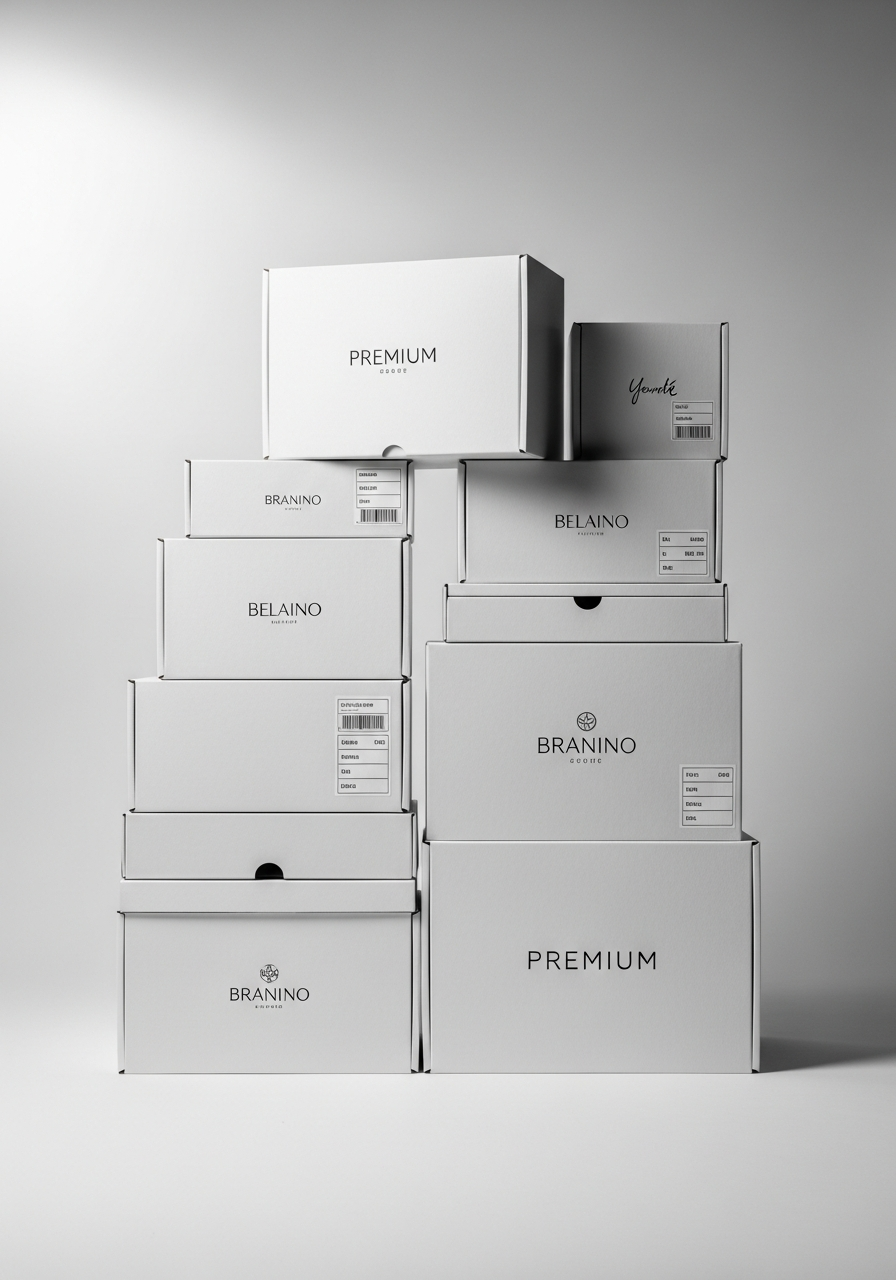
Sustainability in fulfillment is often treated as either a marketing badge or a costly trade-off. In reality, the most effective environmental improvements in logistics overlap almost perfectly with operational efficiency: shipping less air, driving fewer empty kilometres, and not sending product on a round trip it never needed to make. This guide focuses on the practical levers Canadian brands can actually pull — right-sized packaging, smarter shipping, returns reduction, consolidation, and local inventory positioning — and why most of them lower cost at the same time they lower emissions. It's sustainability framed as good operations, not performance.
Right-sized, recyclable packaging
Packaging is the most visible sustainability lever and one of the most impactful. Oversized boxes waste material, fill trucks with air (raising emissions per parcel via dimensional weight), and generate customer-facing waste. Right-sizing packaging through cartonization reduces material use, lowers dimensional weight (and therefore both cost and transport emissions), and cuts waste in one move. Choosing recyclable or recycled-content materials, minimizing plastic void fill, and avoiding mixed-material packaging that can't be recycled all compound the benefit. This is the clearest case where the sustainable choice and the cost-efficient choice are the same choice.
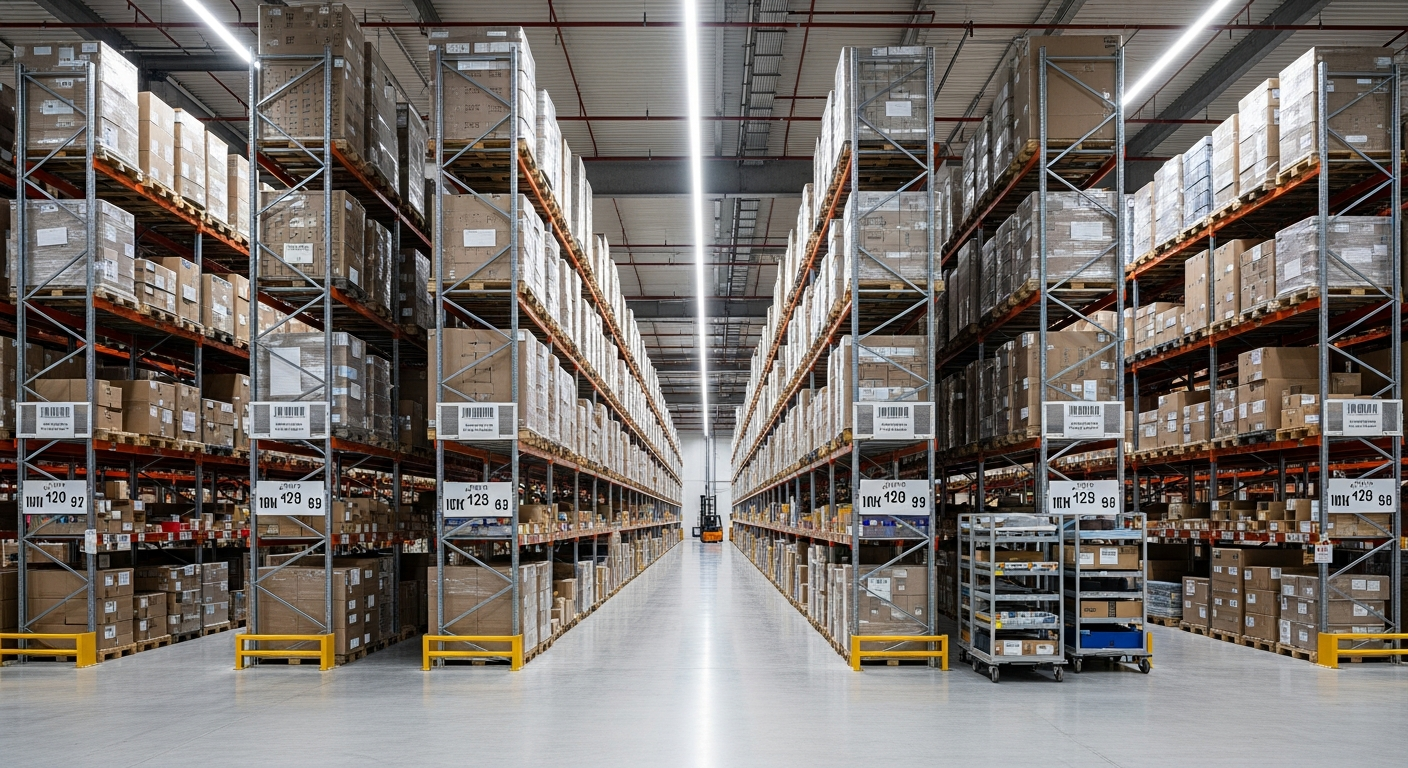 Right-sized, recyclable packaging
Carbon-aware shipping and consolidation
Transportation is where most fulfillment emissions live. Two levers matter most: distance and consolidation. Positioning inventory closer to customers shortens the distance every parcel travels, cutting both last-mile cost and emissions. Consolidation — combining multiple items or orders into fewer shipments, and choosing ground over air where time allows — reduces the number of trips and the emissions per unit. Slower, consolidated ground shipping is almost always both cheaper and lower-carbon than fast air freight, so offering customers a clearly-labeled economical/greener delivery option aligns their choice with both goals.
Air freight is the highest-emission, highest-cost shipping mode. Every order you can shift from expedited air to consolidated ground cuts cost and carbon together — so make the greener option the easy default where timing allows.
Returns reduction as a sustainability strategy
Returns are an under-appreciated environmental cost: a returned item often travels back across the country, gets inspected and repackaged, and sometimes can't be resold at all. Reducing return rates is therefore both a margin and an emissions strategy. The biggest levers are upstream: accurate product descriptions, good sizing guidance, quality images, and honest reviews reduce 'didn't match expectations' returns. Operationally, fast and accurate fulfillment cuts 'wrong item' returns. Fewer returns mean fewer reverse-logistics trips, less repackaging waste, and less product written off — a rare case where doing right by the planet and the P&L coincide.
- Accurate descriptions, sizing, and images to cut expectation-mismatch returns
- Accurate picking to eliminate wrong-item returns
- Efficient reverse logistics to resell returns faster (less write-off)
- Restock or refurbish viable returns instead of disposing
- Right-sized packaging reduces damage-in-transit returns
Local inventory positioning and Canadian context
Multi-node inventory positioning is a sustainability lever as much as a speed and cost one: stock held near demand travels fewer kilometres to the customer. In the Canadian context, this also reduces reliance on long cross-country expedited shipping to meet delivery expectations. There's a credibility dimension too — Canadian consumers and retailers increasingly expect genuine environmental practices, and vague claims invite scrutiny. The honest approach is to focus on measurable operational improvements (material reduced, kilometres avoided, returns lowered) rather than unverifiable badges, and to communicate them plainly.
How ByExpress builds sustainability into operations
ByExpress reduces environmental impact through the same practices that lower cost: cartonization and right-sized recyclable packaging, rate-shopped and consolidated shipping with sensible ground-default options, efficient returns processing that gets resaleable product back to stock, and multi-node inventory positioning that shortens delivery distances across Canada. We treat sustainability as an outcome of good operations — measurable in materials, distance, and waste avoided — rather than as a separate, performative program.
Frequently Asked Questions
Does sustainable fulfillment cost more?
Usually the opposite. The highest-impact levers — right-sized packaging, consolidation, shifting from air to ground, and reducing returns — cut cost and emissions at the same time, because waste, excess distance, and unnecessary trips are expensive as well as carbon-intensive. Sustainability and efficiency largely overlap.
What's the single biggest sustainability lever in fulfillment?
Transportation, particularly mode and distance. Shifting orders from expedited air to consolidated ground and positioning inventory closer to customers both cut emissions substantially — and lower cost too. Packaging right-sizing is the most visible lever and also reduces transport emissions via lower dimensional weight.
How do returns affect sustainability?
Returns are environmentally costly: items travel back, get inspected and repackaged, and sometimes can't be resold. Reducing returns through accurate descriptions, sizing guidance, and accurate picking cuts reverse-logistics trips, packaging waste, and write-offs — improving both margin and environmental footprint.
Is eco-friendly packaging actually better or just marketing?
Done substantively, it's both better and cheaper: right-sizing reduces material, dimensional weight, and waste simultaneously. The marketing risk is overstating it — using recyclable claims on non-recyclable mixed-material packaging, for example. The credible approach focuses on measurable material reduction and genuinely recyclable choices.
How can a 3PL help reduce my carbon footprint?
Through cartonization and recyclable packaging, consolidated and rate-shopped shipping with ground-default options, efficient returns processing, and multi-node inventory positioning that shortens delivery distances. These operational practices reduce materials, kilometres, and waste — measurable improvements rather than unverifiable badges.
Related ByExpress resources