Guide · · 10 min read
Toronto Cosmetics & Beauty Fulfillment (2026): Kitting, Lot Tracking & DTC
Beauty fulfillment is detail-heavy: kitting, lot traceability, fragile DTC presentation, and Health Canada compliance. Here's how to run it well in the GTA.
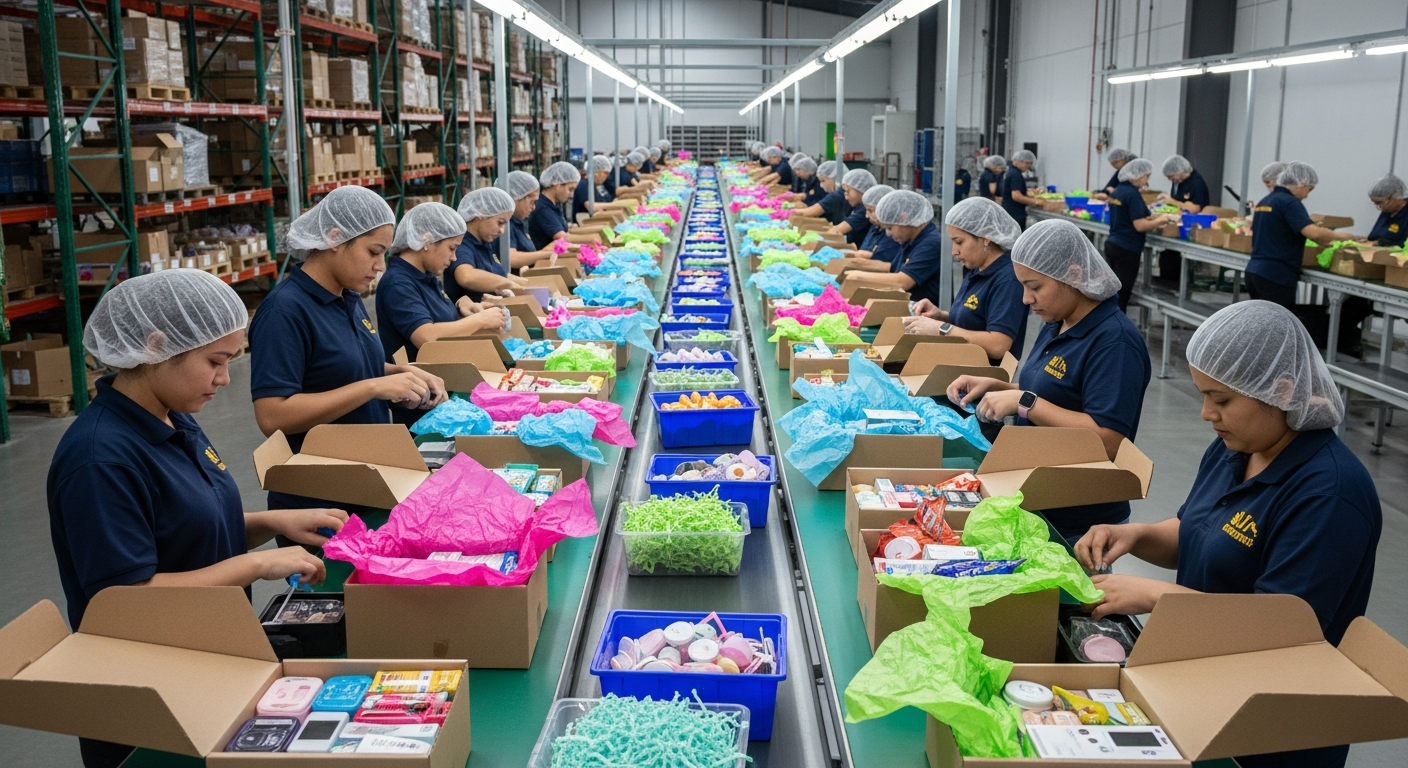
Cosmetics and beauty is one of the most detail-intensive fulfillment categories. Products are often fragile, presentation matters as much as speed, lots and expiry dates must be tracked, sets and gift-with-purchase bundles require frequent kitting, and Health Canada's cosmetic rules apply to what you sell and how it's labelled. The GTA is a strong base for beauty fulfillment because of its dense DTC customer market, carrier coverage, and access to retail channels. This 2026 guide covers kitting, lot tracking, Health Canada compliance, DTC presentation, returns, and retail requirements.
Kitting, bundling, and gift-with-purchase
Beauty runs on kits: starter sets, seasonal bundles, subscription boxes, gift-with-purchase (GWP) promotions, and influencer/PR boxes. Each is an assembly project with its own bill of materials, insert cards, tissue and ribbon, and quality checks. A good GTA beauty 3PL treats kitting as a planned production activity — staged components, documented build instructions, and QC on finished kits — rather than improvised assembly at pick time. This keeps promotional launches on schedule and consistent.
Kitting, bundling, and gift-with-purchase
Lot tracking and expiry management
Cosmetics carry lot codes and many carry expiry or period-after-opening information. Fulfillment systems should capture lots at receiving and pick by FEFO (first-expiry, first-out) so older stock ships first and short-dated inventory is flagged before it becomes unsellable. Lot-level traceability also matters for quality holds and recalls — if a lot needs to be pulled, you need to know exactly which orders and which on-hand inventory are affected. This discipline is a baseline expectation for credible beauty fulfillment, not a premium add-on.
FEFO picking and lot-level traceability are the two non-negotiables of beauty fulfillment. Without them, you risk shipping short-dated product and can't execute a clean lot hold or recall.
Health Canada cosmetics compliance basics
Cosmetics sold in Canada are regulated under the Food and Drugs Act and the Cosmetic Regulations, administered by Health Canada. Key obligations sit largely with the brand/importer: notifying Health Canada via a Cosmetic Notification Form, meeting ingredient restrictions (including the Cosmetic Ingredient Hotlist), and bilingual labelling with required information. It's worth knowing where the line sits between a cosmetic and a natural health product or non-prescription drug — some claims push a product into a different regulatory category with stricter requirements. A fulfillment partner should support correct labelling, lot control, and segregation, while the regulatory filings remain the brand's responsibility.
 Health Canada cosmetics compliance basics
DTC presentation and fragile packing
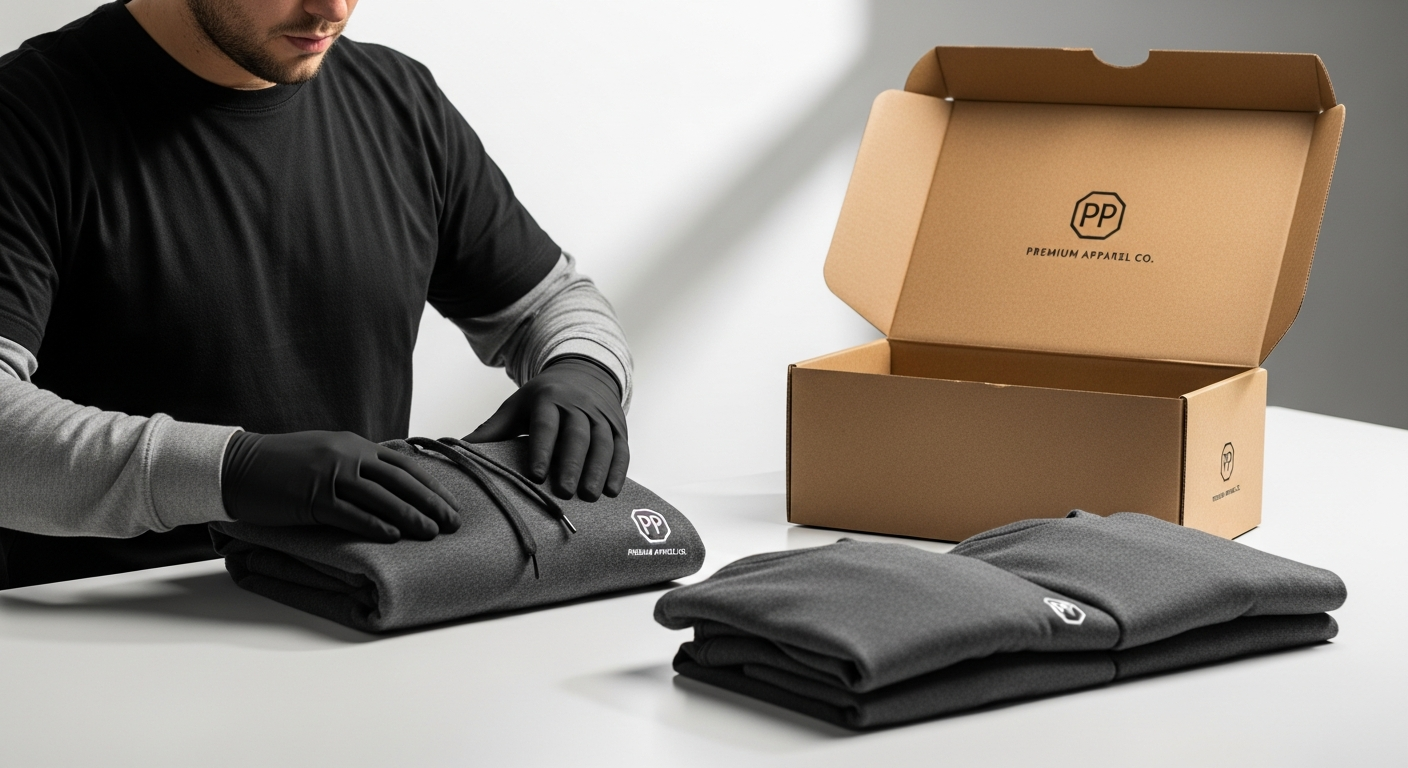
In beauty, the unboxing is part of the product. DTC fulfillment must protect fragile glass and pumps while delivering a clean, on-brand presentation: right-sized boxes, tissue and inserts, void fill that looks intentional, and protection for liquids and powders against leakage and breakage in transit. Damage and a sloppy unboxing both drive returns and lost repeat purchases, so beauty brands often invest more in packout quality than other categories — and expect their 3PL to execute it consistently at volume.
Returns and quality control
Beauty returns need careful handling because of hygiene and safety. Many opened personal-care items can't be restocked and must be dispositioned as damaged/destroyed, while sealed, unopened returns may be returnable to sellable stock after inspection. A clear returns policy and a disciplined inspection-and-disposition workflow protect both customers and brand integrity. Capturing return reasons also feeds product and packaging improvements over time.
Selling into retail: Sephora, Shoppers, and beyond
Beyond DTC, many beauty brands sell into Canadian retail — pharmacy chains, department and specialty beauty retailers, and marketplaces. Retail channels bring their own compliance: EDI and ASN, SSCC carton/pallet labelling, specific case-pack and ticketing requirements, and appointment-booked DC deliveries. Chargebacks for non-compliance are common in beauty retail, so a GTA 3PL handling both DTC and retail wholesale should be fluent in retailer routing guides and able to switch between channel requirements from one inventory pool.
Frequently Asked Questions
What makes cosmetics fulfillment different from general fulfillment?
Frequent kitting and gift-with-purchase builds, lot tracking with FEFO and expiry management, fragile glass and liquid handling, premium DTC presentation, hygiene-sensitive returns, and Health Canada cosmetic compliance all add complexity beyond standard pick-pack.
Do I need to comply with Health Canada to sell cosmetics in Canada?
Yes. Cosmetics fall under the Food and Drugs Act and Cosmetic Regulations — including Cosmetic Notification, ingredient restrictions like the Hotlist, and bilingual labelling. These filings are the brand's responsibility; a 3PL supports correct labelling, lot control, and segregation.
What is FEFO and why does it matter for beauty?
FEFO means first-expiry, first-out picking, so the oldest-dated stock ships first. Because cosmetics carry expiry or period-after-opening dates, FEFO prevents shipping short-dated product and keeps inventory sellable.
Can opened beauty returns be restocked?
Generally no — opened personal-care items are usually dispositioned as damaged/destroyed for hygiene reasons, while sealed, unopened returns may return to sellable stock after inspection. A clear inspection-and-disposition workflow is essential.
Can one GTA 3PL handle both DTC beauty and retail wholesale?
Yes. A capable partner manages one inventory pool and switches between DTC packout and retail compliance (EDI/ASN, SSCC labels, case-pack and ticketing rules, booked DC appointments), reducing chargebacks across channels.
Related ByExpress resources