Guide · · 9 min read
Toronto & GTA Cross-Dock & Transloading Services (2026)
Cross-docking and transloading move freight without long-term storage. Here's how they work in the GTA, when to use them, and where they save real money.
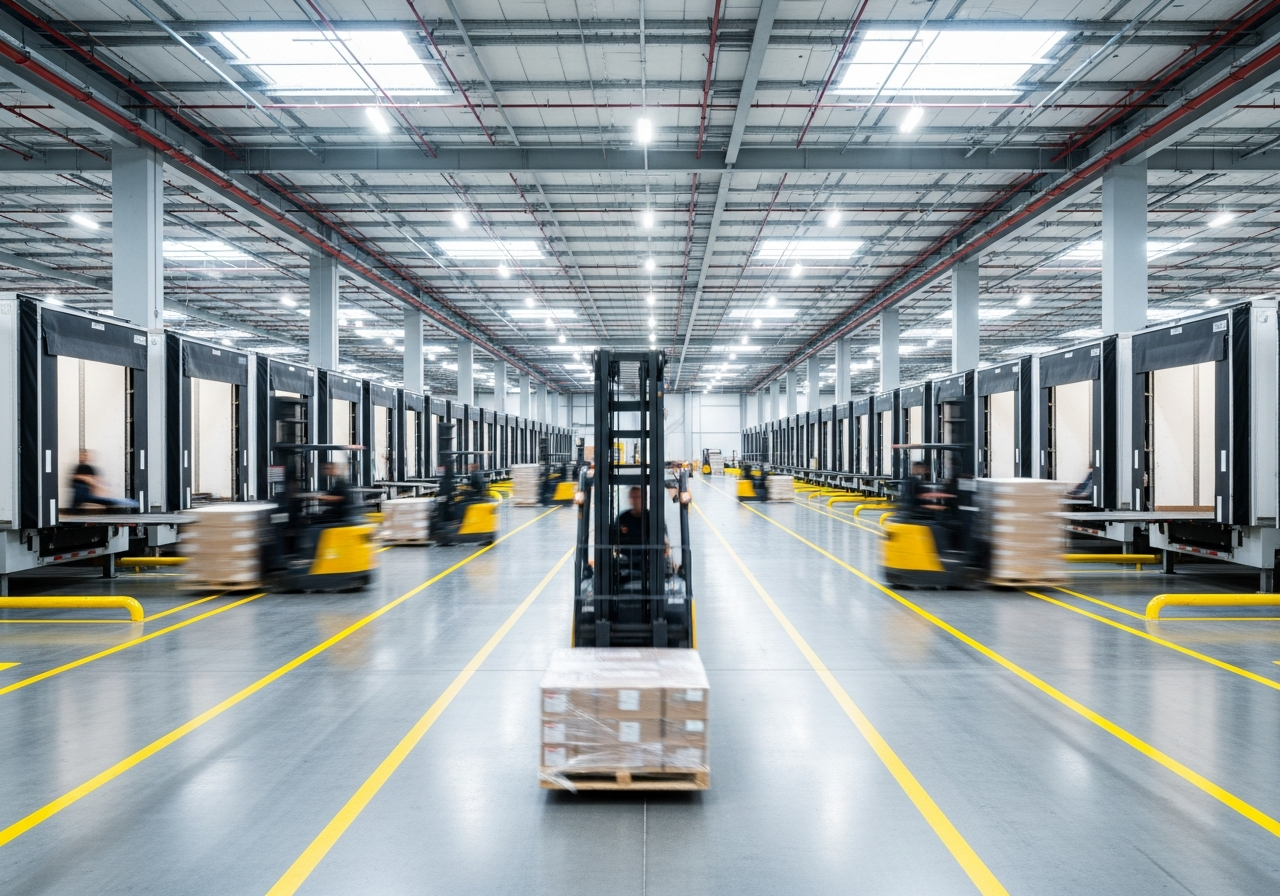
Not all freight needs to be stored. Cross-docking and transloading move goods from inbound to outbound transport with little or no warehousing in between — cutting storage cost and transit time when speed and flow matter more than holding inventory. The Greater Toronto Area, with its dense highway network, intermodal terminals, and proximity to the US border, is one of the best places in Canada to run these operations. This 2026 guide explains how cross-docking and transloading work, when to use each, and the GTA-specific scenarios where they pay off.
How cross-docking works
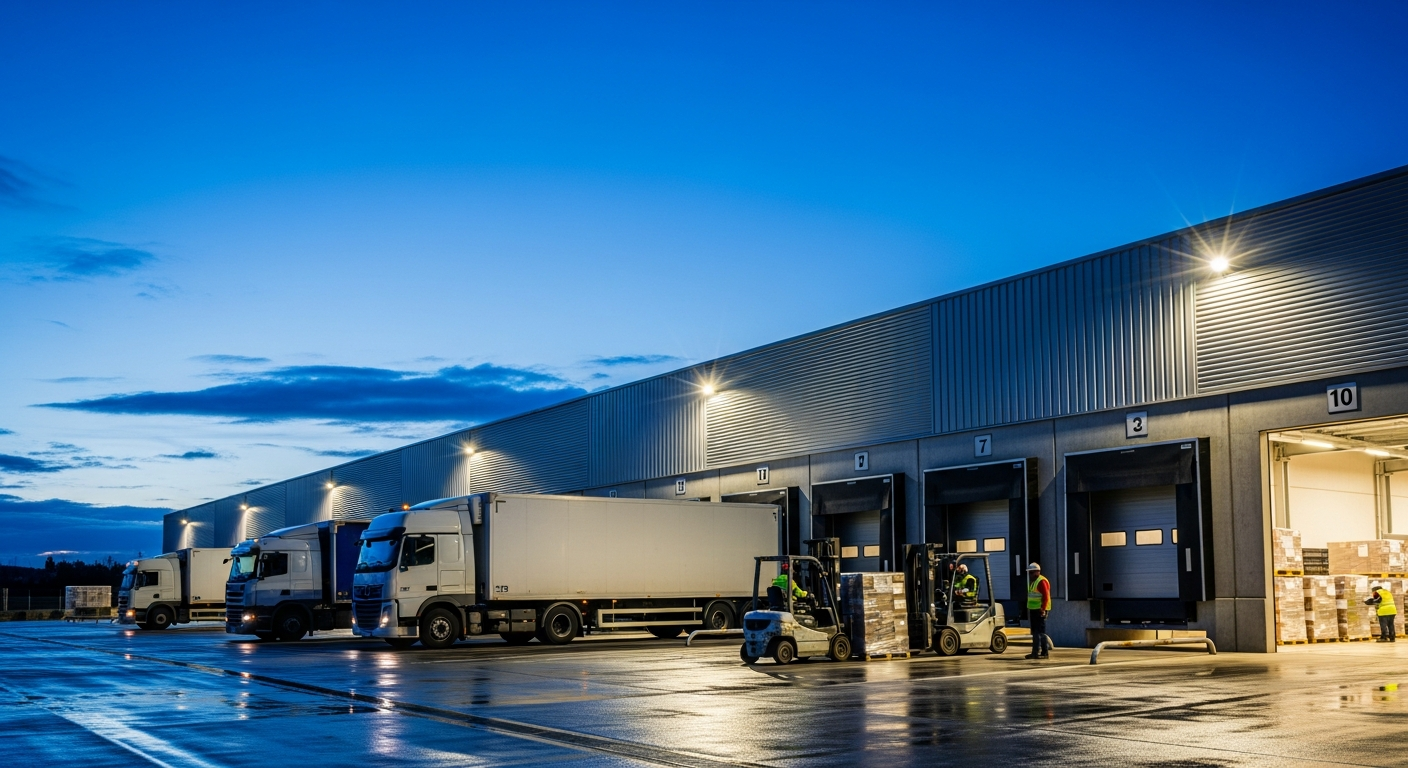
In a cross-dock, inbound freight arrives at one set of dock doors, is sorted and staged on the dock floor, and moves out the other side onto outbound trailers — typically within hours, without putaway into storage racks. There are two common patterns: pre-distribution cross-docking, where inbound product is already allocated to outbound destinations before it arrives; and post-distribution cross-docking, where allocation happens on the dock based on current demand. The goal is flow — minimizing the time and touches between receiving and shipping.
 How cross-docking works
Transloading vs cross-docking
Transloading is closely related but specifically means transferring freight from one mode or equipment type to another — for example, unloading an ocean container or rail intermodal box and reloading the goods into domestic 53-foot trailers for final delivery. Cross-docking is about consolidating and re-sorting freight (often same mode); transloading is about changing the equipment. In the GTA, transloading is common for import containers arriving via port or rail that need to be deconsolidated and pushed out to regional destinations on truck.
When to use cross-dock and transload
These services fit specific situations rather than every supply chain:
- Retail replenishment where product flows straight to store-bound shipments
- Import deconsolidation — breaking containers into regional truckloads
- Consolidating multiple suppliers' freight into one outbound shipment
- Time-sensitive goods where storage adds no value (fresh, fast-moving)
- Bypassing storage costs for product already sold and allocated
- Intermodal moves that need a mode change between rail and road
Retail consolidation in the GTA
One of the highest-value GTA cross-dock use cases is retail consolidation. Brands shipping to Canadian retailers' distribution centres often face routing guides that reward (or require) consolidated, properly labelled, appointment-scheduled deliveries. A cross-dock consolidates freight from multiple suppliers or multiple SKUs into compliant, palletized, retailer-ready shipments — reducing the number of inbound appointments the retailer manages and helping brands avoid compliance chargebacks. The GTA's concentration of retailer DCs makes this especially valuable here.
Retailer chargebacks for non-compliant deliveries can quietly erode margin. A cross-dock that consolidates and labels to the routing guide turns scattered shipments into compliant, appointment-ready deliveries.
Intermodal transload in Canada's hub
The GTA hosts CN's Brampton intermodal terminal and CPKC's Vaughan intermodal terminal, connecting to Vancouver, Montreal, and the US rail network. Transloading near these terminals lets brands move long-haul freight by rail — materially cheaper than over-the-road truck for non-urgent goods — and then transload into trucks for regional GTA and southern-Ontario delivery. The trade-off is added handling and a day or two of transit versus straight truck, so intermodal transload suits durable, palletized, non-time-critical freight in container quantities.
How ByExpress supports cross-dock and transload
ByExpress provides cross-dock and transload services in the GTA for brands that need flow rather than storage — deconsolidating import containers, consolidating supplier freight, and building retailer-compliant outbound shipments. For brands that also need storage and order fulfillment, combining cross-dock with full warehousing under one operator removes the handoffs between separate vendors.
Frequently Asked Questions
What is cross-docking?
Cross-docking transfers inbound freight directly to outbound trailers with little or no storage in between — sorting and staging on the dock and shipping out within hours, cutting storage cost and transit time.
What's the difference between cross-docking and transloading?
Cross-docking consolidates and re-sorts freight, often within the same transport mode. Transloading specifically transfers goods between modes or equipment types — for example, from an ocean container or rail box into domestic 53-foot trailers.
When should I use cross-docking instead of warehousing?
Use cross-docking when goods are already sold or allocated, when speed matters more than holding inventory, for retail replenishment, import deconsolidation, supplier consolidation, or fast-moving fresh products that gain nothing from storage.
How does cross-docking help with retailer compliance?
A cross-dock consolidates multi-supplier or multi-SKU freight into properly palletized, labelled, appointment-scheduled deliveries that meet retailer routing guides — reducing inbound appointments and helping brands avoid compliance chargebacks.
Why is the GTA good for intermodal transload?
The GTA hosts CN's Brampton intermodal terminal and CPKC's Vaughan intermodal terminal, linking to Vancouver, Montreal, and US rail. Transloading there lets brands use cheaper long-haul rail and then truck goods to regional destinations.
Related ByExpress resources