Guide · · 10 min read
Vaughan Warehouse & Fulfillment (2026)
Why Vaughan is one of the GTA's strongest intermodal-rich fulfillment submarkets — highways, rail, industrial parks, rates, and how brands should evaluate it.
Vaughan sits at the top of the Greater Toronto Area where Highway 400 meets Highway 407, immediately north of Toronto and west of Markham. For brands building a GTA fulfillment node, Vaughan offers a distinctive combination the southern submarkets can't fully match: direct access to the 400-series highway network feeding northern Ontario and the Prairies, paired with the densest rail-intermodal infrastructure in the country. This 2026 guide covers Vaughan's industrial profile (Concord, Woodbridge, and the Vaughan Enterprise Zone), its highway and rail access, why a brand would warehouse here, local labour and rate context, and how ByExpress serves the submarket.
Vaughan's industrial and logistics profile
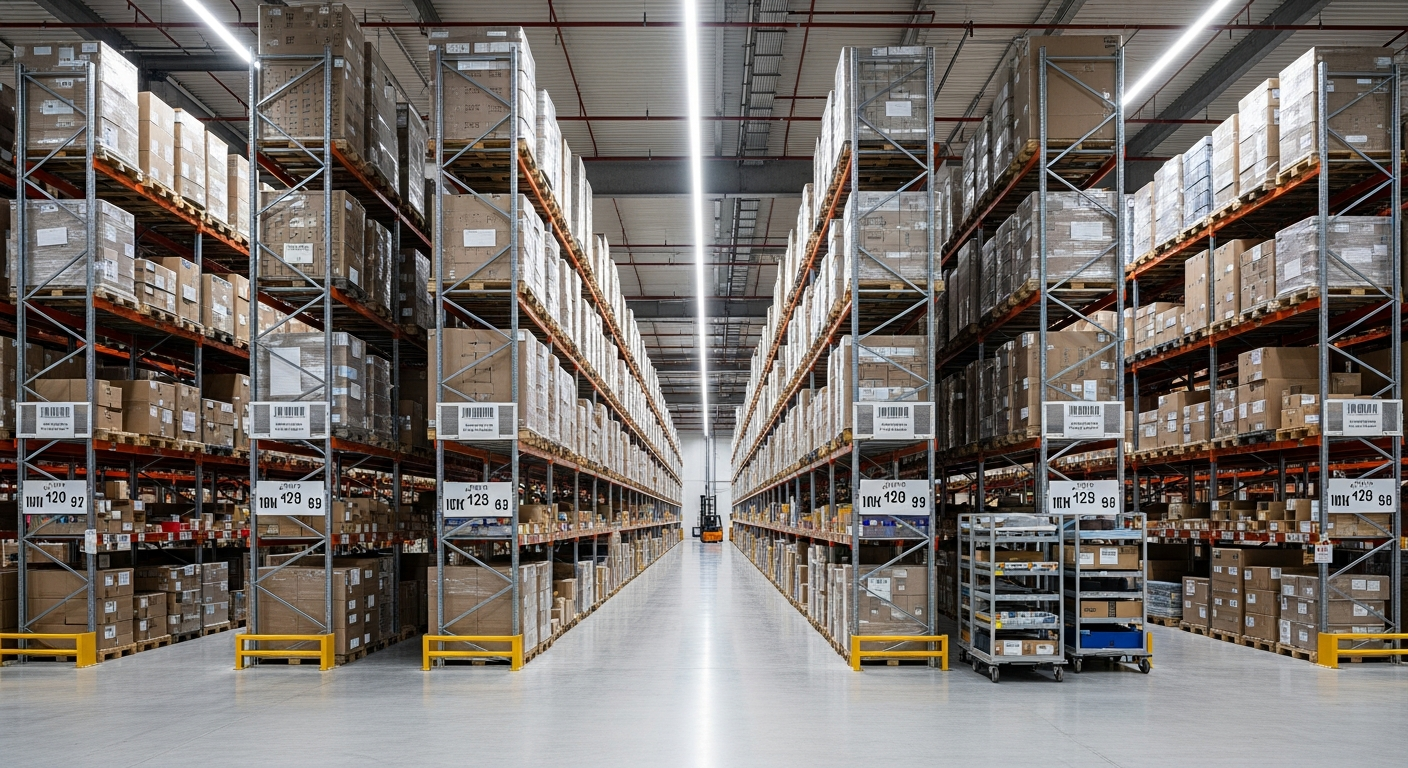
Vaughan is one of the GTA's largest industrial municipalities, anchored by the Concord and Woodbridge industrial districts and a steady pipeline of newer high-clear distribution buildings in the Vaughan Enterprise Zone along Highway 400. The submarket skews toward distribution, building products, food, and general DTC fulfillment, with both legacy mid-bay stock and modern 36'+ clear-height buildings. Like the rest of the GTA, Vaughan has run extremely tight industrial vacancy through the 2020s, though new supply north of Major Mackenzie has eased the squeeze somewhat versus the airport-adjacent core.
 Vaughan's industrial and logistics profile
Highway 400 and 407 access
Vaughan's road position is its first structural advantage. Highway 400 runs north–south through the municipality and is the primary gateway to Barrie, Muskoka, and northern Ontario, while connecting south to the 401 and the Gardiner. Highway 407 (the all-electronic toll route) crosses east–west, giving congestion-bypassing access to Markham, Pickering, and Durham to the east, and to Mississauga, Halton, and the QEW to the west. Highway 427's northern extension also improves Pearson-bound connectivity. For carriers, this means Vaughan can feed northern and western lanes without first fighting through the 401 core.
CN MacMillan Yard and rail intermodal
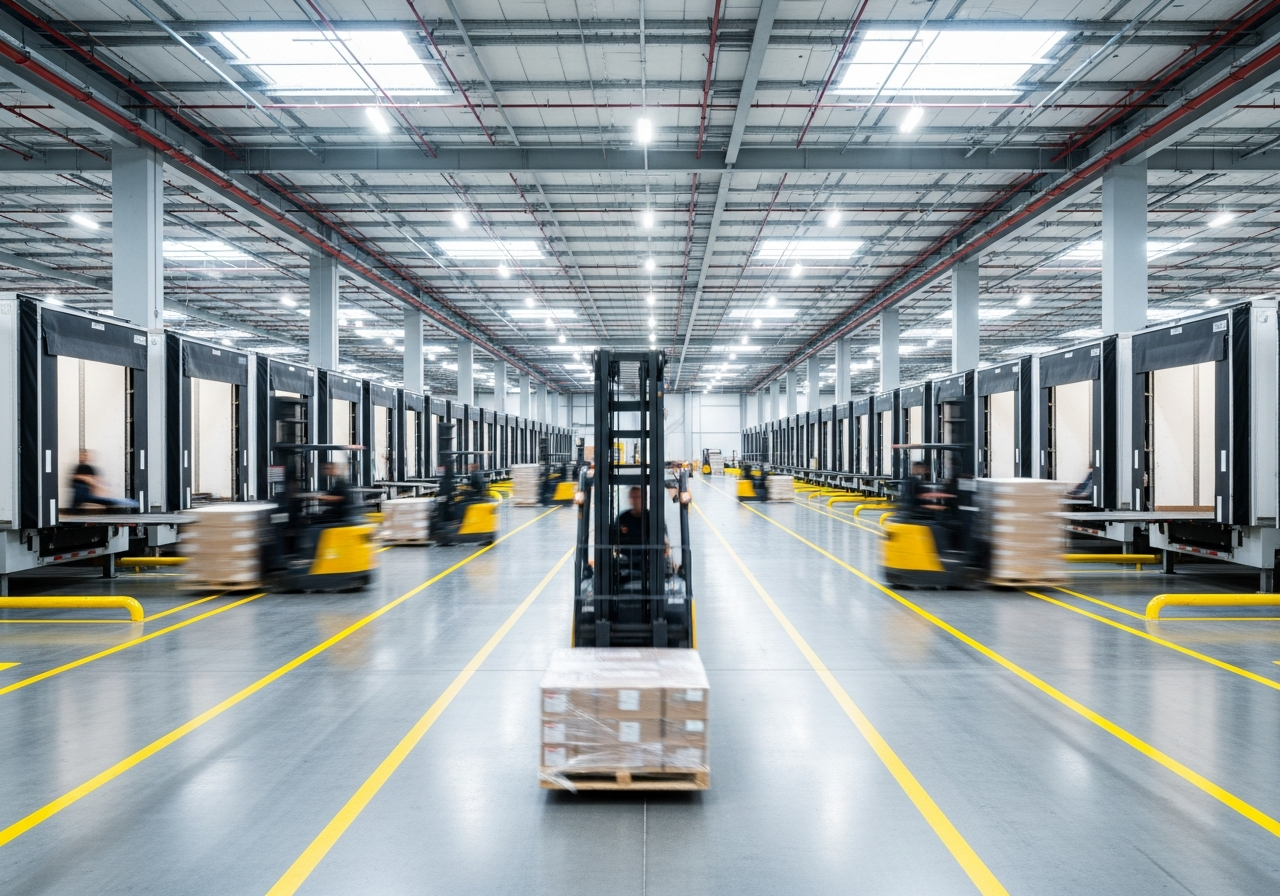
Vaughan's defining logistics asset is rail. CN's MacMillan Yard, located in the Concord area, is the largest rail classification yard in Canada and a major intermodal gateway, and CPKC operates its Vaughan Intermodal Terminal nearby in the same corridor. For brands importing containers from the Port of Vancouver or Port of Prince Rupert and railing them inland, terminating drayage close to Vaughan can shorten the final dray and reduce per-container costs versus pulling boxes deep into the city. Rail-intermodal proximity is the single biggest reason import-heavy brands shortlist Vaughan.
 CN MacMillan Yard and rail intermodal
Why a brand would fulfill in Vaughan
Vaughan is a strong fit for several profiles:
- Import-heavy brands railing containers inland who want short drayage to the DC
- Brands with meaningful northern and western Ontario demand needing Highway 400 access
- Building-products, home, and bulky-goods distributors needing high-clear modern space
- DTC brands wanting 407-fast reach across the north GTA without 401-core congestion
- Operations that need newer 36'+ clear buildings unavailable in the urban core
If your inbound is containerized and rail-fed, Vaughan's MacMillan-Yard proximity can materially lower landed cost. If your inbound is air freight, an Etobicoke or Mississauga node closer to Pearson usually wins instead.
Local labour and rate context
Vaughan draws warehouse labour from a deep northern-GTA pool spanning Vaughan, Richmond Hill, Brampton, and north Toronto, generally with somewhat better availability than the hyper-tight Pearson-adjacent submarkets. Industrial lease rates in Vaughan sit in the upper GTA band — below airport-adjacent Mississauga and Etobicoke but above outer markets like Hamilton or Durham — reflecting the rail and highway advantages. As always, 3PL service rates track local lease and labour costs, so expect Vaughan pricing to land in the mid-to-upper GTA range rather than at the bottom.
How ByExpress serves the Vaughan / north GTA submarket
ByExpress runs Toronto-area fulfillment as part of a five-city Canadian network, and the GTA node serves north-GTA brands that prioritize rail-intermodal inbound and 400/407 highway reach. The same in-house WMS, multi-carrier rate-shopping, and consolidated reporting span our Ottawa, Montreal, Vancouver, and Calgary locations, so brands can anchor primary inventory in the GTA and forward-position elsewhere. For import-heavy clients, we coordinate drayage and inbound receiving to keep containerized goods moving from rail to rack with minimal dwell.
Frequently Asked Questions
Why is Vaughan good for warehousing?
Vaughan combines Highway 400/407 access with the densest rail-intermodal infrastructure in Canada — including CN's MacMillan Yard, the country's largest classification yard. That makes it especially strong for import-heavy, rail-fed inventory and for reaching northern and western Ontario.
Where are Vaughan's main industrial areas?
Concord and Woodbridge are the established industrial districts, with newer high-clear distribution buildings concentrated in the Vaughan Enterprise Zone along Highway 400 north toward Major Mackenzie.
Is Vaughan cheaper than Mississauga for 3PL?
Vaughan generally sits just below airport-adjacent Mississauga on lease and service rates but above outer markets like Hamilton or Durham. It trades Pearson air-cargo proximity for superior rail-intermodal access.
Should I choose Vaughan or a Pearson-adjacent node?
Choose Vaughan if your inbound is containerized and rail-fed or you serve northern/western Ontario. Choose a Pearson-adjacent submarket like Etobicoke or Mississauga if your flows are air-freight heavy or international DTC with tight cutoffs.
Related ByExpress resources