Guide · · 12 min read
Brampton Fulfillment: The GTA's Best-Value 3PL Submarket
How Brampton became the GTA's fastest-growing 3PL submarket — and why brands needing 50,000+ sq ft of fulfillment capacity are increasingly anchoring there instead of in Mississauga.
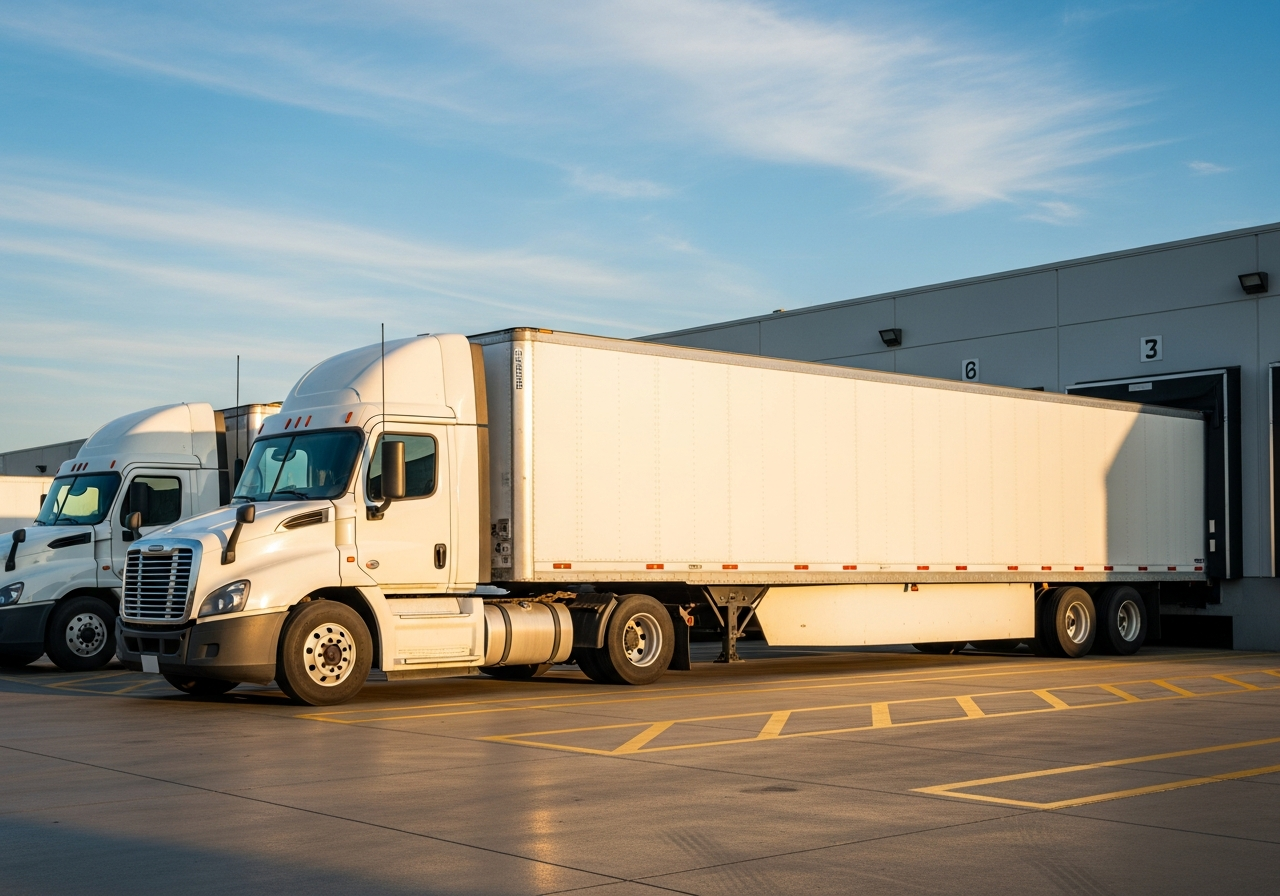
Brampton has quietly become the fastest-growing industrial submarket in the GTA. Over the last five years, virtually every newly built large-format high-clear warehouse in the western GTA has been in Brampton or adjacent Caledon, while Mississauga's land has been built out and constrained by airport flight paths. For brands needing fulfillment footprints above 50,000 square feet — or simply value-conscious DTC operators tired of paying Pearson-adjacent rents — Brampton has become the GTA's best-value 3PL submarket. This guide explains why Brampton is winning, what real Brampton fulfillment pricing looks like, what tradeoffs you accept versus Mississauga, and how to evaluate Brampton 3PLs without ending up in a converted facility miles from the highway network.
Why Brampton has become the GTA's growth submarket
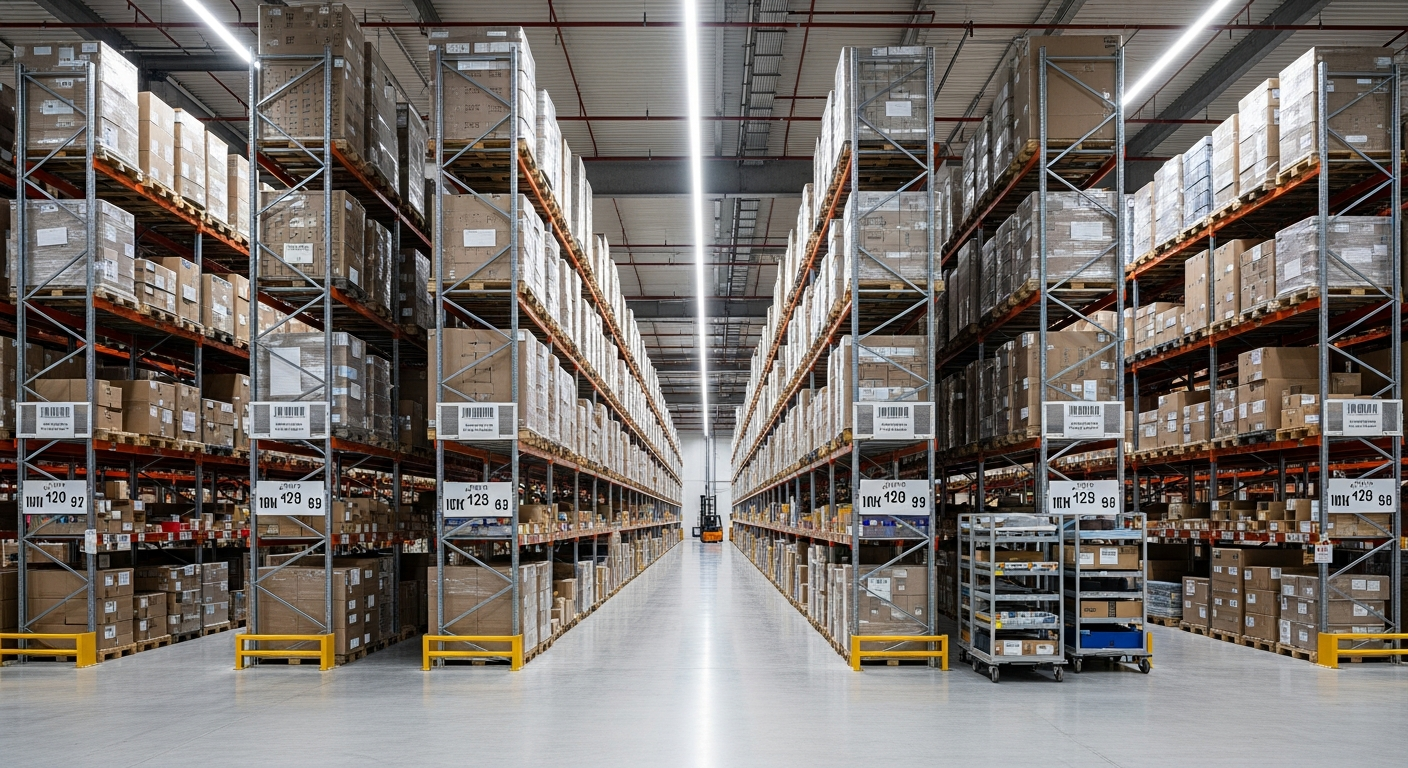
Brampton's rise has three drivers. First, available land — Brampton, Caledon, and the Halton-Peel boundary contain the only meaningful tracts of newly developable industrial land within the GTA's effective fulfillment radius. Mississauga is essentially built out; Vaughan and Markham are constrained by competing residential development; Etobicoke has no greenfield. If you need a new high-clear (36'+ ceiling) building above 100,000 square feet, the answer is almost always Brampton, Caledon, or Milton. Second, intermodal — both CN's Brampton Intermodal Terminal and CP's Vaughan terminal are within easy drayage of Brampton industrial parks, opening cost-efficient inland container moves from Vancouver. Third, cost — Brampton industrial leases run roughly 8–14% below comparable Mississauga buildings, with the differential growing as Mississauga's vacancy hovers near zero.
 Why Brampton has become the GTA's growth submarket
Brampton vs Mississauga: which submarket fits your operation
The Brampton vs Mississauga decision is one of the most common GTA fulfillment trade-offs and the right answer depends on a small number of variables. Mississauga wins for: time-sensitive air cargo through Pearson, brands shipping internationally, premium service levels with later carrier cutoffs, and operations requiring footprints below 50,000 square feet (where smaller multi-tenant Mississauga buildings still offer better unit economics than newer Brampton overflow space). Brampton wins for: larger footprints (above 50,000 square feet), value-conscious DTC operations not requiring same-day Pearson cutoffs, brands prioritizing newer high-clear buildings with modern dock equipment, and operations using meaningful intermodal container volume.
| Operating Profile | Better in Mississauga | Better in Brampton |
|---|
| Footprint < 30,000 sq ft | ✓ | |
| Footprint 50,000+ sq ft | | ✓ |
| International DTC / air freight | ✓ | |
| Pure domestic Canadian DTC | | ✓ (cost wins) |
| Late-cutoff premium service | ✓ | |
| High intermodal container volume | | ✓ |
| Cost-conscious / margin-tight | | ✓ |
| Last-mile-fast urban Toronto | ✓ | |
Brampton's intermodal and highway access
Brampton sits at the geographic convergence of three highway corridors: Highway 410 (north-south through the centre of Brampton), Highway 407 (east-west across the northern GTA), and Highway 401 (the country's primary freight artery, accessible within 10–15 minutes of any Brampton industrial park). CN's Brampton Intermodal Terminal handles roughly 1 million container lifts annually and is one of the largest inland intermodal terminals in Canada. CP's Vaughan terminal is within 25 minutes by drayage. For brands importing containers from the Port of Vancouver or the Port of Halifax, Brampton intermodal access cuts 1–2 days of inland transit and several hundred dollars per container versus alternative GTA submarkets that require longer drayage.
Brampton 3PL pricing benchmarks for 2026
Brampton fulfillment pricing sits between Ottawa and Mississauga — generally 4–9% below Mississauga and 4–8% above Ottawa. The savings versus Mississauga are concentrated in lease cost (which 3PLs pass through in storage rates) and modestly in labour. The bands below reflect mid-2026 quotes from credible multi-tenant 3PLs operating in Brampton and the Brampton-Caledon-Halton corridor. Newer high-clear Brampton buildings tend to have better dock-door ratios and faster trailer turn times than older Mississauga buildings, which can translate to small but real labour-efficiency gains a good 3PL will pass through.
| Service | Typical Range (Brampton) | Notes |
|---|
| Pick & pack (first item) | $2.60 – $3.45 | Includes basic pack, label, dunnage |
| Pick & pack (each add'l item) | $0.35 – $0.58 | Per additional SKU on the same order |
| Receiving (per pallet) | $30 – $46 | Inbound count, putaway, ASN reconciliation |
| Storage (pallet/month) | $24 – $34 | Ambient, rack-stored |
| Storage (bin/month) | $0.90 – $1.45 | Small-SKU shelf storage |
| Devanning (full container) | $525 – $850 | From a Brampton or Vaughan intermodal terminal |
| Returns processing | $3.65 – $6.25 | Inspect, photograph, restock or grade |
 Brampton 3PL pricing benchmarks for 2026
What to look for in a Brampton 3PL
Brampton's 3PL market includes some of the largest and most operationally mature operators in Canada — but also a long tail of smaller operators in older Caledon and rural Peel facilities that are technically 'Brampton' on paper but functionally a 30+ minute drive from highway access. Confirm the actual street address before signing — Bolton, parts of Caledon, and the rural Peel-Halton fringe can have meaningfully worse highway access and carrier pickup profiles than core Brampton industrial parks. Beyond geography, the standard checks apply: WMS depth, multi-carrier rate shopping, integration coverage, KPI transparency, named onboarding lead, and direct conversations with existing customers in your category and volume tier.
Brampton's labour pool is among the deepest in Canadian fulfillment, with strong South Asian, Filipino, and Caribbean community networks supporting consistent staffing through peak. A serious Brampton 3PL has stable supervisory staff and predictable peak-season hiring — ask about retention rates and what their headcount ramps look like in October–December.
Carrier coverage in Brampton
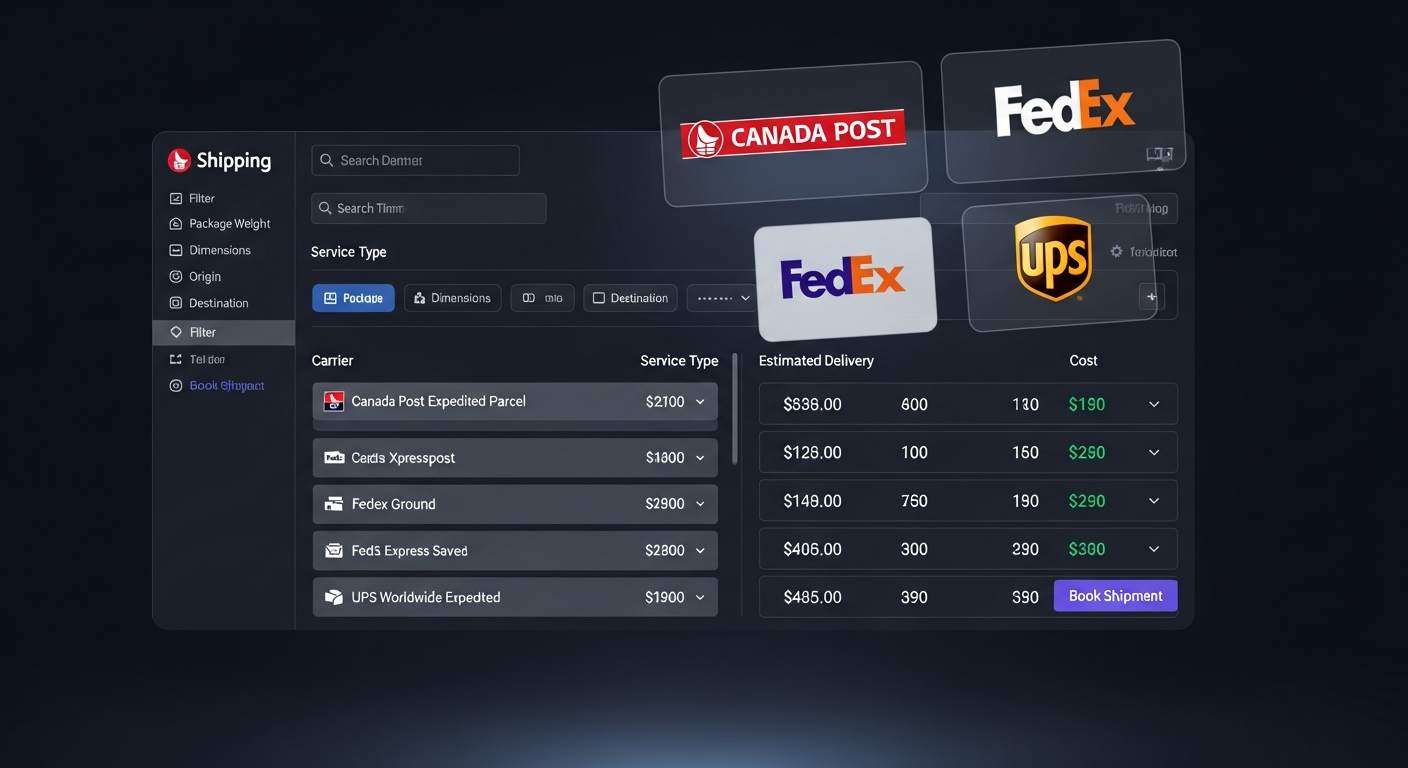
Carrier pickup density in Brampton is essentially equivalent to Mississauga — every major national carrier operates pickup routes through Brampton industrial parks daily. Cutoffs for premium service levels (FedEx Priority Overnight, UPS Express, Purolator Express) are typically 30–60 minutes earlier than Pearson-adjacent Mississauga, but this only matters for brands with same-day order cutoffs above ~5:00 PM ET. For standard ground service (the bulk of DTC volume), there is effectively no difference between Brampton and Mississauga. For urban Toronto last-mile, Intelcom, FlashBox, and ICS Courier all operate aggressive pickup networks through Brampton at price points competitive with national carriers.
 Carrier coverage in Brampton
Industries that anchor in Brampton
Larger DTC operations (above 50,000 sq ft of fulfillment footprint); B2B distribution into Ontario retail (Loblaw, Walmart, Canadian Tire, Costco); brands importing meaningful container volume from Asia via Vancouver intermodal; food and beverage with cold-chain or ambient national distribution; auto parts and aftermarket; building materials and home improvement; consumer electronics; and any brand prioritizing newer high-clear warehouse infrastructure (better safety, better labour productivity, modern fire-suppression, ESFR sprinklers). Brampton is somewhat less common for: brands shipping internationally requiring late-cutoff air cargo (Mississauga or Etobicoke wins); brands prioritizing same-day urban downtown Toronto delivery (Etobicoke wins); or brands with footprints below 25,000 sq ft (Mississauga's smaller multi-tenant buildings often have better unit economics).
ByExpress in the Brampton / GTA corridor
ByExpress operates GTA fulfillment with capacity flexibility across the broader Mississauga-Brampton corridor, supporting brands at any scale from 500 to 50,000+ orders per month. Our GTA operations integrate with the same in-house WMS, rate-shopping platform, and consolidated reporting as our Ottawa, Montreal, Vancouver, and Calgary nodes — supporting brands that anchor primary inventory in the GTA and use forward-positioned inventory in regional nodes for faster last-mile or carrier zone optimization. Whether your operation fits better in a Mississauga or Brampton-shaped facility depends on your footprint, cutoff requirements, and cost sensitivity, and we work through that decision during onboarding rather than defaulting to a single submarket.
Frequently Asked Questions
Is Brampton cheaper than Mississauga for 3PL?
Yes — typically 4–9% cheaper on pick-and-pack and storage, primarily because of lower industrial lease costs that 3PLs pass through. The savings are most meaningful at higher volumes and on operations using significant storage footprint. For very small operations (under ~5,000 sq ft of allocated space), the lease differential is small enough that operational fit usually matters more than cost.
What is the difference between Brampton and Caledon for warehousing?
Brampton industrial parks are within 5–15 minutes of Highway 410 and 407 access. Caledon is generally 20–40 minutes north of the highway network and has weaker carrier pickup density. 'Brampton' 3PLs whose actual address is in rural Caledon or Bolton often have noticeably worse pickup cutoffs and higher LTL surcharges. Always verify the actual street address.
How does Brampton compare to Vaughan for fulfillment?
Vaughan has slightly better proximity to north GTA and 400-corridor demand and is typically 5–8% more expensive than Brampton. Brampton has better intermodal access (CN Brampton terminal) and more available large-format land. For brands serving downtown and east Toronto, Vaughan and Brampton are roughly equivalent. For brands with disproportionate west GTA, Hamilton, or Niagara demand, Brampton wins clearly.
Should I use a 3PL in Brampton or lease my own warehouse?
For brands shipping under 4,000 orders/month, a multi-tenant 3PL is almost always cheaper than leasing. Above 30,000 orders/month from a single node, owned operations begin to win on unit economics. Between 4,000 and 30,000 orders/month, the answer depends on capital availability, operational expertise, and whether you can hire and retain warehouse leadership.
What carriers serve Brampton industrial parks?
Every major national carrier — Canada Post, Purolator, FedEx, UPS, DHL eCommerce — runs daily pickup routes through Brampton. Last-mile DTC carriers Intelcom, FlashBox, ICS Courier, and Nationex also operate aggressive Brampton pickup. A Brampton 3PL should rate-shop across this full mix, not default to a single carrier.
How long does it take to onboard with a Brampton 3PL?
4–8 weeks for standard Shopify or Amazon-only brands, 8–12 weeks for brands with custom platforms, EDI, or complex SKU structures. Brampton 3PLs typically have strong onboarding capacity because of the operational scale of the larger operators in the submarket.
Related ByExpress resources