Guide · · 14 min read
Calgary to Vancouver: The Complete 2026 Shipping, Freight & Relocation Guide
Calgary to Vancouver is the most weather-exposed major freight lane in Canada. This is the honest 2026 guide — LTL & FTL rates, transit times, the Coquihalla and Rogers Pass risk, and how to handle moves, inventory transfers, and ongoing commercial shipping the right way.
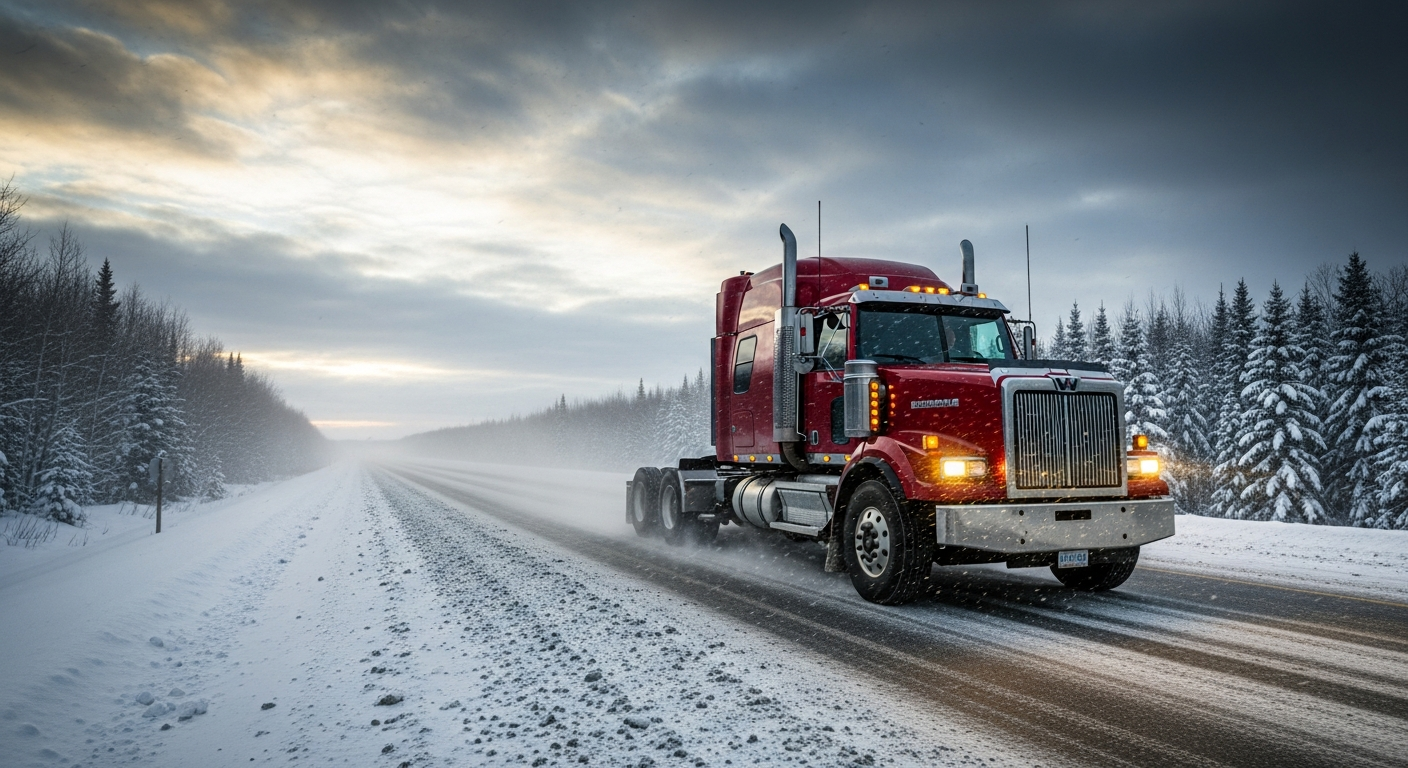
Calgary to Vancouver is one of the most strategically important freight lanes in Canada and, by some margin, the most weather-exposed. Every year, hundreds of thousands of pallets, parcels, household moves, and full truckloads cross this corridor — through the Rocky Mountains, the Coquihalla, and the Fraser Canyon — and every year, brutal weeks of weather closures, slide events, and pass-condition restrictions remind everyone how thin the margin for error really is. This 2026 guide is for anyone shipping, moving, or transferring inventory from Calgary (or anywhere in Alberta) to Vancouver and the Lower Mainland: brands relocating their business to BC, founders moving inventory between fulfillment nodes, families relocating with household goods, and operators managing ongoing freight flows. It covers transit times, LTL and FTL rates, mover selection, mountain-pass risk management, and the operational patterns that separate a clean Calgary → Vancouver move from an expensive one.
The Calgary to Vancouver lane: what you are actually moving across
The Calgary to Vancouver corridor is approximately 970 km of mountain highway through three distinct risk zones: the Rockies between Calgary and Golden, the Selkirks and Rogers Pass between Golden and Revelstoke, and the Coquihalla between Hope and Merritt (depending on routing). Total transit time for commercial freight is 13–17 driving hours, typically run as a 2-day single-driver move or an overnight team-driver move. Weather can extend transit to 4+ days during winter pass closures or summer slide events. The Trans-Canada (Highway 1) and the Coquihalla (Highway 5) are both subject to winter chain-up advisories from October through April, and both have seen multi-day full closures in the last five years — the 2021 atmospheric river event that closed Highway 5 for over a month is the most recent extreme case, but smaller multi-day closures occur most winters. Any Calgary → Vancouver freight plan that does not include weather contingency is incomplete.
Operational rule: between November and April, build 24–48 hours of weather contingency into every Calgary → Vancouver delivery promise. Customers forgive transit honesty far more readily than they forgive a missed commitment, and the Coquihalla will close at least once each winter.
LTL vs FTL: when each makes sense Calgary → Vancouver
The cost crossover between less-than-truckload (LTL) and full-truckload (FTL) on this lane sits at roughly 12–14 pallets in 2026. Below 12 pallets, LTL is meaningfully cheaper because you are paying only for the linear feet your freight actually occupies. Above 14 pallets, FTL wins on unit economics and gains a major operational advantage: a single driver, a single trailer, no terminal cross-docking, no transit-damage risk from re-handling, and a predictable transit time that LTL networks cannot match. Between 12 and 14 pallets the math is close and depends on commodity, fragility, density, and how time-sensitive the load is. Brands shipping recurring volume on this lane should run both options for a quarter, then standardize — the cost difference at steady-state volume usually rewards consolidation onto one model.
| Load Size | Recommended Mode | Typical Calgary→Vancouver Cost (2026) | Transit |
|---|
| 1–3 pallets | LTL with one of Day & Ross, Manitoulin, Mullen | $420 – $850 | 3–5 business days |
| 4–8 pallets | LTL volume rate | $950 – $1,650 | 3–5 business days |
| 9–13 pallets | LTL volume rate or partial FTL | $1,500 – $2,800 | 2–4 business days |
| 14–24 pallets | FTL (53' dry van, single driver) | $2,400 – $3,800 | 2 days standard, 1 day team |
| Full 53' (26 pallets) | FTL (single or team driver) | $2,800 – $4,200 | 1 day team, 2 days single |
| Oversize / overweight | FTL with permits | $4,800 – $9,500+ | 2–4 days depending on permits |
Calgary to Vancouver household and family moves
A household move from Calgary to Vancouver is one of the most-quoted moves in Western Canada and one of the most variable in pricing. A typical 2-bedroom apartment move runs $4,500–$8,500 all-in (truck, two movers, fuel, basic insurance, no storage) using a national van line; a 3-bedroom house runs $7,500–$14,000; and a 4-bedroom house with significant contents runs $12,000–$22,000. Pricing is generally weight-based or volume-based with a fuel-and-mileage component; binding quotes (where the price is locked in once the inventory is reviewed) are strongly preferable to non-binding estimates. Three details consistently trip up first-time Calgary → Vancouver movers: the destination city's narrow streets and parking restrictions (especially in West End Vancouver, Yaletown, Mount Pleasant, and Kitsilano — many require parking permits 7–10 days in advance), the elevator-reservation requirements in most Vancouver apartment buildings, and the fact that Vancouver moving crews are typically booked solid 6–10 weeks out for month-end dates.
Business relocations and inventory transfers across the corridor
Business relocations from Calgary to Vancouver are a fundamentally different project from household moves. Office contents, IT equipment, inventory, racking, and any specialized equipment all require different handling, different insurance, and almost always different vendors. The cleanest pattern for a business with both office contents and inventory: contract a commercial office mover for the office furniture and IT equipment, contract a freight carrier (FTL) for any racking or specialized equipment that travels on pallets, and contract a 3PL or specialized inventory carrier for the actual inventory transfer. Trying to do all three with one generalist mover routinely costs more and introduces reconciliation gaps that surface weeks later. For inventory transfers specifically, ship by full pallet on a dedicated trailer with carton-level scan-out and scan-in, freeze receiving and shipping on the affected SKUs across the transfer window, and reconcile within 24 hours of putaway in Vancouver.
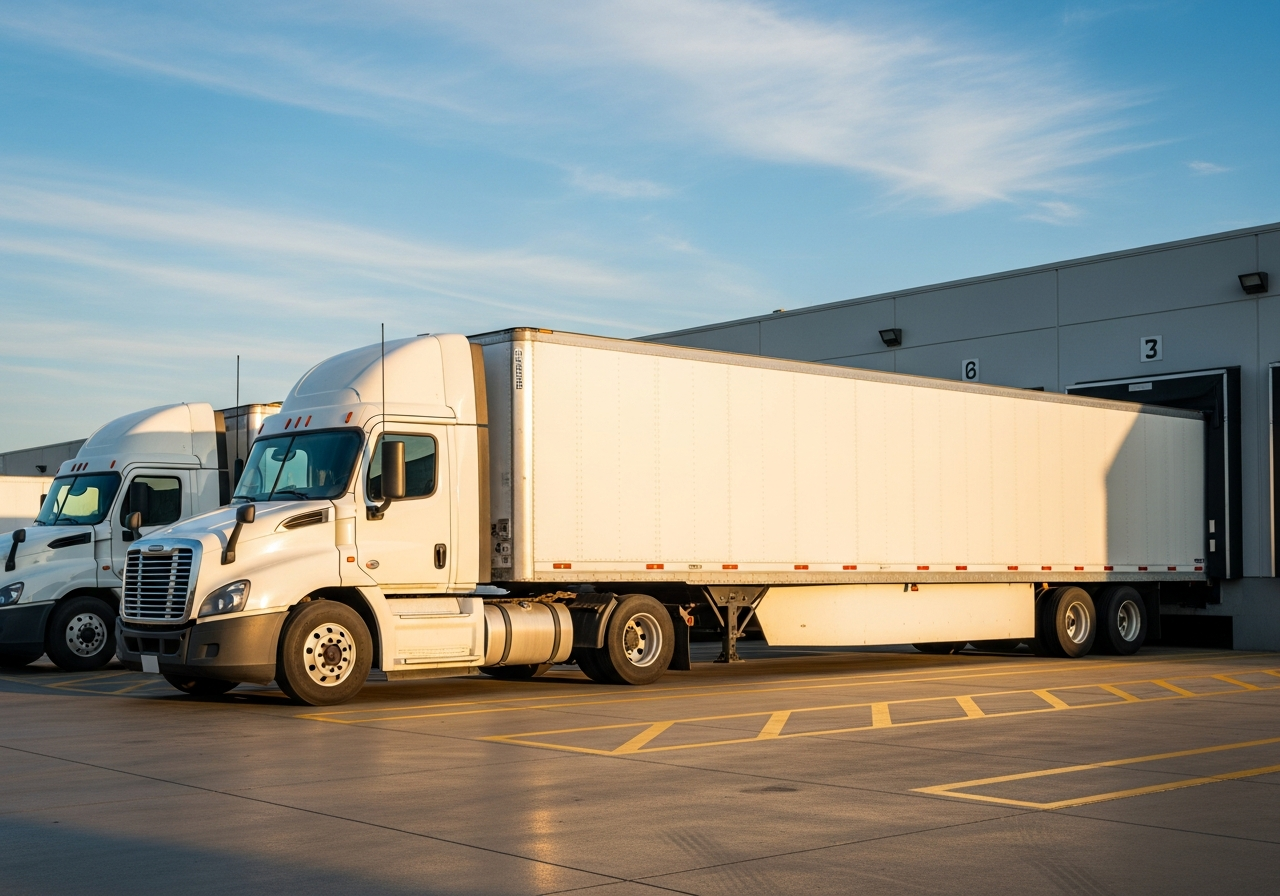 Business relocations and inventory transfers benefit from specialized freight vendors, not generalist movers.
Mountain-pass risk and winter operations
From October through April, the Calgary to Vancouver corridor is subject to winter conditions that no Eastern Canadian freight lane experiences. Mandatory winter-tire and chain-up requirements apply on Highway 1, Highway 5, and Highway 3 from October through March (precise dates vary by route). Chain-up bays at Roger Pass, the Coquihalla summit, and the Smasher all see active use through the winter, and properly equipped carriers run on the assumption that any leg might require chains. The single largest risk is not the snow itself but the closure cycles: weather closes a pass, freight backs up at both ends, and even after the pass reopens, the queue can take 12–36 hours to clear. Carriers experienced on this lane build their schedules around the closure cycle, hold reserved drivers and equipment to absorb spike demand after reopenings, and communicate proactively with shippers about realistic ETAs.
- Winter tires mandatory on most BC mountain highways Oct 1 – Apr 30
- Chain-up may be required on Coquihalla, Rogers Pass, Kicking Horse, and Highway 3
- Highway 5 (Coquihalla) has seen multi-day closures in 4 of the last 7 winters
- DriveBC and Alberta 511 are the authoritative real-time pass-condition sources
- Avoid scheduling tight Calgary → Vancouver deliveries between Dec 15 and Jan 5 — peak winter risk
- For time-critical loads, FTL with a team driver and a contingency reroute via Highway 3 (Crowsnest) is the most reliable winter pattern
Choosing the right Calgary → Vancouver carrier
The Calgary to Vancouver lane is well-served by a mix of national LTL carriers, regional western specialists, and freight brokers running owner-operator capacity. Day & Ross, Manitoulin, Mullen Group's subsidiaries (Kleysen, Brentwood), and TransX all run scheduled service across the corridor. For FTL, the better experience generally comes from carriers headquartered in Western Canada — they understand the winter operational rhythm and have driver pools that actually live within the corridor. Freight brokers can be useful for one-off or recurring spot loads but introduce a layer of margin and a step removed from the actual carrier. For brands with recurring weekly or monthly volume, contracting directly with a regional carrier and building a relationship over 6–12 months is materially better than relying on spot-market booking — the spot market is brutal on this lane during weather events.
| Move Type | Best Carrier Profile | Why |
|---|
| Recurring FTL (weekly+) | Direct contract with western FTL carrier | Price stability, dedicated capacity, winter reliability |
| One-off FTL | Western FTL carrier or vetted broker | Brokers add 8–18% margin; direct is cheaper if you have time |
| Recurring LTL | Day & Ross, Manitoulin, or Mullen subsidiary | Scheduled service, real BC terminals |
| Specialty / oversize | Specialty carrier with permit history on lane | Permits and routing require lane-specific expertise |
| Household move | Atlas / United / Allied van line OR specialty AB↔BC mover | Binding quote, BC-side delivery experience |
| Business + inventory move | Commercial mover + separate freight carrier + 3PL | Different jobs require different vendors |
What happens once the freight arrives in Vancouver
The Vancouver arrival is often the leg most under-planned by Calgary-based shippers. Lower Mainland delivery logistics have several local quirks that catch out-of-region operators: downtown Vancouver requires parking permits and time-window restrictions for any large vehicle, several Vancouver bridges have weight or height restrictions that can force reroutes, North Vancouver and West Vancouver delivery routes require Lions Gate or Second Narrows crossings (both can be heavily congested), and the rush-hour windows on the Port Mann and Pattullo bridges are wider and more punishing than most non-Lower-Mainland drivers expect. A carrier that knows the corridor and the destination has the routing built in; a carrier that only knows one end of the corridor will often misallocate delivery windows. For business deliveries, always confirm the receiving dock has the door height, leveler, and forklift capacity your freight requires before the truck arrives — Vancouver industrial buildings vary widely in dock infrastructure.
Ongoing operations: making Calgary–Vancouver a sustainable lane
Brands that run ongoing volume on this corridor — replenishment between fulfillment nodes, B2B distribution into BC, retail replenishment, recurring inventory rotation — tend to converge on a small number of operational patterns. First: weekly or bi-weekly scheduled FTL is dramatically cheaper than ad-hoc booking once volume justifies a dedicated trailer. Second: backhaul matters — pairing Calgary → Vancouver outbound with a Vancouver → Calgary return load can cut net per-mile cost by 30–45%, and brands working with a 3PL that operates on both ends of the lane often get this efficiency built in without negotiating it. Third: weather contingency should be a structural feature of the freight calendar, not an exception — schedule critical deliveries in November–March with 48 hours of buffer rather than promising tight windows and explaining weather closures to customers after the fact.
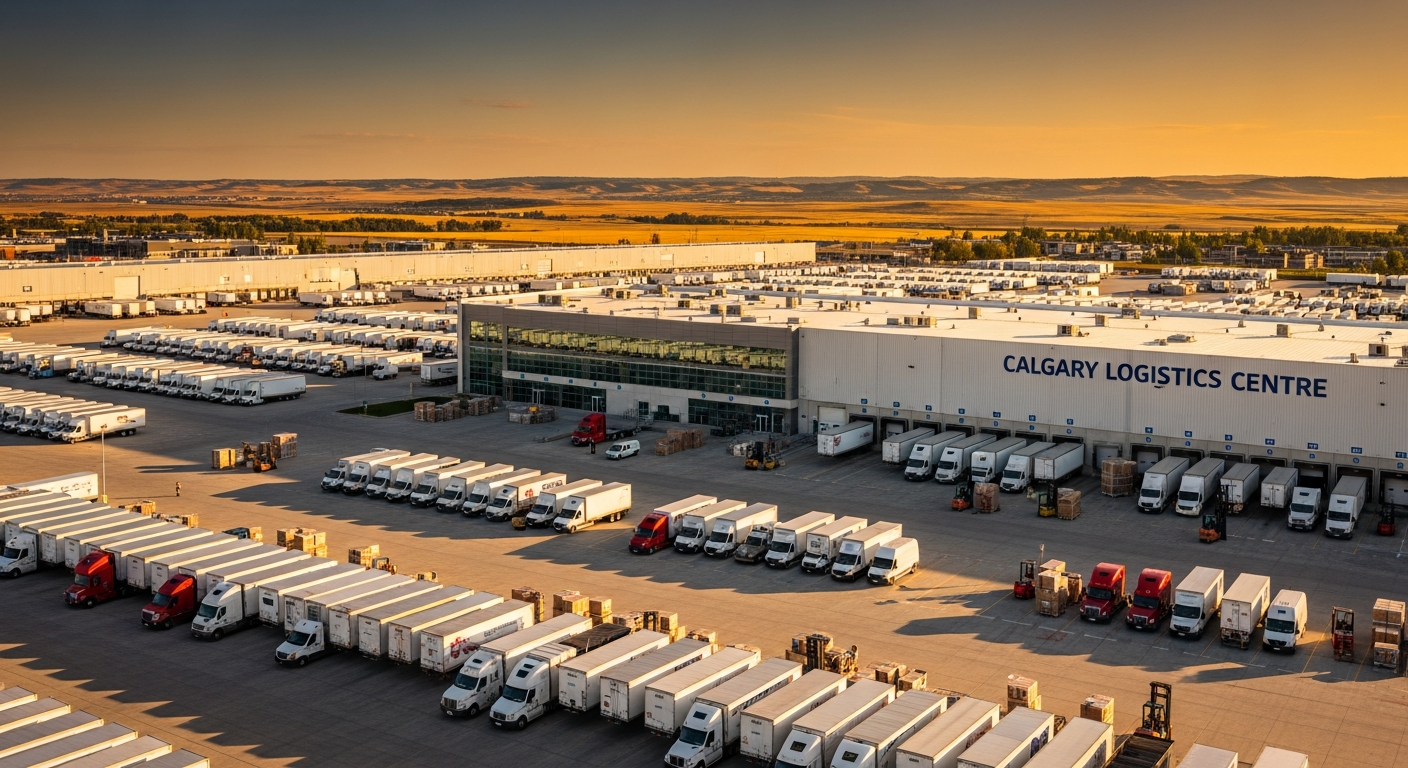 Recurring Calgary–Vancouver volume rewards scheduled FTL with backhaul pairing and built-in winter contingency.
ByExpress on the Calgary–Vancouver corridor
ByExpress operates fulfillment nodes in both Calgary and Vancouver as part of our five-city Canadian network. The Calgary–Vancouver corridor is one of the highest-volume lanes between our nodes, used both for inventory rebalancing across our own warehouse network and for client brands that maintain inventory at multiple ByExpress facilities to optimize national transit times. Clients with multi-node inventory pools see real-time stock visibility across both facilities, automatic order routing to the best-positioned warehouse for each customer's shipping address, and consolidated invoicing rather than separate relationships with two regional 3PLs. For brands not yet using a multi-node setup, the Calgary–Vancouver corridor is a natural starting point for the second node — adding Vancouver to a Calgary-anchored operation typically cuts BC and U.S. Pacific Northwest transit times by 1–3 days and reduces western-Canadian carrier surcharges meaningfully.
Frequently Asked Questions
How long does shipping take from Calgary to Vancouver?
FTL transit is 1–2 days (1 day team driver, 2 days single driver). LTL transit is 3–5 business days. Household moves run 3–5 days for most door-to-door services. Add 24–48 hours of weather contingency between November and April — the Coquihalla and Rogers Pass see multi-day closures most winters.
How much does FTL shipping cost from Calgary to Vancouver?
A standard 53' dry van runs $2,400–$3,800 in 2026, depending on the carrier, fuel surcharge, and whether the load is one-way or backhaul-paired. Specialty or oversize loads run $4,800–$9,500+ depending on permits. LTL is meaningfully cheaper at smaller load sizes — see the rate table in this guide for typical 1–13 pallet pricing.
How much does a Calgary to Vancouver household move cost?
A 2-bedroom apartment runs $4,500–$8,500, a 3-bedroom house $7,500–$14,000, and a 4-bedroom house with significant contents $12,000–$22,000. Pricing is usually weight- or volume-based with fuel and mileage. Insist on a binding quote, book 6–10 weeks ahead for month-end dates, and pre-arrange Vancouver-side parking permits and elevator reservations.
Is the Coquihalla open year-round?
Highway 5 (the Coquihalla) is open year-round but is subject to mandatory winter-tire and chain-up requirements October through April. It has seen multi-day full closures in 4 of the last 7 winters and was closed for over a month in the 2021 atmospheric river event. Highway 1 through the Rockies and Highway 3 (Crowsnest) are alternative routes, with their own seasonal limitations.
When should I use LTL vs FTL for Calgary → Vancouver freight?
LTL up to ~12 pallets, FTL from ~14 pallets. Between 12 and 14, the math is close and depends on fragility, time-sensitivity, and re-handling risk. Brands running recurring volume should test both modes for a quarter and standardize on the one that wins consistently at their typical load profile.
Can I transfer e-commerce inventory between Calgary and Vancouver warehouses?
Yes, and brands with multi-node fulfillment do this routinely. The cleanest pattern is full-pallet shipments on a dedicated FTL trailer with carton-level scan-out at origin and scan-in at destination, with receiving and shipping frozen on the affected SKUs during the transfer window. A 3PL operating on both ends of the lane removes most of the coordination overhead and prevents the reconciliation gaps that surface weeks later on split-LTL transfers.
What is the safest time of year to ship Calgary → Vancouver?
May through October is the lowest-risk window — minimal weather exposure, no chain-up requirements, and predictable transit times. November through April is operable but requires 24–48 hour weather contingency built into delivery promises. The highest-risk window is mid-December through early January, when peak holiday shipping demand overlaps with winter pass closures.
Related ByExpress resources