Guide · · 12 min read
What Should You Look For in a Canadian Fulfillment Partner?
Choosing a fulfillment partner is one of the highest-stakes operational decisions a growing brand makes — the partner becomes the operational backbone of your customer experience. This checklist walks through what actually matters when evaluating a Canadian fulfillment company: technology integrations, real-time inventory, national shipping coverage, customer support, and the ability to scale with you.

When you hand fulfillment to an external partner, you are handing over the operational backbone of your customer experience — the accuracy of every order, the speed of every shipment, and the tone of every return. Get the choice right and the partner becomes an engine for growth that lets you focus on product and marketing. Get it wrong and you inherit a slow, error-prone operation that damages your brand with every parcel and is painful and expensive to escape. The difficulty is that most fulfillment companies present similar-sounding capabilities on their websites, and it is hard to tell from the outside which claims are real and which are aspirational. This checklist cuts through that by focusing on the criteria that actually predict whether a Canadian fulfillment company will serve you well: how well it integrates with your systems, whether its inventory data is truly real-time, how much of Canada it can reach quickly, how it handles support when things go wrong, and whether it can grow with you rather than becoming a constraint. Work through each of these deliberately before you sign.
Technology and integrations
The first thing to evaluate is how cleanly a fulfillment partner connects to the systems you already run. Your orders originate somewhere — Shopify, a marketplace like Amazon, a headless storefront, an ERP, or several of these at once — and a fulfillment partner is only as good as its ability to receive those orders automatically, push tracking back, and keep inventory synchronized without manual intervention. Ask specifically which integrations are native and pre-built versus which require custom development, because 'we can integrate with anything' often means 'we will build something bespoke that becomes fragile.' Confirm that the integration is bidirectional and near real-time, not a nightly batch that leaves your store overselling. If you sell across multiple channels, verify the partner can consolidate them into one operation with unified inventory. Weak integration is the most common source of ongoing pain with a fulfillment partner, and it is very hard to fix after go-live, so it deserves the most scrutiny during evaluation.
- Native, pre-built connectors for your platform (Shopify, Amazon, marketplaces)
- Bidirectional, near real-time sync — not nightly batch updates
- A documented API for custom or headless setups
- Multi-channel consolidation into one operation with unified inventory
- Clear ownership of who builds and maintains each integration
Weak integration is the number-one source of ongoing pain with a fulfillment partner — and it is very hard to fix after go-live. Scrutinize it hardest during evaluation, not after.
Real-time inventory visibility
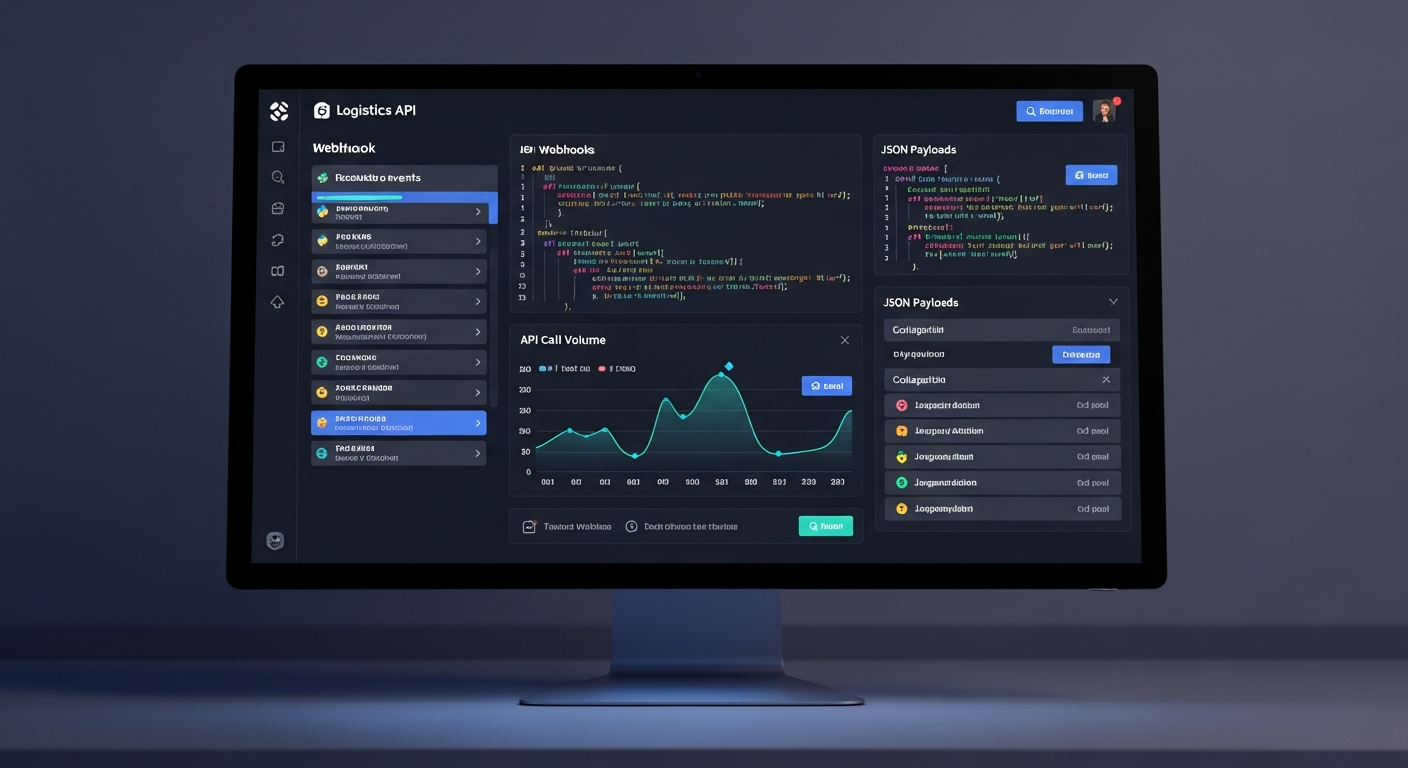
Accurate, real-time inventory is the foundation everything else rests on. If you cannot trust the stock numbers, you will oversell and cancel orders, stock out without warning, or carry excess safety stock to compensate — all of which cost money and damage the customer relationship. When evaluating a partner, look past the marketing claim of 'real-time inventory' and ask how it is actually achieved: is stock updated at the moment of pick and pack, or reconciled periodically? How are receipts, adjustments, and returns reflected? Can you see inventory across all facilities in one view if the partner operates several? Is there a portal or dashboard you can log into yourself, or do you have to email for a stock report? The gold standard is a system where every movement — receiving, picking, packing, returning — updates inventory immediately, is visible to you through a self-serve dashboard, and syncs back to your sales channels so you never sell what you cannot ship.
 Real-time inventory visibility
National shipping coverage
Canada's geography makes shipping coverage a defining criterion. A fulfillment partner operating from a single location will always be far from a large share of the population, which means longer transit times and higher costs to reach customers on the other side of the country. Evaluate how the partner reaches your customers: does it operate multiple facilities positioned near the major population centres — Ontario, Quebec, British Columbia, Alberta, and the National Capital Region — so inventory can be held close to demand? Does it offer carrier rate shopping across Canada Post, couriers, and regional carriers so each order goes out on the most cost-effective service? Can it handle cross-border shipments to the United States if you sell there? National coverage is not only about delivery speed; it is about the cost of reaching customers affordably and the ability to grow into new regions without changing partners. A partner with a genuine coast-to-coast footprint gives you options that a single-warehouse operation cannot.
| Coverage Capability | Why It Matters | What to Verify |
|---|
| Multiple facilities | Shortens transit to more customers | Locations near major population centres |
| Carrier rate shopping | Lowest cost per order | Access to Canada Post, couriers, regional carriers |
| Zone-based delivery speed | Faster ground delivery nationwide | Next-day reach from nearest facility |
| Cross-border shipping | Serve U.S. customers | Customs and duties handling |
| Regional flexibility | Grow into new markets | Add facilities without switching partners |
Customer support and account management
Fulfillment runs smoothly most of the time, but it is how a partner responds when something goes wrong that separates a good relationship from a frustrating one. Evaluate the support model directly: do you get a named account manager who knows your business, or are you routed through a generic ticket queue each time? What are the response-time commitments, and are they in writing? How are exceptions — a lost shipment, a damaged inbound, a peak-season backlog, an integration hiccup — actually handled and communicated? Ask current customer references specifically about responsiveness and problem ownership, because this is where marketing claims and reality most often diverge. A partner that takes ownership, communicates proactively, and resolves issues quickly is worth more than one that is marginally cheaper but disappears when you need help. Support quality is also a leading indicator of how the relationship will feel day to day, long after the sales conversation ends.
Scalability and growth
The partner you choose must be able to grow with you, because outgrowing a fulfillment partner and having to migrate is one of the most disruptive events a brand can go through. Evaluate scalability along several dimensions. Volume: can the partner absorb a large increase in daily orders without a drop in speed or accuracy, and how do they handle seasonal peaks? Capacity: is there physical space to grow your inventory footprint, or will you hit a wall? Complexity: can they add capabilities you will likely need — kitting, subscription bundles, B2B and retail distribution, new sales channels, additional geographies — without a painful re-platforming? Ask how the partner has handled fast-growing brands before and what happened during their busiest periods. A partner that is a comfortable fit at your current volume but cannot flex upward simply defers the migration problem to a moment when you can least afford the disruption — usually right in the middle of a growth surge.
- Absorbs volume spikes and seasonal peaks without accuracy loss
- Physical capacity to grow your inventory footprint
- Can add kitting, subscriptions, B2B, and new channels as you need them
- Supports expansion into new regions and cross-border
- A track record with fast-growing brands through peak periods
Pricing transparency
Fulfillment pricing is notoriously hard to compare because providers structure it differently and some rely on fees that are easy to overlook at signing. When evaluating a partner, insist on a complete breakdown: receiving, storage, pick-and-pack, packaging materials, shipping, returns handling, and any account or minimum fees. Watch for the charges that quietly inflate the monthly invoice — long-term storage surcharges, per-SKU fees, additional-item pick charges, and peak-season adjustments. The goal is not simply to find the cheapest headline rate, which often signals corners cut on accuracy or support, but to understand the fully loaded cost per order at your actual volume and product mix. A transparent partner will walk you through a realistic estimate based on your real numbers and will not resist explaining how each fee works. Opacity in pricing during the sales process tends to predict opacity in operations later, so treat willingness to be transparent as a signal in itself.
The cheapest headline rate is rarely the cheapest partner. Compare the fully loaded cost per order at your real volume and product mix — and treat pricing transparency as a signal of how the partner will operate later.
Why a genuinely Canadian partner matters
For brands selling to Canadian customers, a partner that truly understands the Canadian market is worth prioritizing. Domestic fulfillment avoids the customs delays, duties, and cross-border friction that come with fulfilling Canadian orders from the United States, and it lets you offer faster, more predictable delivery to Canadian shoppers. A Canadian partner understands the country's carrier landscape, its distances and regional realities, its bilingual requirements in markets like Quebec, and the expectations of Canadian consumers. It also keeps your inventory onshore, which simplifies returns, reduces exposure to border disruptions, and generally lowers the total cost of serving Canadian demand. This does not mean a Canadian partner cannot also ship cross-border to the United States — the best ones do both — but the anchor of a domestic operation gives Canadian brands a structural advantage in speed, cost, and reliability for their home market.
How ByExpress measures up to the checklist
ByExpress is built around the criteria on this checklist. Native integrations connect to Shopify, Amazon, and other major platforms with near real-time, bidirectional sync, backed by an API for custom and headless setups. Inventory updates at the moment of each movement and is visible to you through a self-serve dashboard rather than emailed reports. A coast-to-coast footprint — with facilities in the National Capital Region, Toronto, Montreal, Vancouver, and Calgary — positions inventory close to demand, supports carrier rate shopping across Canada, and handles cross-border shipping to the United States. Support runs through named account contacts with defined response commitments rather than an anonymous queue, and the operation is designed to flex with volume, add capabilities like kitting and B2B distribution, and grow into new regions without forcing a migration. Pricing is presented as a complete, fully loaded estimate based on your real numbers. If you are working through this checklist for your own brand, we are happy to be measured against every point on it.
Frequently Asked Questions
What is the most important thing to look for in a fulfillment partner?
There is no single factor, but technology integration is where most ongoing pain originates and is hardest to fix after go-live, so it deserves the most scrutiny. Alongside it, prioritize real-time inventory accuracy, national shipping coverage, responsive support with named account ownership, and the ability to scale. Together these predict whether a partner will serve you well far better than the headline price does.
Why do technology integrations matter so much?
Your orders originate in systems like Shopify, Amazon, or an ERP, and the fulfillment partner must receive them automatically, push tracking back, and sync inventory without manual work. Verify which integrations are native and pre-built versus custom-built, that sync is bidirectional and near real-time rather than a nightly batch, and who owns maintaining each connection. Weak integration is the most common source of long-term frustration.
How do I verify a partner's inventory is really real-time?
Look past the marketing claim and ask how it works. Confirm that stock updates at the moment of picking, packing, receiving, and returning rather than periodically; that you can see inventory across all facilities in one view; and that you have a self-serve dashboard rather than emailing for reports. The updates should also sync back to your sales channels so you never sell stock you cannot ship.
Why does national shipping coverage matter in Canada?
Canada's size means a single-location provider is always far from much of the population, adding transit time and cost. A partner with facilities near major population centres can hold inventory close to demand for faster, cheaper delivery, offer carrier rate shopping for the best rate per order, and support cross-border shipping to the U.S. Coverage affects both delivery speed and the affordability of reaching customers.
How do I know if a fulfillment partner can scale with me?
Evaluate volume (can they absorb order spikes and seasonal peaks without losing speed or accuracy), capacity (physical space to grow your inventory), and complexity (can they add kitting, subscriptions, B2B, new channels, and regions without re-platforming). Ask how they have handled fast-growing brands through their busiest periods. A partner that cannot flex upward simply defers a painful migration to your worst possible moment.
Is it better to use a Canadian fulfillment company for Canadian customers?
Generally yes. A domestic partner avoids the customs delays, duties, and border friction of fulfilling Canadian orders from the U.S., offers faster and more predictable delivery, understands the Canadian carrier landscape and bilingual requirements, and keeps inventory onshore. The best Canadian partners also ship cross-border to the U.S., so you get a domestic anchor plus reach into the American market.
Related ByExpress resources