Guide · · 11 min read
Etsy Seller Fulfillment: When to Move Beyond DIY Shipping in Canada
Etsy is the platform that taught a generation of Canadian sellers how to ship orders from their kitchen table. Here's how to know when you've outgrown that model — and what an Etsy-friendly Canadian 3PL actually looks like.
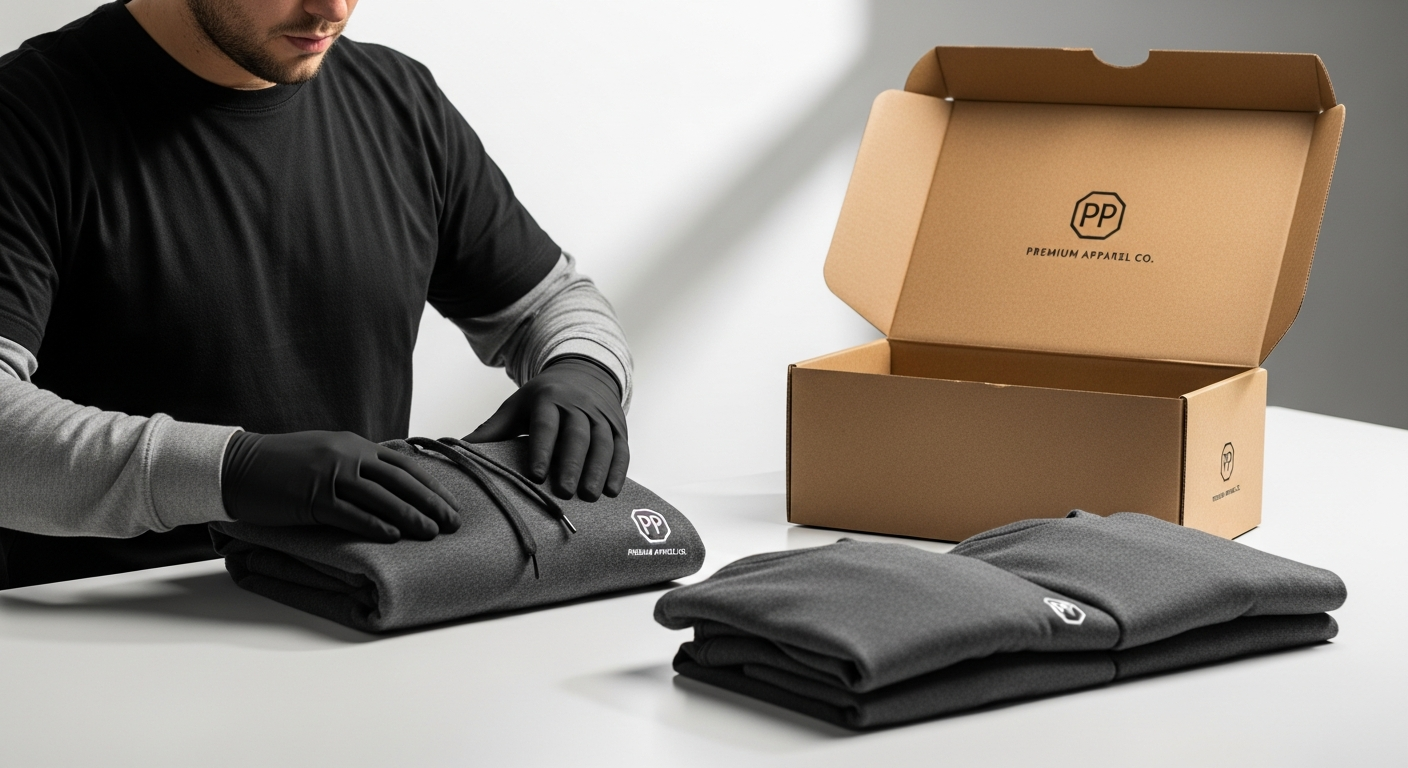
Etsy is the platform that taught a generation of Canadian sellers — many of them craft-makers, designers, and curators of curated goods — how to run a real e-commerce business shipped from their kitchen table. For most Canadian Etsy sellers, that DIY fulfillment model is exactly right at the early stages: low overhead, tight quality control, full creative ownership of the unboxing experience. The question that comes up around order 200/month is when to move beyond it. Outsourcing fulfillment to a 3PL too early kills margin and removes the personal touch that often defines an Etsy brand. Outsourcing too late burns out the founder, slows shipping below Etsy's Star Seller thresholds, and caps growth. This guide explains how to think about that inflection point, what an Etsy-friendly Canadian 3PL actually looks like, and how to preserve your brand's craft sensibility through the transition.
The honest inflection points
There is no single 'right' order volume to outsource Etsy fulfillment, but several practical signals indicate the inflection. (1) You're spending more than 20 hours per week on fulfillment alone — that time is dramatically more valuable in product development, marketing, or customer service. (2) Shipping has become the bottleneck on Etsy Star Seller status (which requires 95%+ on-time shipping) — missed shipping deadlines are now a measurable revenue and visibility cost. (3) Your fulfillment workspace is consuming more than its fair share of your home or studio — you're paying rent on a shipping room. (4) You've started turning down growth opportunities (wholesale orders, bulk gift purchases, custom corporate gifting) because you can't fulfill them. (5) Your fulfillment quality is starting to suffer — packing errors are increasing, materials are running out at inconvenient times, and customer experience is showing the strain. Any one of these is a signal; two or more usually means it's time.
Most Canadian Etsy sellers under-value their own time when calculating fulfillment economics. If your time is realistically worth $40/hour in product development or marketing, and you're spending 25 hours per week on fulfillment, you're paying $1,000/week ($52K/year) in opportunity cost — usually far more than a 3PL would cost.
What makes Etsy fulfillment different from generic DTC
Etsy customers expect a specific experience that generic 3PLs often don't deliver. Personalized packaging — handwritten thank-you notes, branded tissue paper folded in a particular way, signature tape, sometimes hand-stamped or hand-signed elements. Made-to-order or customized products that don't exist in inventory until ordered (engraving, custom embroidery, personalization). Mixed handmade-and-curated catalogs where some items ship from finished inventory and others require production-then-ship. Strict shipping accuracy on small-quantity high-value items (a $250 handmade necklace shipped to the wrong address is more painful than a $25 commodity DTC mistake). And brand intimacy — Etsy customers expect the brand to feel personal and human, in ways that mass-fulfilled DTC doesn't. A 3PL serving Etsy sellers needs to handle these requirements deliberately, not pretend they don't exist.
Hybrid fulfillment: keep some, outsource the rest
Many Canadian Etsy sellers find the right answer is hybrid rather than full outsourcing. Common patterns: outsource the catalog SKUs that are inventoried and fulfilled-as-stocked, keep made-to-order and customized items in-house. Outsource bulk and wholesale orders, keep DTC. Outsource standard packing, keep specialty items requiring brand-specific finishing. Outsource everything that ships, but the 3PL handles only the standard-packout portion while the seller does final brand-specific touches before shipment. Each of these splits operational load while preserving the brand experience that drove Etsy success in the first place. The right pattern depends on your product mix, your brand voice, and your tolerance for split operational complexity.
Working with Etsy's shipping features and Star Seller program
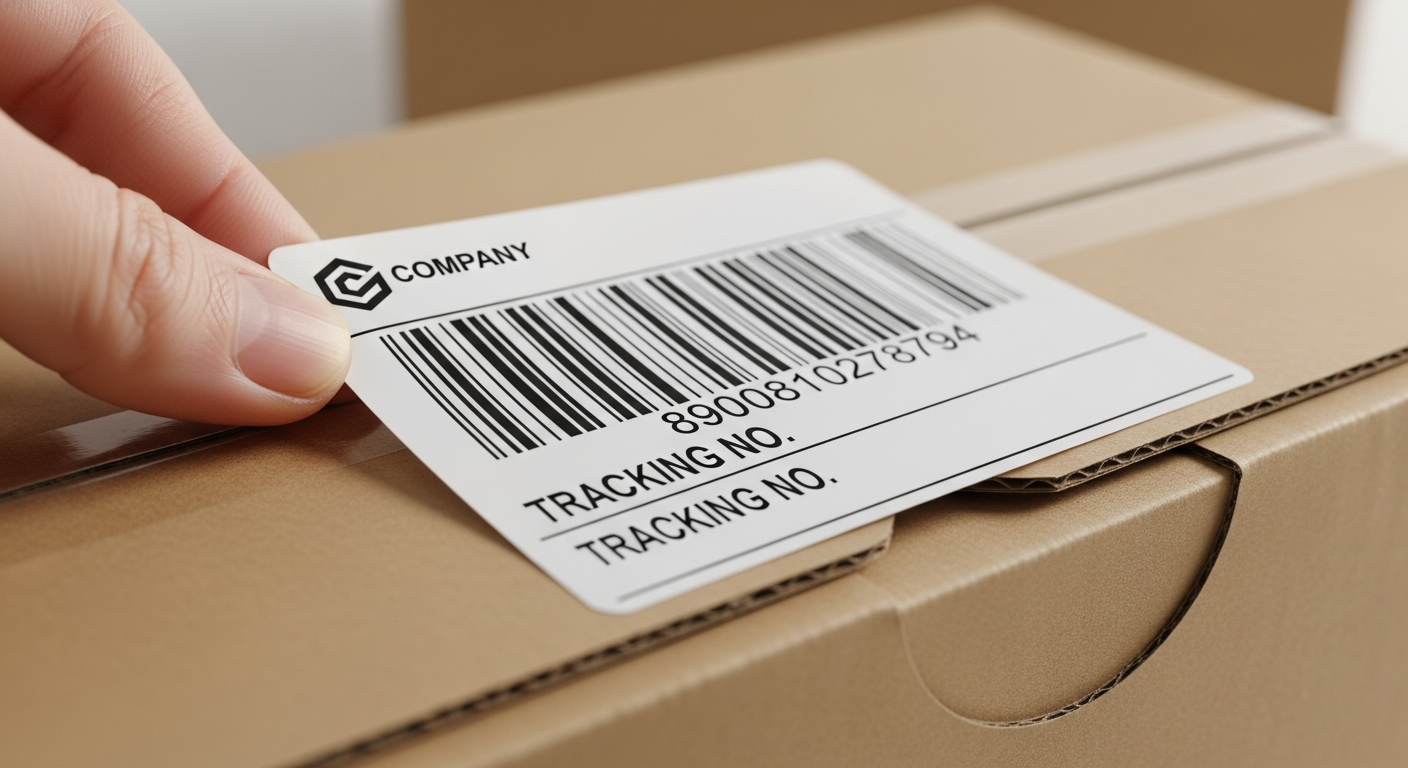
Etsy provides built-in shipping label purchase (Etsy Shipping Labels in the US and Canada), which gives small sellers carrier rate discounts that are difficult to access independently. Sellers using a 3PL typically purchase shipping outside Etsy's label system, accessing the 3PL's negotiated carrier rates instead — which usually beats Etsy's discounts at any meaningful volume. Etsy's Star Seller program rewards 95%+ on-time shipping, 95%+ 5-star review rate, 95%+ message response rate within 24 hours, and other performance metrics. A 3PL's role in maintaining Star Seller status is primarily on the on-time shipping metric — same-day or next-business-day order cutoff is essential. The seller still owns the message response and customer experience metrics, which is part of why outsourcing fulfillment shouldn't mean outsourcing customer service for Etsy operations.
 Working with Etsy's shipping features and Star Seller program
What to look for in an Etsy-ready Canadian 3PL
Most large 3PLs are not the right fit for Etsy sellers — their operational model is built around high-volume commodity DTC, not low-volume high-touch handmade and curated goods. Look for: small-package and small-batch fulfillment capability without minimum order volumes that exclude small sellers; willingness to handle brand-specific packaging materials provided by the seller (your tissue, your kraft tape, your business cards); custom packing instructions per SKU or per order; same-day or next-business-day order cutoff to support Etsy Star Seller status; integration with Etsy's order management system (direct API or via middleware like ShipStation); and a service model that doesn't penalize you for being a smaller account. Cost structures matter — pure per-order pricing without 'minimum monthly fulfillment fees' is essential for sellers with seasonal or unpredictable volume.
Preserving your Etsy brand through the transition
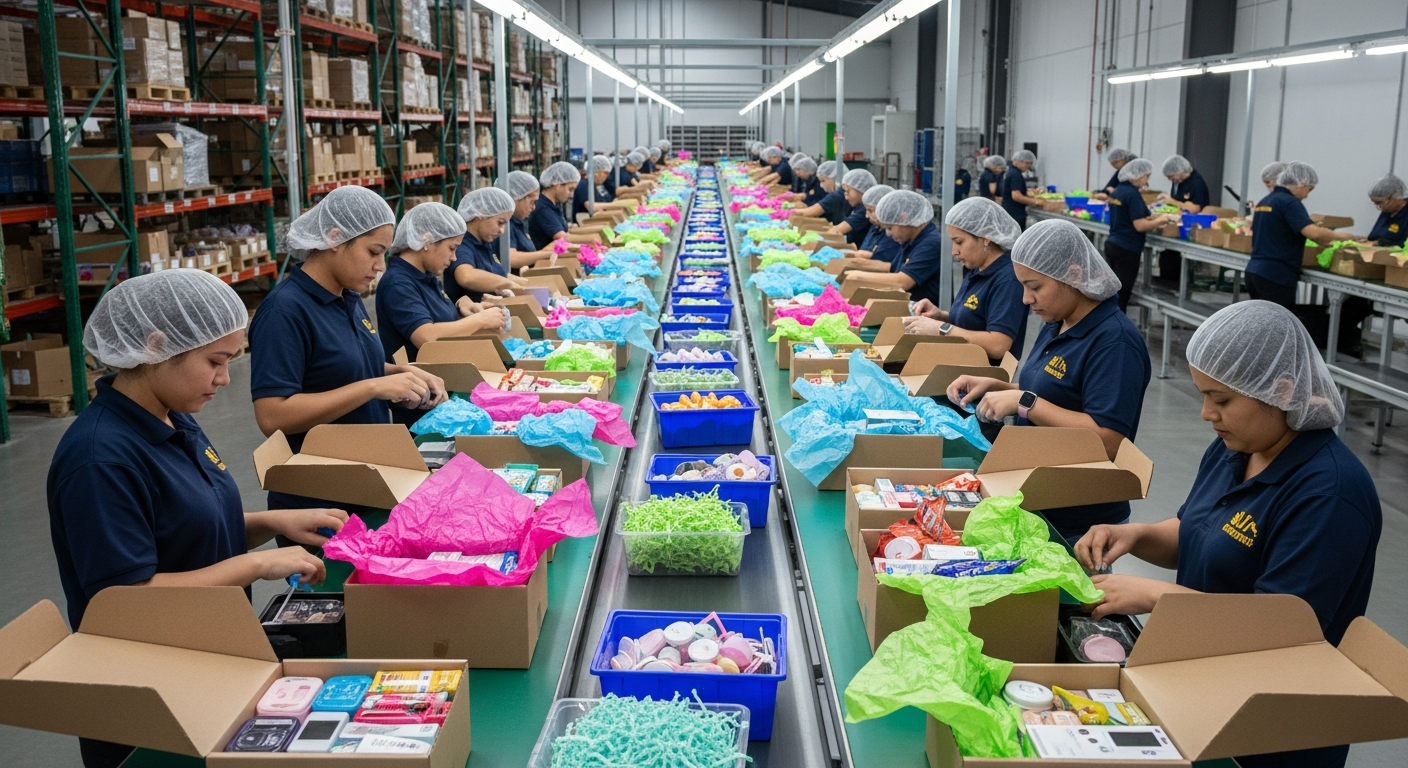
The most common Etsy outsourcing failure pattern is the seller hands off fulfillment, customers immediately notice the change in packaging quality, reviews start mentioning 'doesn't feel as personal as it used to,' and the brand voice that drove Etsy success quietly erodes. The fix is intentional brand preservation through onboarding. Document your packing standard with photos of an ideal customer-received order — every detail, every fold, every insert. Provide your branded materials to the 3PL in adequate quantities. Specify per-SKU packing notes for items requiring brand-specific treatment. Review randomly selected fulfilled orders during the first 4–6 weeks to catch deviations. And maintain handwritten thank-you notes on a sample basis if not on every order — most 3PLs will not write them, but many will include pre-printed branded notes that approximate the personal feel.
 Preserving your Etsy brand through the transition
Etsy operations at ByExpress
ByExpress operates Etsy fulfillment through direct integration with Etsy's order API as well as through middleware platforms (ShipStation, Order Desk) for sellers preferring those workflows. Brand-specific packaging materials are accommodated as standard — your tissue, your tape, your business cards, your branded inserts go into your customer's parcel exactly as you specify. Same-day order cutoff (orders placed before 1 PM ET) supports Etsy Star Seller on-time shipping requirements. Pricing is fully transparent with no minimum-volume requirements that exclude smaller Etsy sellers — we work with growing handmade and curated brands at any scale where outsourcing makes economic sense.
Frequently Asked Questions
When should an Etsy seller outsource fulfillment?
Several signals: spending more than 20 hours/week on fulfillment, missing Etsy Star Seller on-time shipping thresholds, fulfillment workspace consuming significant home or studio square footage, turning down growth opportunities you can't fulfill, or fulfillment quality starting to slip. Most sellers hit one or more of these between 200–800 orders/month, but the right inflection depends on your product complexity and brand model.
Will outsourcing fulfillment hurt my Etsy brand?
It can if done carelessly — Etsy customers value personal touches and craft sensibility, which generic 3PLs often don't deliver. The fix is choosing a 3PL that accommodates brand-specific packaging materials and per-SKU packing notes, documenting your packing standard explicitly during onboarding, providing your branded materials in adequate quantities, and reviewing fulfilled orders during the first 4–6 weeks to catch deviations.
Can I keep some products in-house and outsource others?
Yes — hybrid fulfillment is one of the most common patterns for growing Etsy sellers. Common splits: outsource inventoried catalog SKUs, keep made-to-order; outsource bulk and wholesale, keep DTC; outsource standard packing, keep specialty finishing. The right split depends on your product mix and brand voice, but hybrid often preserves the personal Etsy brand while reducing founder fulfillment time.
Will I save money on shipping by using a 3PL?
Usually yes, at meaningful volume. Etsy Shipping Labels offers small-seller carrier discounts that are competitive at low volume, but a 3PL's negotiated carrier rates typically beat them once you're shipping more than ~150 orders/month. Multi-carrier rate shopping (which an Etsy seller can't easily do alone) often saves an additional 12–20% versus single-carrier shipping at small-seller rate cards.
Does outsourcing fulfillment affect Etsy Star Seller status?
Only the on-time shipping metric is directly affected by your 3PL — and a serious 3PL with same-day order cutoff supports Star Seller compliance better than most DIY operations. Star Seller's other metrics (5-star review rate, message response rate) remain the seller's responsibility regardless of who handles fulfillment.
What about made-to-order or personalized Etsy items?
Most 3PLs cannot economically handle truly made-to-order items that require production-as-ordered (engraving, embroidery, custom assembly). The right pattern is hybrid: 3PL handles inventoried items, seller continues to fulfill made-to-order items in-house. Some specialty 3PLs offer print-on-demand or light-customization workflows; these are worth investigating if customization is core to your business model.
Related ByExpress resources