Guide · · 12 min read
Pick & Pack: How It Actually Works in a Modern 3PL
Most brand operators treat 'pick and pack' as a single line item on a 3PL invoice. The brands that win on customer experience and unit economics understand what's happening inside that line — and what makes a $2.50 pick different from a $3.50 pick.
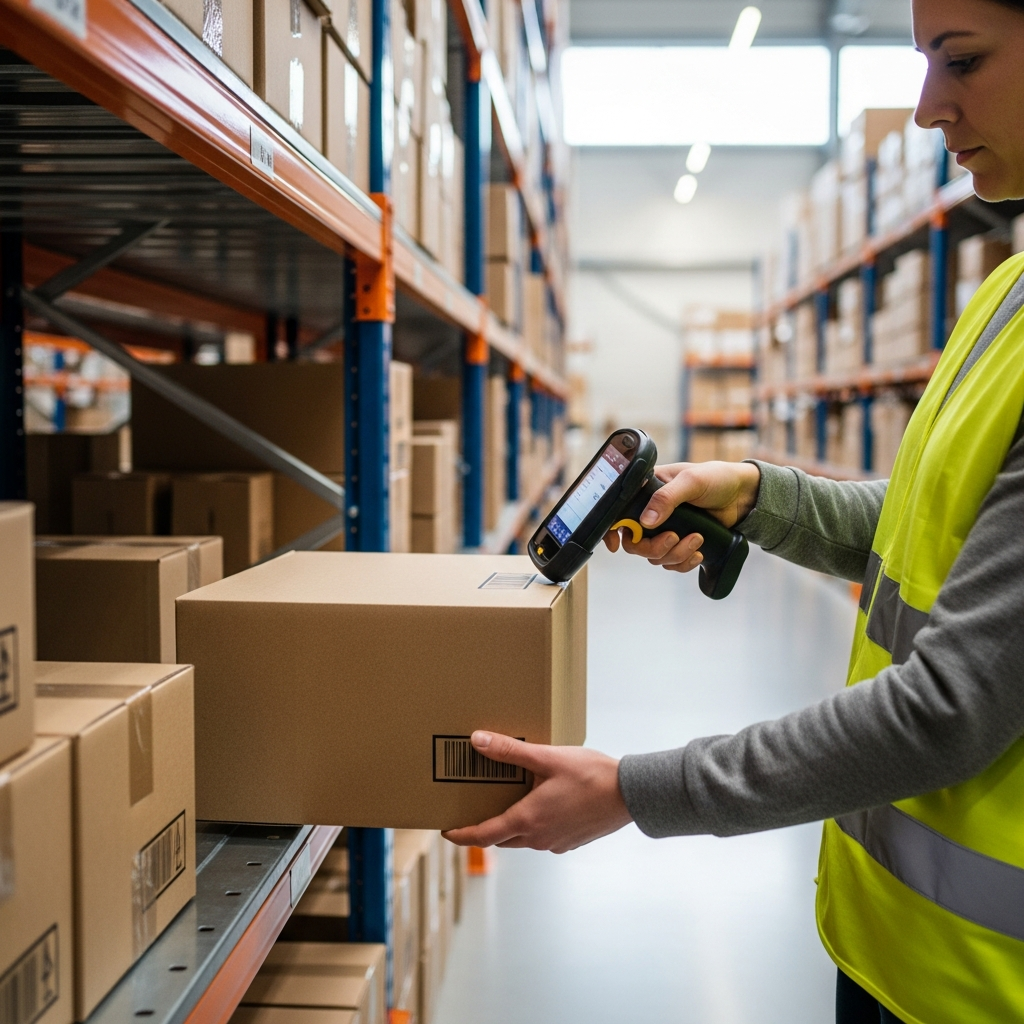
'Pick and pack' is the most opaque part of most Canadian 3PL invoices. A brand sees a line that says '$2.85 per first item, $0.45 per additional' and assumes that's the price of getting their product into a box and out the door. But the operational decisions hidden behind that single rate — pick methodology, batch size, slotting strategy, packing materials, accuracy verification, brand-specific packing protocols — determine whether your customers receive a polished, accurate, on-time package or one that looks like it was assembled in a hurry. This guide opens the black box and explains what's actually happening, what to look for in a 3PL pick-and-pack operation, and what separates an operation that quotes $2.50 from one that quotes $3.50 (and why both might be the right answer for different brands).
What 'pick and pack' actually means
Pick and pack is the sequence of operational steps between an order arriving in the WMS and the parcel leaving the warehouse with a carrier. The pick is the act of physically retrieving SKUs from their storage locations. The pack is the act of placing the picked items into the right shipping container, adding dunnage, applying the carrier label, and staging for carrier pickup. Inside that two-word summary, a modern 3PL is making at least six distinct operational decisions per order: pick methodology (single-order vs batch vs zone vs wave); pick path (sequence of locations to minimize walking); pack station assignment; container and dunnage selection; quality verification; and carrier label generation. Each of those decisions has cost, accuracy, and customer-experience implications.
The four pick methodologies and when each wins
Pick methodology is the most consequential operational decision in a 3PL warehouse. Single-order picking (also called discrete picking) sends a picker through the warehouse with one order at a time. It's the simplest and easiest to manage, but the least efficient for high-volume operations because each pick path covers significant distance per order. Batch picking sends a picker through the warehouse with multiple orders simultaneously, sorting at the pack station. It's roughly 40–60% faster per order than single-order picking but requires more sophisticated WMS support and disciplined sortation. Zone picking divides the warehouse into zones with dedicated pickers per zone; orders move between zones via conveyor or rolling cart. It's the highest throughput method for high-velocity operations but requires significant capital investment. Wave picking releases groups of orders simultaneously based on carrier cutoff windows, optimizing pick efficiency against shipping deadlines.
| Methodology | Best For | Throughput | Accuracy Risk |
|---|
| Single-order pick | Low volume, complex orders, high-value goods | Low | Lowest |
| Batch pick | Medium-high volume, standard SKUs | High | Medium (sortation) |
| Zone pick | Very high volume, fixed footprint | Very high | Medium (handoffs) |
| Wave pick | Cutoff-driven, multi-carrier mix | High | Low |
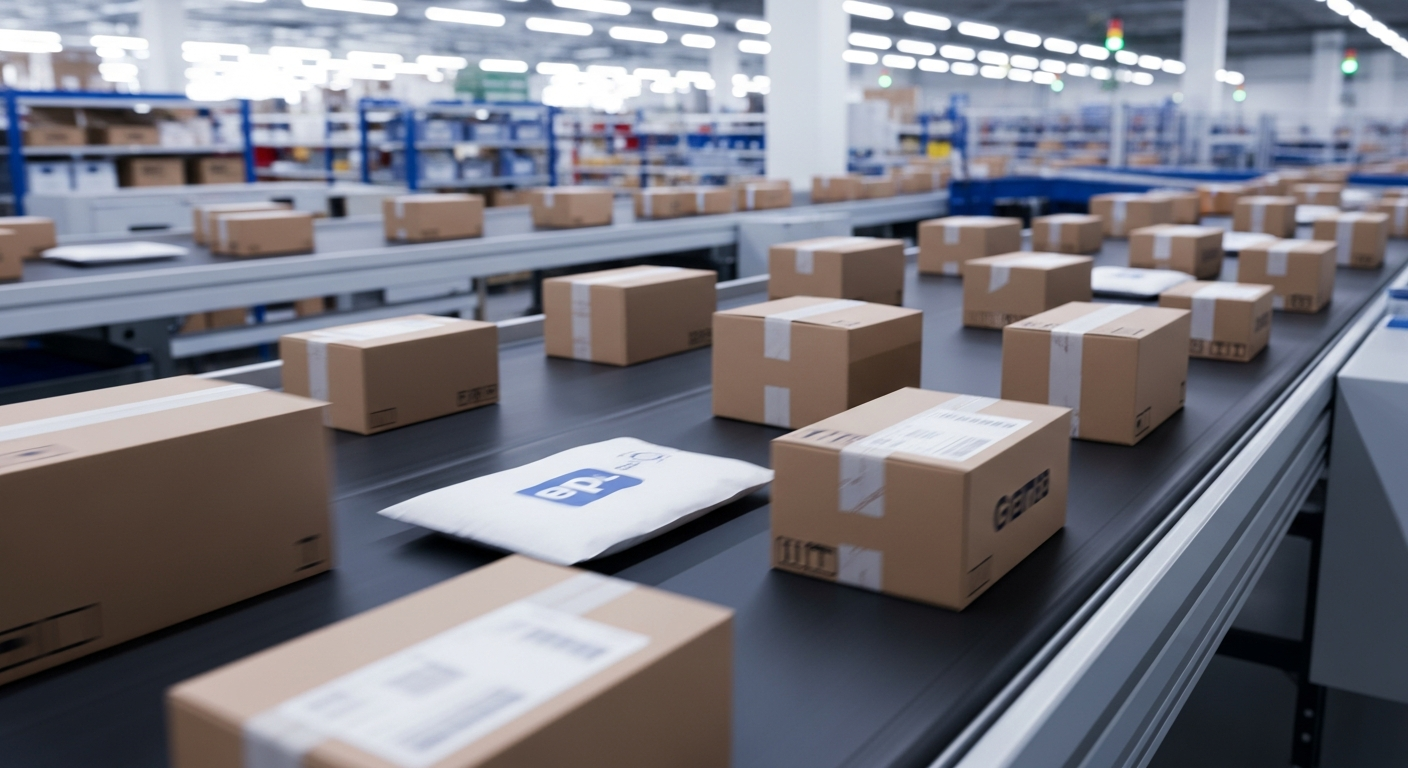 The four pick methodologies and when each wins
Slotting: the invisible determinant of pick speed
Slotting is the discipline of deciding where each SKU lives in the warehouse. Done well, fast-moving SKUs are positioned at the front of the warehouse near the pack stations, slow-moving SKUs are positioned in the back, and frequently-co-ordered SKUs are positioned near each other. Done poorly, your top-selling SKU sits in the back corner of the building and every order requires a full warehouse walk. The difference between a well-slotted and poorly-slotted operation can be 25–40% of pick labour. A serious 3PL re-slots dynamically — typically quarterly for established brands and more frequently during ramp periods or new product launches. Ask any prospective 3PL how often they re-slot your inventory and what triggers a re-slot. If the answer is 'we slot at receipt and don't move things,' your operation is probably running on a sub-optimal pick path.
Re-slotting at the wrong time is worse than not re-slotting at all. A serious 3PL coordinates re-slot operations during low-volume windows and validates the new slotting before shifting full pick volume — typically over a 1–2 week parallel period.
Packing standards: what 'premium' actually buys
Packing is where 'cheap' and 'premium' 3PLs visibly diverge. Standard fulfillment packing puts the right items in a right-sized box with crumpled paper or air pillows for protection, applies the carrier label, and ships. Premium fulfillment packing follows brand-specific protocols: tissue paper folded a particular way, branded inserts placed in a specific position, kraft tape rather than clear, custom dunnage matching brand packaging aesthetic, hand-written or printed thank-you notes, and quality verification at the pack station. The cost difference is typically $0.40–$0.90 per order, but the customer perception difference can be enormous — particularly for brands whose value proposition includes the unboxing experience (beauty, jewellery, premium subscription, gift items). For commodity DTC, premium packing rarely pays back in conversion or retention; for premium and gift-economy brands, it pays back many times over.
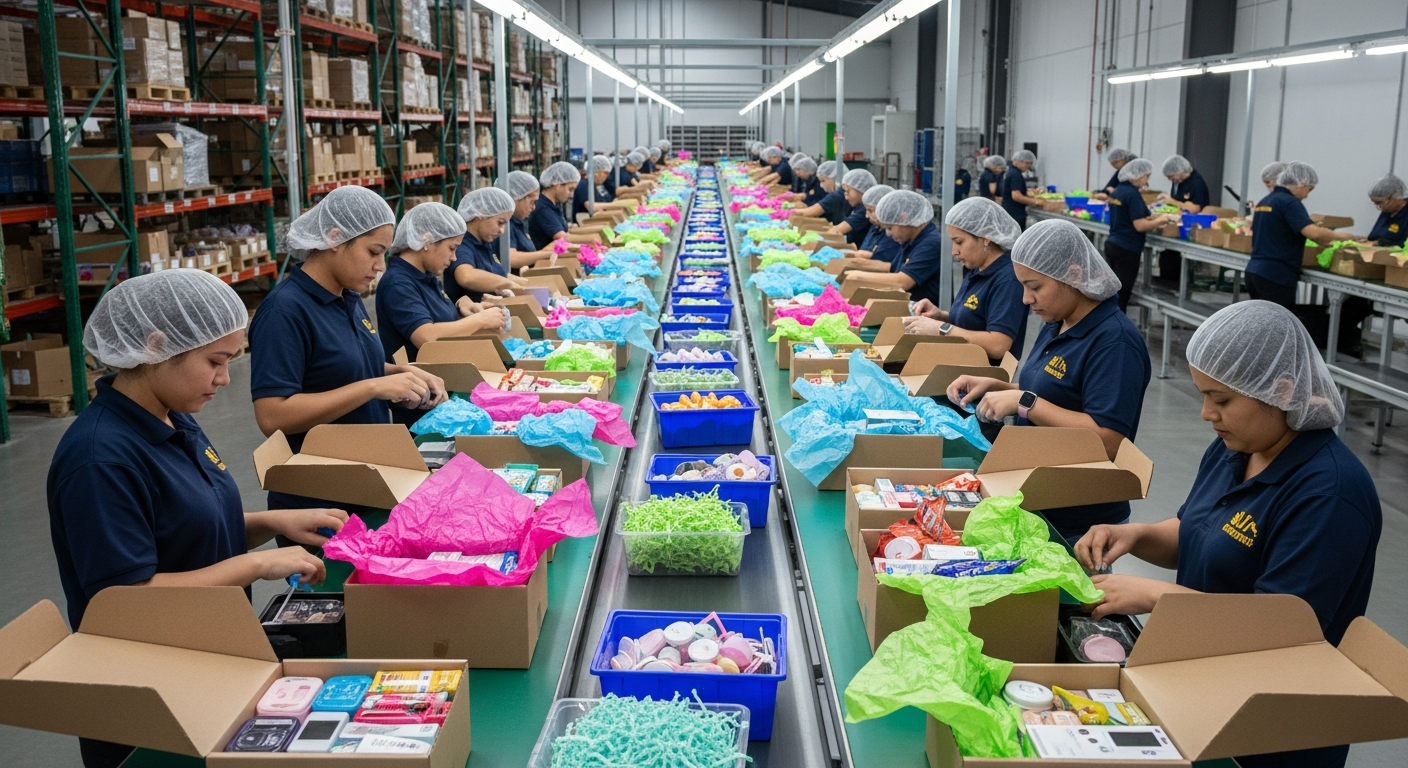 Packing standards: what 'premium' actually buys
Order accuracy: what to demand and how it's actually achieved
Best-in-class fulfillment runs at 99.7%+ order accuracy (defined as: right SKUs, right quantities, right ship-to address, no damage). Industry average is closer to 98.5%, which sounds tiny but means 1 in 67 orders is wrong — at high volume that's hundreds of customer service contacts per month and thousands of dollars in re-ship costs. Accuracy comes from three operational disciplines: barcode scan verification at every pick, with the WMS validating SKU and quantity against the order; weight verification at the pack station, with the WMS comparing actual parcel weight to expected weight; and audit picking, where a percentage of orders are independently re-picked or re-counted to catch systemic accuracy issues. A 3PL that cannot describe these three controls in detail is operating below the standard you should accept.
- Barcode scan verification at every pick (target: 100% scan compliance)
- Weight verification at pack station (typical tolerance: ±5% of expected)
- Random audit picks (typical rate: 2–5% of orders)
- Daily inventory cycle counts (typical rate: 1–2% of SKUs per day)
- Order accuracy KPI reported monthly at minimum (target: 99.5%+ for general DTC)
What determines whether your pick rate is $2.50 or $3.50
Pick-and-pack pricing varies for legitimate operational reasons. Higher-end pricing typically reflects: more sophisticated WMS and integrations; SOC 2 Type II compliance and stronger physical and IT security; bilingual operations; premium packing standards (tissue, branded inserts, custom dunnage); higher accuracy and KPI guarantees; better integrations and API quality; named account management; and operations in higher-cost real-estate markets (Mississauga, Vancouver). Lower-end pricing typically reflects the inverse — but also sometimes reflects sub-scale operators using artificially low pick rates to win business, then making margin back on receiving fees, storage minimums, surcharges, and accuracy-related re-ships. Always demand a fully line-itemized pricing structure and compare total monthly cost projections, not just the pick rate.
| Pick Rate Tier | Typical Service Profile | When It Fits |
|---|
| $1.95 – $2.40 | Sub-scale or aggressive entry pricing | Caution — verify total cost |
| $2.40 – $2.90 | Standard professional 3PL | Most cost-conscious DTC |
| $2.85 – $3.50 | Premium operations, premium packing, full integrations | Brand-experience-sensitive DTC |
| $3.50+ | Specialty (cold chain, regulated goods, custom kitting) | Specific operational requirements |
How ByExpress runs pick and pack
ByExpress operates batch picking with WMS-directed waves at all five Canadian locations, with single-order picking available on demand for high-value or fragile inventory. Barcode scan verification is mandatory at every pick step. Weight verification is standard at every pack station. Order accuracy averages above 99.7% across our network, with monthly KPI reporting to all brand customers. Standard packing follows brand-specific protocols defined during onboarding — including premium packing standards for brand customers whose unboxing is part of their value proposition. Pricing is fully line-itemized with no hidden minimums, no surprise surcharges, and no per-account 'platform' fees.
Frequently Asked Questions
What's the difference between picking and packing?
Picking is the act of physically retrieving SKUs from their storage locations in the warehouse. Packing is the act of placing those picked items in the appropriate shipping container with dunnage, applying the carrier label, and staging for carrier pickup. Both happen sequentially for each order and together form the bulk of variable fulfillment cost.
What is the standard pick-and-pack rate in Canada?
Standard professional 3PL pick rates run $2.40–$2.90 for the first item, with each additional item on the same order at $0.30–$0.55. Premium operations with branded packing, advanced integrations, and premium service standards run $2.85–$3.50 for the first item. Sub-$2.40 rates often indicate sub-scale operators or aggressive entry pricing that is later offset by other fees — verify total monthly cost projections, not just pick rate.
What is batch picking?
Batch picking sends a single picker through the warehouse to retrieve items for multiple orders simultaneously, then sorts the picked items at the pack station. It's roughly 40–60% more efficient than single-order picking for medium-to-high volume operations, but requires sophisticated WMS support and disciplined sortation to maintain accuracy.
How accurate should my orders be?
Best-in-class is 99.7%+ order accuracy. Industry average is closer to 98.5%. Anything below 98% is a serious operational concern that will drive customer service overhead, return rates, and lost lifetime value. Demand monthly accuracy KPI reporting from any 3PL you evaluate.
What is slotting and why does it matter?
Slotting is the discipline of deciding where each SKU is stored in the warehouse — fast movers near pack stations, slow movers in the back, frequently co-ordered SKUs near each other. Well-slotted operations can have 25–40% lower pick labour than poorly-slotted operations. Ask any prospective 3PL how often they re-slot your inventory and what triggers a re-slot.
How can I tell if a 3PL's pick-and-pack operation is well-run?
Five hard questions: (1) What pick methodology do you use and why? (2) What is your scan compliance rate? (3) What are your last six months of order accuracy KPIs? (4) How often do you re-slot inventory? (5) Can I tour the actual operation during peak hours? Vague or evasive answers to any of these means the operation is below the standard you should accept.
Related ByExpress resources