Guide · · 12 min read
Furniture Fulfillment in Canada: A 3PL Guide to Bulky Orders, Damage Prevention and Delivery
Furniture fulfilment turns product dimensions, packaging and destination access into operational decisions. Learn how to plan bulky storage, reduce damage, compare parcel and LTL, coordinate appointment and two-person services, and control returns.
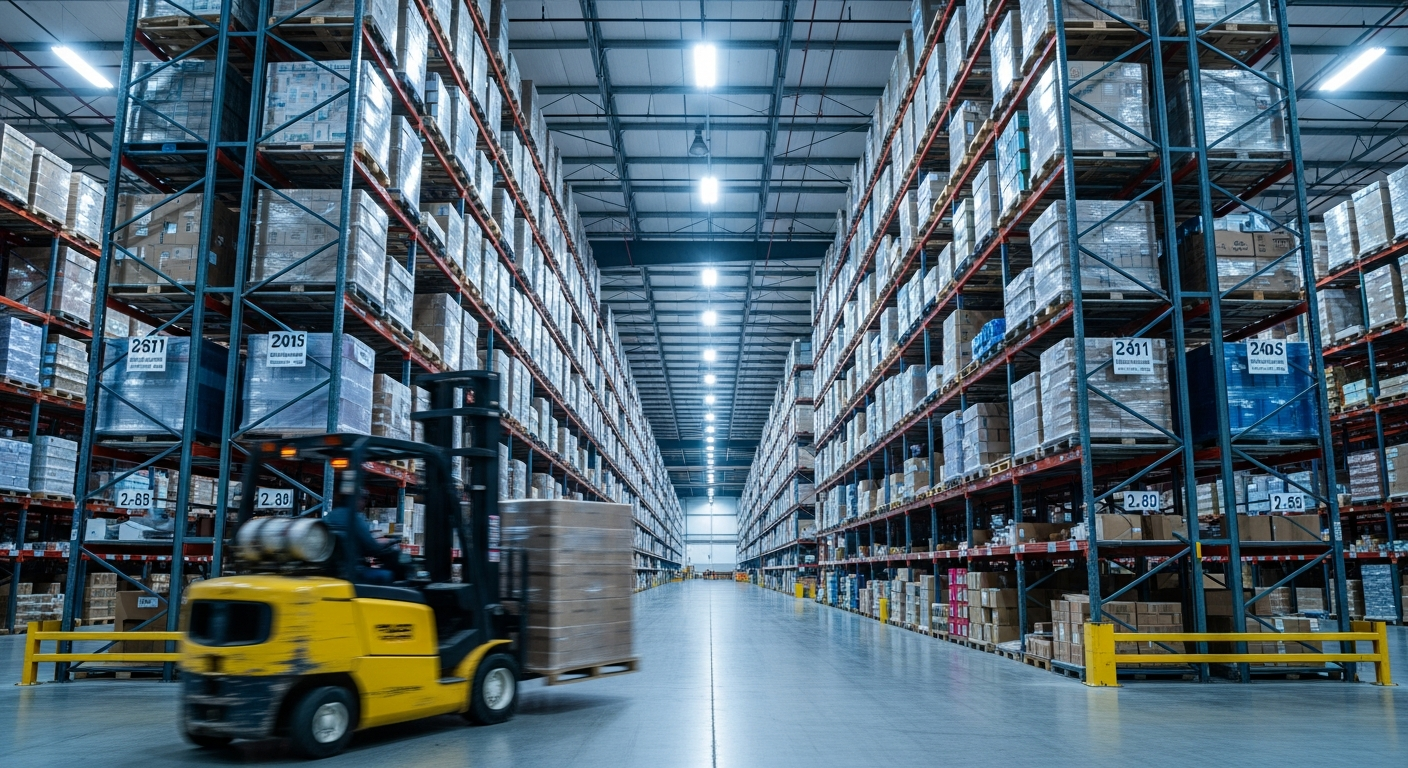
Furniture ecommerce compresses a showroom, warehouse and delivery crew into one customer promise. A sofa or dining table consumes cubic storage, is vulnerable at corners and finished surfaces, may need multiple people to handle, and has to pass through a real home’s driveway, elevator and doorway. The cheapest linehaul quote can become the most expensive order after accessorial charges, damage, a missed appointment or an unplanned return. A sound Canadian furniture fulfilment programme therefore starts with accurate item and packaged dimensions, designs protection around handling hazards, chooses a delivery product that matches the customer promise, and captures exceptions at every handoff. This guide offers an operating framework for brands and 3PLs. Service definitions, prices, liability terms and regional availability vary by carrier and contract, so validate them for each lane rather than treating any option as universal.
Make packaged product data the planning foundation
Record both product and packaged length, width, height and weight for every handling unit, along with carton count, orientation, stackability, centre-of-gravity or team-lift notes and any dangerous-goods or material considerations requiring specialist review. Use verified measurements from production units, not catalogue estimates. Doorway fit and assembly information belongs in customer-facing content, while packaged dimensions drive storage, handling and transport. Version the data when packaging changes. A dimensional error can cause failed rate shopping, unsuitable equipment, storage congestion and a crew arriving without the right resources. The 3PL should flag material differences measured at receipt and prevent silent overwriting of approved master data.
- Verified packaged dimensions and weight for each carton
- Carton relationship for multi-piece sets
- Stackability, orientation and handling restrictions
- Fragile surfaces, protrusions and hardware location
- Assembly level and required tools
- Customer-facing minimum access dimensions
Design storage around cube, handling and finish protection
Furniture storage economics are driven by usable cube and handling constraints, not simply SKU count. Floor-stackable cartons, palletized case goods, long items and irregular upholstered pieces need different zones and equipment. Slotting should minimize travel while avoiding unstable stacks, excess compression and forklift contact with finished surfaces. Keep aisles and fire-protection clearances aligned with the facility’s approved safety plan, and have qualified professionals address applicable code or safety questions. Track location capacity by dimensions, not nominal pallet positions alone. Dust, moisture, sunlight and nearby activities can affect packaging and finishes. High-value pieces may warrant restricted access. Inventory counting should preserve carton-set relationships so a table does not ship without its base.
Engineer packaging for repeated handling
Furniture damage often occurs at predictable points: corners, legs, glass, hardware, finished panels and upholstery. Packaging should immobilize components, prevent surface abrasion and distribute force without transferring pressure to a weak feature. Use suitable corner and edge protection, sleeves, foam or corrugated structures, hardware containment and outer-carton strength based on validated design. Do not let stretch wrap contact delicate finishes unless the material is approved. Handling labels help but cannot compensate for inadequate protection. Build a photographic pack standard and audit it during receiving and outbound preparation. For recurring damage, compare the exact packaging version, lane and damage location, then test changes rather than adding material indiscriminately.
Optimize total delivered cost, not packaging cost alone. A small material saving can be overwhelmed by replacement freight, labour, customer credits and lost inventory.
Compare parcel, LTL and dedicated options on total cost
Some flat-packed items fit parcel networks; larger orders may move by less-than-truckload, final-mile furniture networks or dedicated vehicles. The decision depends on packaged dimensions and weight, order consolidation, distance, transfer count, delivery service and destination constraints. LTL can share trailer capacity economically, but terminal handling and accessorials must be included. Dedicated or consolidated routes may reduce handoffs at sufficient density but require planning and capacity. Rate shopping should include residential, appointment, liftgate, inside-delivery, limited-access, redelivery, storage and remote-area terms where relevant. Compare expected total landed delivery cost and customer outcome rather than base rate alone.
| Option | Potential fit | Cost drivers | Operational watch-out |
|---|
| Parcel | Compact, protected flat-pack cartons | Dimensional weight and surcharges | Size limits and conveyor handling |
| LTL curbside | Palletized or large cartons | Class/density, lanes and accessorials | Terminal transfers and customer unloading |
| Appointment final mile | Bulky residential orders | Service level, region and stop profile | Customer availability and access data |
| Two-person/room-of-choice | Heavy or experience-led delivery | Crew time, stairs, distance and complexity | Scope, liability and exclusions |
| Dedicated/consolidated | Dense volume or special handling | Vehicle, route and utilization | Capacity and delivery-window planning |
Define curbside, threshold, room-of-choice and assembly precisely
Service names are not standardized. One provider’s “inside” service may end at the first dry area, while another may include placement in a selected room. Document whether the crew crosses a threshold, climbs stairs, uses elevators, unpacks, removes packaging or assembles the item, plus exclusions for wall mounting, moving existing furniture or unsafe access. Two-person delivery should be selected from weight, shape, handling and service needs—not marketed as a cure for poor packaging. Present the selected scope and potential charges to the customer before purchase. Align the carrier work order, customer confirmation and support script so each describes the same promise. Confirm insurance and liability arrangements with appropriate professionals.
Collect access data and manage the appointment
A successful residential delivery begins before dispatch. Collect a validated phone number, email, dwelling type, parking or loading restrictions, elevator booking needs, stairs, doorway constraints and preferred windows appropriate to the service. Avoid collecting unnecessary personal information and handle retained data under applicable privacy practices. The carrier should confirm the appointment and explain preparation, presence and inspection expectations. Define cut-offs for rescheduling and escalation when the customer cannot be reached. Tracking should surface exceptions to both the 3PL and merchant. On arrival, crews follow site-safety rules, document pre-existing package condition and obtain completion evidence that reflects the service performed. Failed access needs a controlled redelivery or return decision, not an improvised doorstep release.
Control damage across every handoff
Record inbound condition, preserve manufacturer packaging and photograph outbound units from useful angles. Scan every carton in a multi-piece order and use labels that make sets obvious without obscuring handling instructions. At carrier handoff, reconcile count and visible condition. Delivery teams should note damage before movement into the home and follow the agreed process if unpacking reveals an issue. Centralize exception evidence by order and handling unit. Root-cause codes should distinguish supplier damage, warehouse handling, packaging failure, linehaul, terminal, final-mile handling, missing carton and unknown cause. Review incident rates with a consistent denominator and by packaging version and lane. Avoid claiming causation until evidence supports it.
Plan furniture returns as a distinct logistics product
Furniture returns cannot be treated like small parcels dropped at a postal counter. Decide which reasons qualify for pickup, who disassembles or repackages, whether original packaging is required, and what happens if an item is unsafe or cannot fit through the exit route. Quote pickup windows and service scope clearly. At the return facility, quarantine the item, reconcile all cartons and hardware, inspect cosmetic and structural condition, and route it to authorized restock, open-box, repair, liquidation, recycling or disposal outcomes. Track return transport and processing cost separately from outbound delivery. Photos and standardized grade criteria support consistent decisions, but trained personnel should assess safety-critical issues.
- Return reason and customer-provided condition evidence
- Pickup access, crew and packaging requirements
- All cartons, parts and hardware reconciled
- Quarantine until inspection and disposition
- Consistent cosmetic and functional grading
- Authorized recovery, recycling or disposal route
Build a 3PL scorecard around delivered condition
Evaluate warehouse capacity by usable bulky-item cube, equipment and handling methods. Ask carriers and 3PLs to demonstrate packaged-dimension capture, multi-carton control, packaging audits, appointment-event visibility and exception evidence. Score cost per successful delivery rather than cost per dispatch, and monitor first-attempt completion, damage incidents, missing pieces, appointment exceptions, redelivery, return cycle time and inventory recovery. Define each KPI and segment by product and service to avoid misleading averages. ByExpress can coordinate Canadian storage, order preparation, carrier selection and returns workflows around a brand’s chosen service promise, while actual service availability and pricing are confirmed lane by lane.
Frequently Asked Questions
When should furniture ship by LTL instead of parcel?
Compare the item’s verified packaged dimensions, weight, protection, lane and delivery needs against current carrier limits and total charges. LTL may suit larger palletized freight, but accessorials and transfer risk matter; there is no universal size threshold across providers.
What does room-of-choice furniture delivery include?
The term varies. Define room placement, stairs, elevator use, unpacking, debris removal and assembly explicitly, along with exclusions. Ensure the checkout promise, carrier order and customer confirmation match.
Is two-person delivery always required for furniture?
No single rule fits every item. Use a documented assessment of weight, shape, packaged handling, site access and service scope, while meeting workplace-safety requirements established with qualified guidance.
How can a 3PL reduce furniture damage?
Use verified item data, validated protective packaging, suitable storage and equipment, multi-carton scans, condition evidence and root-cause reviews by packaging version and lane. Labels alone cannot compensate for an inadequate pack design.
Which furniture delivery charges are often missed?
Depending on carrier terms, residential, appointment, liftgate, inside service, stairs, remote area, redelivery, waiting, storage and return charges may apply. Request a lane-specific total-cost model rather than relying on linehaul.
How should returned furniture be handled?
Arrange an appropriate pickup and packaging plan, quarantine on receipt, reconcile parts, inspect against standardized criteria and record an authorized disposition. Do not automatically restock an opened or damaged item.
Related ByExpress resources