Guide · · 11 min read
Order Fulfillment Services in Ottawa: DTC, B2B & Retail
A concrete, service-level look at order fulfillment in Ottawa — the full order lifecycle, every sales channel, the integrations that matter, the SLAs that hold operators accountable, and how a central-Canada node ships faster for less.
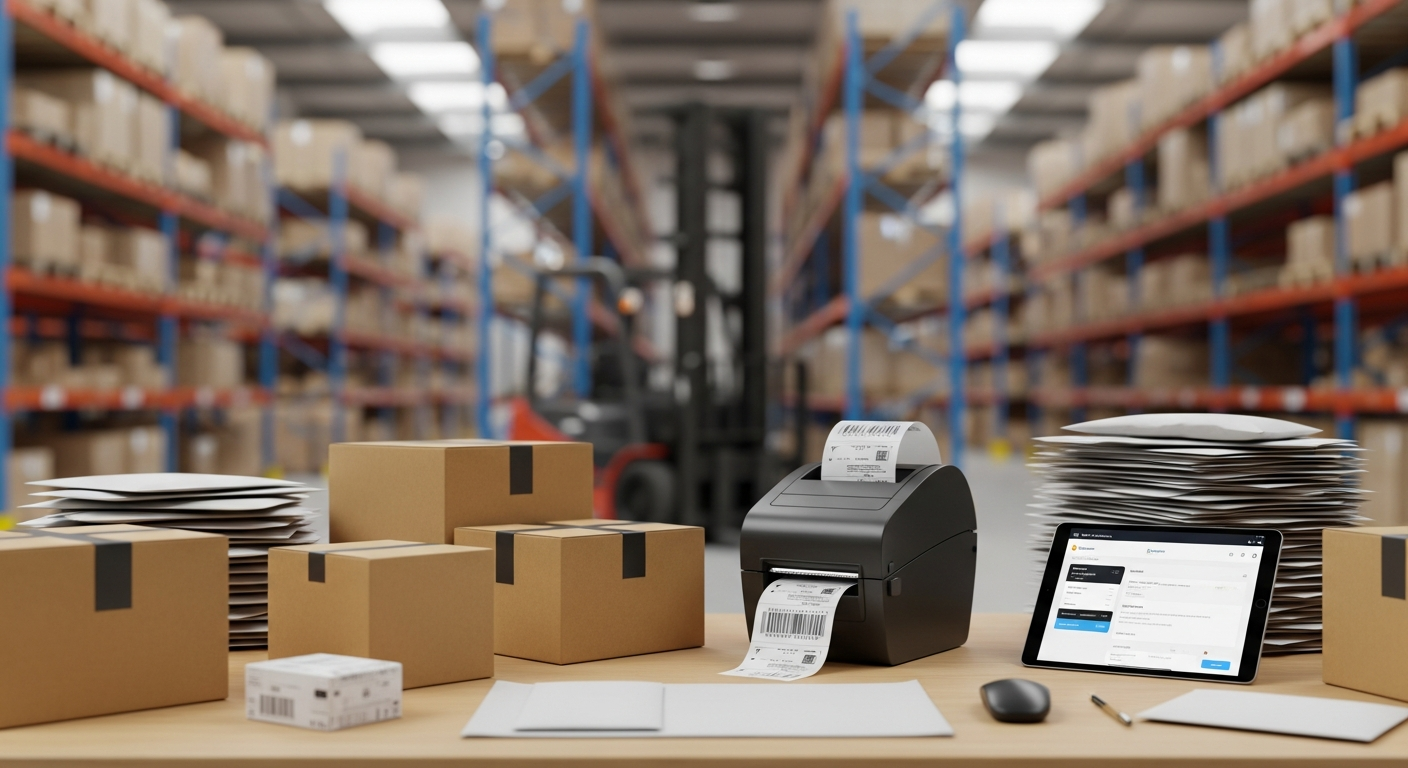
"Order fulfillment" is one of those phrases that means something different to every brand that uses it. To a DTC founder it means a Shopify order turning into a tracked parcel on a doorstep. To a wholesale brand it means a clean, compliant pallet arriving at a retailer's DC without a chargeback. To a marketplace seller it means hitting Amazon's and Walmart's ship-by clocks without a defect. This page is the concrete service menu — not a market explainer — covering exactly how order fulfillment works in Ottawa across every channel, the technology that connects it, the service levels that keep an operator honest, and why anchoring inventory in the National Capital Region ships faster and cheaper into the densest demand cluster in Canada.
The order lifecycle, end to end
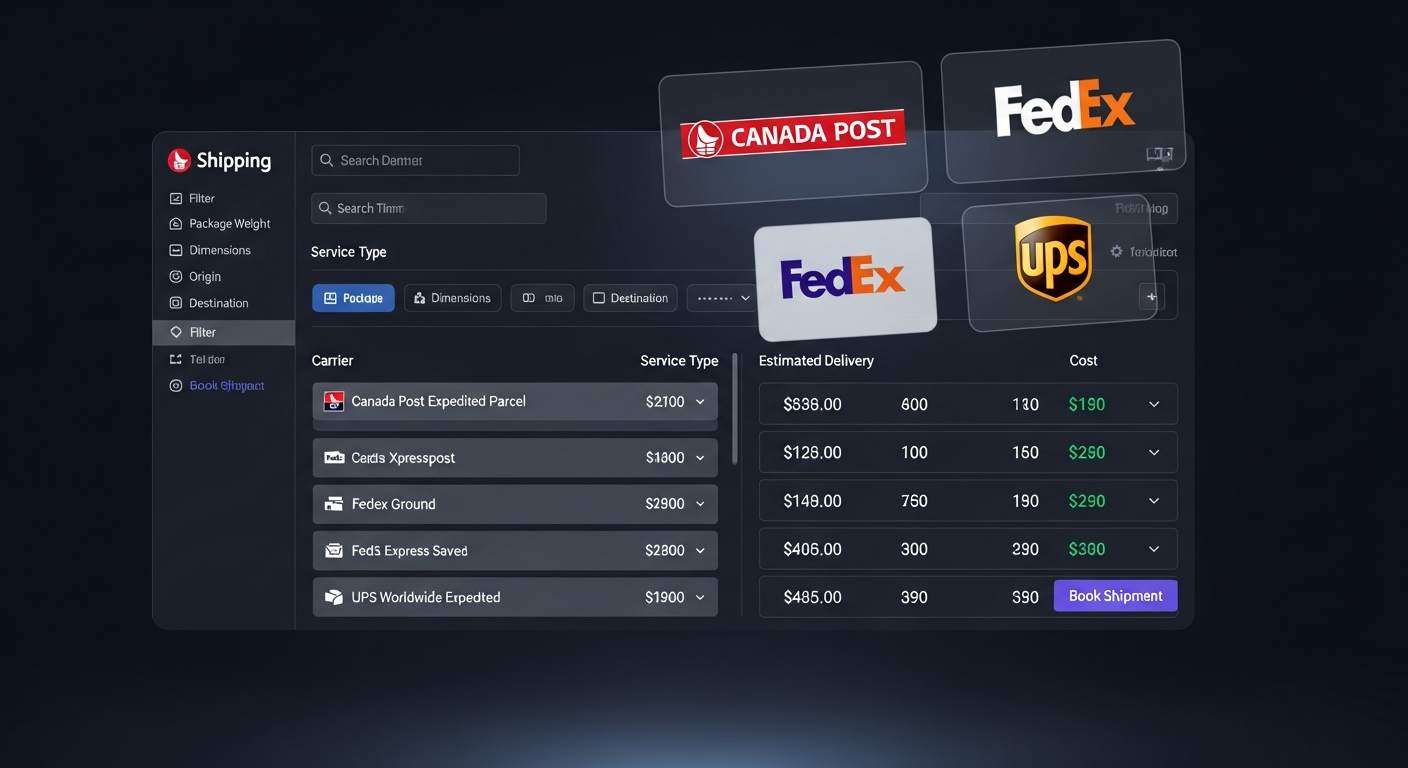
Every fulfilled order moves through the same sequence regardless of channel — the difference between a good operation and a bad one is how tightly each step is controlled and measured. An order is imported from your store or marketplace within seconds, validated for address and inventory, and released to the floor. A picker (paper, RF scan, or pick-to-light depending on volume) pulls the SKUs; a packer selects right-sized packaging, adds dunnage and any inserts, and verifies the contents by scan. A multi-carrier rate engine then selects the cheapest viable label for the destination and service level, the parcel is manifested and handed to the carrier, and tracking flows back to your store and the customer automatically. Returns close the loop. The workflow below is the spine every section on this page hangs off.
- Order import — orders sync from store/marketplace in near real time, with address and inventory validation
- Pick — SKUs pulled by RF scan against the order; substitutions blocked at the scan
- Pack — right-sized carton or mailer, dunnage, branded inserts, contents verified by scan
- Label — multi-carrier rate-shop selects the cheapest compliant service for the zone and weight
- Ship — parcel manifested, carrier pickup, tracking pushed back to store and customer
- Track — exceptions (delays, address fails) surfaced for proactive resolution
- Returns — inbound inspection, grade, restock or dispose, with refund/exchange triggers
The same seven-step lifecycle runs every order — DTC, B2B, or marketplace; the controls and SLAs are what differ.
Fulfillment across every channel: DTC, B2B & retail
Most growing brands sell in more than one channel, and each has its own packing, paperwork, and compliance profile. Mature order fulfillment in Ottawa runs all of them from a single inventory pool so you are not splitting stock or double-paying storage. DTC e-commerce is high-order-count, low-units-per-order, and brand-experience sensitive. B2B wholesale is low-order-count, high-units, and routing-guide and chargeback sensitive. Retail and marketplace sit in between, governed by hard ship-by windows and defect-rate scorecards. The table maps what each channel actually requires so you can see whether a prospective partner can serve all three or only one.
| Channel | Order Profile | What's Included |
|---|
| DTC e-commerce | Many small parcel orders | Branded pack, inserts, gift notes, rate-shopped parcel, tracking sync |
| B2B / wholesale | Few large case/pallet orders | Case-pack, palletizing, ASN, BOL, routing-guide & EDI compliance |
| Retail replenishment | Scheduled PO-driven | Label/ticket compliance, carton marking, appointment scheduling |
| Marketplace (Amazon, Walmart) | Ship-by clock orders | FBM/SFP/seller-fulfilled labels, on-time ship to protect metrics |
| Subscription / kitting | Recurring assembled boxes | Component kitting, batch assembly, recurring billing cadence |
 Fulfillment across every channel: DTC, B2B & retail
Platform integrations that keep orders flowing
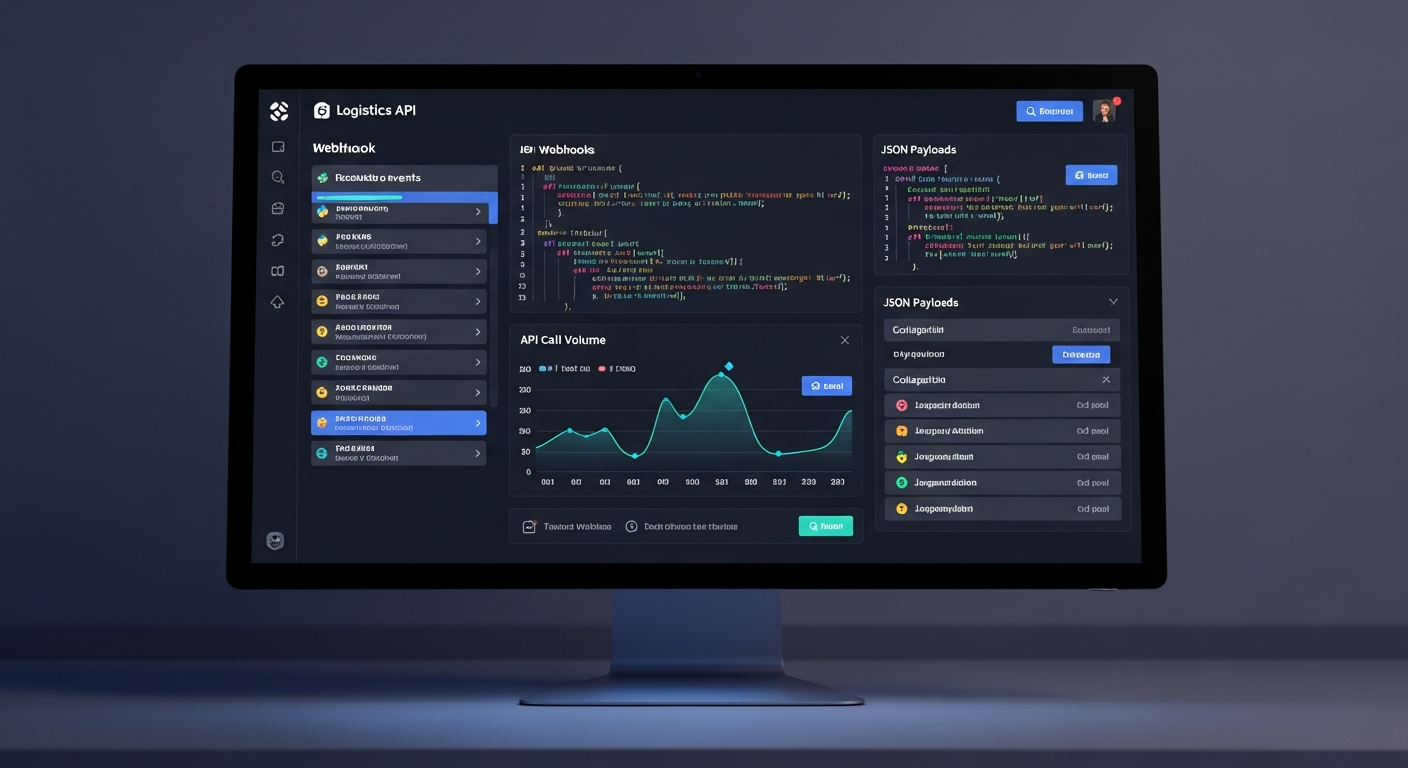
Order fulfillment is only as good as the data pipe feeding it. A serious Ottawa fulfillment partner offers native, pre-built integrations to the platforms you already sell on, so orders, inventory, and tracking sync automatically with no manual CSV exports. At minimum you should expect connectors for Shopify, Amazon Seller Central, WooCommerce, BigCommerce, Walmart Marketplace, Etsy, and TikTok Shop, plus ERP links to NetSuite and a documented REST API with webhooks for anything custom. For brands selling into Canadian retail, EDI capability (X12 850 purchase order, 856 ASN, 810 invoice) is non-negotiable — it is what prevents the routing-guide chargebacks that quietly erase wholesale margin. Inventory should decrement across all channels from one source of truth to prevent overselling the same unit twice.
If a fulfillment provider asks you to email or upload a daily order CSV, walk away — manual order entry is where mis-ships, delays, and oversells are born.
Cutoffs, SLAs & the metrics that hold operators accountable
The single most useful question to ask any fulfillment provider in Ottawa is: "What are your published service levels, and will you report against them every month?" Concrete numbers separate operators who measure their work from those who hope it goes well. A same-day ship cutoff (commonly 1:00–2:00 PM ET for in-stock DTC orders) tells you when an order has to arrive to leave that day. On-time ship rate, order (pick) accuracy, and inventory accuracy are the three KPIs that predict your customer experience. Insist they appear in writing in the statement of work, not just on the sales call.
- Same-day ship cutoff: orders in stock by ~1:00 PM ET ship the same business day
- On-time ship rate: target 99%+ of orders shipped within the committed window
- Order (pick) accuracy: target 99.5%+ correct items and quantities, verified by scan
- Inventory accuracy: target 99.5%+ via perpetual cycle counts, not annual blitz counts
- Returns turnaround: inbound returns processed and restocked within 24–48 hours
Value-add: kitting, subscriptions & returns
Beyond standard pick-and-pack, the services that compound for growing brands are kitting/assembly and returns management. Kitting covers bundling multiple SKUs into a single sellable unit, building subscription boxes on a recurring cadence, inserting marketing collateral, and applying retailer-specific labelling — all work where Ottawa's lower labour rates relative to the GTA directly reduce per-unit cost. Returns are the other half of order fulfillment that brands underplan: a real reverse-logistics workflow inspects, grades, and either restocks, refurbishes, or disposes of each return, then triggers the refund or exchange in your store automatically. A well-run returns process recovers sellable inventory fast and gives you the data to fix the products and sizing that drive returns in the first place.
 Value-add: kitting, subscriptions & returns
Reporting & real-time visibility
You cannot manage what you cannot see. Modern order fulfillment includes a client portal and live dashboards showing order status, inventory positions by SKU and location, shipment tracking, carrier mix and cost, and the SLA metrics above — updated in real time, not in a monthly spreadsheet. Good reporting answers the operational questions before they become problems: which SKUs are about to stock out given current velocity, which orders are stuck in an exception state, what your true landed cost per order is by channel, and where return rates are climbing. Ask any prospective Ottawa fulfillment partner to show you the actual dashboard a client sees — not a screenshot, the live product. The depth and honesty of that visibility is one of the clearest signals of operational maturity.
 Reporting & real-time visibility
How ByExpress runs order fulfillment in Ottawa
ByExpress runs its national headquarters and flagship fulfillment facility in Ottawa at 2411 Holly Lane, fulfilling DTC, B2B, and retail orders from one inventory pool on an in-house WMS with built-in multi-carrier rate-shopping. Bilingual EN/FR operations and customer service handle Quebec and national accounts alike, and native integrations to Shopify, Amazon, WooCommerce, Walmart, and others — plus EDI for Canadian retail — keep orders flowing without manual entry. Because Ottawa sits at the centre of the Quebec City–Windsor corridor, where roughly 60% of Canadian e-commerce demand concentrates, orders ship next-day ground to Toronto and Montreal and reach the U.S. Northeast via the Ogdensburg–Prescott and Cornwall–Massena crossings. The Ottawa node anchors a five-city Canadian network (Ottawa, Toronto, Montreal, Vancouver, Calgary), so brands can scale from a single hub to multi-node distribution without changing platforms.
Frequently Asked Questions
What is the same-day ship cutoff for Ottawa order fulfillment?
For in-stock DTC orders the typical cutoff is around 1:00–2:00 PM ET — orders that arrive before the cutoff ship the same business day. B2B and retail orders follow scheduled, PO-driven and appointment-based windows rather than a single daily cutoff. Always confirm the exact cutoff and any peak-season adjustments in the statement of work.
Can one Ottawa partner handle DTC, B2B, and retail from the same inventory?
Yes — and it should. A mature operation fulfills e-commerce parcels, wholesale pallets, and retail replenishment POs from a single pooled inventory so you are not splitting stock or double-paying storage. Each channel has its own pack, paperwork, and compliance profile (routing guides, EDI, carton marking), but they all draw from one source-of-truth inventory count.
Which e-commerce platforms can you integrate with?
Expect native, pre-built connectors for Shopify, Amazon Seller Central, WooCommerce, BigCommerce, Walmart Marketplace, Etsy, and TikTok Shop, ERP links such as NetSuite, plus a documented REST API and webhooks for custom platforms. EDI (X12 850, 856, 810) is required if you sell into Canadian retailers like Loblaw, Sobeys, Costco, or Indigo.
How does multi-carrier rate-shopping lower my shipping cost?
Instead of printing every label on one carrier, a rate engine evaluates published rates, your negotiated discounts, dimensional weight, destination zone, service level, and surcharges in real time, then prints the cheapest compliant label. Done properly this saves roughly 11–18% of blended parcel spend — and from Ottawa the cheapest lane to Toronto, Montreal, and Quebec City is usually the fastest one too.
Do you handle returns and exchanges?
Yes. A full reverse-logistics workflow receives, inspects, and grades each return, then restocks, refurbishes, or disposes of it and triggers the refund or exchange in your store automatically. Returns are typically processed within 24–48 hours so sellable inventory goes back to stock quickly, and the return-reason data helps you fix the products and sizing driving returns.
What service-level metrics should I expect to be reported?
On-time ship rate (target 99%+), order/pick accuracy (99.5%+), inventory accuracy (99.5%+ via perpetual cycle counts), and returns turnaround. Insist these appear in the written statement of work and in a monthly report. If a provider cannot produce the last six months of these KPIs quickly, they are not measuring them.
Related ByExpress resources