Guide · · 13 min read
Logistics Company in Ottawa: End-to-End Supply Chain
Why brands serving Canada from the National Capital Region are consolidating warehousing, fulfillment, distribution, and transportation under one integrated Ottawa logistics partner instead of stitching together separate vendors.
Most brands don't set out to build a logistics department — they set out to sell a product. But somewhere between the first thousand orders and national distribution, the supply chain quietly fragments: one vendor receives the inbound container, another stores the pallets, a third picks and ships DTC orders, a freight broker handles the LTL into retail, and a returns house cleans up the rest. Every handoff is a place where cost, latency, and accountability leak. A true logistics company solves this by owning the whole chain — inbound freight, warehousing, order fulfillment, distribution, transportation, cross-border, returns, and the technology that ties them together. This guide explains what a full-service logistics partner in Ottawa actually does, why one integrated provider in the National Capital Region beats a patchwork of point vendors, and how to route every part of your supply chain through a single Ottawa hub.
What a full-service logistics company actually does
"Logistics company" is a broad label that gets applied to everyone from a single-truck courier to a global 4PL orchestrator. In practical terms, an end-to-end logistics partner manages the movement and storage of your product from the moment it leaves your supplier to the moment it reaches your customer — and back again on returns. That spans inbound freight and customs clearance, warehousing and inventory control, order fulfillment across every sales channel, outbound distribution to retailers and regional markets, transportation management across parcel/LTL/FTL, cross-border shipping into the U.S., and reverse logistics. The defining feature isn't any single service; it's that one operator with one system and one accountable team runs all of them. That integration is where the real savings and reliability come from, because the data, the inventory, and the carrier relationships are unified rather than re-keyed and re-negotiated at every stage.
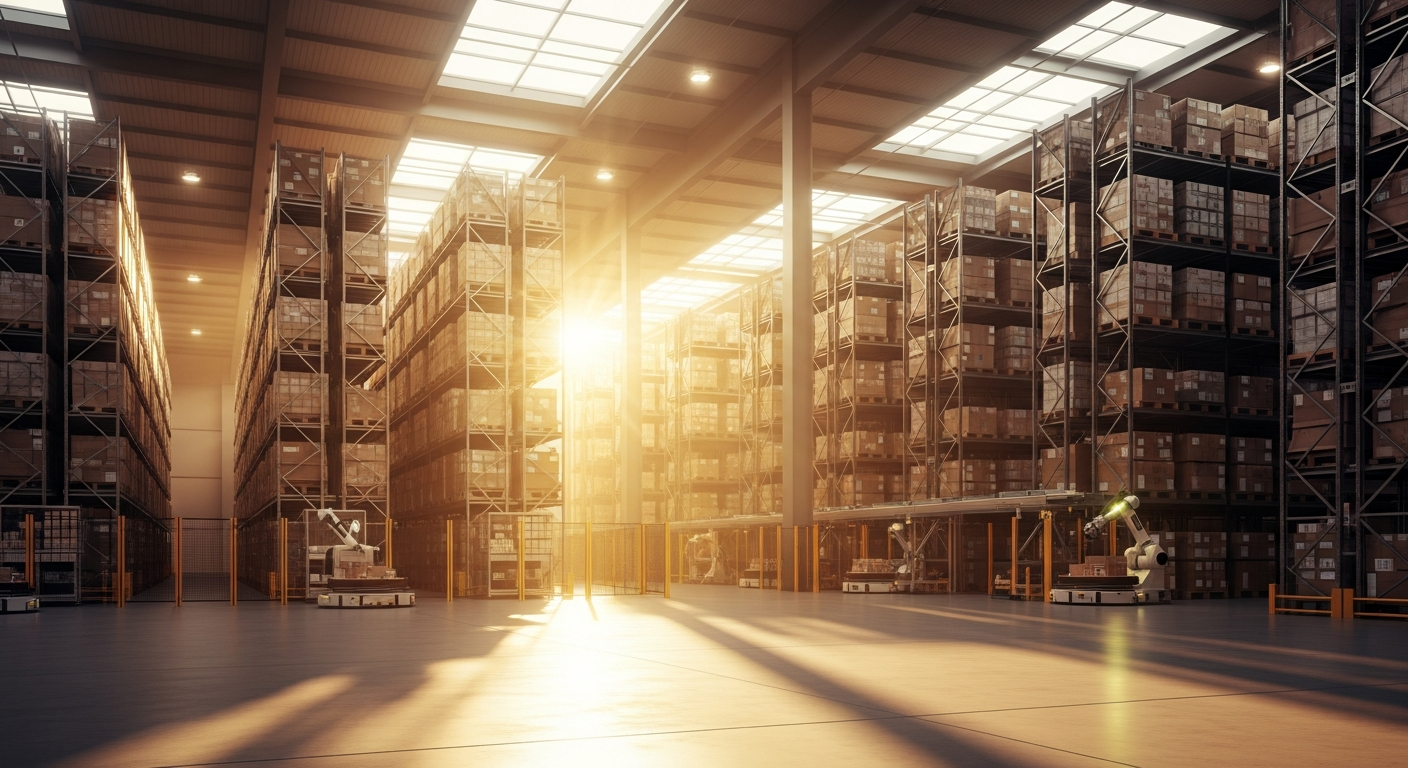
 An integrated logistics company runs inbound, storage, fulfillment, and outbound from one system instead of stitching vendors together.
The integrated logistics stack, end to end
A genuine logistics company in Ottawa should be able to take a brand from supplier to doorstep without ever handing it to an outside vendor. Below is the full stack ByExpress runs from its Ottawa hub, what each layer covers, and where to go for the detail on each. The point of consolidation is simple: every layer sees the same inventory record and the same order, so there's no reconciliation lag between receiving, storage, picking, and shipping — and one team is accountable for the whole journey.
| Service layer | What it covers | Where to learn more |
|---|
| Inbound freight & forwarding | Container drayage, LTL/FTL inbound, ASN booking, customs coordination | Ottawa freight & forwarding guide |
| Warehousing | Ambient, climate-controlled, secure and bulk storage with cycle counting | Warehousing Ottawa |
| Order fulfillment | DTC, B2B, and retail pick/pack/ship across all channels | Order Fulfillment Ottawa |
| Distribution | Retail replenishment, EDI, regional hub-and-spoke distribution | Distribution Ottawa |
| Transportation | Multi-carrier parcel, LTL and FTL with dynamic rate-shopping | Rate-shopping engine |
| Cross-border (U.S.) | Section 321, IOR coordination, Northeast injection lanes | 3PL Ottawa guide |
| Reverse logistics | Returns intake, inspection, grading, restock or disposition | Returns management |
| Technology & visibility | In-house WMS, real-time inventory, order and KPI dashboards | Inventory management |
Why one integrated partner beats stitching vendors together
When brands run a fragmented supply chain — a separate warehouse, fulfillment house, freight broker, and returns processor — they pay for the seams. Inventory counts drift between systems and trigger oversells. A delayed inbound container is nobody's fault because the freight broker and the warehouse don't share a dashboard. Each vendor negotiates carrier rates separately, so you never get the volume leverage of consolidated spend. And when something goes wrong, you spend your week playing operator-to-operator telephone instead of running your business. An integrated logistics company collapses those seams: one inventory record, one rate-shop engine spanning all your freight and parcel volume, one onboarding lead, and one set of KPIs you can actually hold someone to.
- Single inventory ledger — receiving, storage, and fulfillment read the same real-time stock, eliminating oversells from sync lag
- Consolidated carrier leverage — parcel, LTL, and FTL volume negotiated together for better rate cards
- One accountable team — no finger-pointing between warehouse, freight, and returns vendors when an order slips
- Unified technology — one WMS and one dashboard instead of re-keying data across disconnected portals
- Faster scaling — peak flex space, labour, and carrier capacity coordinated under a single plan
- Cleaner economics — fewer markups stacked at each handoff between point vendors
Rule of thumb: every vendor handoff in your supply chain is a place where cost, latency, and accountability leak. The fewer seams, the more reliable and cheaper the chain.
Ottawa's strategic position for national logistics
Where you anchor your logistics matters as much as who runs it. Ottawa sits at the geographic centre of the Quebec City–Windsor corridor, the densest demand cluster in Canada, holding roughly 60% of the country's online shoppers. From a single Ottawa hub, ground-shipped freight and parcels reach Toronto and Montreal in one business day, Quebec City in one, and most of the U.S. Northeast in one to two days via the Ogdensburg–Prescott and Cornwall–Massena border crossings. Industrial lease and labour costs run materially below the Greater Toronto Area, and Ottawa's naturally bilingual workforce makes English/French operations the default rather than a premium add-on. For a brand serving all of Canada plus the U.S. Northeast, an Ottawa logistics base reaches the most people, the fastest, for the least — which is exactly why consolidating your supply chain here pays off.
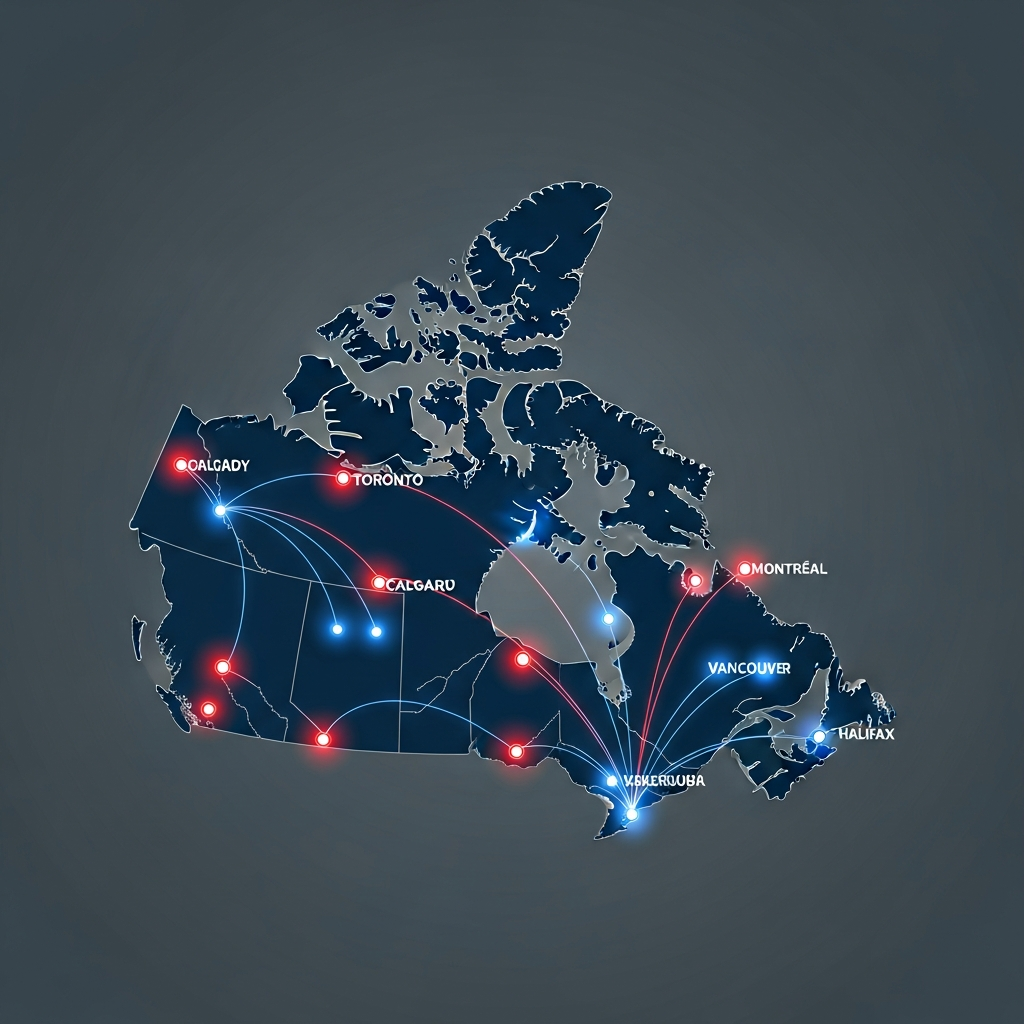 From a single Ottawa hub, next-day ground reaches Toronto and Montreal, and the U.S. Northeast is one to two days via nearby border crossings.
Transportation and cross-border under one roof
Transportation is where fragmented supply chains bleed the most money, because a warehouse that doesn't control freight has no incentive to optimize it. An integrated Ottawa logistics company runs transportation as a managed service: a multi-carrier rate engine that evaluates published rates, your negotiated discounts, dimensional weight, zone, service level, and surcharges in real time on every parcel, plus LTL and FTL procurement for pallet and truckload moves. Cross-border is the underrated lever — Ottawa's proximity to the Ogdensburg and Cornwall crossings means U.S. Northeast distribution without a second warehouse. Section 321 de minimis clearance for shipments under USD 800, coordinated Importer of Record handling, and Northeast injection partners let many DTC brands serve the U.S. East Coast from a single Ottawa inventory pool. Always confirm current customs and de minimis rules against official CBSA and U.S. CBP guidance, as thresholds and programs change.
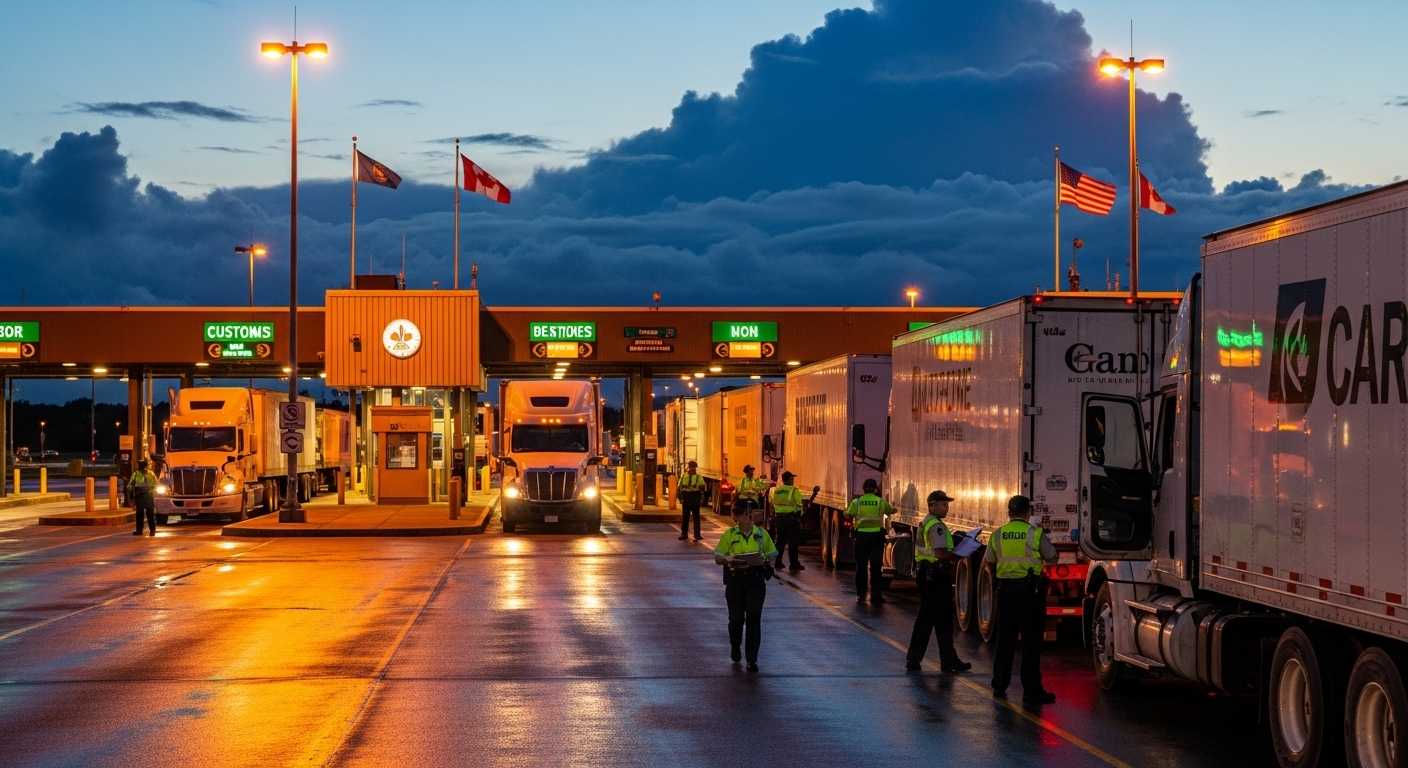 Transportation and cross-border under one roof
Technology, WMS, and supply-chain visibility
The difference between a logistics company and a warehouse with trucks is the technology that connects every layer. An in-house warehouse management system gives you real-time inventory accuracy across all storage zones, order status from import to delivery, and KPI dashboards — order accuracy, on-time pick, on-time ship, inventory accuracy — that you can actually audit. Native integrations to Shopify, Amazon Seller Central, WooCommerce, BigCommerce, and Walmart Marketplace pull orders automatically, while EDI capability (X12 850, 856, 810) handles Canadian retail accounts like Loblaw, Sobeys, Costco, and Indigo. A documented REST API and webhook system covers custom platforms. Because the same system runs inbound, storage, fulfillment, and outbound, your stock levels and order states are one source of truth rather than four portals that disagree with each other.
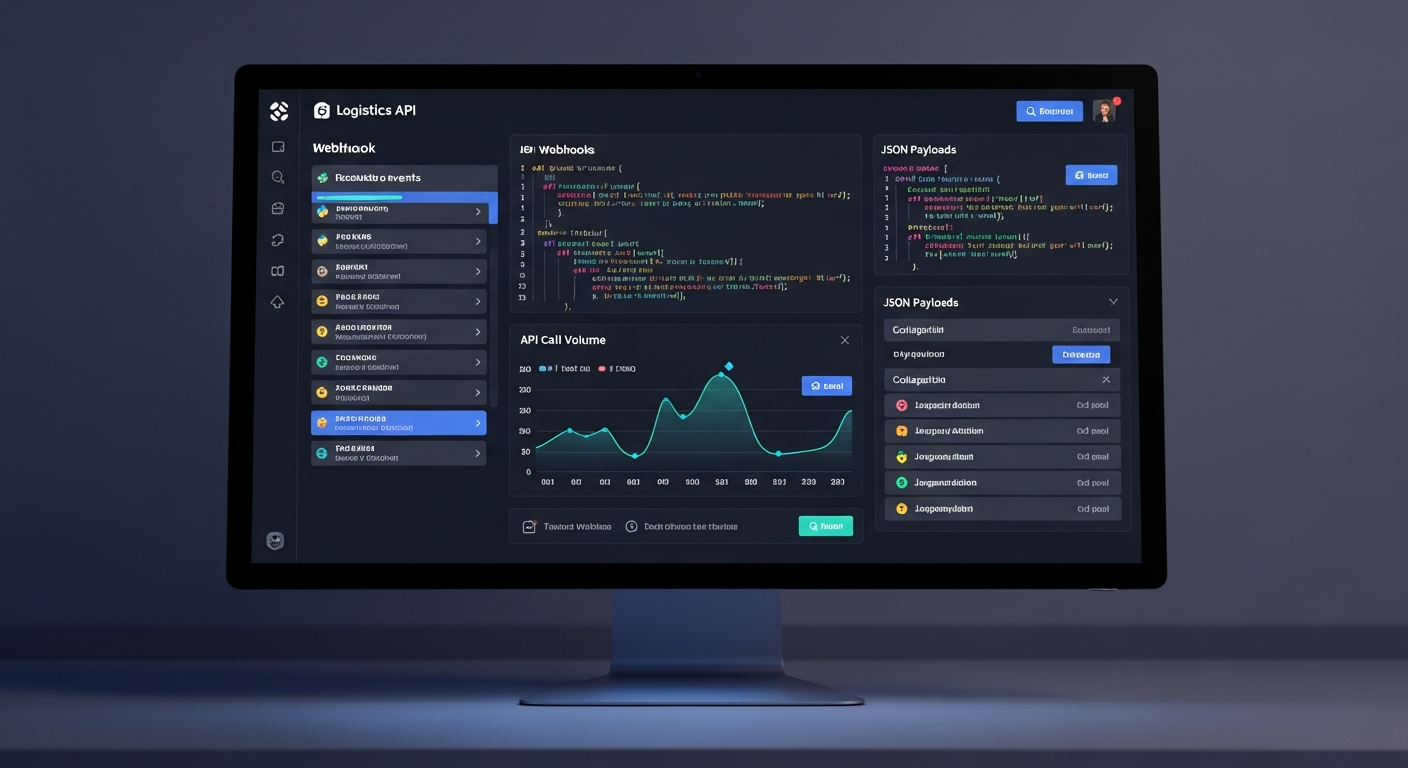 Technology, WMS, and supply-chain visibility
Industries served by an Ottawa logistics partner
An integrated logistics company in Ottawa serves a wide range of sectors, but some win disproportionately from the National Capital base. E-commerce and DTC brands gain next-day reach into central Canada and cost-efficient U.S. Northeast access from one inventory pool. B2B and wholesale brands distributing into retail benefit from EDI-compliant replenishment and consolidated LTL/FTL. Health, beauty, and supplement brands take advantage of climate-controlled storage and bilingual compliance. Food and beverage distributors use cold-chain and regional distribution. Ottawa's unique economy also creates demand for government-contractor, healthcare and medical-device, and diplomatic/embassy logistics — sectors where bilingual, security-aware operations are a hard requirement, not a nice-to-have. The common thread: brands that need more than one logistics service get the most value from consolidating them under one Ottawa partner.
 Industries served by an Ottawa logistics partner
How ByExpress serves logistics customers in Ottawa
ByExpress operates its national headquarters and flagship fulfillment facility in Ottawa at 2411 Holly Lane, running inbound freight, warehousing, order fulfillment, distribution, transportation, cross-border, and reverse logistics as one integrated service on a single in-house WMS with multi-carrier rate-shopping. Operations and customer support are bilingual EN/FR, and the Ottawa hub anchors a five-city Canadian network spanning Ottawa, Toronto, Montreal, Vancouver, and Calgary. Ottawa's central position in the Quebec City–Windsor corridor — home to roughly 60% of Canadian e-commerce demand — means next-day ground to Toronto and Montreal, and U.S. Northeast distribution via the Ogdensburg–Prescott and Cornwall–Massena crossings, all from a single inventory pool. Instead of coordinating a warehouse, a fulfillment house, a freight broker, and a returns processor, brands route their entire supply chain through one accountable Ottawa partner. To see where your current operation is leaking cost or latency, start with a free fulfillment audit — a written analysis of your supply chain and where consolidation would help.
Frequently Asked Questions
What does a full-service logistics company in Ottawa do?
It manages your product's entire journey — inbound freight and customs, warehousing and inventory, order fulfillment across DTC/B2B/retail, outbound distribution, transportation across parcel/LTL/FTL, cross-border shipping into the U.S., and returns — all under one operator, one WMS, and one accountable team rather than a patchwork of separate vendors.
Why use one integrated logistics partner instead of separate vendors?
Separate vendors create seams where cost and accountability leak: inventory drifts between systems, carrier rates are negotiated piecemeal, and no one owns a delayed shipment end to end. An integrated partner unifies inventory, consolidates carrier leverage across all freight and parcel volume, and gives you one team and one set of KPIs to hold accountable.
Why is Ottawa a strategic location for logistics?
Ottawa sits at the centre of the Quebec City–Windsor corridor, which holds about 60% of Canada's online shoppers. From one Ottawa hub, ground reaches Toronto and Montreal next-day and the U.S. Northeast in one to two days via nearby border crossings — with lower lease and labour costs than the GTA and a naturally bilingual workforce.
Can an Ottawa logistics company handle cross-border shipping to the U.S.?
Yes. Ottawa's proximity to the Ogdensburg–Prescott and Cornwall–Massena crossings enables U.S. Northeast distribution without a second warehouse. With Section 321 de minimis clearance, Importer of Record coordination, and Northeast injection partners, many DTC brands serve the U.S. East Coast from a single Ottawa inventory pool. Always verify current rules with CBSA and U.S. CBP.
What technology should an Ottawa logistics company provide?
A real-time, in-house WMS with inventory accuracy across all zones, order status from import to delivery, and auditable KPIs (order accuracy, on-time pick/ship). Plus native Shopify, Amazon, WooCommerce, BigCommerce, and Walmart integrations, EDI (X12 850/856/810) for Canadian retail, and a documented REST API for custom platforms.
Which industries benefit most from an Ottawa logistics partner?
E-commerce/DTC, B2B wholesale and retail, health/beauty/supplements, and food and beverage all win from Ottawa's reach and cost base. Ottawa's economy also drives demand for government-contractor, healthcare and medical-device, and diplomatic/embassy logistics, where bilingual, security-aware operations are essential.
Related ByExpress resources
- Warehousing services in Ottawa — Storage, racking, inventory accuracy, and value-add warehousing in the NCR.
- Order fulfillment in Ottawa — DTC, B2B, and retail pick, pack, and ship across every channel.
- Distribution services in Ottawa — B2B, retail replenishment, and regional hub-and-spoke distribution.
- Complete 3PL Ottawa guide — How to evaluate third-party logistics providers in the National Capital Region.
- Logistics company in Ottawa — our HQ — Our flagship Ottawa logistics hub at 2411 Holly Lane: 3PL, warehousing, fulfillment, distribution, and cross-border under one roof.
- Free fulfillment audit — Get a written analysis of where your supply chain leaks cost and time.
- Ottawa freight & forwarding — Inbound freight, LTL/FTL, and transportation management from Ottawa.
- Returns & reverse logistics — Returns intake, inspection, grading, and restock under one roof.