Guide · · 11 min read
Warehousing in Ottawa: Storage, Racking & Inventory Services
What managed warehousing in Ottawa actually includes — storage types, receiving and putaway, inventory accuracy, security, peak-season flex space, and value-add services — and who should outsource it.
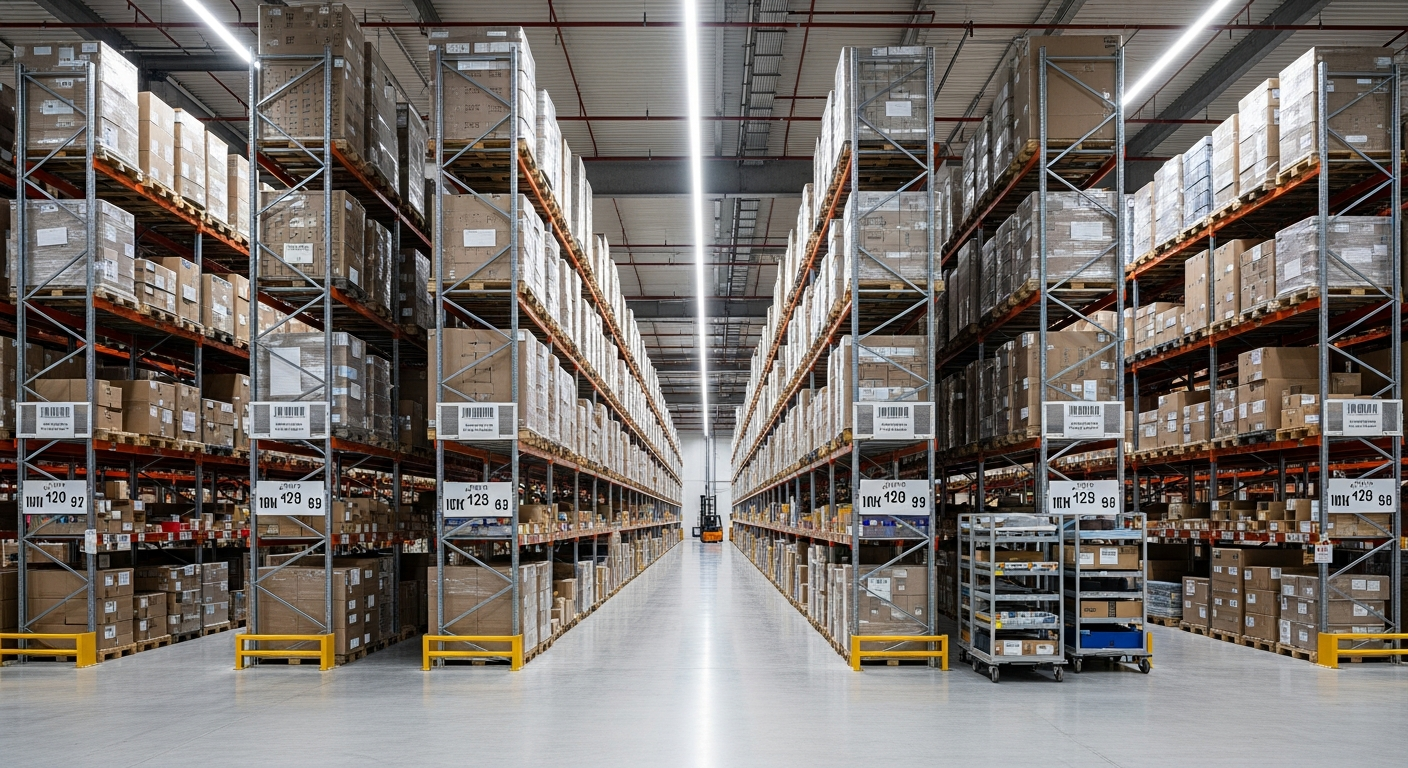
Warehousing is the foundation every other logistics service is built on — and in Ottawa it has quietly become one of the better places in central Canada to store inventory. This page is about the warehousing service itself: the storage formats available, how product is received and put away, how inventory accuracy is maintained, what security looks like, how space scales through peak, and the value-add work that happens on the floor. It is not a real-estate or lease-rate guide — if you're researching warehouse lease pricing or cost-per-pallet benchmarks, we link to dedicated cost pages below. Here, the focus is operational: what you actually get when you outsource warehousing to a managed 3PL facility in the National Capital Region, and how to tell a serious operation from a converted bay with a forklift.
What managed warehousing in Ottawa actually includes
There is a meaningful difference between renting square footage and buying a warehousing service. Self-storage and bare industrial sublets give you four walls and a door; managed warehousing gives you receiving, putaway, organized storage, perpetual inventory counts, security, and the ability to release product on demand into pick-and-pack or distribution. A credible Ottawa warehousing provider operates a warehouse management system (WMS) that tracks every unit by SKU, lot, and location, so you always know what you have and where it sits. The service typically bundles inbound handling, rack or floor storage billed by the pallet or bin, periodic cycle counts, and value-add labour priced separately. The key question for any prospective partner is not how much space they have, but how disciplined their inventory process is — because in warehousing, accuracy is the product.
 Managed warehousing means every pallet is received, counted, located in the WMS, and recoverable on demand — not just stored.
Storage types: matching format to product
Most brands need more than one storage format, and a good Ottawa warehouse will mix them under one roof and one inventory system. Fast-moving cartoned SKUs belong in selective pallet racking for forklift access; slow-moving bulk inventory is cheaper on the floor in block-stacked lanes; small parts and e-commerce SKUs live in bin or shelf storage for efficient piece picking; temperature-sensitive goods need climate-controlled rooms; and high-value or regulated items need a locked, access-controlled cage. The table below maps the common formats to the products they suit and what's normally included in the storage rate. Matching format to velocity and value is where warehousing cost is won or lost — overpaying to rack bulk inventory, or piece-picking from pallet positions, quietly erodes margin month after month.
| Storage Type | Best For | What's Included |
|---|
| Ambient selective racking | Fast-moving cartoned SKUs, palletized goods | Rack position, forklift access, location in WMS |
| Bulk floor / block stack | Slow-moving or high-volume single-SKU inventory | Floor lane, block stacking, low per-unit storage cost |
| Bin / shelf storage | Small parts, e-commerce singles, accessories | Shelf or bin location, piece-pick ready, SKU-level count |
| Climate-controlled | Supplements, cosmetics, food, electronics | Temperature/humidity range, monitored room, segregation |
| Secure cage / high-value | Regulated, controlled or high-theft goods | Locked cage, restricted access, audit trail |
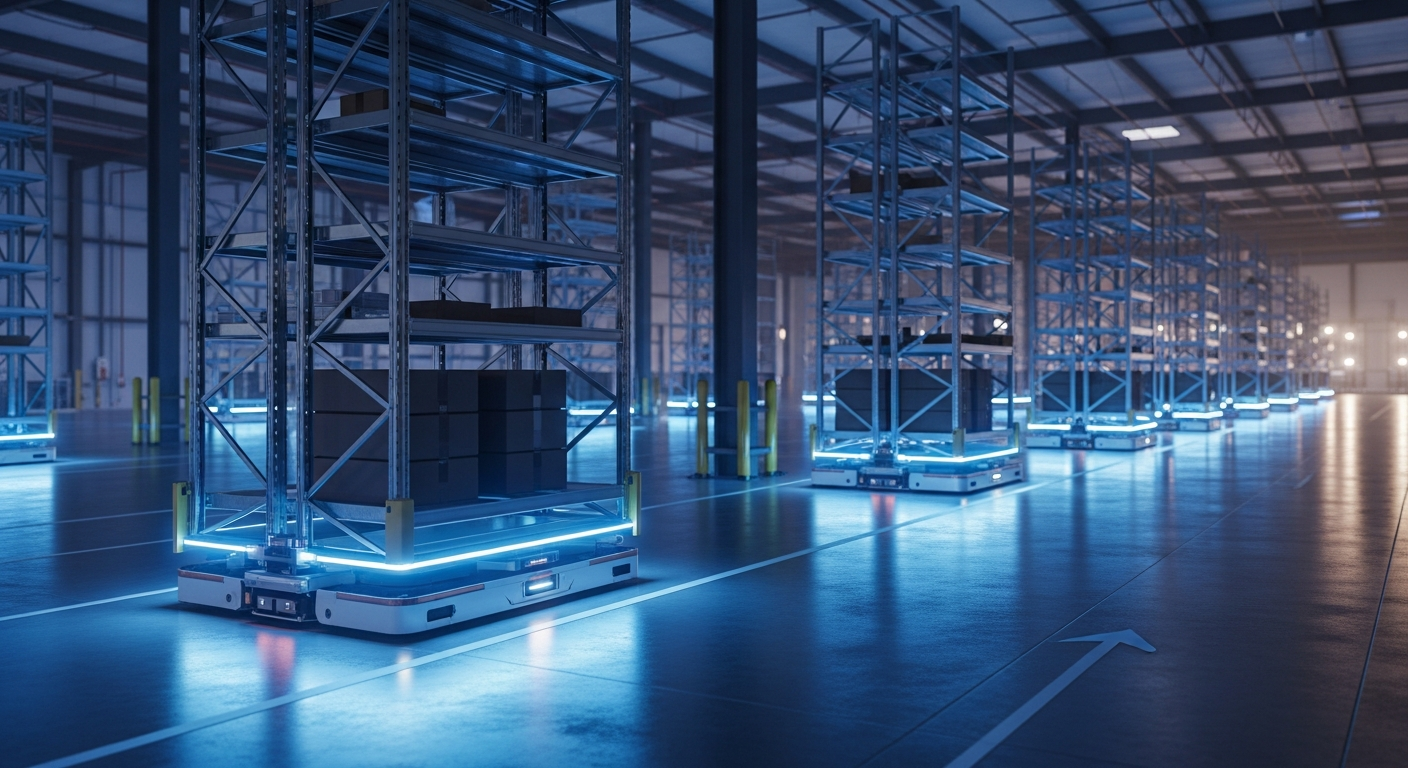 Storage types: matching format to product
Receiving and putaway: where inventory accuracy begins
Every inventory problem downstream can usually be traced to a receiving problem upstream. Disciplined warehousing in Ottawa starts at the dock: inbound shipments are checked against the advance ship notice (ASN) or purchase order, counted, inspected for damage, and reconciled before anything is put away. Discrepancies are flagged immediately rather than discovered weeks later during a pick. Once verified, product is system-directed to a storage location and the WMS records the SKU, quantity, lot or expiry, and exact bin or rack position. This directed putaway is what makes everything else possible — accurate availability, FIFO/FEFO rotation, fast picking, and trustworthy cycle counts. When you evaluate an Ottawa warehouse, ask how they handle receiving exceptions and how quickly inbound product becomes sellable in your system; a same-day or next-day receiving SLA is the mark of a well-run floor.
- Inbound appointment scheduling and dock management
- Count and inspection against ASN / purchase order
- Damage and discrepancy flagging at receipt
- Lot, batch, and expiry capture for FIFO/FEFO control
- System-directed putaway to a tracked storage location
- Inventory made available in your portal once verified
Inventory accuracy, cycle counting and real-time visibility
Storage is only valuable if the numbers are right. Serious Ottawa warehousing runs perpetual inventory through the WMS and verifies it with ongoing cycle counts — counting a rotating subset of locations every week rather than shutting down once a year for a full physical. Well-run facilities hold inventory accuracy at 99.5% or better, and they can prove it with reporting. Beyond accuracy, the real upgrade over self-storage is visibility: a modern WMS gives you a live, browser-based view of stock on hand by SKU and location, inbound receipts, outbound activity, and low-stock alerts, so you can plan replenishment without phoning the warehouse. This matters most for brands selling across multiple channels, where overselling a shared inventory pool is the fastest way to disappoint customers. Ask any provider how often they cycle count, what accuracy they hold, and whether you get self-serve real-time visibility.
Benchmark to insist on: 99.5%+ inventory accuracy, weekly cycle counts, and self-serve real-time stock visibility by SKU and location. If a warehouse can't show you these, they're guessing — and so are you.
Security, monitoring and compliance
When you outsource warehousing you are also outsourcing custody of your inventory, so physical and data security belong on the checklist. A credible Ottawa facility runs 24/7 video surveillance, controlled access to the building and to secure cages, alarm monitoring, and documented chain-of-custody for high-value or regulated goods. On the data side, ask whether the WMS access is role-based, whether activity is logged and auditable, and whether the provider follows recognized security practices for their systems. For brands in regulated categories — health products, cosmetics, food, or anything requiring traceability — also confirm lot tracking, segregation, and the ability to execute a recall by lot. Insurance is the final piece: understand what the warehouse's liability covers versus what your own goods-in-storage policy should cover, and get it in writing before product arrives.
Scalability and peak-season flex space
One of the strongest reasons to outsource warehousing rather than lease your own building is elasticity. Your own warehouse is a fixed cost sized for your peak — which means you pay for empty space eleven months a year and run out of room in December. A shared Ottawa 3PL facility lets you expand and contract your footprint with demand: take more pallet positions ahead of Q4 or a product launch, release them in the slow season, and pay for what you use. This is especially valuable for seasonal brands, subscription boxes, and anyone running promotions or retail programs with lumpy inbound. The National Capital Region's lower industrial costs relative to the GTA mean that flex space here is typically more affordable than equivalent overflow capacity in Toronto, so brands can hold safety stock and seasonal buffers without the GTA price premium.
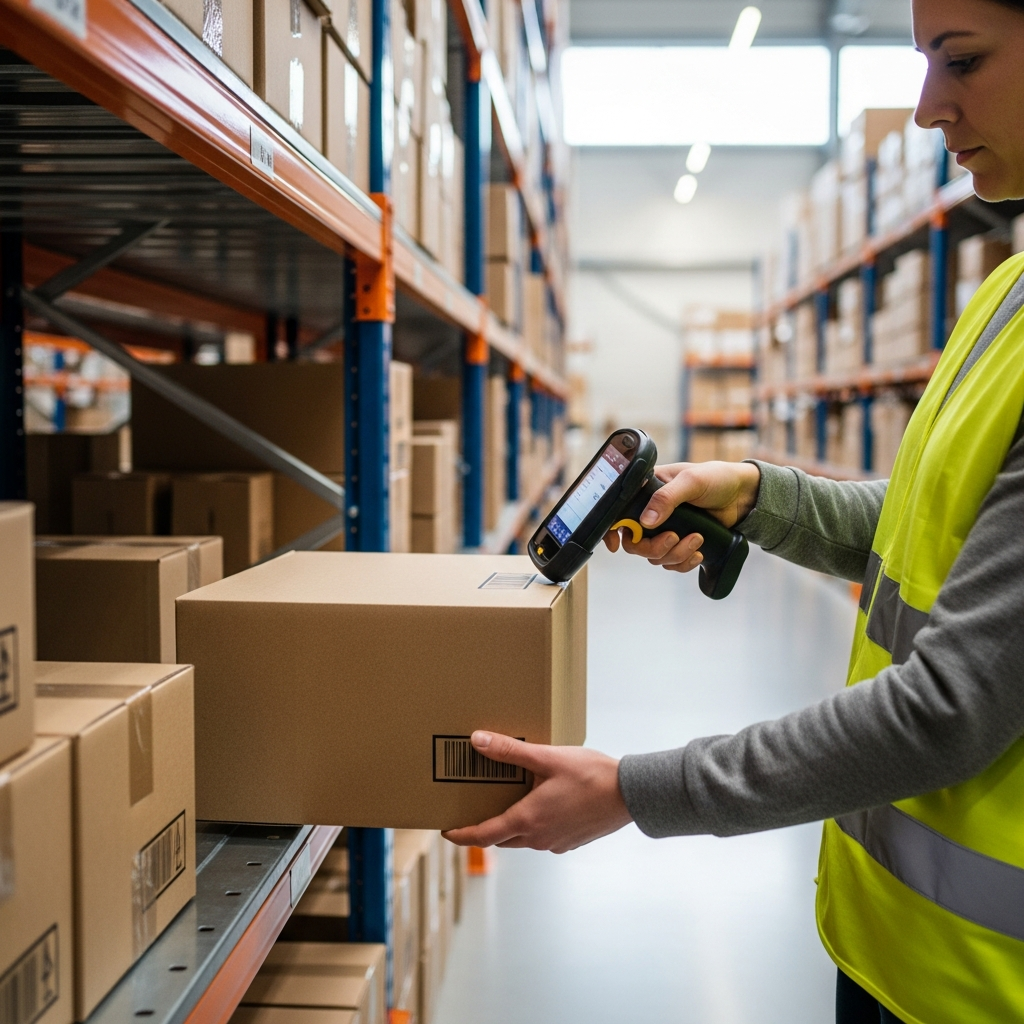 Shared 3PL space lets you scale pallet positions up for peak and back down afterward — no year-round fixed footprint.
Value-add warehousing services
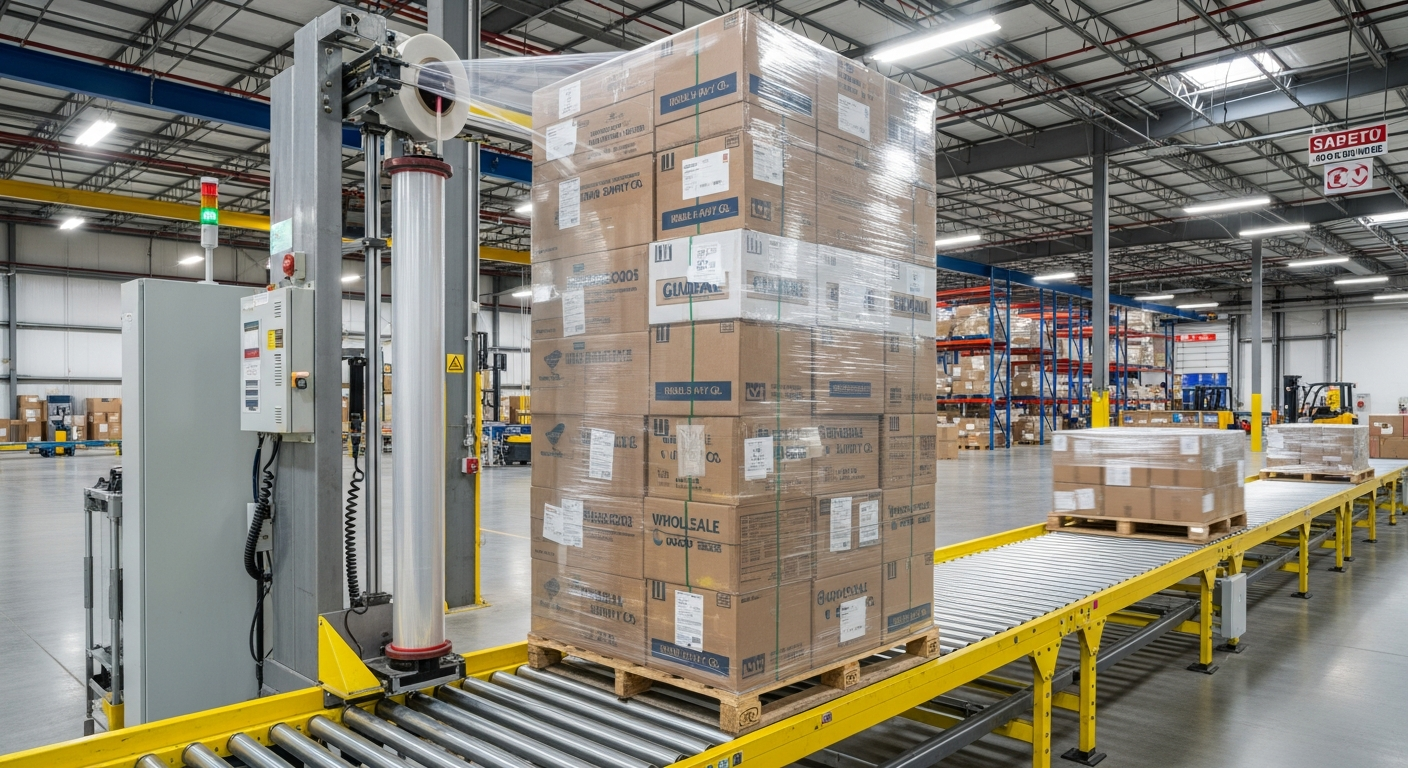
Modern warehousing is rarely just storage. The same floor that holds your inventory can also prepare it for sale or distribution, which keeps product moving and avoids shuttling it between vendors. Common value-add services in an Ottawa warehouse include kitting and bundling (assembling multi-component sets or subscription boxes), labelling and re-labelling (retail compliance tickets, barcodes, bilingual EN/FR labels), pallet building and stretch wrapping for outbound freight, carton forming, polybagging, and light assembly or quality inspection. For brands selling into Canadian retail, retail-compliant prep — correct labels, carton marks, and palletization to a retailer's routing guide — is often the difference between a clean delivery and a chargeback. Because these services live on the storage floor, they're billed as labour against the inventory already in the building rather than as a separate logistics leg.
 Value-add warehousing services
Who should outsource warehousing in Ottawa
Outsourced warehousing isn't right for everyone, but it's a clear win for several profiles. E-commerce and DTC brands that have outgrown a garage or back room but can't justify a leased building benefit immediately from flex space and built-in fulfillment. B2B and wholesale companies serving central-Canada accounts gain a central distribution point without the capital of owning a DC. Brands with seasonal or promotional spikes avoid paying for peak-sized space year-round. Companies expanding into Ontario or Quebec from elsewhere in Canada — or from the U.S. — use Ottawa as a low-cost, centrally located first node. And any business currently tying up staff, capital, and floor space managing its own storage can redeploy those resources to product and marketing. If you're weighing the economics, our cost pages below break down the dollars; this page covers the capability.
How ByExpress serves warehousing in Ottawa
ByExpress operates its national headquarters and flagship fulfillment facility in Ottawa at 2411 Holly Lane, offering managed warehousing across ambient racking, bulk floor, bin/shelf, climate-controlled, and secure storage under a single in-house WMS with real-time, self-serve inventory visibility. Receiving is system-directed, inventory is held to high accuracy through ongoing cycle counts, and the floor handles the full range of value-add work — kitting, bilingual EN/FR labelling, pallet building, and retail-compliant prep. Because the Ottawa facility is also a full fulfillment and distribution node, stored inventory flows straight into multi-carrier rate-shopped shipping without leaving the building. Ottawa sits central in the Quebec City–Windsor corridor — roughly 60% of Canada's e-commerce demand — with next-day ground to Toronto and Montreal and U.S. Northeast access via the Ogdensburg–Prescott and Cornwall–Massena crossings, all backed by a five-city Canadian network (Ottawa, Toronto, Montreal, Vancouver, Calgary) and bilingual operations.
Frequently Asked Questions
What's the difference between warehousing and self-storage in Ottawa?
Self-storage gives you a locked unit and nothing else — you handle everything inside. Managed warehousing is a service: the provider receives and counts your inbound shipments, puts product away to tracked locations, maintains perpetual inventory through cycle counts, secures the goods, and releases stock on demand into picking or distribution. With managed warehousing you get a real-time view of what you have and where it is, which self-storage simply can't offer.
What types of storage are available in an Ottawa warehouse?
A full-service Ottawa warehouse typically offers ambient selective racking for fast-moving palletized goods, bulk floor storage for high-volume single SKUs, bin and shelf storage for small e-commerce items, climate-controlled rooms for temperature-sensitive products like supplements and cosmetics, and a secure access-controlled cage for high-value or regulated inventory — all managed under one WMS.
How is inventory accuracy maintained?
Accuracy starts at receiving, where inbound is counted and reconciled against the ASN or PO before putaway, and is maintained through perpetual inventory in the WMS plus ongoing cycle counts — counting a rotating set of locations regularly rather than once a year. A well-run Ottawa warehouse holds inventory accuracy at 99.5% or better and can show you the reporting to prove it.
Can I scale warehouse space up and down through peak season?
Yes — that's a core advantage of a shared 3PL facility over leasing your own building. You can add pallet positions ahead of Q4 or a product launch and release them in the slow season, paying only for the space you use. The National Capital Region's lower industrial costs mean this flex capacity is typically more affordable than overflow space in the GTA.
Is climate-controlled and secure storage available in Ottawa?
Yes. Credible Ottawa warehousing providers offer temperature- and humidity-controlled rooms for supplements, cosmetics, food, and electronics, plus locked, access-controlled cages with audit trails for high-value or regulated goods. For regulated categories, confirm lot tracking, segregation, and recall-by-lot capability before storing product.
How much does warehousing cost in Ottawa?
Storage is usually billed per pallet or per bin per month, with receiving and value-add labour priced separately. Ottawa rates generally run below equivalent GTA pricing thanks to lower labour and real-estate costs. For detailed benchmarks and lease-versus-outsource math, see our Ottawa warehousing cost and lease-rate guides linked on this page rather than relying on rough estimates.
Related ByExpress resources