Guide · · 11 min read
Importing & Bonded Warehousing for Ottawa Wholesalers (2026)
How importing and customs bonded warehousing work for Ottawa wholesalers — duty and GST deferral, bonded vs. sufferance warehouses, the Port of Montreal gateway, and when bonded storage actually pays off.
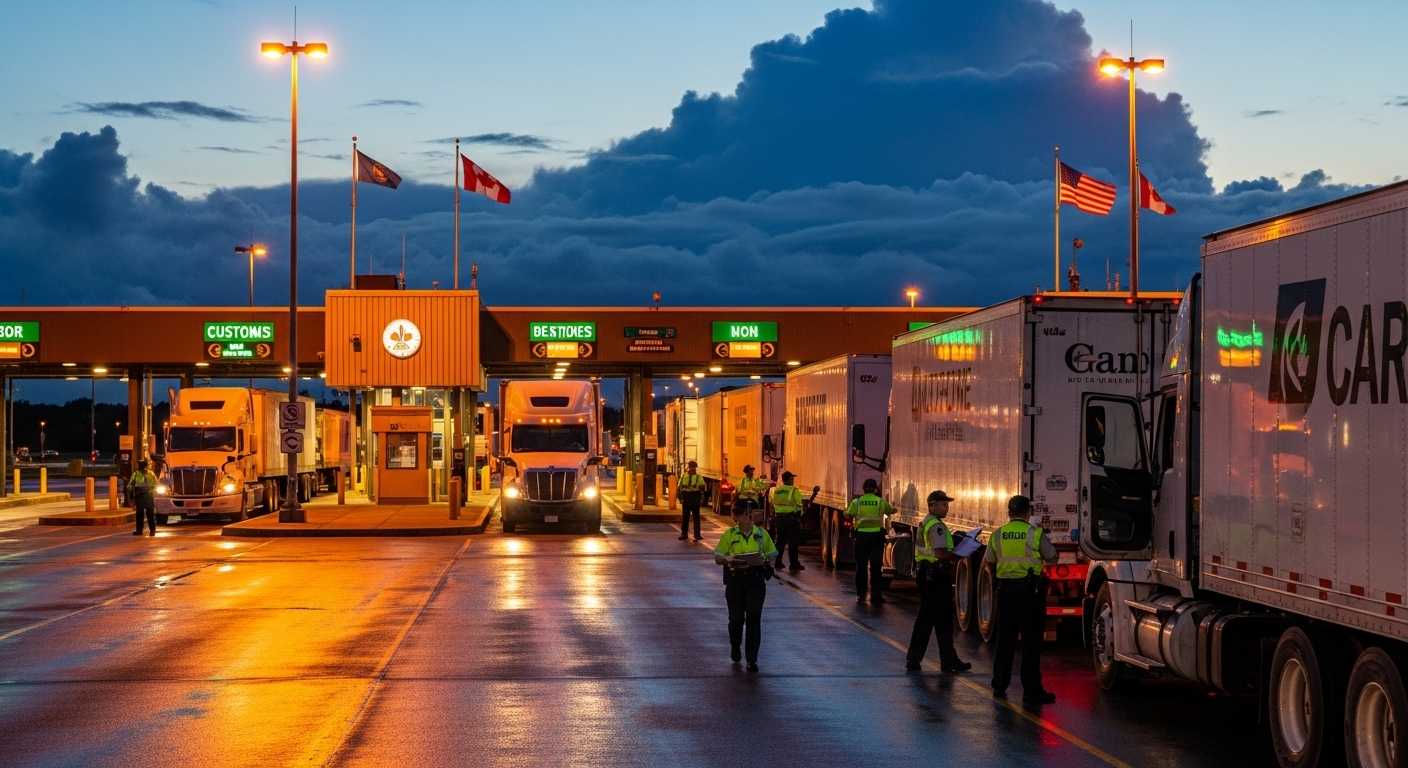
A large share of what Ottawa's wholesalers sell is imported — consumer goods, industrial supplies, building products, and packaging arriving from overseas through the Port of Montreal or from the United States across the nearby Prescott/Ogdensburg and Lansdowne/Thousand Islands crossings. For these businesses, when and how duty and GST get paid has a direct effect on cash flow, and customs bonded warehousing is the tool that lets an importer defer or avoid those charges. This guide explains, in plain operator terms, how importing into the National Capital Region works, the difference between bonded and sufferance warehouses, how duty deferral improves working capital, and when a bonded program is worth the added compliance.
How freight imports into the Ottawa region
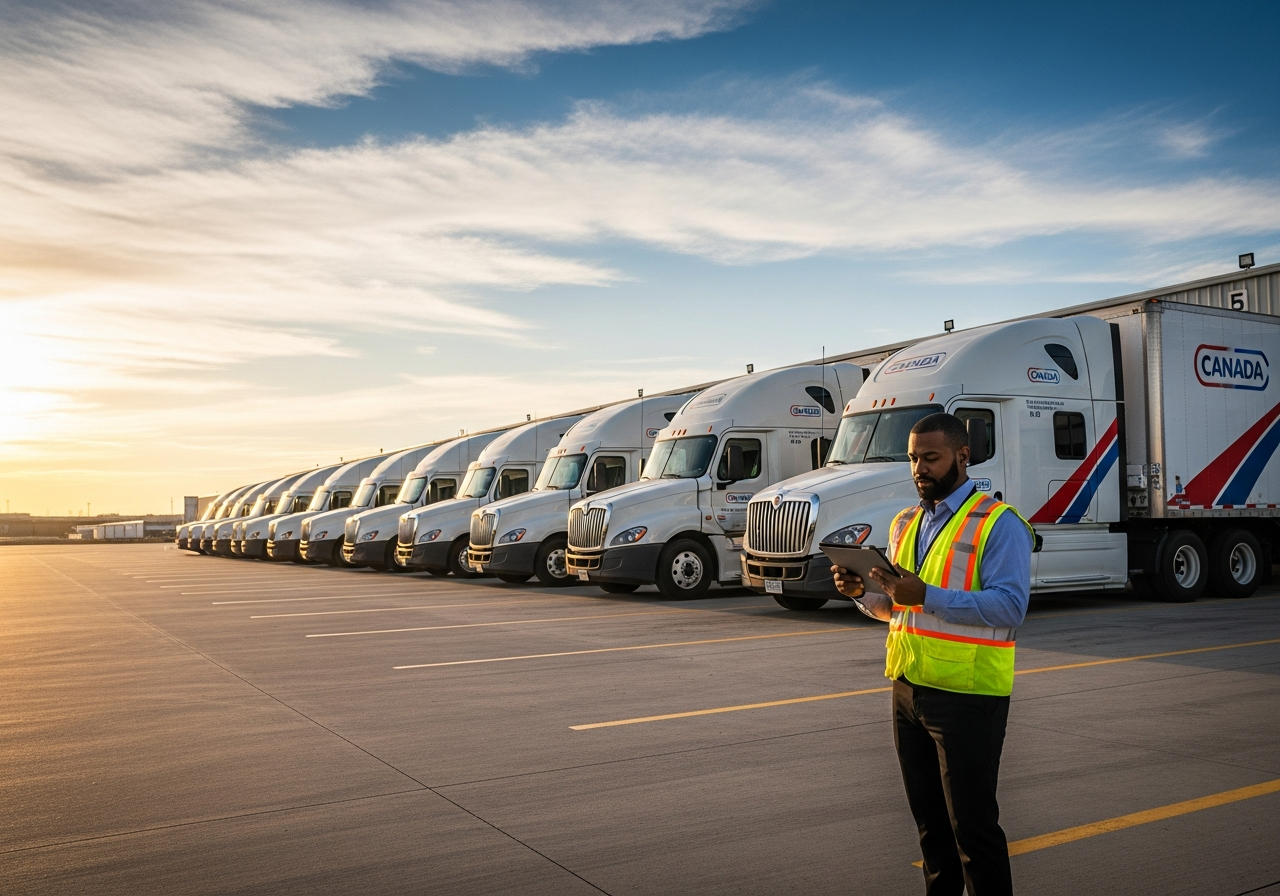
Ottawa has no ocean port, so overseas imports almost always arrive through the Port of Montreal — the closest major container gateway, roughly two hours east on Highway 417 — and move to Ottawa by daily truck linehaul or rail-then-truck. US-origin freight crosses at the regional land borders. Once goods reach Canada, they're either released into the domestic market (with duty and GST paid) or held in a customs-controlled facility pending release. Understanding which path inventory takes — and where the customs clock starts — is the foundation of an import program.
 How freight imports into the Ottawa region
Bonded vs. sufferance warehouses
These two CBSA-regulated facility types are often confused but serve different purposes. A sufferance warehouse is a short-term holding facility for goods that have arrived in Canada but not yet been released by CBSA — it's a waystation for examination and release, not a storage solution. A customs bonded warehouse is a licensed facility where imported goods can be stored for an extended period with duty and GST deferred until the goods are entered into the domestic market, or relieved entirely if the goods are eventually re-exported.
| Feature | Sufferance warehouse | Customs bonded warehouse |
|---|
| Purpose | Short-term pre-release holding | Extended duty-deferred storage |
| Duty/GST | Not yet assessed | Deferred until goods released |
| Storage term | Short (days) | Long (extended, per CBSA rules) |
| Re-export option | N/A | Duty relieved if re-exported |
| Best for | Customs examination/release | Importers managing cash flow |
Duty deferral and what it does for cash flow
The core financial benefit of a bonded warehouse is timing. Normally, duty and GST are payable when imported goods are released into Canada — meaning a wholesaler ties up cash on tax and duty for inventory that may sit for weeks or months before it sells. In a bonded warehouse, those charges are deferred until the goods actually leave bonded storage for the domestic market, so the importer only pays as inventory converts to sales. For seasonal, slow-turning, or high-duty inventory, that deferral can free up meaningful working capital.
Duty deferral isn't a discount — you still owe the duty and GST when goods enter the domestic market. The benefit is timing: you keep your cash until inventory actually sells, and you avoid duty entirely on anything you re-export.
Re-export, the Outaouais, and regional distribution
Bonded warehousing is especially useful for importers who serve more than just the local market. Goods that are imported, held bonded, and then re-exported never attract Canadian duty. For an Ottawa wholesaler that distributes across the Ontario–Quebec border into the Outaouais and western Quebec, or that re-ships product to the US, the ability to hold bonded inventory and pay duty only on the portion that enters the Canadian domestic market — while relieving duty on re-exported volume — can simplify both cost and compliance.
- Hold imported inventory without immediate duty/GST outlay
- Pay duty only on goods entering the Canadian domestic market
- Relieve duty entirely on goods re-exported from bond
- Combine bonded storage with break-bulk and re-labelling under one roof
- Smooth cash flow on seasonal and high-value imported stock
Compliance: brokers, records, and CBSA obligations
A bonded program adds compliance responsibility. Imports require accurate tariff classification, valuation, and origin documentation — work usually handled with a licensed customs broker. The bonded warehouse operator must maintain CBSA-grade inventory records that account for every unit entering and leaving bond, support audits, and control movements in and out of the facility. For the importer, this means working with a 3PL whose bonded licence, record-keeping, and WMS are set up to satisfy CBSA — not retrofitting bonded controls onto a standard warehouse after the fact.
When bonded warehousing is worth it
Bonded warehousing isn't for every importer. It pays off when you hold significant imported inventory that turns slowly, when duty and GST represent a meaningful cash outlay you'd rather defer, when a portion of your volume is re-exported, or when you import seasonally and want to land goods early without paying duty months ahead of sales. For fast-turning, low-duty inventory that sells quickly after arrival, standard (non-bonded) warehousing with duty paid on release is usually simpler. A good Ottawa 3PL will model both against your actual import and sales pattern before recommending a path.
Frequently Asked Questions
What is a customs bonded warehouse?
A CBSA-licensed facility where imported goods can be stored with duty and GST deferred until the goods are released into the Canadian domestic market — or relieved entirely if the goods are re-exported. It's a cash-flow tool for importers.
What's the difference between a bonded and a sufferance warehouse?
A sufferance warehouse is short-term holding for goods awaiting CBSA examination and release. A bonded warehouse is for extended, duty-deferred storage. Sufferance is a waystation; bonded is a storage and cash-flow solution.
How does duty deferral help my cash flow?
Normally you pay duty and GST when goods are released into Canada, even if they sit unsold for months. In bond, you defer those charges until goods leave for the domestic market, so you only pay as inventory converts to sales.
How do imports reach Ottawa?
Overseas freight arrives mainly through the Port of Montreal (about two hours east) and moves to Ottawa by truck linehaul or rail-then-truck. US-origin freight crosses at regional land borders like Prescott/Ogdensburg and Lansdowne/Thousand Islands.
Do I need a customs broker for bonded warehousing?
In practice, yes — imports require accurate tariff classification, valuation, and origin documentation usually handled by a licensed broker, and the bonded operator must keep CBSA-grade records of all movements in and out of bond.
Related ByExpress resources