Guide · · 12 min read
3PL for Wholesalers & Distributors in Ottawa (2026)
How a wholesale or distribution business should buy 3PL in Ottawa — bulk storage economics, break-bulk, B2B order profiles, importing, EDI intake, and how the billing actually works.
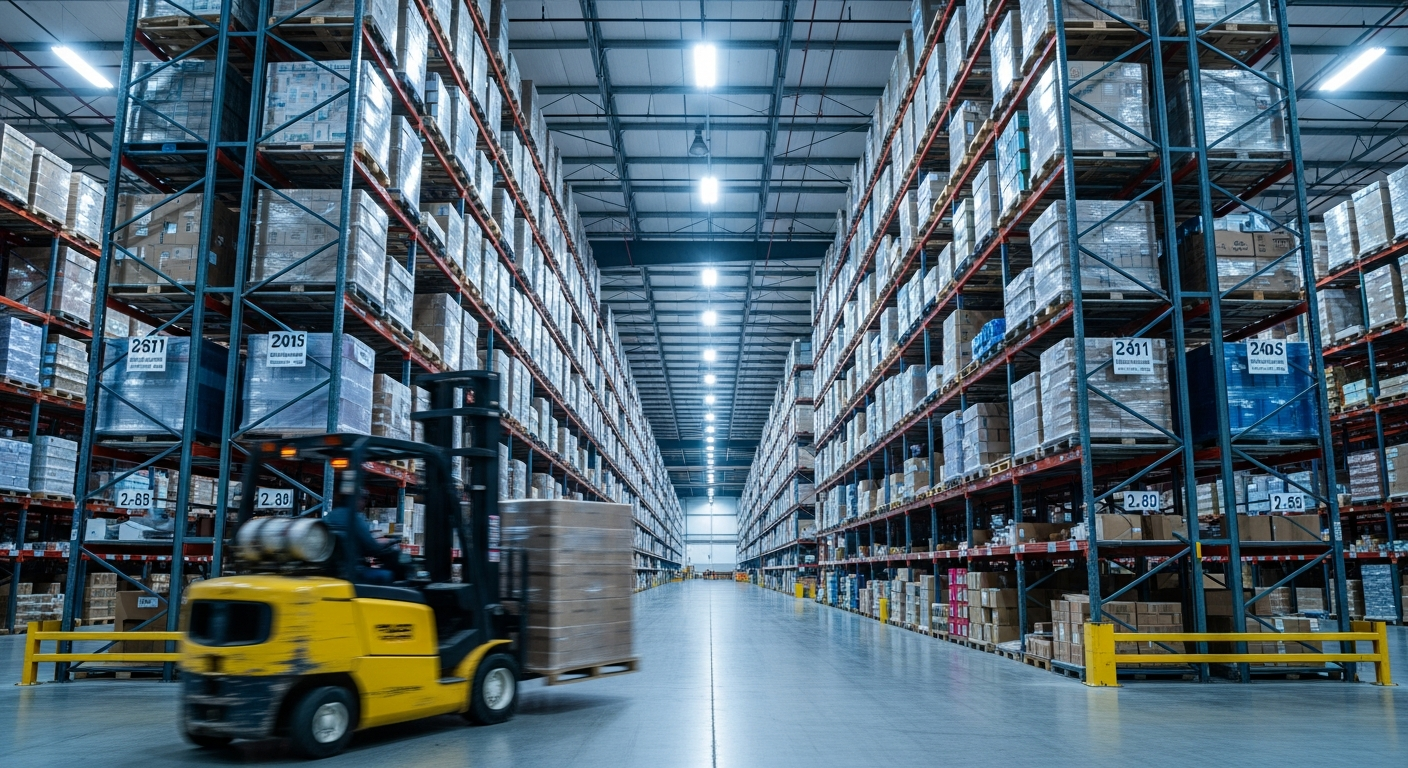
Ottawa is not only a federal-government town — it is also a regional wholesale and distribution hub serving roughly 1.5 million people across the National Capital Region, eastern Ontario, and the western Quebec / Outaouais market across the river. Foodservice distributors feeding restaurants and federal cafeterias, industrial and MRO suppliers serving construction and government facilities, building-products and electrical wholesalers, jan-san suppliers, and healthcare-consumable distributors all need bulk storage, break-bulk, and reliable B2B order fulfillment. Many of these businesses started in their own leased bay along Cyrville Road, Sheffield Road, Stevenage Drive, or out in Kanata or Stittsville, and have outgrown it. This guide explains how a wholesaler or distributor should buy 3PL in Ottawa in 2026 — bulk pallet storage economics, break-bulk and repacking, pallet/case/each order profiles, importing and bonded options, EDI/portal order intake, and the way storage-plus-handling billing actually works so there are no surprises.
Who Ottawa's wholesalers and distributors actually are
Wholesale in the National Capital Region spans more verticals than people expect, and each one stresses a 3PL differently. The common thread is that these are B2B businesses moving cases and pallets, not single-parcel DTC orders. The major categories operating in and around Ottawa:
- Foodservice & specialty food distributors — serving restaurants, hotels, the federal cafeteria network, hospitals, and schools (a parallel channel to retail grocery)
- Industrial / MRO suppliers — fasteners, safety supplies, tools, abrasives, and maintenance consumables for construction sites and government facilities
- Building-products & electrical wholesalers — plumbing, HVAC, lighting, wire, and fixtures feeding the region's steady construction and renovation demand
- Jan-san & packaging distributors — cleaning chemicals, paper, and disposables for office towers, property managers, and institutional buyers
- Healthcare-consumable distributors — gloves, PPE, and non-prescription supplies serving clinics, long-term-care homes, and dental offices
- Import/wholesale brands — companies bringing in containers and breaking them down for regional resale
Bulk pallet storage and racking economics
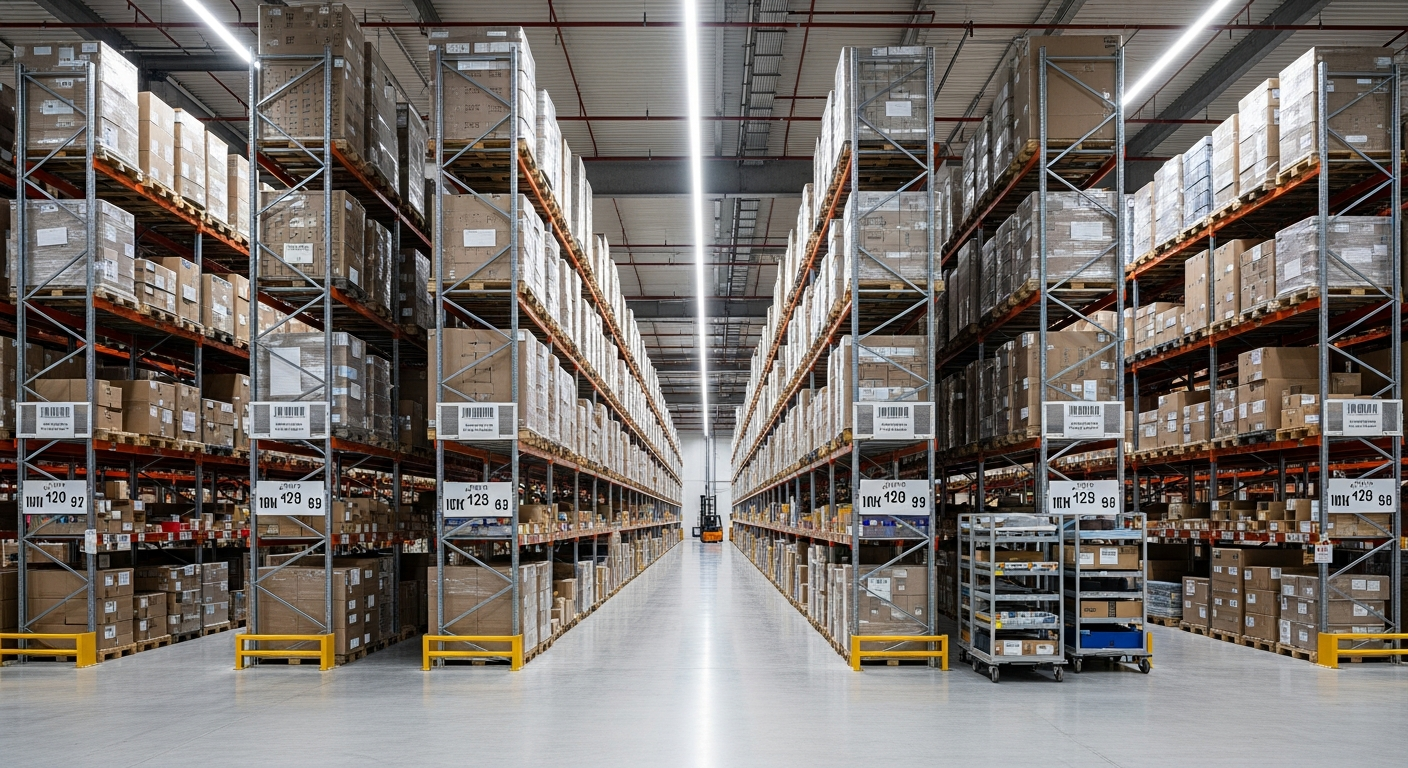
The foundation of wholesale 3PL is cost-efficient pallet storage, and the storage strategy should match how fast the inventory turns. Slow-moving, full-pallet SKUs belong in deep drive-in or push-back racking or block-stacked floor positions that maximize cubic density; fast-moving SKUs that get picked by the case or each belong in selective racking with accessible pick faces. A good Ottawa 3PL will profile your SKUs by velocity and cube before quoting, because the wrong slotting either wastes paid space or chokes your pick throughput. Storage is typically billed per pallet position per month, with separate rates for floor, racked, and any temperature-controlled positions.
 Bulk pallet storage and racking economics
Break-bulk and repacking: from container to case
Wholesalers rarely sell in the unit they buy in. A distributor may import 40-foot containers or receive full truckload pallets from a manufacturer, then sell to customers in cases, inner packs, or individual eaches. Break-bulk is the work of receiving those large inbound units and breaking them down into smaller saleable and pickable configurations; repacking adds value by re-cartoning, re-labelling, building mixed cases, or kitting promotional bundles. This is one of the highest-leverage services a 3PL provides a wholesaler, because it converts cheap bulk freight into shelf-ready or order-ready inventory. For the full operational detail, see the dedicated break-bulk and repacking guide linked below.
Rule of thumb: if you're paying to ship air or paying staff to manually re-box inventory in your own bay, break-bulk and repacking at a 3PL is usually cheaper per touch and frees your team to sell.
B2B order profiles: pallet, case, and each
Wholesale fulfillment is defined by its order mix, and the mix drives the labour cost. A pure-pallet operation (full pallets out the door to other distributors or large accounts) is the cheapest to pick. A case-pick operation (retailers and restaurants ordering by the case) is mid-cost. An each-pick or split-case operation (customers ordering individual units) is the most labour-intensive and benefits most from bin slotting, pick-to-light or RF-directed picking, and tight SKU velocity management. Most Ottawa distributors run a blend of all three, and the 3PL should be able to handle mixed orders that combine a couple of full pallets with a few loose cases and a handful of eaches on the same pick. The pallet/case/each picking guide goes deeper on this.
| Order profile | Typical customer | Relative pick cost | Key optimization |
|---|
| Full pallet | Other distributors, large accounts | Lowest | Reserve slotting, forklift staging |
| Case / split-case | Retailers, restaurants, institutions | Medium | Case-flow racking, zone picking |
| Each / piece | Small accounts, sample/spec orders | Highest | Bin slotting, RF or pick-to-light |
| Mixed (pallet+case+each) | Most regional wholesalers | Variable | Wave planning, consolidation |
Importing and bonded warehousing options
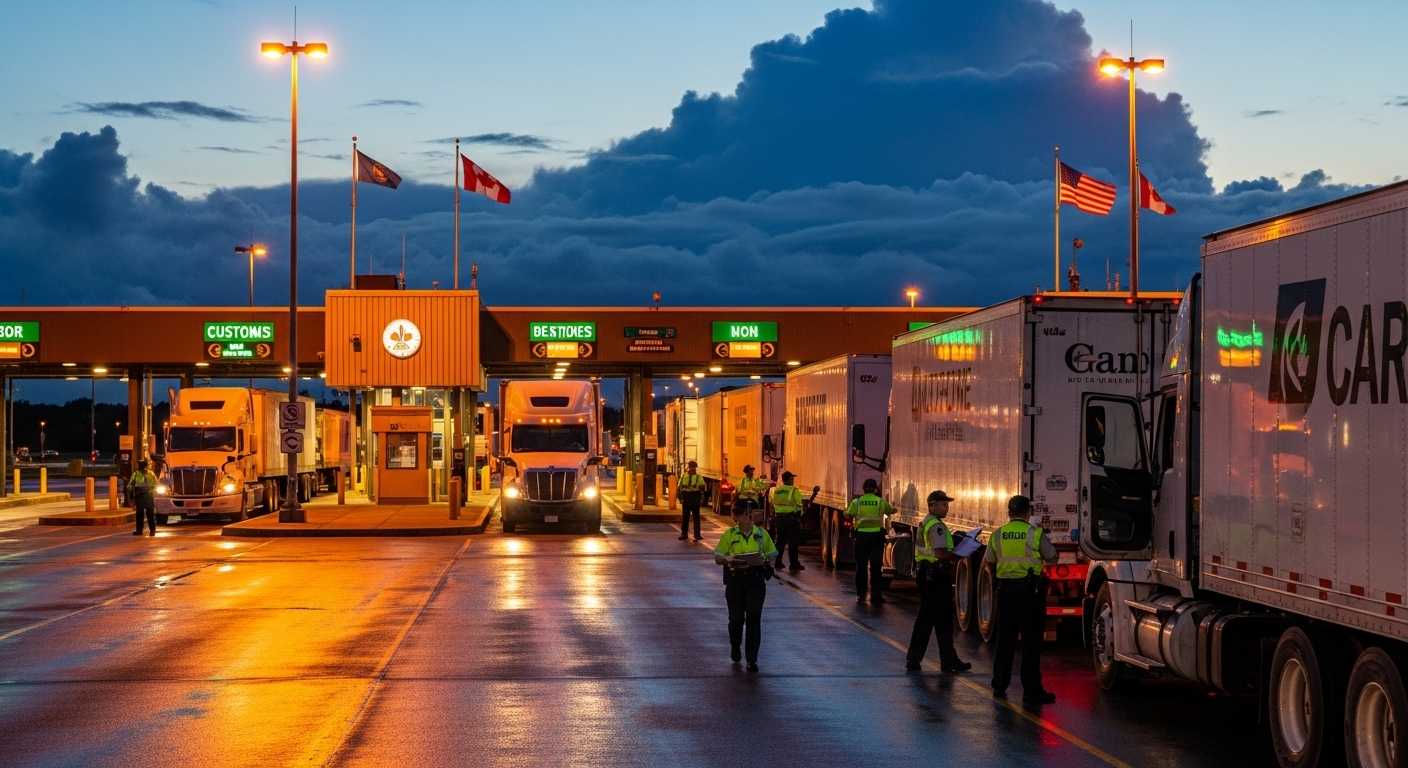
Many Ottawa wholesalers import — from the US via the Ogdensburg/Prescott and Thousand Islands/Lansdowne crossings or from overseas through the Port of Montreal, which is the closest deep-water container port and feeds Ottawa by daily linehaul on Highway 417. When goods are imported, duty and GST are normally payable on entry. A customs bonded warehouse lets an importer defer those charges until the goods actually leave storage for the domestic market, or avoid them entirely if the goods are re-exported. For a wholesaler holding seasonal or slow-turning imported inventory, deferral can materially improve cash flow. The importing and bonded warehousing guide covers eligibility, sufferance vs. bonded, and how it works in practice.
 Importing and bonded warehousing options
B2B order intake: EDI, portals, and ERP integration
Wholesale buyers expect to order the way they always have — by purchase order, EDI, vendor portal, or a phone/email order desk — and your 3PL has to ingest all of it cleanly into one fulfillment queue. Distributors selling into national retailers (Walmart Canada, grocery DCs, Costco) need EDI 850/856/810 capability with SSCC pallet labelling and ASN compliance to avoid chargebacks; distributors selling to independent accounts need a simple B2B portal or an integration to their accounting/ERP (QuickBooks, NetSuite, SAP, Sage). The right Ottawa 3PL maps your order channels to its WMS once, then runs them on a single workflow with real-time inventory visibility back to you.
Minimums, billing, and SLAs
Wholesale 3PL billing has two main components plus accessorials, and understanding the structure prevents disputes. Storage is billed per pallet position (or per square/cubic foot for floor-stacked) per month. Handling is billed for receiving, putaway, and order picking — usually per pallet, per case, and per line or per each, reflecting the labour each touch requires. On top of that sit accessorials: container/floor-load unloading, repacking and re-labelling, EDI/ASN transactions, pallet wrap and supplies, and special projects. Most 3PLs apply a monthly minimum to cover baseline overhead. Service-level agreements should specify receiving turnaround (e.g. inbound put away within 24–48 hours), same-day pick cutoffs for orders received before a set time, and order accuracy targets (typically 99.5%+). Get all three components and the SLA in writing before you move inventory.
Frequently Asked Questions
What does a 3PL for wholesalers in Ottawa actually do?
It stores your inventory in bulk and pick locations, receives and breaks down inbound containers and truckloads, picks and ships B2B orders by pallet, case, or each, and integrates with your order channels (EDI, portal, ERP). You pay for storage plus handling instead of running your own warehouse and labour.
How is wholesale 3PL priced in Ottawa?
Two core components: storage (per pallet position or per square/cubic foot per month) and handling (receiving, putaway, and picking, billed per pallet/case/line). Accessorials cover repacking, EDI, supplies, and special projects, and most 3PLs apply a monthly minimum.
Can a 3PL handle mixed pallet, case, and each orders?
Yes — most Ottawa wholesale 3PLs run blended orders that combine full pallets, loose cases, and individual eaches on the same pick. Each-picking is the most labour-intensive, so SKU slotting and RF-directed or pick-to-light picking matter for cost control.
Do I need EDI to use a wholesale 3PL?
Only if your buyers require it. Selling into national retailers like Walmart Canada or grocery DCs generally needs EDI 850/856/810 with SSCC labels and ASNs. Selling to independent accounts can run on a B2B portal or an ERP/accounting integration instead.
Can a 3PL defer duty on my imported inventory?
Yes, through a customs bonded warehouse. Duty and GST can be deferred until goods leave bonded storage for the domestic market, or avoided if re-exported — useful for seasonal or slow-turning imported stock. See the bonded warehousing guide for details.
Related ByExpress resources